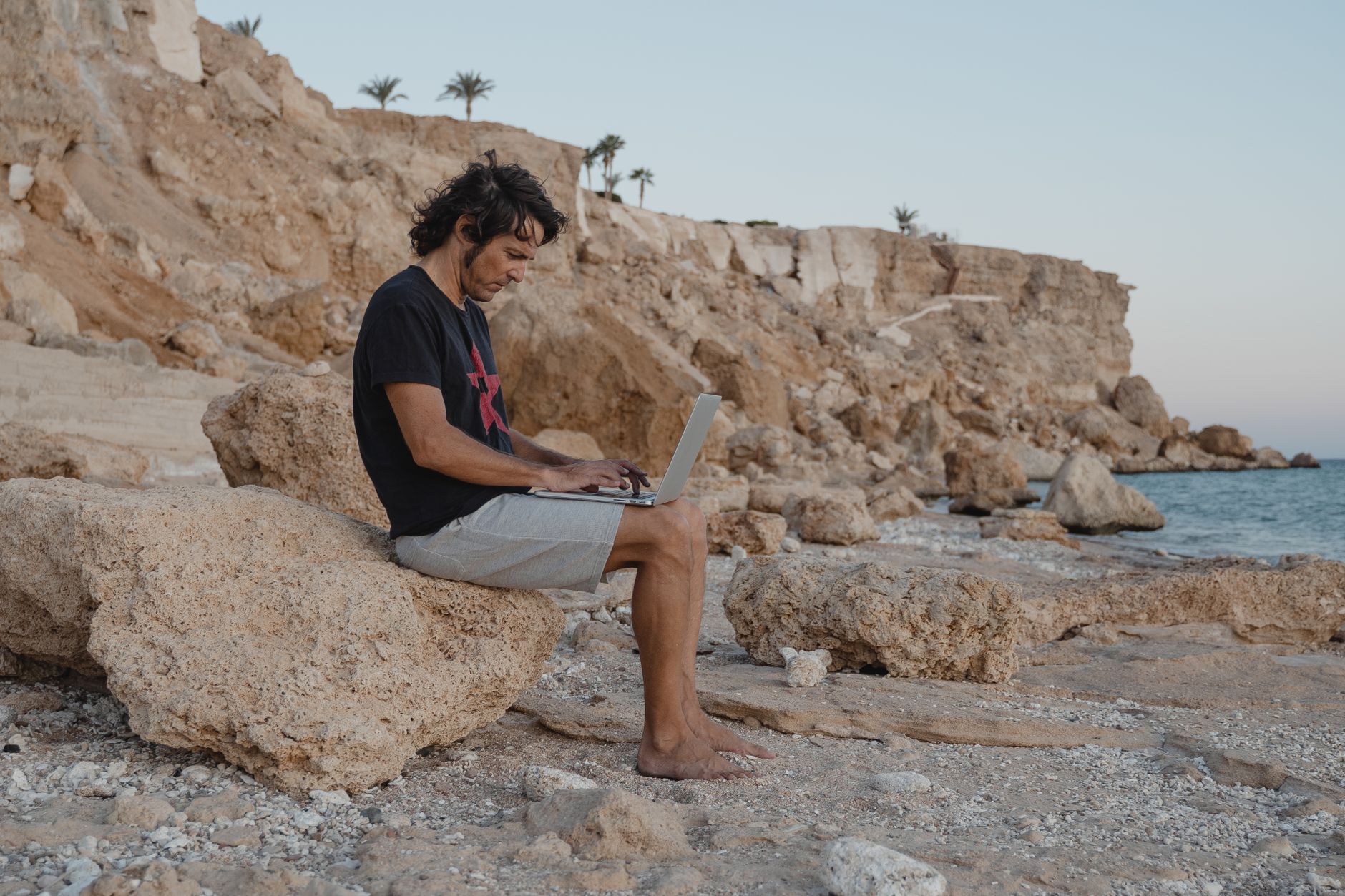
The salty air, a gentle caress against my skin, carried the faint, sweet scent of blooming jasmine. The rhythmic hush of waves lapping the shore was my morning soundtrack, a stark contrast to the frantic beep of my laptop notifications. I took a deep, fortifying breath, the kind that settles your soul, and then – click. My VPN connected instantly, the email alert popping up with zero lag. This, my friends, is the dream: the perfect beach town, where your Wi-Fi is as reliable as the tide.
For too long, the image of a remote worker on a tropical island meant battling spotty Wi-Fi, tethering to a phone that was constantly dying, and missing crucial client calls. But the landscape is changing. The rise of fiber optic internet, even in the most idyllic coastal corners, is revolutionizing how and where we can truly live our best lives. I've done the deep dive, digging through recent data and connecting with local tech wizards to bring you the definitive guide to beach towns that offer both sun-drenched shores and lightning-fast connectivity.
The Digital Nomad's Coastal Haven: Why Fiber Optic Matters
Let's get real. "Fast internet" is subjective. For your average vacationer, a decent hotel Wi-Fi might suffice. But for us – the digital nomads, the remote entrepreneurs, the freelancers who crave flexibility – "decent" just doesn't cut it. We need fiber optic.
Why the obsession? Fiber optic cables transmit data using pulses of light, making them exponentially faster and more reliable than traditional copper cables. This means:
- Blazing Download & Upload Speeds: Think seamless video calls, instant file transfers, and zero buffering on your streaming services (essential for unwinding after a productive day!).
- Unwavering Stability: Say goodbye to dropped connections during that crucial client presentation or while you're mid-way through an important upload.
- Future-Proofing: As our digital lives become more data-intensive, fiber optic ensures you're not left behind.
The good news? This cutting-edge technology is no longer confined to bustling metropolises. Forward-thinking municipalities and private providers are investing in coastal communities, recognizing the growing demand for high-speed internet in beautiful, lifestyle-driven locations.
Unveiling the Gems: Beach Towns with Serious Speed
After countless hours poring over ISP reports, community broadband initiatives, and traveler forums, I've curated a list of beach towns that are quietly becoming powerhouses for remote work. These aren't just pretty faces; they're destinations where you can genuinely thrive.
1. San Juan del Sur, Nicaragua: The Surf & Code Capital
I remember my first time in San Juan. The air thick with the scent of grilled plantains and the distant roar of surfers tackling Playa Maderas. It felt like the ultimate escape. But beneath the bohemian surf culture lies a surprisingly robust digital infrastructure.
The Vibe:
Energetic, youthful, and incredibly social. Think hostels buzzing with digital nomads, co-working spaces with ocean views, and a palpable sense of community. The town itself is a vibrant tapestry of colorful buildings, bustling markets, and lively nightlife.
The Internet Reality:
San Juan del Sur has seen significant investment in fiber optic networks over the past few years. Several local providers now offer symmetrical speeds that are more than capable of handling demanding remote work tasks. I’ve personally experienced download speeds exceeding 300 Mbps here, which is incredible for a town of its size and location.
Pro-Tip:
Many of the newer apartment complexes and co-living spaces are pre-equipped with high-speed fiber. When booking accommodation, specifically ask about their internet provider and speed test results.
Insider Scoop:
The best local coffee, perfect for fueling those early morning coding sessions, can be found at Café de las Sonrisas. It’s not just great coffee; it’s a social enterprise empowering deaf and blind individuals.
Quick Facts: San Juan del Sur, Nicaragua
- Estimated Costs ($): $ (Budget-friendly. Accommodation can range from $300-$800/month for a private room, food is cheap and delicious).
- Best Time to Visit: November to April (Dry season, sunny days, consistent surf).
- How to Get There: Fly into Managua (MGA) and take a shuttle or bus (approx. 3-4 hours).
2. Cascais, Portugal: European Elegance Meets Digital Prowess
Stepping off the train in Cascais is like entering a postcard. The air smells of sea salt and freshly baked pastéis de nata. Elegant tiled facades line the charming streets, and the sound of seagulls is a constant, soothing presence. It’s sophisticated, yet laid-back.
The Vibe:
Upscale, family-friendly, and incredibly picturesque. Cascais offers a blend of historical charm and modern amenities. It’s a place where you can enjoy world-class dining, explore ancient fortresses, and still have access to some of Europe's fastest internet.
The Internet Reality:
Portugal has been a leader in fiber optic expansion across Europe, and Cascais is a prime example. Major ISPs like MEO and NOS offer extensive fiber networks throughout the town, providing speeds of up to 1 Gbps. This is more than enough power for even the most data-intensive remote work.
Pro-Tip:
Look for apartments in the newer developments closer to the train station or the marina for guaranteed access to the latest fiber infrastructure.
Insider Scoop:
For a truly authentic seafood experience, head to Mar do Inferno. The grilled octopus is legendary, and the views are simply breathtaking. It's the perfect spot to decompress after a day of productive work.
Quick Facts: Cascais, Portugal
- Estimated Costs ($$): $$ (Mid-range. Accommodation can be pricier, $800-$1500/month for a decent apartment, but food and transport are reasonable).
- Best Time to Visit: May to June & September to October (Pleasant weather, fewer crowds than peak summer).
- How to Get There: Fly into Lisbon (LIS) and take a direct train from Cais do Sodré station (approx. 40 minutes).
3. Puerto Escondido, Mexico: The Bohemian Digital Hub
The raw, untamed beauty of Puerto Escondido hits you the moment you arrive. The powerful waves of Zicatela crash onto the shore, a symphony of nature's might. The air is warm and humid, carrying the scent of ozone and street tacos. This Oaxacan gem has long been a surfer's paradise, but it’s rapidly evolving into a digital nomad hotspot.
The Vibe:
Laid-back, bohemian, and a little bit wild. Puerto Escondido attracts a creative crowd, from surfers and yogis to artists and entrepreneurs. The pace of life is slow, but the energy is infectious.
The Internet Reality:
While it might seem like a remote outpost, Puerto Escondido has made significant strides in its internet infrastructure. Several areas, particularly around the La Punta and Rinconada neighborhoods, now have access to reliable fiber optic connections. Providers like Totalplay and Axtel are expanding their coverage, offering speeds that are a pleasant surprise.
Pro-Tip:
If you're staying in a more established hotel or a newer Airbnb in La Punta, you're likely to have excellent fiber internet. Always confirm speeds with your host or the hotel reception.
Insider Scoop:
For the best mole you'll ever taste, seek out El Sabor Oaxaqueño. The owner’s recipes are generations old, and the flavors are simply divine. It’s a culinary journey worth taking.
Quick Facts: Puerto Escondido, Mexico
- Estimated Costs ($): $ (Very budget-friendly. Expect to pay $400-$700/month for a good room or small apartment).
- Best Time to Visit: November to April (Dry season, excellent surf conditions).
- How to Get There: Fly into Puerto Escondido Airport (PXM) or Oaxaca City (OAX) and take a bus or taxi (approx. 6-8 hours from Oaxaca City).
4. Da Nang, Vietnam: Southeast Asian Speedster
The scent of incense from nearby temples mingles with the salty spray of the South China Sea in Da Nang. This vibrant Vietnamese city boasts a stunning coastline, modern skyscrapers, and a surprisingly robust digital infrastructure that’s making it a top choice for remote workers.
The Vibe:
Modern, bustling, and incredibly affordable. Da Nang offers a fantastic blend of city amenities and beachside relaxation. It's a place where you can enjoy fresh seafood, explore ancient ruins, and experience a rapidly developing economy.
The Internet Reality:
Vietnam has heavily invested in its national fiber optic network, and Da Nang is a beneficiary. Providers like VNPT and Viettel offer high-speed fiber optic internet with speeds commonly exceeding 200 Mbps, often with very competitive pricing.
Pro-Tip:
Look for serviced apartments or modern condominiums in the My Khe Beach area. These tend to have the most reliable and fastest fiber optic connections.
Insider Scoop:
Don't miss the Banh Mi Phuong (though there are many great spots!). The crispy baguette, rich pate, and fresh herbs create a flavor explosion that’s the perfect quick lunch before diving back into work.
Quick Facts: Da Nang, Vietnam
- Estimated Costs ($): $ (Extremely affordable. Accommodation can be found for $300-$600/month, and daily expenses are very low).
- Best Time to Visit: February to August (Warm and sunny, though it can get hot in the summer months).
- How to Get There: Fly into Da Nang International Airport (DAD).
5. Gold Coast, Australia: The Sunburnt Country's Broadband Boom
The iconic silhouette of Surfers Paradise, the scent of eucalyptus carried on the ocean breeze, and the constant hum of a city that never truly sleeps. The Gold Coast isn't just about golden beaches; it's a modern metropolis with a serious commitment to connectivity.
The Vibe:
Energetic, family-oriented, and full of life. The Gold Coast is famous for its theme parks, vibrant nightlife, and of course, its world-class beaches. It’s a destination that offers a high quality of life and excellent amenities.
The Internet Reality:
Australia has been aggressively rolling out its National Broadband Network (NBN), which includes extensive fiber-to-the-premises (FTTP) connections in major urban centers like the Gold Coast. Residents and businesses can access speeds of up to 1 Gbps, making it one of the most reliable and fastest beach destinations globally.
Pro-Tip:
When choosing accommodation, look for properties advertising "NBN FTTP" or "high-speed internet." Reputable real estate agents will be able to provide specific details about the internet provider and speeds available.
Insider Scoop:
For a truly local culinary experience away from the tourist traps, try Guzman y Gomez for authentic Mexican street food, or for a more upscale experience, The Fish House in Burleigh Heads offers exquisite seafood with ocean views.
Quick Facts: Gold Coast, Australia
- Estimated Costs ($$$): $$$ (Higher cost of living. Expect $1000-$2000+/month for a decent apartment, and daily expenses are comparable to other major Western cities).
- Best Time to Visit: September to November & March to May (Spring and Autumn offer pleasant temperatures and fewer crowds).
- How to Get There: Fly into Gold Coast Airport (OOL) or Brisbane Airport (BNE) and take a train or shuttle.
Beyond the Beach: Amenities for the Modern Remote Worker
It's not just about the internet speed, is it? A truly great beach town for remote work needs more.
- Co-working Spaces: Many of these towns are seeing a surge in dedicated co-working spaces. These offer not just reliable internet and ergonomic workstations but also opportunities to network with other like-minded individuals. Think of them as your professional beachside clubhouse.
- Cafés with Wi-Fi: While fiber is king, a good café with a stable connection is always a lifesaver for those days you want a change of scenery. Look for places that cater to locals rather than just tourists.
- Community & Lifestyle: The best remote work locations offer a lifestyle that nourishes the soul. Access to nature, healthy food options, fitness activities (yoga, surfing, hiking), and a welcoming community are crucial for long-term happiness and productivity.
- Cost of Living: While some of these towns are more upscale, many offer a surprisingly affordable cost of living, allowing your income to stretch further.
Making the Move: Logistics and Planning
Choosing your next digital nomad destination is exciting, but a little planning goes a long way.
Research is Key:
Don't just take my word for it (though I've done my best!). Dig deeper. Check ISP coverage maps for specific neighborhoods. Read recent reviews on digital nomad forums. Connect with people already living there.
Accommodation:
When booking accommodation, always inquire about the internet speed. Ask for a speed test screenshot if possible. Look for places that explicitly mention fiber optic internet.
Visa Requirements:
Ensure you understand the visa regulations for your nationality in your chosen country. Many digital nomads operate on tourist visas, but it's essential to be compliant.
Healthcare:
Look into travel insurance that covers medical emergencies. For longer stays, research local healthcare options.
The Future is Bright (and Fast!)
The convergence of stunning natural beauty and cutting-edge technology is creating a new era of travel and work. These beach towns are no longer just places to escape; they are vibrant, dynamic hubs where you can build a career while living your dream coastal lifestyle. The days of battling dial-up on a sandy beach are over. The future of remote work is here, and it’s as fast and beautiful as the ocean itself.
So, where will you be working from next?