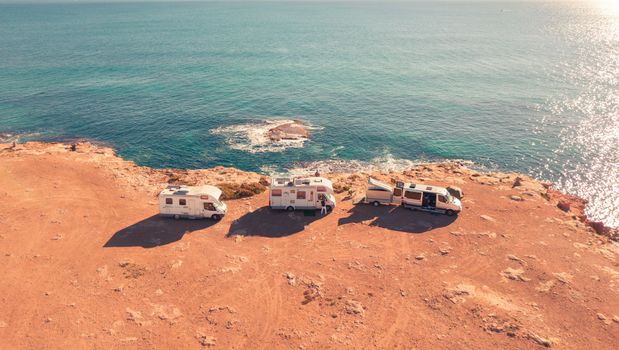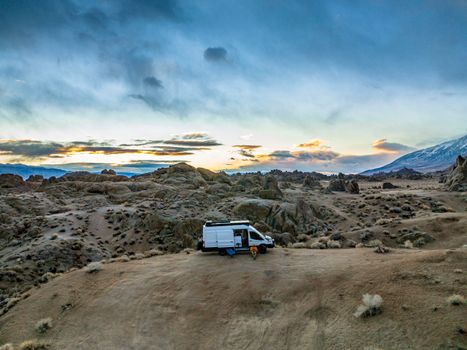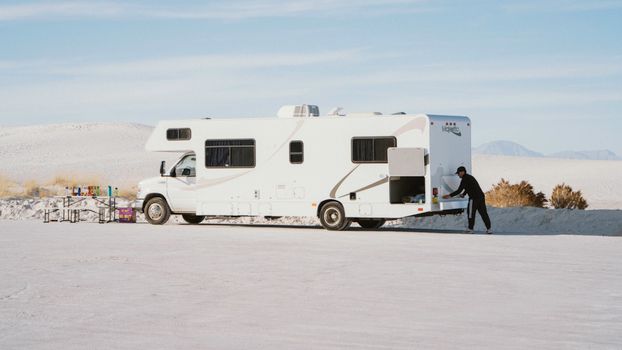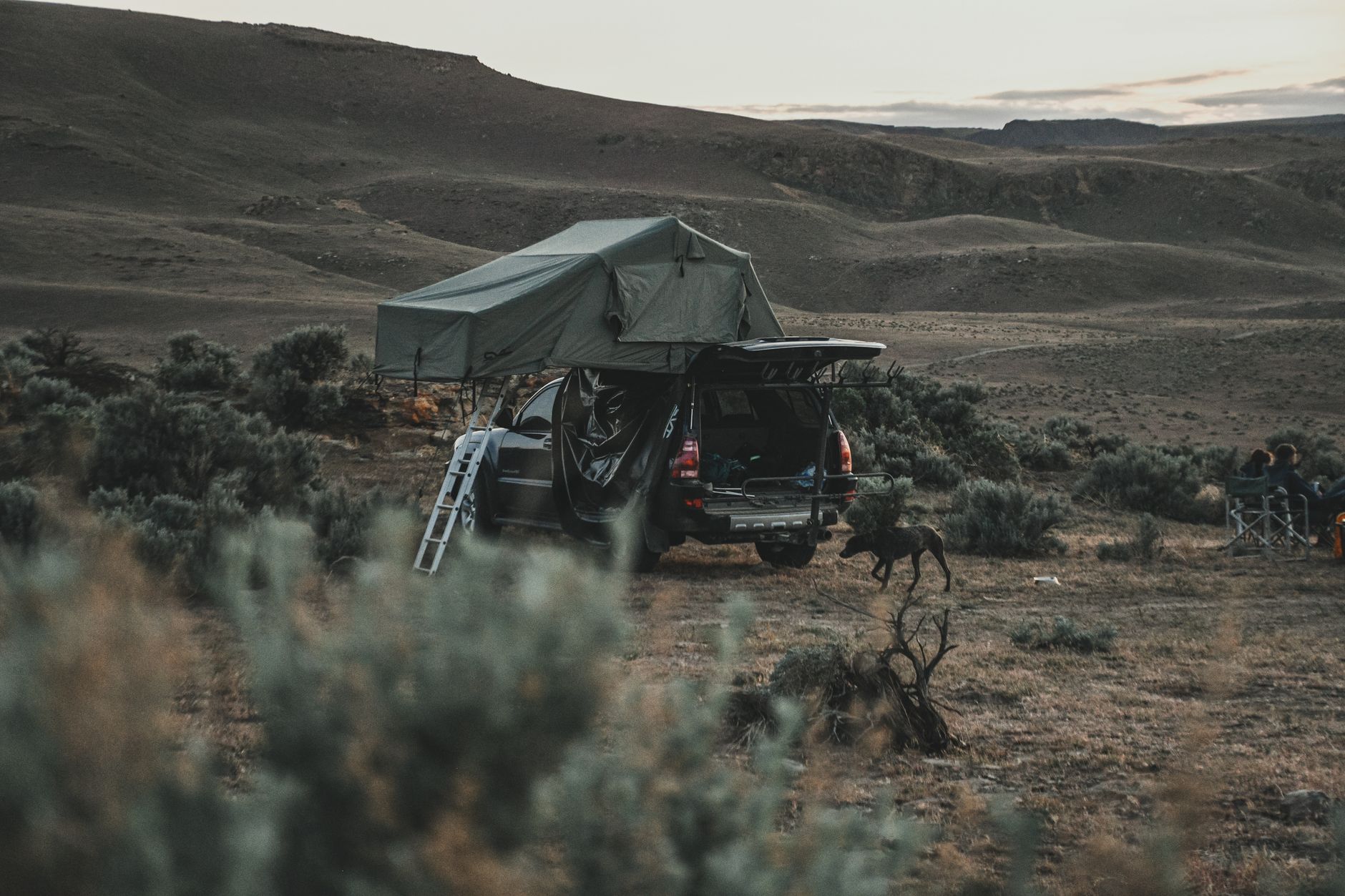
The crisp morning air kissed my face as I unzipped my tent. Outside, a panorama unfolded that stopped me in my tracks: towering red rock formations glowed under the first rays of sun, a vast, silent canyon stretching out before me, empty save for the occasional scrub brush and the distant cry of a hawk. No RV park, no crowded campground, just me, my humble tent, and one of the most magnificent views I’d ever witnessed. And the best part? It cost me absolutely nothing.
That morning, somewhere deep on Bureau of Land Management (BLM) land near Moab, Utah, solidified my obsession with free camping. For years, I’d chased the perfect view, the deepest silence, the most profound connection with nature – often paying a hefty price for a cramped spot next to someone else’s generator. But then I discovered the secret: a vast network of public lands where you can pitch your tent, park your rig, or roll out your sleeping bag for free, often in locations that put paid campgrounds to shame.
This isn’t just about saving money (though that’s a huge perk!). It’s about freedom. It’s about waking up to a billion-star ceiling, hiking directly from your doorstep, and truly immersing yourself in the wild. It’s about experiencing places so incredible, so untouched, that they feel like a secret shared only with the adventurous few.
Ready to trade your tent for a view and your wallet for true freedom? Here are 7 free camping spots in incredible locations you absolutely need to experience before you die, along with my personal insights and the practical advice you'll need to make them a reality.
The Art of Free Camping: A Quick Primer
Before we dive into specific locations, let’s quickly cover the "how." Most free camping, often called "dispersed camping" or "boondocking," occurs on public lands managed by the Bureau of Land Management (BLM) or the U.S. Forest Service (USFS). These lands are typically undeveloped, meaning no picnic tables, no fire rings (unless you build your own responsibly), and definitely no flush toilets. This is raw, unfiltered nature – and it’s glorious.
Key principles for free camping:
1. Leave No Trace: Pack it in, pack it out. This means everything, including human waste (bury it 6-8 inches deep, 200 feet from water/trails, or pack it out).
2. Know the Rules: Always check local regulations for fire bans, camping limits (usually 14 days), and specific restrictions.
3. Be Self-Sufficient: Bring all your water, food, and supplies. There are no services.
4. Respect the Land: Camp on durable surfaces, avoid sensitive ecosystems, and leave the area better than you found it.
Now, let's explore some truly epic spots!
---
1. The Red Rock Majesty of Utah’s BLM Lands (Near Moab & Capitol Reef)
Why it’s incredible:
Imagine waking up surrounded by an alien landscape of towering red rock formations, deep canyons, and endless desert vistas. Utah’s BLM lands offer some of the most dramatic and accessible free camping in the United States. Near adventure hubs like Moab and Capitol Reef National Park, you can find stunning spots perched on cliffsides or nestled in valleys, far from the crowds.
My Experience:
My first taste of true dispersed camping was on a bluff overlooking the Colorado River, just outside of Moab. We arrived after dark, the Milky Way a brilliant smear across the sky, and navigated a bumpy dirt road to a flat spot. Waking up to that sunrise, the river glinting below and the vast expanse of Canyonlands National Park in the distance, felt like a scene from another planet. We spent days exploring Arches and Canyonlands, then returned to our secluded spot to cook dinner over a small fire, the silence broken only by the crackle of embers and the occasional hoot of an owl. It was pure magic.
Specifics:
* Location: Vast tracts of BLM land surround Moab (e.g., Willow Springs Road, Dalton Wells Road, areas along Hwy 279/Potash Road) and Capitol Reef National Park (e.g., Notom-Bullfrog Road, Cathedral Valley).
* Access: Mostly dirt roads, some requiring high-clearance vehicles, but many are accessible by 2WD in dry conditions.
* What to do: Hiking, mountain biking, canyoneering, stargazing, photography, exploring national parks.
* Insider Tip: Download offline maps (like Google Maps or Gaia GPS) and use apps like iOverlander or FreeCampsites.net to pinpoint exact spots and read recent reviews. Always check for fire restrictions, especially in summer.
---
2. Mountain Serenity in Colorado's National Forests (Near Silverton & Leadville)
Why it’s incredible:
Colorado’s National Forests offer an escape into the majestic Rocky Mountains, with free camping spots tucked away amidst towering peaks, alpine lakes, and dense pine forests. Think crisp mountain air, abundant wildlife, and endless trails right outside your tent.
My Experience:
One autumn, I found myself driving through the San Juan National Forest near Silverton, the aspen trees a riot of gold against the deep green pines. We pulled off the Million Dollar Highway onto a forest service road, climbing higher and higher until we found a perfect clearing with a view of snow-capped peaks. That night, a light dusting of snow fell, and I awoke to a silent, pristine white landscape. We brewed coffee as elk grazed in the distance – an unforgettable moment of pure wilderness immersion. The next day, we hiked to a glacial lake, feeling like the only people on Earth.
Specifics:
* Location: Extensive dispersed camping can be found in the San Juan, White River, Gunnison, Arapaho, and Roosevelt National Forests. Popular areas include near Silverton, Ouray, Leadville, and Breckenridge.
* Access: Forest service roads vary from well-maintained gravel to rugged, high-clearance 4x4 tracks.
* What to do: Hiking (14ers!), mountain biking, fishing, wildlife viewing, photography, scenic drives.
* Insider Tip: Many popular areas have designated dispersed camping zones, so look for signs or check with the local Forest Service ranger district. Always be bear-aware and store food properly (bear canisters/hang bags are a must!). Water sources are usually abundant, but always filter or treat.
---
3. Coastal & Forested Bliss in Oregon’s National Forests (Near Olympic National Forest, WA & Siuslaw National Forest, OR)
Why it’s incredible:
While true beachfront free camping is rare, the Pacific Northwest offers incredible free spots within a short drive of stunning coastlines, often nestled in lush temperate rainforests. Imagine misty mornings, ancient trees, and the roar of the Pacific just a short hop away.
My Experience:
On a road trip through the PNW, we found a fantastic spot in the Olympic National Forest, just a 30-minute drive from the wild, rugged beaches of the Olympic Peninsula. Our camp was deep within a moss-draped forest, the air thick with the scent of pine and damp earth. We spent our days exploring tide pools, watching storms roll in off the ocean, and marveling at the colossal ancient trees. Each evening, we returned to our quiet forest haven, the perfect contrast to the dramatic coast. It felt like living in a fairy tale.
Specifics:
* Location: Olympic National Forest (Washington) has numerous dispersed camping options. In Oregon, parts of the Siuslaw National Forest are close to the coast, and other National Forests like Willamette offer beautiful forest camping.
* Access: Forest service roads, often gravel and sometimes rough.
* What to do: Beachcombing, hiking through old-growth forests, exploring national parks (Olympic NP, Mount Rainier NP), surfing, wildlife viewing (elk, eagles).
* Insider Tip: The PNW can be wet! Be prepared for rain and damp conditions. A good tarp setup can be a lifesaver. Check for seasonal road closures, especially in higher elevations.
---
4. High Desert Wonders of Arizona (Near Sedona & Grand Canyon)
Why it’s incredible:
Arizona’s high desert offers unique beauty, with its iconic saguaro cacti, dramatic rock formations, and incredible sunsets. Free camping here means unparalleled stargazing and easy access to some of the Southwest’s most famous attractions.
My Experience:
I’ve spent countless nights boondocking on BLM land and National Forest land around Sedona. One particular spot, just off a dirt road outside of town, offered a panoramic view of the famous red rock spires. We arrived late, cooked a simple meal under a sky so thick with stars it felt like a blanket, and then watched the sunrise paint the rocks in fiery hues. It was a spiritual experience. Another time, we found a spot near the Grand Canyon’s South Rim (Kaibab National Forest) that allowed us to be at the rim for sunrise and sunset without battling the park crowds or paying for expensive lodging.
Specifics:
* Location: Vast areas of Kaibab National Forest surround the Grand Canyon. Near Sedona, Coconino National Forest offers numerous dispersed sites (e.g., Schnebly Hill Road, Loy Butte Road).
* Access: Many spots are accessible via well-maintained dirt roads, but some require higher clearance.
* What to do: Hiking, mountain biking, exploring national parks (Grand Canyon, Petrified Forest), vortex hunting in Sedona, stargazing.
* Insider Tip: Water is scarce in the desert – bring more than you think you’ll need. Be aware of flash flood risks during monsoon season (summer). Rattlesnakes and scorpions are present, so watch your step and shake out your shoes!
---
5. The Untamed Beauty of Wyoming’s National Forests (Near Grand Teton & Yellowstone)
Why it’s incredible:
Wyoming is quintessential wilderness. Its national forests provide free camping with direct access to some of the most iconic landscapes in North America, including views of the Tetons and abundant wildlife like bison, moose, and grizzlies.
My Experience:
It was a late spring evening when we pulled our van onto a forest service road in the Bridger-Teton National Forest, just outside of Grand Teton National Park. The sun was setting, casting long shadows across the valley, and in the distance, the jagged peaks of the Tetons stood sentinel. We found a secluded spot nestled among pines. The next morning, a moose ambled past our camp, oblivious to our presence, as we sipped coffee and gazed at the snow-capped mountains. It was an absolutely surreal experience, offering all the beauty of the national park without the entry fees or crowds.
Specifics:
* Location: Bridger-Teton National Forest (near Grand Teton and Yellowstone), Shoshone National Forest.
* Access: Forest service roads, some of which can be rough and require 4x4, especially in spring/early summer.
* What to do: Wildlife viewing, hiking, fishing, photography, exploring nearby national parks.
* Insider Tip: This is prime grizzly bear country. Be extremely bear-aware. Carry bear spray, know how to use it, and store all food and scented items securely in a bear-resistant container or hung from a tree. Check for seasonal road closures and bear activity alerts.
---
6. The Lush Greenery of Virginia's George Washington & Jefferson National Forests
Why it’s incredible:
The East Coast offers its own brand of free camping magic, particularly in the sprawling George Washington & Jefferson National Forests. Here, you’ll find dense deciduous forests, rolling mountains, and sections of the Appalachian Trail, providing a tranquil escape from urban life.
My Experience:
I once spent a long weekend exploring a section of the George Washington National Forest in Virginia. We found a quiet pull-off along a forest road, surrounded by a canopy of vibrant green trees. The air was humid and sweet, and the sounds of songbirds were constant. We hiked a segment of the Appalachian Trail, discovered a hidden waterfall, and spent our evenings around a crackling campfire, sharing stories and listening to the forest come alive with nocturnal sounds. It was a refreshing change of pace, offering a deep sense of peace and connection to the ancient woods.
Specifics:
* Location: Extensive areas within George Washington & Jefferson National Forests, particularly along forest service roads.
* Access: Generally well-maintained gravel or dirt roads, accessible by most vehicles.
* What to do: Hiking (Appalachian Trail access), fishing, birdwatching, exploring charming small towns, scenic drives, fall foliage viewing.
* Insider Tip: While bears are present, they are generally black bears and less aggressive than grizzlies. Still, practice bear-safe food storage. Be prepared for humidity and insects, especially in summer. Cell service can be spotty.
---
7. The Desolate Beauty of Nevada's Great Basin (Near Great Basin National Park)
Why it’s incredible:
For those who crave true solitude and vast, empty landscapes, Nevada’s Great Basin offers an unparalleled experience. Think endless horizons, incredible stargazing (it’s a dark sky country!), and the quiet majesty of a less-traveled region.
My Experience:
My most memorable Nevada free camping experience was on BLM land bordering Great Basin National Park. After exploring the park’s ancient bristlecone pines and Lehman Caves, we ventured onto a remote dirt road. We found a spot overlooking a vast, empty valley, with mountains shimmering in the distance. That night, the sky exploded with stars – the most incredible display I’ve ever seen, a true testament to the lack of light pollution. The silence was profound, almost meditative. It felt like we were at the edge of the world, alone with the cosmos.
Specifics:
* Location: Extensive BLM lands throughout Nevada, particularly near Great Basin National Park (e.g., areas off NV-Baker Road, or towards the surrounding mountain ranges).
* Access: Mostly dirt roads, often well-graded but can become muddy after rain. High clearance is recommended for venturing further off main roads.
* What to do: Stargazing (Great Basin NP is an International Dark Sky Park), hiking, exploring ghost towns, photography, off-roading.
* Insider Tip: This is a very remote area. Ensure your vehicle is in good condition, carry extra fuel, and bring plenty of water. Cell service is almost non-existent in many areas, so download maps and communicate your plans.
---
Gear Up for Freedom: Essential Free Camping Kit
To truly enjoy these incredible spots, you need to be prepared. Here’s a quick checklist of essentials:
- Navigation: Offline maps (Gaia GPS, Google Maps), a physical map, and a compass. Don't rely solely on cell service.
- Shelter: A sturdy tent, sleeping bag rated for the expected temperatures, and a sleeping pad.
- Water: At least 1 gallon per person per day for drinking, plus extra for cooking and cleaning. A water filter or purification tablets are also smart.
- Food: Non-perishable, easy-to-cook meals.
- Cooking: Camp stove, fuel, pots, pans, utensils.
- Fire Safety: If fires are allowed, a shovel, water bucket, and proper fire extinguishing methods. Always check fire restrictions!
- First Aid: A comprehensive kit for minor injuries and emergencies.
- Trash Bags: For all your trash. Pack it in, pack it out.
- Human Waste Management: Trowel for catholes (6-8 inches deep, 200 feet from water/camps/trails) or a portable toilet/wag bags for sensitive areas.
- Lighting: Headlamp, lantern.
- Sun Protection: Hat, sunscreen, sunglasses.
- Bear Safety (where applicable): Bear spray, bear canister or proper food hanging system.
- Vehicle: Ensure your vehicle is well-maintained, and consider a spare tire and basic repair kit.
---
The Call of the Wild: Your Next Free Adventure Awaits
Free camping isn't just a way to save money; it's a philosophy, a lifestyle choice for those who crave authentic, unmediated experiences in nature. It challenges you to be self-reliant, to respect the land, and to truly connect with the raw beauty of our planet. From the red rock deserts of Utah to the misty forests of the Pacific Northwest, the opportunities for incredible, budget-friendly adventures are endless.
So, what are you waiting for? Stop dreaming and start planning. Download those maps, pack your bags, and hit the road. These incredible, free camping spots are waiting to offer you an experience that will stay with you long after the campfire embers have faded. Embrace the freedom, chase the views, and create memories that money simply can’t buy.
Which of these incredible free camping spots are you adding to your bucket list? Or do you have a secret favorite you’re willing to share (we promise to keep it a secret… mostly!)? Let us know in the comments below!
---