Solo Travel Gear: The Life-Changing Essentials That Fuel My Wanderlust
The first time I landed in Bangkok, alone, with a ridiculously oversized suitcase and a backpack that felt like it was designed by an enemy, I was a hot mess. I was supposed to be living out my Eat, Pray, Love fantasy, but instead, I was sweating profusely, wrestling my luggage through crowded streets, and feeling utterly overwhelmed. That trip, while still incredible, taught me a harsh lesson: solo travel isn't just about courage; it's about smart preparation.
I vowed never again to be held hostage by my gear. Over the past decade, countless flights, bus rides, treks, and unexpected detours across six continents, I’ve meticulously curated a collection of travel essentials. These aren't just "nice-to-haves"; they are the unsung heroes that have transformed my solo adventures from challenging to effortlessly exhilarating. They've boosted my confidence, kept me safe, and allowed me to truly immerse myself in every moment. Frankly, they changed my life forever.
If you're dreaming of solo escapades, or even if you're a seasoned wanderer looking to upgrade your game, bookmark this page. These are the tools that will empower you to pack smarter, explore bolder, and fall deeper in love with the world – and yourself.
---
1. The Backpack That Became My Mobile Home & Freedom Pass
Why it changed my life:
Before I met "The One," my relationship with backpacks was abusive. Straps dug in, pockets were useless, and everything was a chaotic mess. Then came the Osprey Farpoint 40L (or Fairview for women). This isn't just a backpack; it's a meticulously designed portable home that fits carry-on dimensions for most airlines.
Suddenly, gone were the days of waiting for checked luggage, paying exorbitant baggage fees, or struggling with a rolling suitcase on cobblestone streets in Rome or up countless stairs in a hostel in Lisbon. My Farpoint became my freedom pass. I remember literally sprinting through Heathrow to catch a connecting flight to Reykjavik, my backpack feeling like an extension of my body, not a burden. That feeling of agility and independence? Priceless.
Practical Tips & Details:
* Capacity: 40L is the sweet spot for solo travel – enough for 1-2 weeks of clothes (more with strategic packing) and fits most carry-on requirements.
* Key Features: Look for a full-panel zip opening (like a suitcase, not a top-loader), a padded laptop sleeve, and sturdy, comfortable hip belts and shoulder straps that can be stowed away for checked baggage (though you'll rarely need to check it!).
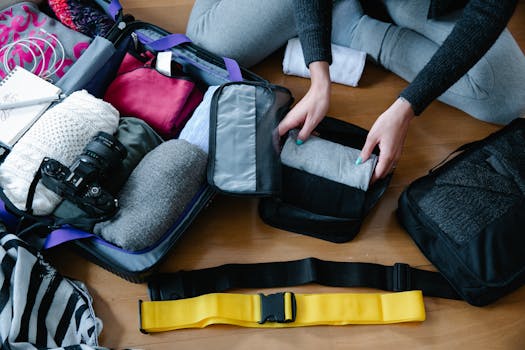
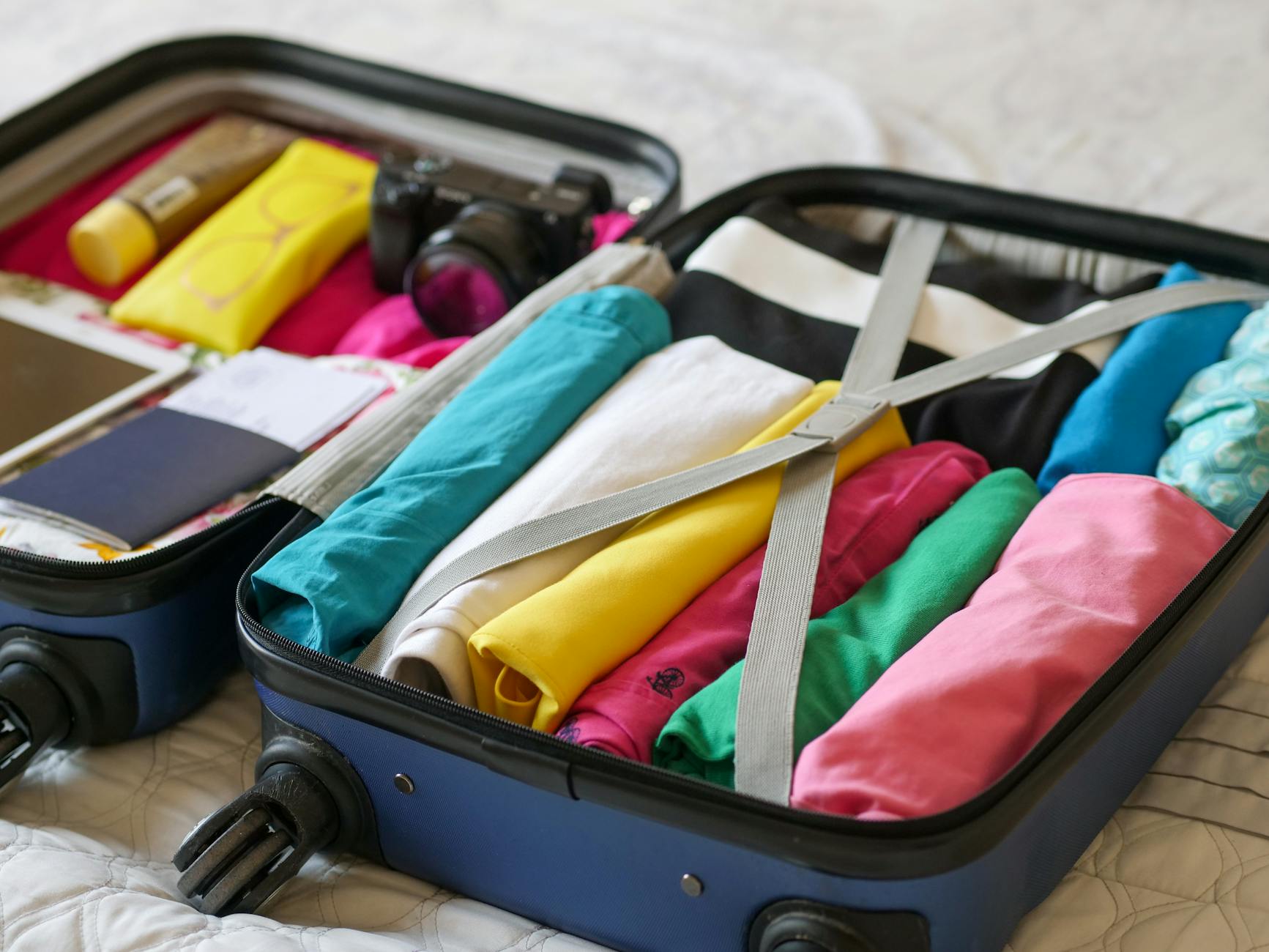
* Packing Cubes are Non-Negotiable: Invest in a good set of packing cubes. They compartmentalize your clothes, compress them, and make finding things a breeze. My favorite are from Eagle Creek – durable and come in various sizes.
* Price: Expect to pay around $160-$200 for a quality travel backpack like the Osprey Farpoint/Fairview. It's an investment, but one that pays itself back in saved baggage fees and countless moments of convenience.
---
2. My Personal Security Detail: Smart Gadgets for Unshakeable Peace of Mind
Why it changed my life:
Solo travel is empowering, but let's be real – safety is always a concern, especially for women. I used to spend nights in hostels with one eye open, wondering if my door was truly secure. These small, unobtrusive items changed that anxiety into confidence. They don't just protect my belongings; they protect my peace of mind, allowing me to fully relax and enjoy my surroundings.
One night in a dimly lit hostel in Bogotá, I heard a suspicious noise outside my door. My portable door lock was engaged, and I felt a surge of calm knowing I had an extra layer of security beyond the flimsy lock provided. The next morning, I was able to laugh it off, knowing I was prepared.
Practical Tips & Details:
* Portable Door Lock (Addalock or similar): This tiny device slips into the strike plate of almost any door, providing an extra, unpickable lock. It's a game-changer for hostel dorms, questionable Airbnb doors, or even hotel rooms where you want extra security. It costs about $15-$20.
* Personal Safety Alarm: A small, keyring-sized device that emits a piercing siren at the press of a button. I've never had to use mine aggressively, but knowing it's there for emergencies (or even just to scare off a stray dog!) is incredibly reassuring. Costs around $10-$15.
* RFID-Blocking Wallet/Money Belt: In an age of digital theft, protecting your credit card information is crucial. An RFID-blocking wallet or a discreet money belt worn under your clothes keeps your valuables safe from electronic skimming and pickpockets. My prefered is a slim, neck wallet worn under my shirt – invisible and secure. Costs $15-$30.
* AirTag/Tile for Luggage: If you do check a bag (or want to track your valuable daypack), an Apple AirTag or Tile tracker hidden inside can be a lifesaver for locating lost luggage. I found my backpack waiting on the tarmac in Guatemala after a flight diversion thanks to my AirTag!
---
3. Uninterrupted Power & Global Connection: My Digital Lifelines
Why it changed my life:
Imagine being lost in a bustling market in Marrakech, your phone battery dead, and no way to call for help or navigate. Or trying to find your way to a remote guesthouse in rural Vietnam without internet. I've been there, and it's not fun. These tech essentials ensure I'm always connected, charged, and never truly lost. They allow me to confidently explore off-the-beaten-path locations and share my experiences in real-time.
There was a time I hiked deep into the Patagonia mountains, my phone battery dwindling. Thanks to my power bank, I not only kept my navigation app alive but also captured stunning sunset photos and even video-called my family from the trail. It felt like magic.
Practical Tips & Details:
* High-Capacity Power Bank (20,000mAh+): This is non-negotiable. It should be able to charge your phone multiple times. Look for one with both USB-A and USB-C ports for versatility. Brands like Anker or Poweradd are reliable. Costs $40-$70.
* Universal Travel Adapter with USB-C: Don't just get any adapter; get one with multiple USB ports (including USB-C for fast charging modern devices) and surge protection. This means you can charge your laptop, phone, and camera all from one wall socket, no matter where you are. I use a Tessan adapter – it's compact and covers most plug types. Costs $20-$30.
* eSIM Service (Airalo, Nomad, etc.): Ditch the hassle of finding local SIM cards! An eSIM allows you to download data plans for different countries directly to your phone. It means you land, turn on your phone, and bam – you're connected. This was a game-changer for navigating airports and getting taxis right after landing in a new country. Costs vary per data plan and country.
* Offline Maps App (Google Maps, Maps.me): Always download maps of your destination before you arrive. Google Maps allows offline saving, and Maps.me is fantastic for detailed walking paths, even without data. This literally saved me from getting lost countless times, especially in areas with spotty reception or when I didn't have local data yet. Both are free.
---
4. Ultimate Comfort & Hygiene Hacks: My Portable Sanctuary
Why it changed my life:
Long bus rides, questionable hostel bathrooms, and unexpected overnight layovers used to be a source of discomfort. These items transformed those moments, allowing me to maintain a sense of normalcy and hygiene, no matter how far off the grid I was. They make even the most basic accommodations feel a little more like home, and that's invaluable for solo travelers.
I once spent 12 hours on a rickety bus winding through the mountains of Peru. My inflatable pillow meant I actually got some sleep, and my quick-dry towel allowed for a refreshing "sink shower" when we finally stopped, making me feel human again. The filtered water bottle meant I never had to worry about hydration, even in remote villages.
Practical Tips & Details:
* Quick-Dry Microfiber Travel Towel: Forget bulky cotton towels. A large microfiber towel (I prefer the brand PackTowl) dries in minutes, packs down tiny, and is incredibly absorbent. Essential for hostels or impromptu beach dips. Costs $20-$40 depending on size.
* Inflatable Travel Pillow (Trtl Pillow or similar): Ditch the U-shaped pillows that offer no support. The Trtl Pillow, or a good inflatable neck pillow, provides proper head and neck support, ensuring you can actually sleep comfortably on planes, trains, and buses. Costs $20-$50.
* Filtered Water Bottle (Lifestraw Go, Grayl Geopress): This isn't just about convenience; it's about health and sustainability. A filtered water bottle allows you to safely drink tap water in most places, saving you money on bottled water and significantly reducing plastic waste. My Lifestraw Go has been with me through jungles and deserts, always providing safe drinking water. Costs $30-$80.
* Small, Solid Toiletries: Shampoo bars, solid deodorant, and toothpaste tablets save space, avoid leaks, and sail through security. Lush is a great brand for solid shampoo/conditioner bars.
---
5. The Smart Traveler's Toolkit: Navigating & Documenting Like a Pro
Why it changed my life:
As a solo traveler, you're your own guide, photographer, and memory keeper. These tools empower me to navigate unfamiliar territories with confidence and capture stunning memories without relying on strangers. They ensure that no moment, no hidden alleyway, and no breathtaking vista goes undocumented.
I'll never forget trying to get a decent photo of myself in front of the Eiffel Tower. After many failed attempts and awkward asks, I invested in a lightweight tripod/selfie stick. Suddenly, I was getting incredible shots, perfectly framed, without bothering anyone. And my digital journal became my confidante, a place to process the intense emotions and discoveries of solo travel, ensuring I never forget the details of that sunrise over Angkor Wat or the taste of street food in Ho Chi Minh City.
Practical Tips & Details:
* Lightweight, Versatile Tripod/Selfie Stick: For solo travelers, this is a must for great photos and videos. Look for one that's compact, sturdy, and can double as a selfie stick. Many have Bluetooth remotes for easy snapping. Costs $20-$50.
* Digital Travel Journal App (Day One, Journey): While a physical journal is lovely, a digital one is always with you, searchable, and can integrate photos, location data, and even weather. I use Day One; it's like a personal time capsule, allowing me to relive moments months or years later. Most offer free versions with premium upgrades.
* Portable White Noise Machine/App: For light sleepers in noisy hostels, a small white noise machine or an app on your phone can drown out snoring, street noise, and early morning departures, ensuring a restful night's sleep. The LectroFan Micro is a great portable option. Costs $20-$40.
* Headlamp/Small Flashlight: Essential for navigating dark hostel dorms without waking others, finding your way back to your accommodation at night, or exploring caves. A headlamp keeps your hands free. Costs $10-$25.
---
6. The Capsule Wardrobe Revolution: Pack Less, Experience More
Why it changed my life:
My early travel days were plagued by overpacking, "what if" outfits, and the constant burden of a heavy bag. Discovering the power of a versatile capsule wardrobe was a revelation. It allowed me to shed unnecessary weight, simplify my choices, and always feel prepared, whether I was hiking a volcano in Guatemala or dining in a nice restaurant in Paris. The freedom of having everything I need in a small bag is truly liberating.
I once spent three weeks exploring New Zealand, from snowy mountains to sunny beaches, with just my Farpoint backpack. My merino wool base layers kept me warm on chilly hikes and surprisingly cool on warmer days, while my quick-dry pants transitioned seamlessly from trekking to town. Laundry became a quick sink-wash-and-hang affair, drying overnight. This minimalist approach meant I spent zero time worrying about clothes and all my time experiencing the incredible landscapes.
Practical Tips & Details:
* Merino Wool Clothing: This fabric is a solo traveler's dream. It's naturally odor-resistant (you can wear it for days without washing!), temperature-regulating (warm in cool, cool in warm), quick-drying, and lightweight. Invest in a few merino t-shirts, long-sleeved tops, and maybe even underwear. Brands like Icebreaker or Smartwool are excellent. Costs $50-$100 per item, but they last forever.
* Quick-Dry Travel Pants/Shirts: Look for synthetic blends that are lightweight, wrinkle-resistant, and dry fast. Brands like Prana, Columbia, or Fjallraven offer great options that look stylish enough for city exploration but are rugged enough for adventure. Costs $60-$120.
* Packable Down Jacket/Rain Shell: A lightweight, compressible down jacket or a waterproof-breathable rain shell (or both, depending on climate) is crucial for layering. It provides warmth or protection without taking up much space. Uniqlo's Ultra Light Down is a budget-friendly favorite, while Patagonia offers premium options. Costs $50-$200+.
* Versatile Footwear: Limit yourself to two pairs: comfortable walking shoes (e.g., sneakers like Allbirds or trail runners) and versatile sandals or minimalist flats that can dress up or down. Make sure they are broken in before your trip.
---
Ready to Transform Your Solo Adventures?
Solo travel is an incredible journey of growth, self-discovery, and unparalleled freedom. But it's also a journey best undertaken with the right allies. These pieces of gear aren't just inanimate objects; they are extensions of my adventurous spirit, enabling me to push boundaries, embrace the unknown, and truly live in the moment. They empower me to be resourceful, confident, and prepared for anything the road throws my way.
My gear didn't just change my trips; it changed me. It allowed me to shed anxieties, embrace spontaneity, and truly understand what it means to be self-reliant. So, whether you're planning your first solo adventure or your tenth, I urge you to consider these life-changing essentials. They will not only lighten your load but also elevate your entire travel experience.
What's your go-to piece of solo travel gear that you can't live without? Share your wisdom in the comments below! And if this post inspired you, hit that share button and let's spread the solo travel love!
---