The Real Deal: Unlocking Free Camping in Incredible, Influencer-Proof Locations
I remember the first time I stumbled upon true dispersed camping. It was deep in a national forest, somewhere between a dusty dirt road and a shimmering mountain lake in Colorado. We’d been driving for hours, chasing a sunset we hoped would be epic, but every established campground was either full, booked months in advance, or charging an arm and a leg for a sliver of space next to an RV blasting country music. My partner, Alex, was getting frustrated, and I was about to give up and just find a sketchy motel.
Then, we took a gravel turn-off I’d only vaguely marked on an old paper map. The road narrowed, trees closed in, and just as we were about to question our sanity, the forest opened up into a clearing. And there it was: a perfect, flat spot, nestled amongst towering pines, overlooking a valley that glowed orange and purple as the sun dipped below the peaks. There was no fee, no check-in, no neighbors. Just us, the whispering wind, and a sky full of stars so bright I felt like I could reach out and pluck them. That night, sipping lukewarm coffee as the first rays of dawn painted the mountains, I realized something profound: this was the true essence of travel. This was the adventure influencers don't show you, because it’s not sponsored, it’s not a perfectly curated glamping experience, and frankly, it’s too good to overshare.
Welcome, fellow adventurers, to the world of free camping – a realm of unparalleled beauty, solitude, and budget-friendly exploration that will redefine your road trips. Forget the overcrowded state parks and the expensive private campgrounds. We're talking about legitimate, legal, and absolutely stunning spots that are yours for the taking, if you know where to look. And trust me, once you experience it, you'll never go back.
---
The Magic of "Free": Why Boondock Beyond the Grid
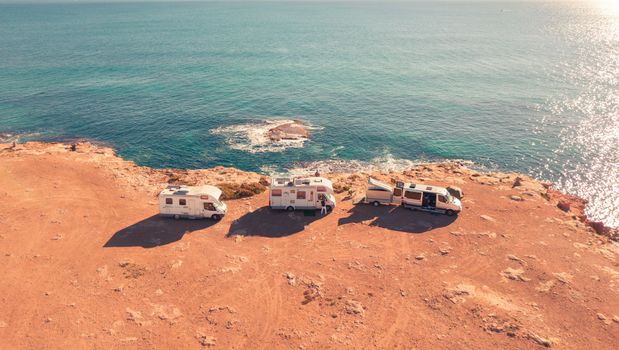
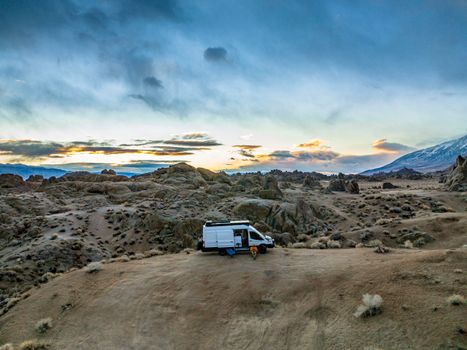
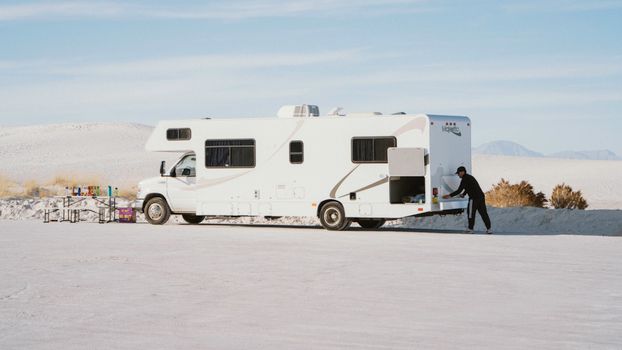
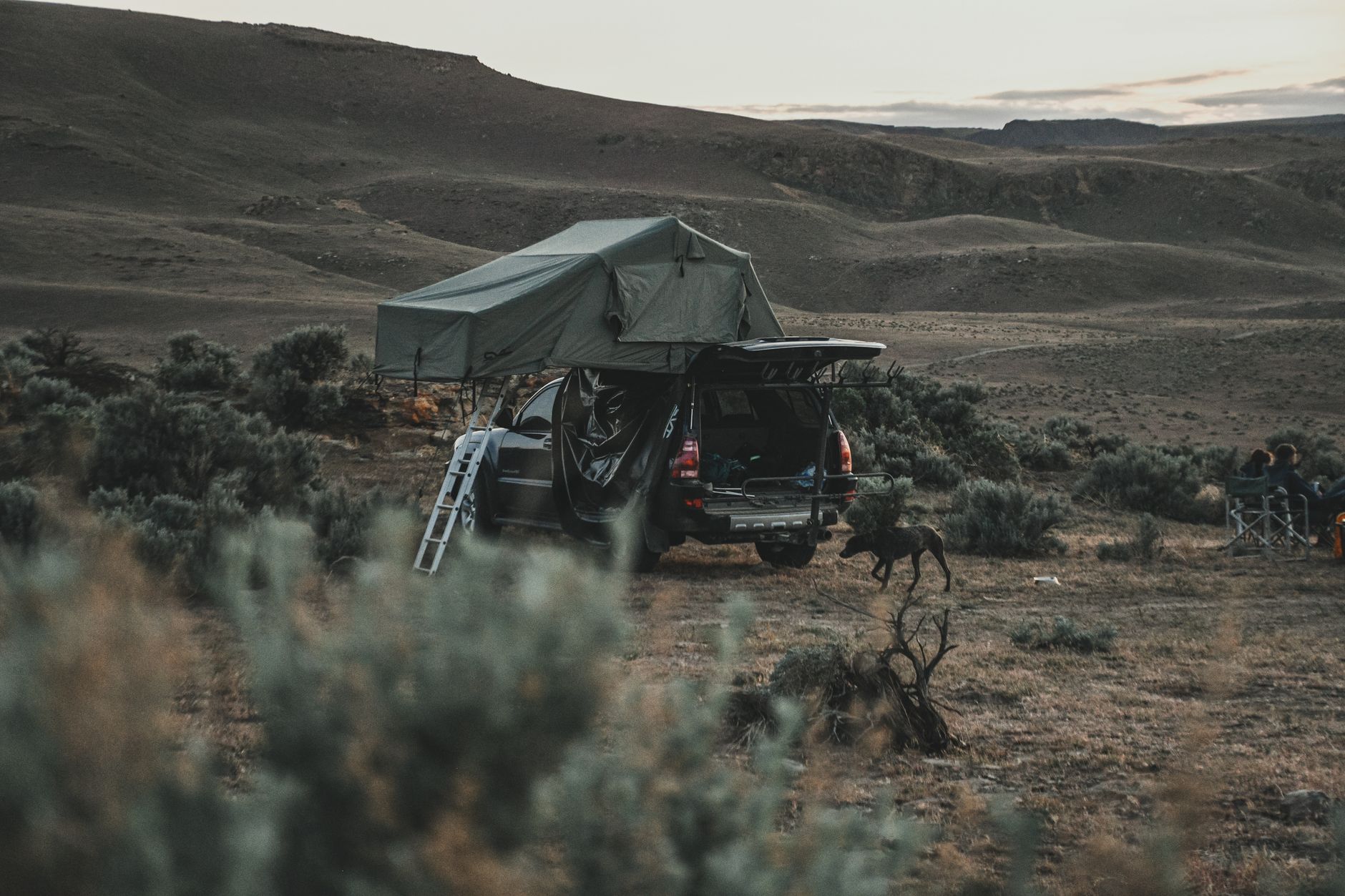
So, what exactly is free camping, or as seasoned travelers call it, "dispersed camping" or "boondocking"? It's essentially camping outside of designated campgrounds, usually on public lands like National Forests or Bureau of Land Management (BLM) land. It's primitive, meaning no picnic tables, no fire rings (unless built by previous campers and allowed), and definitely no flush toilets or hookups. You're completely self-sufficient.
And that, my friends, is its greatest charm.
Why choose free camping over a paid site?
- Unbeatable Views & Solitude: This is the big one. While paid campgrounds often pack you in like sardines, free spots offer space, privacy, and views that could grace the cover of any travel magazine – without the crowds. Imagine waking up to a panoramic desert sunrise, the sound of a distant river, or the sight of elk grazing just beyond your tent. These are the moments that truly stick with you.
- Cost Savings (Duh!): This is a game-changer for budget travelers, van lifers, and anyone trying to stretch their travel funds further. Eliminating nightly camping fees (which can range from $15 to $50+) means more money for experiences, gas, or that extra delicious local meal.
- True Wilderness Immersion: Free camping forces you to connect with nature on a deeper level. You're responsible for your own waste, water, and safety. It's challenging, empowering, and incredibly rewarding. You learn to appreciate the simple things and develop a profound respect for the environment.
- Flexibility & Spontaneity: No reservations needed! While it's always good to have a few potential spots in mind, you can often find a place to pull over and set up camp with minimal planning. This opens up incredible possibilities for spontaneous detours and extended stays in places you fall in love with.
- The "Influencer" Factor (or lack thereof): Many free camping spots are simply not conducive to the curated, sponsored content often seen on social media. They require effort, self-sufficiency, and often don't have cell service for live-streaming. This keeps them pristine, less crowded, and truly authentic. It's the anti-Instagram experience that ironically, becomes the most Instagrammable experience because it's so real.
---
Your Free Camping Toolkit: Essentials for Wilderness Success
Before you head out to chase those hidden gems, remember that free camping demands preparation. You're on your own, so being self-sufficient is key.
- Leave No Trace (LNT) Principles: This isn't just a suggestion; it's a sacred pact. Pack out everything you pack in. Yes, that means your trash, food scraps, and even human waste (more on that below). Respect wildlife, stay on durable surfaces, and minimize campfire impacts. Your goal is to leave the spot better than you found it.
- Water, Water, Water: You won't find spigots out here. Carry more water than you think you need for drinking, cooking, and basic hygiene. A reliable water filter or purification tablets are also smart backups.
- Waste Management:
- Trash: Bring sturdy trash bags and pack out every single wrapper, bottle, and crumb.
- Human Waste: Dig a cathole 6-8 inches deep and at least 200 feet from water sources, trails, and campsites. Pack out all toilet paper. Consider a portable wag bag system for sensitive areas.
- Greywater: For washing dishes (use biodegradable soap!), collect your greywater and disperse it away from water sources.
- Power & Light: A headlamp is non-negotiable. If you're in a van or RV, solar panels are a game-changer. Portable power banks are great for charging phones and small devices.
- Safety First:
- First Aid Kit: A comprehensive one, always.
- Navigation: Download offline maps (Google Maps, Gaia GPS) and bring a paper map and compass as backup. Cell service is often non-existent.
- Bear Spray/Wildlife Precautions: Store food in bear-resistant containers or your vehicle. Know what wildlife is in the area and how to react.
- Fire Safety: Check local fire restrictions before you even think about building a campfire. Always have water nearby to fully extinguish it. Better yet, consider a propane fire pit.
- Tell Someone: Let a trusted friend or family member know your general itinerary and when you expect to be back in cell service.
- Appropriate Vehicle: While many spots are accessible by 2WD, some of the truly incredible ones require higher clearance or 4x4. Know your vehicle's limits and don't push it. Getting stuck miles from civilization is no fun.
---
Decoding the "Where": Finding Your Hidden Oasis
This is the secret sauce. Free camping isn't just "anywhere." It's specifically permitted on certain public lands. The trick is knowing which lands and how to identify suitable spots.
- Bureau of Land Management (BLM) Land: BLM manages vast tracts of public land, primarily in the western US. Much of it is open to dispersed camping for up to 14 days in a 28-day period. Look for signs indicating "Public Land" or "BLM."
- National Forests: Similar to BLM land, most National Forests allow dispersed camping unless otherwise specified (e.g., near developed recreation areas, wilderness areas, or private property). Again, typically a 14-day limit.
- Apps & Websites (Your Digital Treasure Map):
- iOverlander: This is the holy grail for many boondockers. User-generated content means you get real-time reviews, photos, and GPS coordinates for free (and paid) campsites, water sources, and dump stations.
- FreeCampsites.net: Another excellent resource, similar to iOverlander, with a focus purely on free sites.
- The Dyrt (Pro Version): While the free version is good, the Pro version allows offline map downloads and filters specifically for dispersed camping, making it invaluable when you lose service.
- Campendium: Great for filtering by "free" and reading reviews.
- Satellite Maps (Google Earth/Maps): Once you've identified a general area (e.g., a specific National Forest or BLM district), switch to satellite view. Look for faint dirt roads branching off main roads, clearings, or flat spots that look like they could accommodate a vehicle or tent. This is where the real detective work begins!
- Ranger Stations: Don't underestimate the power of local knowledge. Call or stop by a Ranger Station for the specific BLM field office or National Forest district you plan to visit. They can provide maps, current conditions, fire restrictions, and often point you towards legal and accessible dispersed camping areas. They're your best bet for avoiding private property or restricted zones.
---
Incredible Locations: My Personal Stash of Gems (and How to Find Yours)
I'm not going to give you exact GPS coordinates (that would defeat the purpose of "influencers don't want you to know" and lead to overcrowding). Instead, I'll point you to regions and types of spots, along with my own experiences, so you can hone your own treasure-hunting skills.
1. The Red Rock Wilderness: Around Moab, Utah (BLM Land)
- My Experience: Picture this: waking up in my van, peeking out the back doors, and seeing the iconic red rock formations of Canyonlands National Park glowing in the sunrise, all from my "backyard." No crowds, just the vastness of the desert and the occasional jackrabbit. We spent days hiking, mountain biking, and then retreating to our own private slice of heaven, stargazing under an impossibly dark sky. The silence was profound.
- What Makes it Incredible: Unparalleled access to world-class national parks (Arches, Canyonlands), stunning red rock scenery, incredible stargazing, and miles of off-road trails.
- How to Find Similar Spots: Head to the areas surrounding Moab, especially along Highway 313 (Potash Road) or towards the La Sal Mountains. Look for BLM land boundaries on your maps. Many dirt roads branch off the main highways; explore these responsibly. Use iOverlander to see what others have found in the region. Remember, "dispersed camping is allowed on most BLM lands in Utah unless otherwise posted."
- Pro Tip: Roads can be washboarded and dusty. High clearance is recommended for some of the best spots. Be mindful of flash floods during monsoon season.
2. Alpine Majesty: San Juan National Forest, Colorado (National Forest)
- My Experience: This is where Alex and I had our fateful first free camping experience. We later returned to the Molas Pass area near Silverton. After a grueling hike up to an alpine lake, we found a perfect pull-off just off a forest service road. The air was crisp, the scent of pine was intoxicating, and the views of jagged peaks were straight out of a postcard. We cooked dinner over a small, contained fire (after checking restrictions!) and watched the alpenglow paint the mountains. It felt like we had the entire wilderness to ourselves.
- What Makes it Incredible: Towering mountains, pristine alpine lakes, dense forests, incredible hiking, and cooler summer temperatures.
- How to Find Similar Spots: Focus on Forest Service roads branching off scenic byways like the San Juan Skyway (US-550) or near towns like Ouray, Silverton, and Telluride. Check the National Forest website for specific district maps. Ranger stations are your best friend here; they can tell you which roads are open and suitable for dispersed camping.
- Pro Tip: Mountain weather changes rapidly. Be prepared for cold nights, even in summer. Some roads are impassable in winter without specialized vehicles.
3. Coastal Forest & Wilderness: Olympic National Forest, Washington (National Forest)
- My Experience: We wanted to explore the Olympic Peninsula's rugged coast and rainforests without the hefty price tag of campgrounds in the national park. We found a gem just outside the park boundary, deep within the Olympic National Forest. Our camp was a secluded clearing surrounded by towering old-growth trees, the air thick with the smell of damp earth and moss. We could hear the distant roar of the Pacific Ocean and spent our days hiking through misty forests and exploring wild beaches, returning to our quiet haven each evening.
- What Makes it Incredible: Proximity to stunning coastal landscapes, temperate rainforests, and a sense of ancient wilderness.
- How to Find Similar Spots: Look for Forest Service roads that spiderweb through the Olympic National Forest, particularly on the western and northern sides of the peninsula. Consult the Olympic National Forest website and visitor centers for maps and regulations. Areas around Lake Quinault or Forks can be good starting points.
- Pro Tip: It rains a lot here! Be prepared for wet weather. A tarp setup is a good idea. Bug spray is essential during warmer months.
4. Desert Oasis: Anza-Borrego Desert State Park, California (State Park - with free camping!)
- My Experience: This is a fantastic exception to the "National Forest/BLM only" rule. Anza-Borrego allows free primitive camping in much of its vast wilderness. We drove our van down a sandy wash (4x4 was helpful here!) and found a perfectly flat spot surrounded by ocotillo and cacti. The silence was absolute, broken only by the occasional rustle of desert creatures. The night sky was a dazzling display of stars, and the sunrise painted the desert in hues of pink and gold. It felt like we were on another planet.
- What Makes it Incredible: Incredible desert landscapes, unique geological formations, spring wildflowers (if timed right), and phenomenal stargazing. It's also a state park that allows free camping, which is rare.
- How to Find Similar Spots: Anza-Borrego is massive. Check the park's official website for maps and regulations on primitive camping zones. Many washes and dirt roads are open for camping, provided you're off the main roads and respecting sensitive areas.
- Pro Tip: Desert camping means extreme temperatures. Be prepared for very hot days and surprisingly cold nights. Carry plenty of water and be aware of soft sand and washouts.
---
The Unwritten Rules: Etiquette for Free Campers
Being a responsible free camper means more than just following the law; it means being a good steward of these precious lands.
- Leave No Trace, Always: I can't stress this enough. If everyone adopted LNT, these spots would remain pristine forever. Pack it in, pack it out. Period.
- Respect Private Property: Public lands often border private property. Pay attention to signs, fences, and maps to avoid trespassing.
- Minimize Impact: Try to camp on existing disturbed areas if possible, rather than creating new ones. Keep your camp compact.
- Quiet Hours (Even When Alone): While there are no official quiet hours, be mindful of noise, especially if another camper is within earshot (rare, but it happens). Generators are generally frowned upon unless absolutely necessary and used sparingly.
- Campfire Discipline: Only have fires where permitted, and always ensure they are completely out – cold to the touch – before leaving. Use existing fire rings if available.
- Pet Etiquette: Keep pets leashed and clean up after them diligently. Wildlife can be sensitive to domestic animals.
- Stay Limits: Adhere to the 14-day (or whatever the local limit is) stay limit. This prevents long-term squatting and allows the land to recover.
- Be Prepared to Move: Sometimes a spot might be taken, or you might find it unsuitable. Have backup plans and be flexible.
---
Making it Instagram-Worthy (Responsibly!)
Yes, I know, I said influencers don't want you to know. But we're all human, and when you're surrounded by such breathtaking beauty, it's natural to want to capture it. The key is to do it responsibly and ethically.
- Focus on the Experience, Not Just the Location: Instead of geotagging the exact coordinates of your hidden gem, focus on sharing the feeling of being there. Show your tent bathed in morning light, your coffee mug overlooking a vast canyon, or the sheer joy on your face as you explore.
- Use Broad Geotags: Tag the general National Forest or BLM district, or even the state. This inspires others to explore the region without pinpointing a specific, sensitive spot.
- Educate and Inspire: Use your captions to share LNT principles, tips for finding free spots, or advice on being a responsible traveler. Encourage your followers to discover their own hidden gems.
- Embrace the Imperfect: Free camping isn't always picture-perfect. Show the dirt, the challenges, and the raw beauty. Authenticity resonates far more than a perfectly staged shot.
- Use Hashtags Wisely: #FreeCamping, #Boondocking, #VanLife, #DispersedCamping, #BudgetTravel, #TripsoraAdventures – these are great for connecting with the community without revealing too much.
---
Your Adventure Awaits: Go Forth and Explore!
The world of free camping is a gateway to unparalleled adventure, profound connection with nature, and significant savings on your travel budget. It’s a chance to escape the noise, the crowds, and the perfectly curated experiences, and instead, craft your own authentic journey.
It takes a little effort, a commitment to responsible travel, and a willingness to step off the beaten path, but the rewards are immeasurable. The sunsets are brighter, the stars are clearer, and the sense of freedom is intoxicating.
So, what are you waiting for? Grab your maps, download those apps, pack your bags (and your trash bags!), and start planning your next great escape. The incredible, influencer-proof locations are out there, waiting for you to discover them.
What's your favorite tip for finding free camping, or a memorable experience you've had? Share your stories (responsibly!) in the comments below! And don't forget to tag #TripsoraAdventures when you share your own stunning, secret finds!
---