Your Ticket to Unforgettable Views (Without the Price Tag): Trending Free Camping Spots You Need to Explore!
Remember that time I woke up to a sunrise painting the Utah desert in hues of orange and pink, the only sound the gentle hum of my portable coffee maker? Or the crisp morning air in the Scottish Highlands, mist clinging to ancient peaks, as I brewed tea beside a remote loch? These weren't scenes from a luxury resort; they were moments of pure, unadulterated freedom, experienced from my humble tent or van, and costing me exactly zero dollars for the "accommodation."
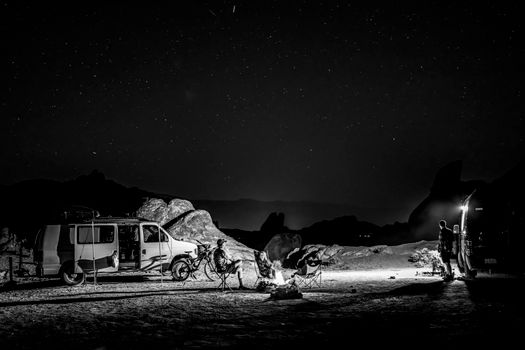
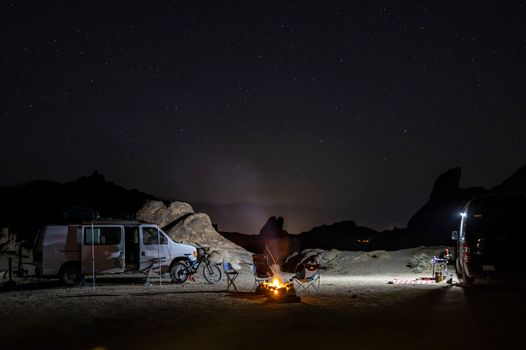
For years, I've chased sunsets, starry nights, and the thrill of the open road, and one of my biggest secrets to sustainable, long-term travel has been mastering the art of free camping. It’s more than just saving money; it’s about finding solitude, connecting deeply with nature, and discovering places far beyond the beaten path. And trust me, the trend is exploding right now! From van lifers to weekend warriors, everyone's looking for that perfect, pristine spot.
So, buckle up, fellow adventurers! I’m about to pull back the curtain on some of the most incredible, trending free camping spots I’ve personally explored (and some that are high on my list!), packed with practical tips to make your next budget-friendly adventure unforgettable.
The Call of the Wild (and Wallet-Friendly) – Why Free Camping is Exploding
Let's be honest, travel can get expensive, fast. Campsite fees, especially in popular areas, can quickly add up, eating into your adventure budget. Enter free camping – the ultimate game-changer. It’s not just about saving cash; it’s about:
- Unparalleled Freedom: No reservations, no check-in times, no noisy neighbors (usually!). You pick your spot, set up camp, and let the wild be your backyard.
- Deeper Connection to Nature: Free spots are often in more remote, undeveloped areas, offering pristine wilderness experiences, incredible stargazing, and abundant wildlife encounters.
- Flexibility & Spontaneity: Road tripping becomes an art form. You can linger longer in places you love or move on at a moment's notice, following the weather or your wanderlust.
- Community: Believe it or not, there's a thriving community around free camping, especially among van lifers and overlanders. Apps like iOverlander and Campendium are goldmines for finding spots and connecting with fellow travelers.
But what exactly is free camping? In the USA, it often means dispersed camping on public lands managed by the Bureau of Land Management (BLM) or in National Forests. In Canada, it’s often on Crown Land. And in places like Scotland, it’s known as wild camping. Each has its own set of rules and etiquette, which we'll dive into. The golden rule, universally, is Leave No Trace. Always.
My journey into free camping started out of necessity – a shoestring budget and a burning desire to see the American West. What began as a money-saving tactic quickly became my preferred way to travel. The first time I woke up to the silence of the Arizona desert, the air cool and crisp, a blanket of stars still visible as dawn approached, I knew I was hooked. It was a feeling of profound peace and self-reliance I hadn't found in any developed campground.
1. Red Rock Rhapsody: Utah's BLM Wonderland (Moab & Beyond)
If you've scrolled through any adventure feed lately, you've seen Moab. This desert playground is a mecca for mountain biking, hiking, climbing, and off-roading, and thankfully, it's also a hotspot for incredible free camping on vast tracts of BLM land.
Why it's Trending:
Proximity to Arches and Canyonlands National Parks, iconic red rock landscapes, world-class outdoor activities, and vibrant adventure culture. It’s the quintessential American West experience.
My Go-To Spots & Tips:
* Willow Springs Road: Just north of Moab, this gravel road offers numerous pull-offs and designated sites. It's popular, so arrive early, especially on weekends. The views of the La Sal Mountains and surrounding mesas are breathtaking. I remember one evening, setting up my tent just as the last light hit the red cliffs – pure magic.
* Dalton Wells Road / Gemini Bridges Road: A bit further out, offering more solitude and stunning views. These areas often require a slightly higher-clearance vehicle, but nothing too extreme.
* Long Canyon Road: Offers dramatic canyon views and access to unique hiking.
What to Expect:
Dry, dusty conditions (pack a good mat!), incredible sunrises and sunsets, unparalleled stargazing (seriously, the Milky Way pops!), and often a friendly, adventurous vibe. Cell service can be spotty in some areas but is surprisingly good near Moab town.
Practical Advice:
* Water is Gold: There's no water out here. Bring plenty for drinking, cooking, and basic hygiene.
* Fire Restrictions: Always check local fire restrictions. Campfires are often banned, especially in summer. A portable propane fire pit is a great alternative.
* Human Waste: Pack it out or use a WAG bag system. Burying human waste is generally not sufficient in arid environments.
* Respect the Cryptobiotic Soil: Those dark, crusty patches? They're alive! Stay on established trails and roads to protect this fragile ecosystem.
2. Sierra Splendor & Starry Skies: California's Eastern Edge (Alabama Hills)
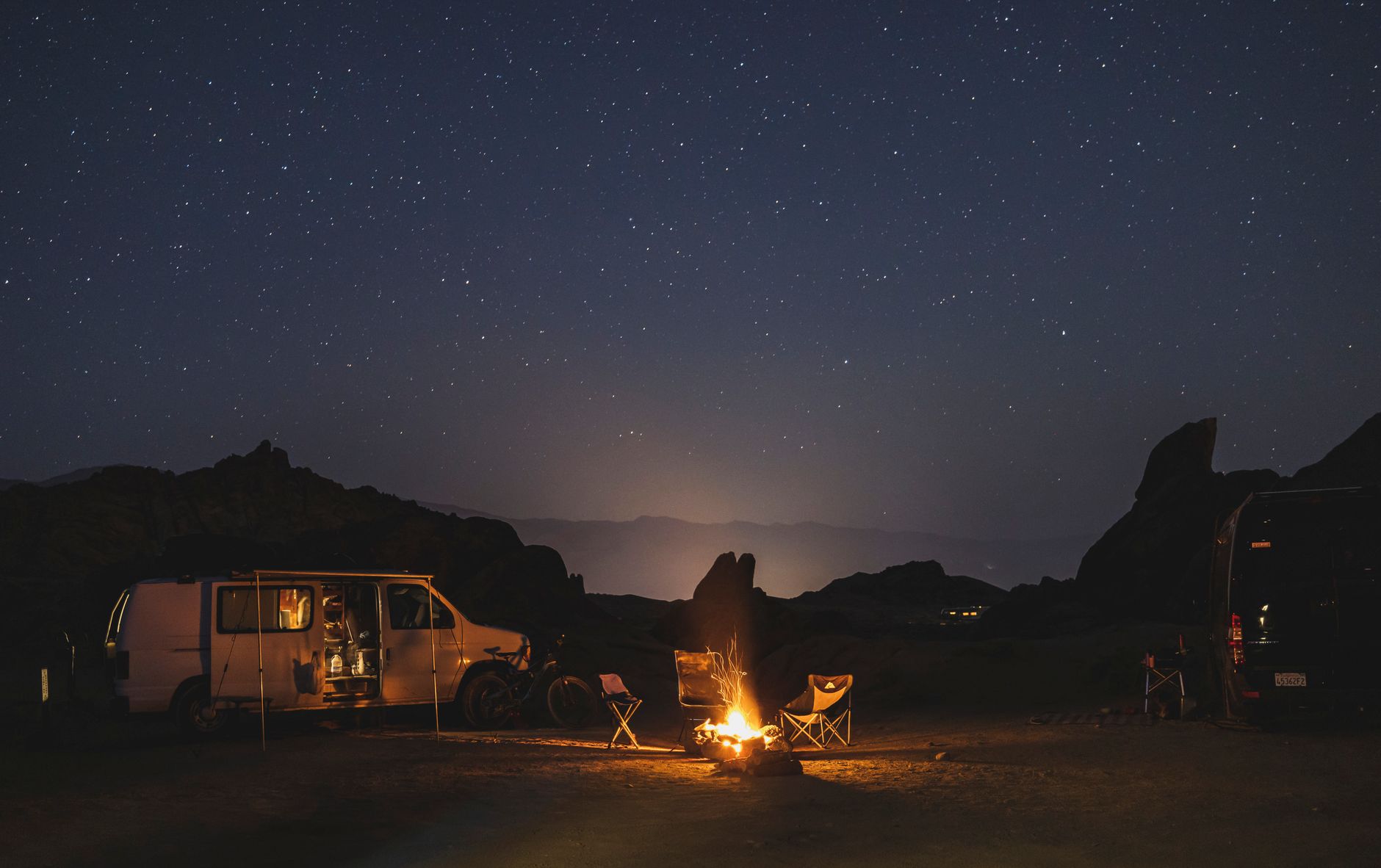
Move over, Hollywood studios! The Alabama Hills, nestled at the base of the mighty Eastern Sierra Nevada mountains near Lone Pine, California, offer a landscape so dramatic it's been featured in hundreds of films and TV shows. But beyond the movie magic, it's a paradise for free camping.
Why it's Trending:
Iconic rock formations, direct views of Mount Whitney (the highest peak in the contiguous US), proximity to Death Valley National Park, and a unique high desert landscape. It's a photographer's dream.
My Go-To Spots & Tips:
* Movie Road: The main artery through Alabama Hills, offering countless pull-offs and designated primitive campsites amongst the rounded, otherworldly rock formations. You'll often find spots nestled between boulders, offering privacy and wind protection. I once found a perfect spot with a direct view of Mt. Whitney, framed by a natural rock arch – felt like I'd won the lottery!
* Dispersed camping in Inyo National Forest: While Alabama Hills is BLM, the surrounding Inyo National Forest also offers dispersed camping along various forest roads, especially as you head further up into the mountains. These spots often provide shade and proximity to hiking trails.
What to Expect:
Rocky, sandy terrain; incredible sunrises and sunsets over the Sierras; cool nights even in summer; and the chance to explore unique rock arches and formations. Cell service is generally good closer to Lone Pine.
Practical Advice:
* Sun Protection: The high desert sun is intense. Bring hats, sunscreen, and plenty of shade.
* Explore: Don't just stay at your camp. Drive or walk the unpaved roads, find the famous movie locations, and scramble up some of the smaller rock formations for panoramic views.
* Wind: It can get windy here, so secure your tent and awning well.
* Water: Again, no services. Carry all your water.
3. Mystical Mesa Views: Arizona's Spiritual Sanctuaries (Sedona Area)
Sedona, Arizona, is renowned for its vibrant red rock formations, powerful energy vortexes, and spiritual retreats. While the town itself can be pricey, the surrounding Coconino National Forest offers stunning free dispersed camping opportunities that allow you to soak in the magic without the hefty accommodation bill.
Why it's Trending:
Unique red rock scenery, a spiritual and healing vibe, world-class hiking, and a popular destination for wellness and outdoor enthusiasts.
My Go-To Spots & Tips:
* Schnebly Hill Road: This is a classic. While the road itself can be rough (high clearance/4x4 often recommended for the upper sections), it offers incredible views overlooking Sedona and numerous pull-offs for dispersed camping. The drive alone is an adventure! I remember navigating its bumpy terrain, then pulling into a spot just as the last light hit the valley, feeling an undeniable sense of peace.
* Forest Road 525 (Loy Butte Road): West of Sedona, this area offers many dispersed sites along dirt roads. It's generally more accessible than Schnebly Hill and provides a different perspective of the red rocks.
What to Expect:
Stunning red rock views from your doorstep, often a quiet and respectful atmosphere, warm days and cool nights, and dark skies perfect for stargazing. Cell service can be decent in some areas, but spotty in others.
Practical Advice:
* Road Conditions: Always check the current conditions of forest roads, especially after rain, as they can become impassable.
* Leave No Trace, Seriously: Sedona attracts a lot of visitors. It's crucial to leave these areas cleaner than you found them to ensure continued access. Pack out all trash, including food scraps.
* Vortex Etiquette: If you're visiting the famous vortex sites, be respectful of others seeking spiritual experiences.
* Wildlife: Javelina, coyotes, and various birds are common. Store food securely.
4. Emerald Forests & Coastal Mists: Washington's Wild West (Olympic Peninsula)
Escape to a world of ancient rainforests, rugged coastlines, and glacier-capped peaks on Washington's Olympic Peninsula. While Olympic National Park has fees, the surrounding Olympic National Forest offers abundant free dispersed camping opportunities, putting you right in the heart of this lush wilderness.
Why it's Trending:
Unique temperate rainforest ecosystem, proximity to stunning Pacific Ocean beaches, diverse landscapes from mountains to sea, and a true sense of wildness.
My Go-To Spots & Tips:
* Forest Roads near Lake Crescent: Many forest roads branch off Highway 101, especially on the south side of Lake Crescent. These can lead to secluded spots among towering trees, often near streams or with filtered lake views. These spots are perfect for those who love the damp, mossy quiet of a temperate forest.
* Dispersed sites near the Hoh Rainforest access: While inside the National Park, the roads leading to the Hoh Rainforest can offer dispersed camping in the National Forest, allowing you to be close to this iconic location without the park fees for camping.
* Areas near the coast: Look for forest roads closer to the Pacific beaches (like near Forks) for a chance to combine forest camping with beach access.
What to Expect:
Lush, green surroundings; frequent rain and mist (pack accordingly!); a deep sense of solitude; and abundant wildlife (deer, elk, bears). Cell service can be very limited or non-existent in many areas.
Practical Advice:
* Rain Gear: This is the Pacific Northwest. Assume it will rain and pack waterproof everything.
* Bear Safety: Black bears are common. Store all food and scented items in bear-resistant containers or hung from a tree. Carry bear spray.
* Road Conditions: Forest roads can be rough, muddy, and sometimes require high clearance. Check the Olympic National Forest website for current conditions and closures.
* Mosquitoes/Bugs: Especially near water, bring repellent.
5. Highland Hues & Braveheart Views: Scotland's Wild Camping Dream
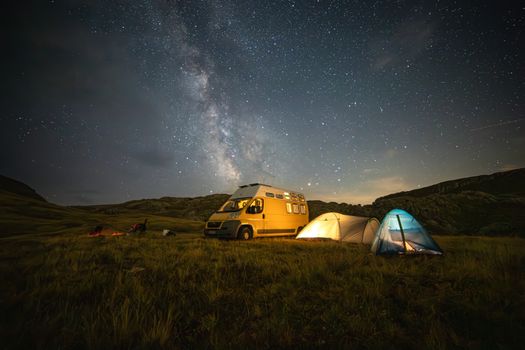
Crossing the pond for a moment, Scotland offers one of the most incredible "free camping" experiences in the world, thanks to its unique Scottish Outdoor Access Code, often referred to as the "Right to Roam." This allows for wild camping in many unenclosed areas, making it possible to pitch your tent amidst breathtaking lochs, glens, and mountains.
Why it's Trending:
Dramatic, ancient landscapes; rich history and culture; the unique "Right to Roam" ethos; and a growing interest in sustainable, immersive travel in Europe.
My Go-To Spots & Tips:
* Glencoe Valley: One of Scotland's most iconic and dramatic glens. While there are specific rules about where you can park/camp, finding a discrete spot along one of the numerous pull-offs or short tracks off the main road (A82) is possible. Wake up to mist rising from the mountains – truly unforgettable.
* Isle of Skye: Though it’s become very popular, with a bit of effort and respect for the rules, you can find incredible wild camping spots, particularly away from the main tourist hubs like Portree or the Fairy Pools. The Quiraing or areas around Elgol offer stunning, remote options.
* Cairngorms National Park: Vast and wild, this park offers endless possibilities for remote wild camping, especially if you're prepared to hike a bit.
What to Expect:
Stunning, often dramatic scenery; unpredictable weather (four seasons in a day is common!); solitude (if you choose wisely); and the infamous Scottish midges (tiny biting insects) in summer!
Practical Advice:
* Understand the Scottish Outdoor Access Code: This is crucial. Wild camping should be lightweight, done in small numbers, and for two or three nights maximum in one spot. Avoid enclosed fields, private gardens, or near roads/buildings.
* Leave No Trace is Paramount: This means absolutely no litter, no open fires near anything flammable (or at all in some areas), and packing out everything. Human waste should be buried far from water sources.
* Midges: If traveling between May and September, be prepared. Midge repellent (Smidge is popular) and a head net are highly recommended. They can ruin an otherwise perfect evening.
* Water: Many streams are potable after filtering, but always filter or treat water from natural sources.
* Respect the Landowners: While you have the right to roam, always be respectful of private property and local communities.
The Art of the Free Camp: Essential Gear & Etiquette for the Savvy Traveler
Now that you're inspired, let's talk practicalities. Free camping is incredible, but it comes with responsibilities.
Essential Gear:
- Water Storage: A reliable way to carry and store at least 1-2 gallons per person per day. A water filter (Sawyer Squeeze, Platypus Gravity) is also smart for emergencies.
- Waste Management:
- Trash: A dedicated trash bag (or several) to pack out everything you pack in.
- Human Waste: A portable toilet (cassette or compost), WAG bags, or a shovel to dig catholes (at least 6-8 inches deep, 200 feet from water/trails/camps). Pack out toilet paper.
- Portable Power: Solar panels, a portable power station (Jackery, Goal Zero), or a dual battery system for charging devices, running lights, etc.
- Navigation: Offline maps (Gaia GPS, AllTrails, Google Maps downloaded for offline use), a physical map, and a compass. Cell service is unreliable.
- First Aid Kit: Comprehensive and easily accessible.
- Shelter: A sturdy tent, rooftop tent, or reliable vehicle setup (van, truck camper).
- Cooking: A portable stove, fuel, and basic cooking gear.
- Lighting: Headlamps, lanterns, string lights.
- Appropriate Clothing: Layers are key, even in summer.
- Fire Safety: If fires are allowed, a shovel, water, and knowledge of how to build and extinguish a safe fire. A portable propane fire pit is often a safer alternative.
The Golden Rules of Etiquette & Safety (Leave No Trace is Your Mantra!):
- Plan Ahead & Prepare: Know the regulations for the area you're visiting. Check weather, road conditions, and fire restrictions.
- Travel & Camp on Durable Surfaces: Stick to established roads, trails, and existing campsites. Avoid sensitive vegetation.
- Dispose of Waste Properly: Pack it in, pack it out. This includes food scraps, toilet paper, and human/pet waste.
- Leave What You Find: Don't take souvenirs, alter natural features, or build structures.
- Minimize Campfire Impacts: Use established fire rings, keep fires small, and ensure they are dead out before leaving. Consider alternatives like stoves or propane fire pits.
- Respect Wildlife: Observe from a distance. Never feed animals. Store food securely.
- Be Considerate of Other Visitors: Keep noise levels down, especially at night. Give others space and privacy.
- Share Your Itinerary: Always tell someone where you're going and when you expect to return, especially in remote areas.
Your Next Epic Adventure Awaits!
Free camping isn't just a way to save money; it's a gateway to some of the most profound and authentic travel experiences you'll ever have. It challenges you, connects you to the raw beauty of our planet, and leaves you with memories that no five-star hotel could ever compete with.
So, what are you waiting for? Dust off your gear, plan your route, and get ready to discover the incredible, trending free camping spots that are calling your name. Your next million-dollar view doesn't need a hefty price tag – just a spirit of adventure and a commitment to protecting the wild places we all love.
Now, I want to hear from you!
What are your favorite free camping spots? Any hidden gems you're willing to share (with a promise to Leave No Trace, of course!)? Drop your tips and stories in the comments below, and let's inspire each other to explore more, spend less, and live fully!
---