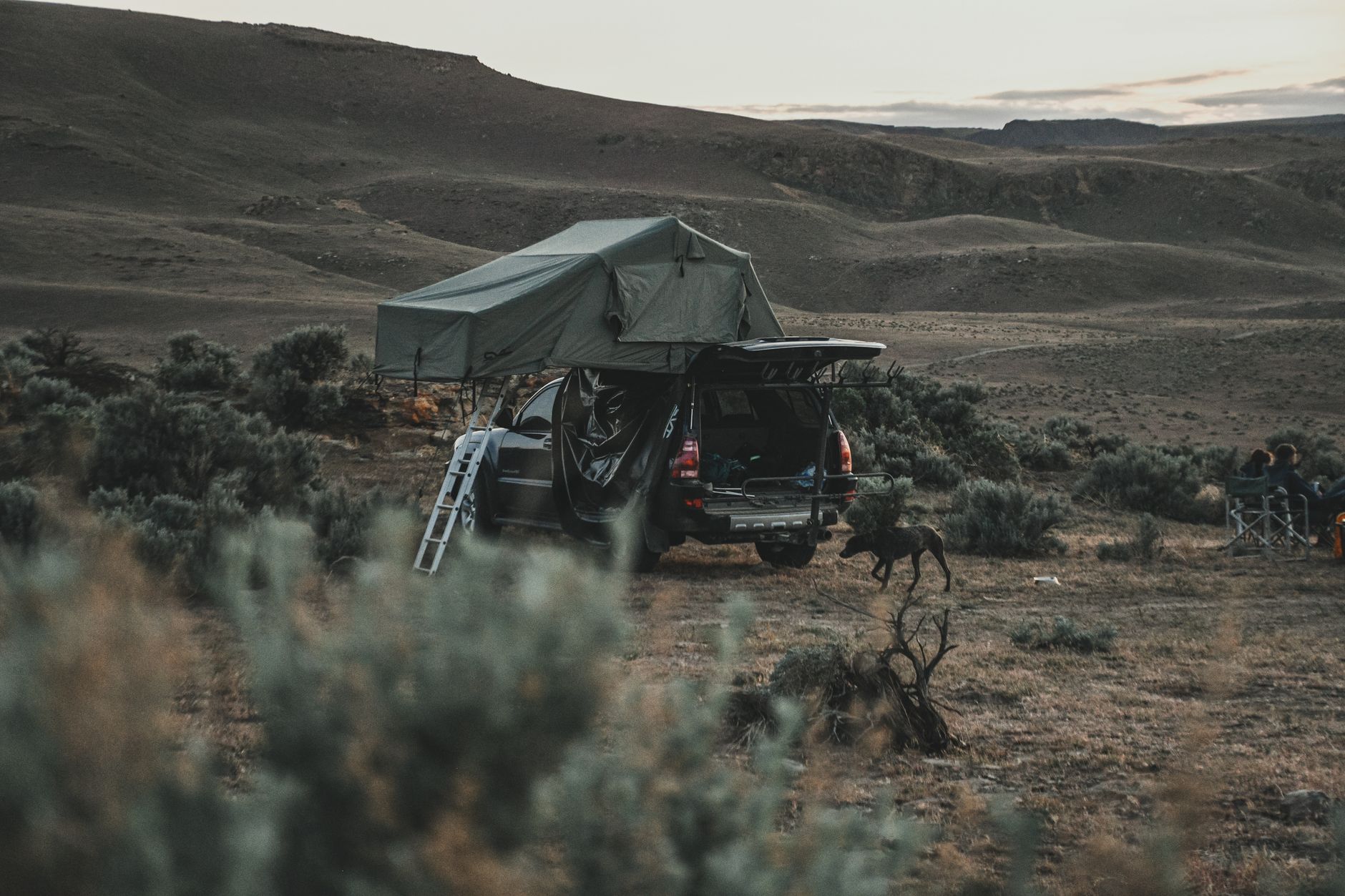
The crisp morning air bit at my cheeks, but the chill was quickly forgotten as I unzipped my tent. Before me, the vast, undulating landscape of Utah's Grand Staircase-Escalante stretched to the horizon, painted in hues of ochre, terracotta, and deep purple by the nascent sun. A lone raven soared overhead, its call echoing in the immense silence. There wasn't another soul for miles, just me, my small tent, and a panorama that felt stolen from a dream. And the best part? This million-dollar view came with a price tag of exactly zero dollars.
That morning, perched on a remote mesa on Bureau of Land Management (BLM) land, was a turning point for me. It wasn't just a campsite; it was an epiphany. Travel, I realized, didn't have to break the bank to deliver the most profound, soul-stirring experiences. In fact, some of the most incredible, Instagram-worthy locations on Earth are waiting for you, absolutely free.
Welcome, fellow adventurers, to the world of free camping – a movement, a mindset, and frankly, the ultimate hack for budget travelers and nature lovers alike. If you've ever dreamt of waking up to unparalleled natural beauty without the crowds or the fees, you're in the right place. As a seasoned road-tripper and outdoor enthusiast, I'm here to spill all the secrets, share my favorite types of spots, and arm you with the knowledge to find your own slice of paradise. Get ready to blow your mind, not your budget!
The Allure of the Unpaid Campsite: Why Free Camping Reigns Supreme
Why choose free camping over a paid campground? The reasons are as vast as the landscapes you'll discover:
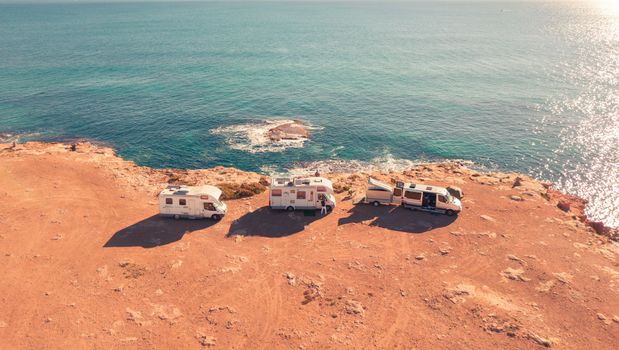
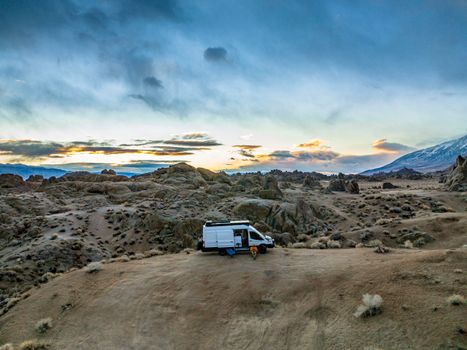
- Unrivaled Solitude and Scenery: Forget crowded RV parks or designated sites packed shoulder-to-shoulder. Free camping, often called "dispersed camping" or "boondocking," usually means finding your own spot in undeveloped areas. This translates to unparalleled peace, quiet, and views that commercial campgrounds simply can't offer. My best memories are of nights spent under a blanket of stars so thick it felt like I could reach out and touch them, far from any light pollution.
- Ultimate Freedom and Flexibility: No reservations needed, no check-in times, no strict rules beyond respecting the land. You can often stay longer (though always check local limits, usually 14 days) and move on whenever the wanderlust strikes. This flexibility is a game-changer for spontaneous road trips.
- Deep Connection with Nature: When you're truly immersed in the wilderness, without the distractions of amenities or other campers, you develop a profound connection with your surroundings. It's a chance to unplug, recharge, and truly appreciate the raw beauty of our planet.
- The Price Tag (or Lack Thereof): This is the obvious one, but it bears repeating. Saving $20-$50 a night adds up incredibly quickly, freeing up your budget for experiences, delicious local food, or that emergency tire repair (trust me, it happens!).
Of course, free camping isn't without its responsibilities. There are no picnic tables, no fire rings (unless you build your own responsibly), and definitely no flush toilets. This is raw, unadulterated camping, which means you need to be self-sufficient and committed to the cardinal rule of the outdoors: Leave No Trace.
Section 1: The Wild West of Wanderlust – BLM & National Forest Lands
When people talk about free camping in the United States, Bureau of Land Management (BLM) and National Forest lands are almost always at the top of the list. These vast swaths of public land are a treasure trove for boondockers, offering everything from high desert plateaus to dense forests and rugged mountains.
What is it?
* BLM Lands: Managed by the Bureau of Land Management, these lands are primarily found in the western U.S. (think Arizona, Utah, Nevada, California, Oregon, Colorado, New Mexico, Idaho, Wyoming, Montana). They're often characterized by open, arid landscapes, but also include forests, rivers, and mountains. Dispersed camping is generally allowed for up to 14 days within a 28-day period.
* National Forests: Managed by the U.S. Forest Service, these lands are found across the entire U.S., encompassing millions of acres of forests, mountains, and waterways. Dispersed camping is widely permitted, usually at least 150-200 feet from roads, trails, and water sources, and away from developed recreation areas.
My Anecdote:
My first foray into true dispersed camping was in the Coconino National Forest, just outside Flagstaff, Arizona. We drove down a bumpy dirt road, past towering ponderosa pines, until we found a small, level clearing. The air was cool and pine-scented. That night, a family of elk wandered through our "campsite" (a patch of dirt we'd claimed), their silhouettes majestic against the twilight sky. It felt like we were camping in a nature documentary. The sheer freedom and proximity to wildlife were unlike any campground experience I'd ever had.
How to Find These Gems:
* Official Websites: Start with the BLM and US Forest Service websites. Look for "Motor Vehicle Use Maps" (MVUMs) for National Forests; these show roads open to vehicles and often indicate areas where dispersed camping is permitted.
* Apps & Websites: iOverlander, FreeCampsites.net, and The Dyrt (free version) are invaluable resources. Users upload photos, reviews, and GPS coordinates for free spots.
* Google Maps Satellite View: Once you're in a general area, switch to satellite view and look for dirt roads or clearings that might indicate a potential site.
* Physical Maps: A good old-fashioned paper map (like those from Benchmark or National Geographic) can be a lifesaver when cell service is nonexistent. Gaia GPS and Avenza Maps allow you to download offline maps.
Pro Tip:
Always look for existing fire rings or cleared areas. This shows previous use, minimizing your impact and often indicating a good, level spot. Never create a new campsite if you can avoid it.
Section 2: Coastal Kisses & Desert Dreams – Beach & Desert Boondocking
While finding truly free beachfront camping can be challenging due to regulations and private ownership, there are incredible free spots near coastlines or in stunning desert environments that offer equally breathtaking experiences.
Coastal Adjacent Spots:
* The "Near-Coast" Sweet Spot: While direct beach camping often requires permits or fees, many coastal states (like parts of Oregon, Washington, or even Florida) have state forests, wildlife management areas, or specific BLM parcels just a short drive from the ocean. These spots offer the benefit of cool sea breezes and easy access to coastal activities without the direct beachfront price tag. Always check state-specific regulations for camping in these areas.
* Remote Estuaries & Bays: Look for public access points along less-developed coastlines, especially in the southeastern US, where tidal flats and marshy areas might offer secluded pull-offs or designated primitive sites.
My Anecdote:
One unforgettable morning, I woke up in a small, sandy pull-off just outside Cape Lookout National Seashore in North Carolina. While not on the beach, I could hear the distant roar of the Atlantic and smell the salt in the air. A short walk took me to a pristine, empty stretch of beach where I watched the sunrise paint the sky over the waves. It wasn't the iconic "tent on the sand" picture, but it was just as magical, and completely free.
Desert Boondocking:
* Vast Open Spaces: The deserts of the American Southwest are a boondocker's paradise. BLM lands dominate, offering endless opportunities to find a secluded spot amidst saguaros, red rock formations, and incredible silence. Areas around Joshua Tree National Park (outside the park boundaries), Big Bend National Park (Texas), and the Mojave National Preserve (California) are famous for their free camping.
* Starry Nights & Epic Sunrises: Desert nights are renowned for their incredible stargazing, and mornings bring dramatic sunrises that set the landscape ablaze.
My Anecdote:
Camping in the high desert near Terlingua, Texas, just outside Big Bend National Park, was an exercise in solitude. The nearest town was a ghost of its former self, and the landscape was raw and untamed. One night, a full moon rose, casting eerie shadows across the ocotillo and agave. It felt like stepping onto another planet. The silence was so profound it was almost deafening. This kind of experience is priceless.
Practical Tips for Coastal & Desert:
* Water is Gold: Especially in the desert, carry much more water than you think you'll need for drinking, cooking, and basic hygiene.
* Sun Protection: Desert sun is intense. Hats, sunscreen, and shade are crucial.
* Sand & Wind: Be prepared for sand in your tent and strong winds, especially near the coast. Secure everything!
* Wildlife: Be aware of rattlesnakes, scorpions, and other desert creatures. Near the coast, watch for bugs and tides.
* Fire Restrictions: Deserts are prone to wildfires. Always check current fire bans before even considering a campfire.
Section 3: Mountain Majesty – High-Altitude Escapes & Forested Retreats
For those who crave crisp mountain air, towering peaks, and the scent of pine, free camping in mountainous regions offers some of the most dramatic and rewarding experiences. National Forests, in particular, are your best friends here.
Where to Look:
* National Forest Backroads: Many National Forests (think the Rockies, the Sierra Nevada, the Appalachians, the Cascades) have extensive networks of gravel and dirt roads that lead to countless dispersed camping opportunities. Look for pull-offs or small clearings near trailheads, scenic overlooks, or along rivers.
* Forest Service Roads (FSRs): These are often well-maintained dirt roads that penetrate deep into the forests. Always check their status, as some may be seasonally closed or require high-clearance vehicles.
* Near Wilderness Areas: While you can't typically drive into a designated wilderness area, you can often find free spots on the fringes, providing excellent access for hiking and backpacking.
My Anecdote:
I once spent a week boondocking in the Flathead National Forest in Montana, just a stone's throw from Glacier National Park. Each morning, I'd wake to dew-kissed grass and the sound of a nearby stream, with snow-capped peaks rising majestically above the tree line. One evening, after a long day of hiking, I returned to my campsite to find a curious deer grazing peacefully just yards from my tent. It was a constant reminder of the wild beauty surrounding me, a feeling of being truly part of the landscape.
Specific Location Types (General Examples):
* Colorado's San Juan National Forest: Countless FSRs leading to stunning mountain vistas.
* California's Inyo National Forest: Gateway to the Eastern Sierra, with many free sites near iconic peaks.
* North Carolina's Pisgah National Forest: Lush Appalachian forests with river access and mountain views.
Mountain Camping Tips:
* Elevation Sickness: Be aware of the signs and acclimate slowly if coming from sea level.
* Weather Changes: Mountain weather is notoriously unpredictable. Pack layers, rain gear, and be prepared for sudden temperature drops, even in summer.
* Bear Safety: Store all food and scented items in bear-proof containers or hung from a tree. Never leave food unattended.
* Firewood: Gather dead and downed wood, but be mindful of fire restrictions. Consider bringing a small stove for cooking if fires are banned.
* Road Conditions: Some mountain roads can be rough, steep, or narrow. Check conditions beforehand and ensure your vehicle can handle them.
Section 4: Riverside Rhapsody & Lakeside Serenity – Water-Adjacent Wonders
There's something uniquely soothing about camping by water. The gentle lapping of waves, the reflection of the sky, the opportunity for fishing or paddling – it adds another layer to the free camping experience.
Where to Find Them:
* National Forest & BLM River Access: Many rivers and lakes within National Forests or on BLM lands have designated (or informal) access points that allow for dispersed camping. These are often popular with anglers, kayakers, and rafters.
* Wildlife Management Areas (WMAs) & State Forests: Some states manage lands that include rivers or lakes and permit primitive camping. Regulations vary wildly, so research is key.
* Army Corps of Engineers Lands: The ACOE manages reservoirs and waterways across the U.S. and often provides free primitive camping areas, though they can be harder to find and may have specific rules.
My Anecdote:
One spring, I found an incredible spot along the John Day River in eastern Oregon, tucked away on BLM land. The river flowed gently past my tent, and in the mornings, mist rose from the water, creating an ethereal scene. I spent my days reading, fishing (unsuccessfully, but it was still peaceful!), and watching the local wildlife. The evenings were filled with the croaking of frogs and the hoot of an owl. It was pure, unadulterated serenity.
Specific Location Types (General Examples):
* Columbia River Gorge (WA/OR): Dispersed camping spots can be found on National Forest lands adjacent to the river.
* Ozark National Forest (Arkansas): Numerous rivers and streams offer dispersed camping opportunities.
* Lake Mead National Recreation Area (Nevada/Arizona): While not entirely free, there are specific areas where primitive camping is allowed with a pass, offering incredible lake views. Always check current regulations.
Waterfront Camping Tips:
* Bug Protection: Water often means bugs, especially mosquitoes. Bring repellent, consider a screened tent, or wear long sleeves.
* Respect the Water: Keep soaps, detergents, and human waste far from water sources to prevent contamination.
* Flood Risk: Be aware of weather forecasts and potential for flash floods, especially in canyons or near rivers.
* Fishing/Boating Permits: If you plan to fish or use a boat, ensure you have the necessary licenses or permits.
Section 5: The Art of Finding Your Free Paradise – Tools & Techniques
Finding these incredible free spots isn't always as simple as pulling off the road. It requires a bit of research, some handy tools, and a spirit of adventure.
- Essential Apps & Websites:
- iOverlander: My absolute favorite. User-generated content with detailed descriptions, photos, and reviews of free and low-cost campsites, water sources, and dump stations worldwide. Invaluable for road trips.
- FreeCampsites.net: Another fantastic resource, specifically focused on free camping in North America.
- The Dyrt (Free Version): Offers a comprehensive database of campgrounds, including many free dispersed sites, with filters and user reviews.
- Campendium: Great for finding both free and paid sites, especially useful for RVers.
- Gaia GPS / Avenza Maps: Download offline maps (especially MVUMs for National Forests or BLM maps) before you lose service. These are critical for navigating remote areas.
- Government Agency Websites:
- Bureau of Land Management (BLM.gov): Look for maps and information on specific field offices.
- U.S. Forest Service (FS.usda.gov): Search for individual National Forests and their motor vehicle use maps (MVUMs).
- State Parks / State Forests Websites: Some states offer free primitive camping in designated areas.
- Google Maps Satellite View: A secret weapon! Zoom in on areas marked as National Forest or BLM. Look for faint dirt roads, clearings, or existing fire rings that indicate potential camping spots.
- "No Trespassing" Signs: These are your ultimate guide. If you see one, turn around. Otherwise, if it's public land and no "no camping" signs are present, you're usually good to go (after checking specific regulations, of course).
- Talk to Locals: Park rangers, gas station attendants, or even other campers can sometimes share insider tips on hidden gems.
Section 6: Mastering the Free Camping Ethos – Leave No Trace & Safety
The privilege of free camping comes with a profound responsibility. To ensure these incredible places remain free and beautiful for generations to come, we must all practice Leave No Trace (LNT) principles.
The 7 Principles of Leave No Trace:
- Plan Ahead & Prepare: Know the area's regulations, potential hazards, and weather. Pack appropriate gear and enough food/water.
- Travel & Camp on Durable Surfaces: Stick to existing trails and campsites. Avoid trampling vegetation.
- Dispose of Waste Properly: Pack it in, pack it out – all trash, including food scraps. Bury human waste 6-8 inches deep, at least 200 feet from water.
- Leave What You Find: Don't take souvenirs. Leave rocks, plants, and natural objects as they are.
- Minimize Campfire Impacts: Use existing fire rings. Keep fires small. Burn only dead and downed wood. Drown fires completely until cold to the touch. Better yet, use a stove for cooking if possible. Always check fire restrictions!
- Respect Wildlife: Observe from a distance. Never feed animals. Store food securely.
- Be Considerate of Other Visitors: Camp away from others. Keep noise levels down.
Safety First:
- Tell Someone Your Plans: Always inform a friend or family member of your itinerary, including where you're going, when you expect to return, and your specific camping location.
- Water: Carry ample water. If you plan to filter, have a reliable filter and backup purification method.
- First Aid: A well-stocked first aid kit is non-negotiable.
- Navigation: Don't rely solely on your phone. Bring a physical map and compass, and know how to use them.
- Vehicle Preparedness: Ensure your vehicle is in good working order. Carry a spare tire, jumper cables, and basic tools. A shovel can be a lifesaver if you get stuck.
- Wildlife Awareness: Research local wildlife and take appropriate precautions (e.g., bear canisters in bear country).
- Cell Service: Assume you won't have it. Plan accordingly. A satellite messenger (like a Garmin inReach) can be a worthwhile investment for emergencies.
Conclusion: Your Adventure Starts Now!
Free camping isn't just about saving money; it's about unlocking a deeper, more authentic way to experience our planet. It's about the thrill of discovery, the peace of solitude, and the profound connection to nature that only comes from truly immersing yourself in the wild. From the vast, silent deserts to the majestic mountain peaks, the tranquil riversides to the coastal fringes, there are countless mind-blowing free spots waiting for you.
My travels have been transformed by the freedom of dispersed camping. It's allowed me to linger longer in places I love, discover hidden gems I never would have found otherwise, and experience moments of pure, unadulterated joy that money simply can't buy.
So, what are you waiting for? Grab your gear, download those apps, and start planning your next great adventure. The open road is calling, and your next incredible, free campsite is out there, ready to blow your mind.
Now it's your turn! Have you ever tried free camping? What's the most incredible free spot you've ever discovered? Share your stories and tips in the comments below – let's inspire each other to explore more, spend less, and leave no trace!
---