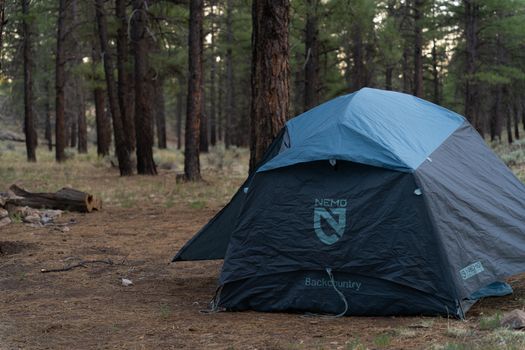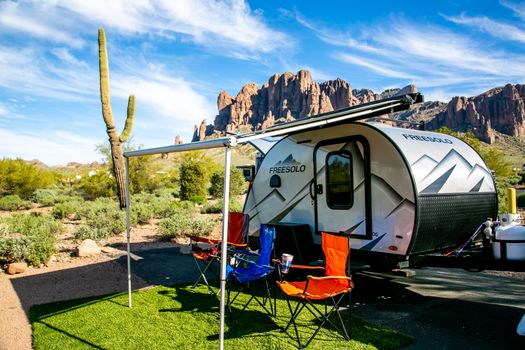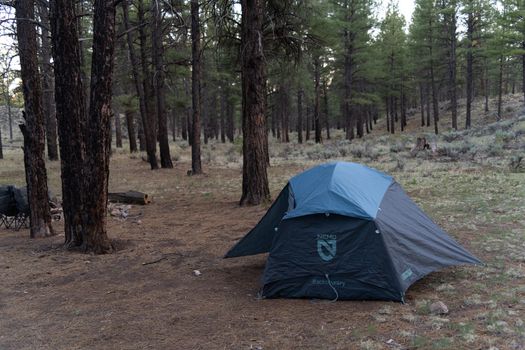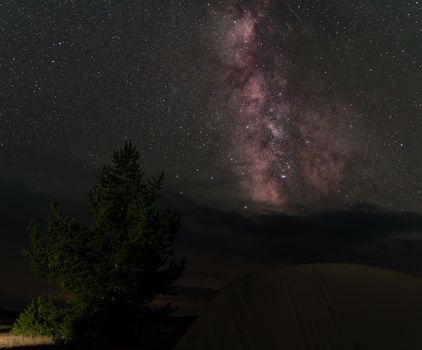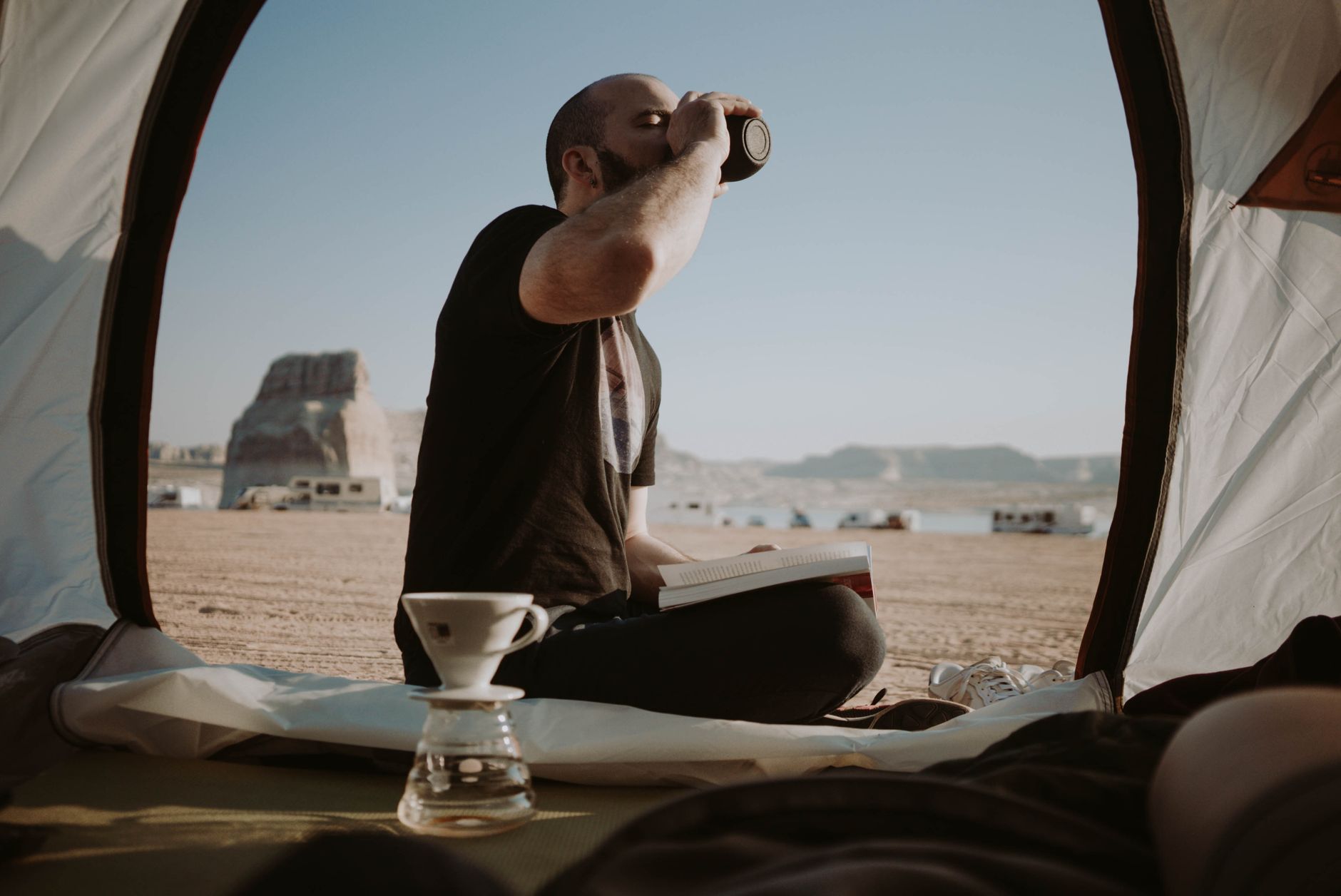
The crunch of fallen leaves underfoot, the crisp scent of pine needles mingling with damp earth, and a sky so vast and clear it feels like you could reach out and touch the Milky Way. This isn't a dream from a glossy travel magazine; it's a typical November night at a free campsite, and it’s an experience that has utterly transformed my approach to travel.
I remember my first foray into dispersed camping a few years back. My partner, Alex, and I were road-tripping through Arizona, perpetually chasing sunsets and trying to stretch our meager travel fund. We’d been paying for campgrounds every night, and while lovely, the costs were adding up. One evening, after a long day exploring the red rock country near Sedona, a fellow traveler at a coffee shop casually mentioned "BLM land." My ears perked up. "Free camping?" I asked, almost incredulous. He just winked, pulled up an app on his phone, and pointed to a vast swathe of green. That night, under a sky ablaze with more stars than I'd ever seen, parked on a dusty overlook with panoramic views, I felt a profound shift. The silence was absolute, the air invigorating, and the sense of freedom—unparalleled. We cooked dinner over a small stove, watched a meteor shower, and realized we’d stumbled upon a travel hack that wasn't just about saving money, but about deeper connection to nature.
November 2025 is calling, and it's whispering promises of solitude, spectacular scenery, and zero accommodation costs. Forget crowded campgrounds and noisy neighbors; this is about finding your own slice of wilderness, embracing the quiet, and soaking in the raw beauty of America’s incredible landscapes. If you're ready to ditch the concrete jungle and embrace the wild, read on. I’m sharing my top tips, favorite resources, and even a few dream destinations for your ultimate free camping adventure this coming November.
The Undeniable Allure of November Camping: Why Now?
You might think of summer as prime camping season, but let me tell you, November holds a special magic. It’s a secret season, often overlooked, and that’s precisely its charm.
Firstly, crowds dwindle dramatically. While popular National Parks still see visitors, the vast expanses of National Forests and BLM land become wonderfully quiet. You’re far more likely to find true solitude, making those moments around a campfire or watching a sunrise feel incredibly personal.
Secondly, the weather can be surprisingly pleasant. While colder nights are a given in many regions, daytime temperatures in the southern and southwestern US are often mild and comfortable, perfect for hiking and exploring without the scorching heat of summer. Even in more northern climes, a crisp, clear November day with late autumn colors clinging to the trees is an experience unto itself. And speaking of colors, depending on the region, you might catch the tail end of fall foliage, or witness the stark, beautiful transition into winter, often with dramatic skies and unique lighting perfect for photography.
Finally, wildlife is often more active and visible. As temperatures drop and food sources change, animals are often out and about, preparing for winter. From elk bugling in the Rockies to desert bighorn sheep traversing canyons, November offers incredible opportunities for wildlife viewing, often without the throngs of summer tourists. Just remember to always observe from a respectful distance!
Decoding Dispersed: Your Guide to Finding Free Campsites
So, how does one actually find these magical free camping spots? It’s simpler than you think, but requires a little planning and understanding of public lands. The key terms you need to know are "dispersed camping" and "boondocking." These generally refer to camping outside of designated campgrounds, usually on public lands like those managed by the Bureau of Land Management (BLM) or within National Forests.
1. Bureau of Land Management (BLM) Land:
BLM manages vast tracts of land, primarily in the western United States. Their mission includes recreation, and dispersed camping is generally allowed for up to 14 days in any 30-day period unless otherwise marked. These lands are often undeveloped, meaning no water, toilets, or trash services. It's truly primitive camping, which is what makes it so appealing!
2. National Forests:
Similar to BLM land, National Forests also allow dispersed camping. The rules can vary slightly by forest and even by district, so always check the specific forest’s website (e.g., "Coconino National Forest dispersed camping") or call a ranger station for current regulations and fire restrictions. They often have designated "Motor Vehicle Use Maps" (MVUMs) which clearly show roads open to vehicles and areas where dispersed camping is permitted.
Essential Tools & Resources:
- iOverlander: This app is a goldmine! It’s community-driven, so users share details, photos, and reviews of campsites (both free and paid), including amenities, road conditions, and cell service. Indispensable for finding hidden gems.
- Campendium: Similar to iOverlander, Campendium is fantastic for finding free (and paid) campsites, especially useful for RVers but great for tent campers too. Filters allow you to search specifically for free spots.
- FreeCampsites.net: A straightforward website with a map interface showing free campsites across the US. User-submitted information helps you gauge what to expect.
- Gaia GPS / Avenza Maps: For offline navigation, these apps are lifesavers. Download maps of National Forests and BLM land before you lose service. Many National Forests offer their MVUMs as free downloads for Avenza.
- Google Earth Pro: Before you go, scout potential spots from above! You can identify pull-offs, clearings, and even get a sense of the terrain.
Remember, the golden rule of free camping is to be prepared. Research your location, understand the regulations, and always, always plan to Leave No Trace.
My Top Picks: Incredible Free Camping Spots for November 2025
While I can't give you exact coordinates for every hidden gem (some secrets are best kept quiet!), I can point you towards regions and types of spots that consistently deliver incredible free camping experiences in November. These are based on my own adventures and extensive research, designed to inspire your 2025 trip.
1. Red Rock Wonderland: Near Moab, Utah (BLM Land)
* Why November: The scorching summer heat is long gone, replaced by crisp, comfortable daytime temperatures (often 40s-60s°F) perfect for hiking. The crowds thin out significantly, allowing for more solitude in this iconic landscape. The red rocks contrast beautifully with the clear, cool air.
* The Vibe: Imagine waking up to the sun painting the sandstone cliffs in hues of orange and purple, right from your campsite. Areas like Willow Springs Road, Dalton Wells, or along the La Sal Loop Road (where dispersed camping is often allowed on specific Forest Service roads) offer stunning views of Arches National Park or Canyonlands in the distance. I once spent a week boondocking near Moab, and every sunset felt like a private art show, followed by a sky so packed with stars it felt like velvet.
* Practicalities: Expect rough dirt roads; 4WD or high-clearance vehicles are often recommended. No amenities – pack in all your water and pack out all your waste. Cell service can be spotty. Fire restrictions are common, so always check local conditions.
2. Desert Oasis: Ocala National Forest, Florida (National Forest)
* Why November: Escape the early winter chill up north! November in central Florida offers delightful temperatures (often 60s-70s°F) and significantly lower humidity than summer. It’s a fantastic time to explore the unique ecosystems without the oppressive heat or swarms of bugs.
* The Vibe: Ocala National Forest is a different kind of wilderness. Think ancient longleaf pine forests, clear freshwater springs perfect for kayaking or snorkeling (like Juniper Springs or Alexander Springs – though these are paid day-use areas, the surrounding forest is free to camp in), and abundant wildlife including deer, wild hogs, and even bears. Dispersed camping is allowed on many forest roads. I remember a particular November trip where we found a secluded spot near a small pond, woke up to mist rising off the water, and spent the day paddling a spring run, marveling at the crystal-clear water.
* Practicalities: Roads are generally sandy; 2WD is usually fine, but be mindful of soft spots. Check for hunting seasons, as some areas may be closed or require extra precautions. Bring bug spray, even in November!
3. Pacific Northwest Majesty: Deschutes National Forest, Oregon (National Forest)
* Why November: While the coast might be rainy, the high desert side of the Cascades often experiences crisp, clear, and surprisingly dry weather in November, especially earlier in the month. You'll get stunning views of snow-capped peaks like Mt. Bachelor or the Three Sisters, with fewer people on the trails.
* The Vibe: Think towering Ponderosa pines, volcanic landscapes, and the crisp scent of pine needles. Many forest roads off Highway 97 or near Bend offer fantastic dispersed camping opportunities. Imagine waking up to a frosty morning, brewing coffee with a view of a volcanic peak, and then heading out for a hike on a quiet trail. My most memorable November trip here involved a dusting of snow overnight, transforming the landscape into a winter wonderland by morning – completely unexpected and utterly breathtaking.
* Practicalities: Be prepared for cold nights and potential snow. A 4WD vehicle with good tires is highly recommended for accessing some forest roads, especially if there's recent precipitation. Bring extra warm layers and a zero-degree sleeping bag.
4. Big Bend's Backyard: Big Bend Ranch State Park Area, Texas (BLM-like options nearby)
* Why November: The Chihuahuan Desert in Texas is magnificent in November. Daytime temperatures are mild (60s-70s°F), and nights are cool. It’s the perfect time to explore the rugged beauty without the intense summer heat, and the clear desert skies are unparalleled for stargazing. While Big Bend National Park has limited free camping outside of designated sites (and requires permits), the surrounding areas, particularly BLM-administered lands or state-managed lands that allow primitive camping, offer incredible solitude.
* The Vibe: This is raw, untamed desert beauty. Think vast horizons, dramatic canyons, and the Rio Grande snaking through the landscape. Finding a spot overlooking the desert floor, with nothing but the sounds of the wind and perhaps a distant coyote howl, is an experience that truly resets the soul. One November, we found a spot on a remote dirt road near Terlingua, spent the day hiking, and then watched the sunset paint the distant mountains in fiery colors, feeling like we were at the edge of the world.
* Practicalities: This is remote country. A high-clearance, 4WD vehicle is often essential. Carry extra fuel, water, and food. Cell service is extremely limited or non-existent. Inform someone of your itinerary. Check for fire restrictions.
5. Appalachian Foothills: Cherokee National Forest, Tennessee/North Carolina (National Forest)
* Why November: While peak fall foliage might be over, early November still offers stunning late-season colors in the lower elevations, and the cooler temperatures make hiking a joy. The misty mornings and quiet forests are incredibly atmospheric.
* The Vibe: Rolling mountains, dense hardwood forests, and sparkling rivers define this region. Dispersed camping is allowed along many forest service roads, offering access to beautiful hiking trails and fishing spots. Imagine waking up to the sound of a babbling brook, surrounded by oak and maple trees still holding onto their golden and russet leaves. It’s a serene, peaceful escape. We once found a perfect spot tucked away near the Ocoee River, spent the day exploring trails, and cooked a hearty stew over our camp stove as the mist settled in the valley.
* Practicalities: Some roads can be steep and gravelly; check conditions, especially if there’s been rain. Be aware of hunting seasons. Bring layers, as temperatures can fluctuate throughout the day.
6. Sonoran Desert Serenity: Kofa National Wildlife Refuge, Arizona (BLM-managed)
* Why November: Mild, sunny days (60s-70s°F) and cool nights make November ideal for exploring the Sonoran Desert. The sparse crowds mean you'll have the stunning desert landscapes, complete with saguaros and unique rock formations, largely to yourself.
* The Vibe: Kofa is a hidden gem, less visited than some of Arizona's more famous spots. It's a vast refuge dedicated to protecting desert bighorn sheep and other wildlife. Dispersed camping is permitted along designated roads. Picture yourself nestled among towering saguaros, watching incredible sunsets, and listening to the sounds of the desert come alive at night. It’s a truly unique, quintessential desert camping experience. My last visit here felt like stepping onto another planet, with cacti silhouetted against a vibrant orange sky.
* Practicalities: Roads are generally unpaved and can be sandy or rocky; high-clearance is recommended. No services whatsoever. Pack out everything, and be mindful of delicate desert ecosystems.
7. Northern California Coastal Redwood Region (National Forest/BLM nearby)
* Why November: While the coast can be damp, inland National Forests and BLM areas near the Redwood Coast (e.g., Six Rivers National Forest) offer a chance to camp among or near these majestic giants without summer's tourist crush. The air is fresh, and the misty atmosphere can add to the enchantment of the ancient forests.
* The Vibe: Imagine waking up to the towering silence of redwood groves, the air thick with the scent of damp earth and ancient trees. While camping directly in Redwood National and State Parks usually requires fees, numerous dispersed camping opportunities exist on surrounding public lands. A November trip here offers a profound sense of peace and grandeur. We once found a spot in a small clearing surrounded by massive trees in a national forest adjacent to the redwoods, and it felt like sleeping in a cathedral.
* Practicalities: Be prepared for rain and cool temperatures. Roads can be narrow and winding; check conditions. High-clearance vehicles are often beneficial.
The Art of Dispersed Camping: Leave No Trace & Safety First
Free camping comes with great freedom, but also great responsibility. To ensure these incredible spots remain pristine for future generations (and for your next visit!), embracing the Leave No Trace principles is paramount.
- Plan Ahead and Prepare: Research your destination, pack appropriate gear (especially for November's unpredictable weather), and know the regulations.
- Travel and Camp on Durable Surfaces: Stick to existing roads and clearings. Avoid creating new tracks or trampling vegetation.
- Dispose of Waste Properly: This is HUGE. Pack it in, pack it out. This includes ALL trash, food scraps, and even human waste (dig a cathole 6-8 inches deep and 200 feet from water sources, trails, and campsites, or better yet, use a WAG bag system).
- Leave What You Find: Don’t take souvenirs like rocks, plants, or artifacts.
- Minimize Campfire Impacts: Use established fire rings if available. Keep fires small. Ensure fires are completely out before leaving (cold to the touch!). Always check for fire restrictions, especially in dry November conditions. A portable propane fire pit is a great alternative.
- Respect Wildlife: Observe from a distance. Store food properly (bear bags/canisters in bear country).
- Be Considerate of Other Visitors: Camp away from others, keep noise levels down.
Safety Tips for November Adventures:
- Tell Someone Your Plans: Always let a friend or family member know where you're going and when you expect to return. Share your route and estimated timeline.
- Weather Preparedness: November weather can change rapidly. Pack layers (base, mid, outer), a warm hat, gloves, and waterproof outerwear. A reliable tent and a sleeping bag rated for below freezing temperatures are essential.
- Water is Life: You won't find water sources at most dispersed sites. Carry ample water (1 gallon per person per day minimum) or have a reliable water filter/purifier.
- Navigation: Don't rely solely on cell service. Bring physical maps, a compass, and know how to use them. Offline maps on your phone are also crucial.
- First Aid Kit: A well-stocked kit for minor injuries and emergencies is a non-negotiable.
- Vehicle Readiness: Ensure your vehicle is in good repair, especially if you're heading off-road. Check tires, fluids, and carry a spare.
November's Unique Challenges & Unforgettable Rewards
While free camping in November offers incredible advantages, it's not without its unique considerations. Shorter daylight hours mean you'll have less time for activities and more time in the dark, so a good headlamp is your best friend. Colder nights require proper gear and preparation. Unexpected snow or rain can make dirt roads impassable, so always check forecasts and have a backup plan.
But oh, the rewards! The solitude is profound; you truly feel immersed in nature. The crisp air invigorates the senses. The starry nights, unmarred by light pollution, are simply breathtaking. You might witness unique wildlife behaviors as animals prepare for winter. And perhaps most importantly, there's the immense satisfaction of experiencing these incredible places on your own terms, with minimal impact, and for absolutely no cost. It’s an adventure that fuels the soul and leaves your wallet happy.
Your November 2025 Adventure Awaits!
There's a magic to free camping, a raw authenticity that connects you directly to the land. November 2025 is shaping up to be the perfect time to explore these incredible, budget-friendly destinations, offering a blend of solitude, stunning scenery, and crisp autumn air. Whether you're chasing red rock sunsets, exploring ancient forests, or embracing the quiet of the desert, the freedom of dispersed camping is an experience you won't soon forget.
So, what are you waiting for? Start planning your November 2025 adventure today! Research your dream location, gather your gear, and get ready to experience some of the most beautiful places on Earth for free.
Have you discovered an amazing free camping spot? Share your favorite November memories or tips in the comments below using #TripsoraFreeCamping! Let's inspire more adventurers to explore responsibly.
---