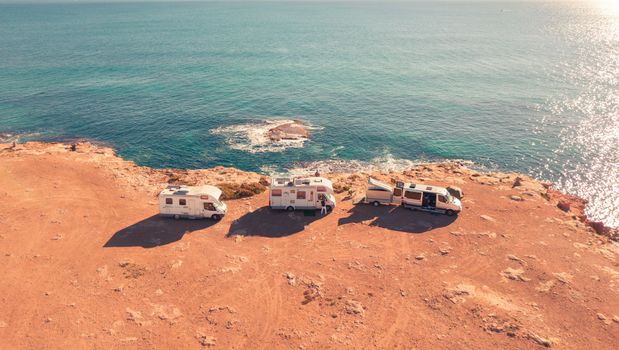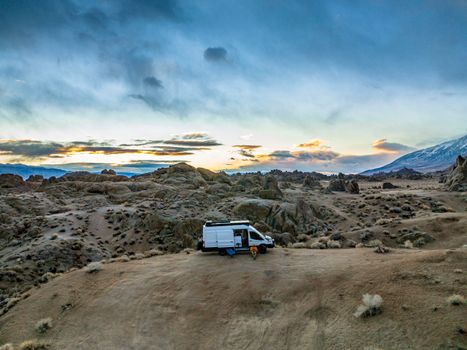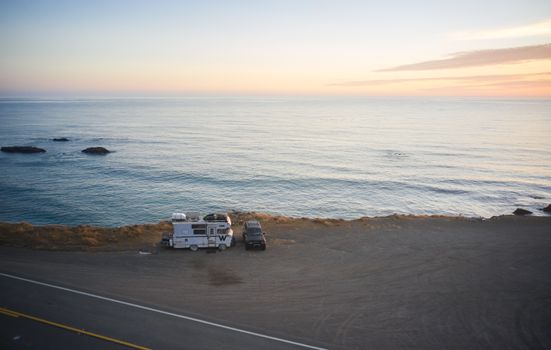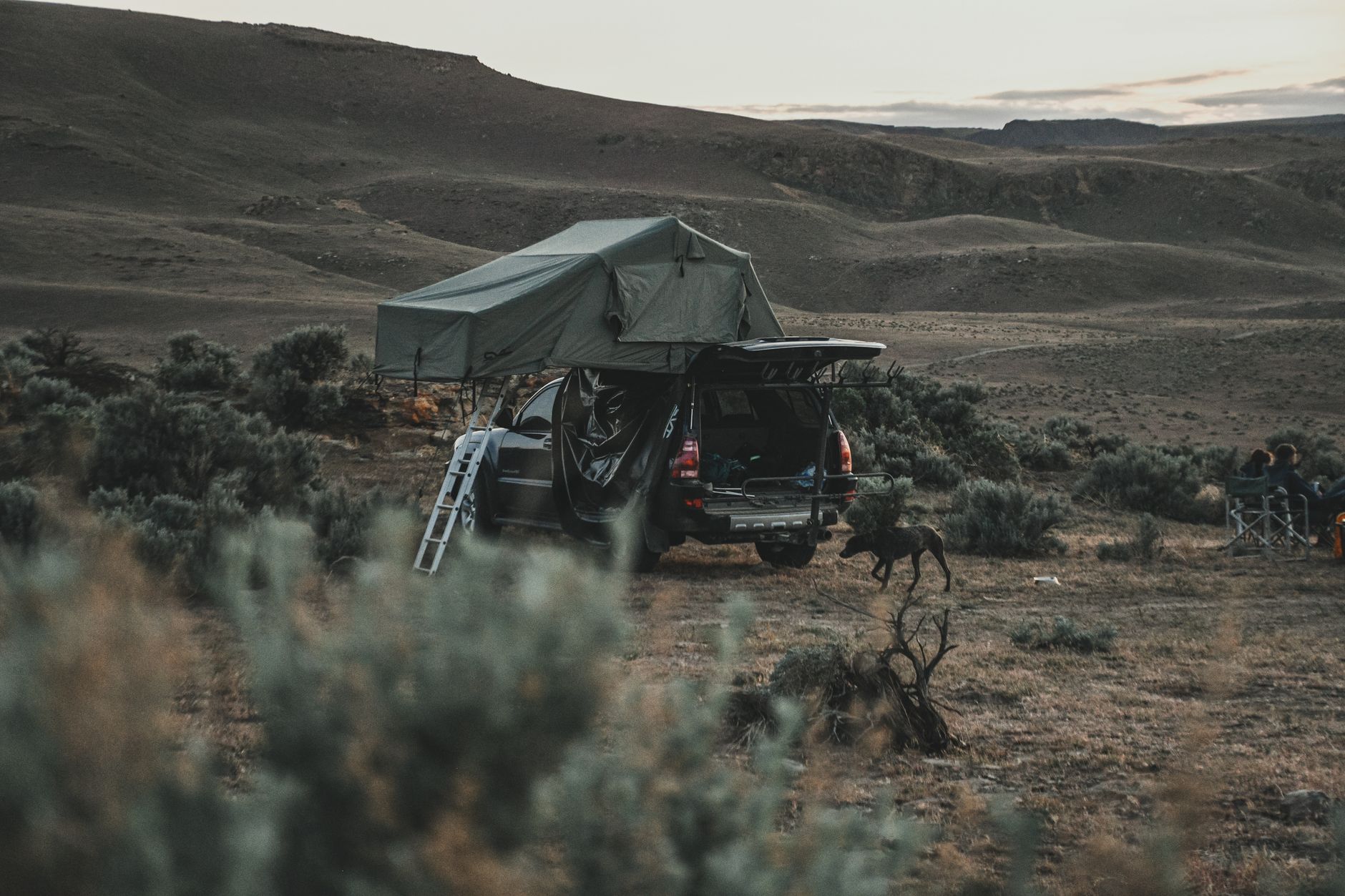
The first time I truly felt free was waking up in a tent, perched on the edge of a vast canyon, the morning sun painting the ancient rock formations in hues I never knew existed. No campground fees, no noisy neighbors, just the whisper of the wind and the sheer, overwhelming beauty of nature. My coffee tasted better that morning, my soul felt lighter, and I knew, in that moment, that this was the kind of travel I was chasing: raw, authentic, and utterly unforgettable.
We’ve all seen the Instagram posts – those impossibly perfect campsites with views that make your jaw drop. But what if I told you that many of those dream spots aren’t in expensive, booked-solid campgrounds, but in vast, open lands just waiting to be explored? Welcome to the world of free camping – a subculture of adventurers who understand that the best views often come without a price tag. And the best part? Many of these incredible locations are still flying under the mainstream radar, offering a precious window into unspoiled wilderness.
At Tripsora, we believe in empowering you to travel deeper, smarter, and more authentically. That’s why I’ve spent countless hours (and miles!) uncovering these hidden gems. This isn't just about saving money; it's about finding solitude, connecting with nature on a profound level, and experiencing places before they become overrun. It’s about adventure, pure and simple.
The Allure of the Wild: Why Free Camping is Your Next Obsession
Forget crowded RV parks and packed tent sites where you can hear your neighbor snore. Free camping, often referred to as dispersed camping, boondocking, or wild camping, is about finding a legal, undeveloped spot to pitch your tent or park your rig, typically on public lands like National Forests, Bureau of Land Management (BLM) land, or specific state parks.
Why choose the wild side?
- Unbeatable Solitude: Imagine having a whole mountain range, a desert expanse, or a forest all to yourself. The peace is unparalleled.
- Epic Views, Zero Cost: Your "campsite" could be on a mesa overlooking a canyon, beside a pristine lake, or nestled in an alpine meadow. And it won't cost you a dime.
- True Immersion: Without the buffer of developed campgrounds, you’re truly living in nature, not just beside it. You’ll hear more wildlife, see more stars, and feel more connected.
- Flexibility & Spontaneity: No reservations needed! Simply find a spot and set up camp. This freedom is a game-changer for road trips and spontaneous adventures.
- Budget-Friendly Travel: Saving $20-$50 a night on camping fees adds up quickly, freeing up funds for experiences, fuel, or that extra craft beer.
My personal 'aha!' moment came after a long day of driving through Utah. Every developed campground was full, and frustration was setting in. Then, a quick search on iOverlander led me to a dirt road winding off into the desert. We followed it, a bit nervously, until we rounded a bend and saw it: a flat, sandy spot nestled amongst red rock formations, with a panoramic view of the setting sun. It was silent, breathtaking, and absolutely free. That night, under a sky ablaze with stars, I realized I’d been missing out. This wasn't just camping; it was an experience.
Your Treasure Map: How to Find These Elusive Free Spots
Finding these hidden paradises requires a little research and a dash of adventurous spirit. It’s not always as simple as pulling off the highway, but with the right tools, you’ll become a pro in no time.
- Digital Goldmines (Apps & Websites):
- iOverlander: This is my absolute go-to. A user-generated database for overlanders, it lists everything from established campgrounds to wild camping spots, complete with reviews, photos, and GPS coordinates. Filter by "wild camping" or "dispersed."
- FreeCampsites.net: Another fantastic resource with a focus specifically on free and low-cost camping. User reviews are invaluable here.
- The Dyrt (Pro Version): Offers offline maps and layers for public lands, making it easier to identify potential dispersed camping areas.
- Campendium: Great for filtering by "free" and reading detailed reviews, especially for RVers.
- Gaia GPS / OnX Offroad: These mapping apps allow you to download offline maps and overlay public land boundaries (BLM, National Forest, State Trust Land), which are crucial for knowing where you can legally camp.
- Understanding Public Lands:
- Bureau of Land Management (BLM): Vast tracts of land, primarily in the Western US, are managed by the BLM and are generally open for dispersed camping for up to 14 days. Look for "National Conservation Areas" or "Wilderness Study Areas."
- National Forests (USFS): Similar to BLM, most National Forests allow dispersed camping within 150-300 feet of a developed road, provided you're not in a designated campground, picnic area, or near a water source. Always check specific forest regulations as rules can vary.
- State Trust Lands / State Parks: Some states offer primitive or dispersed camping within their state parks or on state trust lands, often with specific rules or small fees. Always check the specific state park or land management website.
- Old-School Reconnaissance:
- Google Maps Satellite View: Before you go, zoom in on potential areas. Look for dirt roads leading off main routes, clearings, or flat spots that look suitable for a tent or vehicle.
- Local Ranger Stations: Don't underestimate the power of local knowledge! Call or visit the nearest National Forest or BLM ranger station. They can provide maps, advise on road conditions, fire restrictions, and point you to legal dispersed camping areas.
- Asking Locals: In small towns, gas station attendants, diner waitstaff, or bait shop owners can sometimes offer invaluable insights into lesser-known spots.
Remember, the key is legality and respect. Always verify you're on public land where dispersed camping is permitted, and adhere to any local regulations, especially fire restrictions.
Unveiling the Gems: Incredible Free Camping Locations (Before They're Famous!)
While I can't guarantee these spots will remain "secret" forever (that's the nature of sharing!), these are a few of my absolute favorite, breathtaking free camping areas that offer incredible experiences.
1. The Painted Hills Badlands, Oregon (Near John Day Fossil Beds National Monument)
- Why it's incredible: Imagine waking up to a landscape that looks like it's been painted by a giant artist, with vibrant stripes of red, gold, black, and orange across rolling hills. The Painted Hills are part of the John Day Fossil Beds, a truly unique geological wonder. While the monument itself doesn't allow camping, the surrounding BLM land offers spectacular dispersed sites.
- The Vibe: Otherworldly, serene, and absolutely stunning for sunrise and sunset photography. The stars here are phenomenal, with almost no light pollution.
- Details: Head towards the John Day Fossil Beds National Monument (Painted Hills Unit). Surrounding this area, particularly off roads like Burnt Ranch Road or other gravel roads leading into BLM land, you'll find numerous pull-offs and clearings suitable for camping. There are no facilities – pack it in, pack it out. Roads can be dusty, but generally manageable for most vehicles.
- My Experience: My first time here, I watched the hills literally change color as the sun dipped below the horizon, followed by a sky so dense with stars it felt like I could reach out and grab them. Waking up to the cool desert air and the silent, vibrant landscape was a moment of pure magic.
2. Anza-Borrego Desert State Park, California (Primitive Camping Zones)
- Why it's incredible: California's largest state park, Anza-Borrego is a vast, rugged desert wilderness known for its badlands, slot canyons, palm oases, and seasonal wildflowers. Unlike most state parks, Anza-Borrego allows free primitive camping in designated "open camping" areas throughout much of the park, as long as you are 20 feet from a road and 100 feet from a water source.
- The Vibe: Wild, adventurous, and incredibly peaceful. It's a stargazer's paradise and a hiker's dream, with endless opportunities to explore unique desert formations.
- Details: Check the Anza-Borrego Desert State Park website or visitor center for current open camping areas and any restrictions. Popular zones include areas off Split Mountain Road, Arroyo Salado, and near the badlands. Roads can be sandy and washboarded; high clearance is recommended, and 4WD can be helpful in some areas. No facilities, so be fully self-sufficient.
- My Experience: We spent a week here, exploring slot canyons by day and sitting around a small campfire by night, listening to the coyotes howl under a sky so dark the Milky Way was a bright, shimmering band. Finding a hidden palm oasis after a dusty hike felt like discovering a secret garden. It truly felt like we had the entire desert to ourselves.
3. Custer Gallatin National Forest, Montana (Near Beartooth Highway)
- Why it's incredible: Nestled in the Northern Rockies, Custer Gallatin National Forest offers breathtaking alpine scenery, crystal-clear lakes, and stunning mountain views, especially around the legendary Beartooth Highway. Dispersed camping here puts you right in the heart of Big Sky Country, with access to incredible hiking, fishing, and wildlife viewing.
- The Vibe: Rugged, majestic, and fresh mountain air. Perfect for those seeking high-altitude adventures and dramatic landscapes. Bear country, so proper food storage is essential.
- Details: Look for forest roads branching off US-212 (Beartooth Highway) or other major routes within the forest boundaries. Popular areas include those around Cooke City, MT, or near Red Lodge, MT. Always consult a National Forest map and check with the local ranger district for specific regulations, road conditions, and bear safety guidelines. Roads can be rough, rocky, and steep; high clearance is often necessary.
- My Experience: After driving the epic Beartooth Highway, we found a perfect spot high in the mountains, overlooking a valley shimmering with wildflowers. The air was crisp, the views expansive, and the only sounds were the wind and a distant marmot's whistle. We saw elk grazing in the mornings and spent our evenings mesmerized by the quiet grandeur of the mountains.
4. Ocala National Forest, Florida (Dispersed Camping Zones)
- Why it's incredible: A stark contrast to the Western deserts and mountains, Ocala National Forest offers a unique, lush, and ancient landscape. It's home to the largest sand pine scrub forest in the world, with numerous crystal-clear freshwater springs, cypress swamps, and diverse wildlife. Dispersed camping here allows you to immerse yourself in a truly different kind of wilderness.
- The Vibe: Subtropical, wild, and incredibly green. Perfect for those who love kayaking, swimming in springs, and spotting unique flora and fauna.
- Details: Ocala National Forest has designated "dispersed camping zones" which are clearly marked on forest maps (available at ranger stations or online). You can camp anywhere within these zones, away from developed recreation sites. Be aware of wildlife (alligators, bears, snakes) and insect populations. Roads are typically sandy, but generally well-maintained. Always check for fire bans and specific zone regulations.
- My Experience: We spent a night deep in the Ocala forest, surrounded by towering pines and the sounds of unseen creatures. During the day, we kayaked through one of the emerald springs, spotting manatees and turtles. It was a completely different kind of wild, humid and vibrant, and a refreshing change from the arid landscapes I was used to. The feeling of being truly off-grid in such a unique ecosystem was unforgettable.
The Art of Responsible & Safe Free Camping
Finding these incredible spots is only half the battle. To ensure they remain pristine and accessible for everyone, and to guarantee your own safety, responsible practices are paramount.
- Leave No Trace (LNT) Principles: Your Golden Rulebook
- Plan Ahead & Prepare: Know the regulations, weather, and potential hazards. Pack appropriate gear.
- Travel & Camp on Durable Surfaces: Stick to existing roads and clearings. Avoid creating new campsites or damaging vegetation.
- Dispose of Waste Properly: Pack out everything you pack in – including food scraps and human waste (bury human waste 6-8 inches deep, 200 feet from water, trails, and camp).
- Leave What You Find: Don't disturb cultural or natural artifacts.
- Minimize Campfire Impacts: Use established fire rings where available. Keep fires small, attend them constantly, and ensure they are dead out before leaving. Better yet, use a camp stove. Check for fire bans!
- Respect Wildlife: Observe from a distance. Never feed animals. Store food securely (especially in bear country).
- Be Considerate of Other Visitors: Camp away from others for solitude. Keep noise levels down.
- Safety First, Always!
- Tell Someone Your Plans: Inform a friend or family member of your exact location, planned route, and expected return time.
- Carry Essentials: First-aid kit, plenty of water (more than you think you need!), navigation tools (maps, GPS, compass), extra food, headlamp/flashlight, knife, fire starter, emergency shelter.
- Weather Awareness: Mountain weather can change rapidly. Desert flash floods are a real danger. Always check the forecast and be prepared for sudden shifts.
- Wildlife Preparedness: Understand the local wildlife. Know how to store food to deter bears (bear canisters/bags) and how to react to encounters with various animals.
- Vehicle Readiness: Ensure your vehicle is in good condition. High-clearance and 4WD can be essential on rough roads. Carry a full-size spare tire, tire repair kit, and tools.
- No Service? No Problem (But Be Prepared): Many of these spots have no cell service. Consider a satellite messenger device for emergencies.
I once learned the hard way about vehicle readiness. We were deep down a washboarded BLM road in Nevada when a rock sliced our tire. No cell service, no other campers for miles. Thankfully, we had a full-size spare and the tools to change it, but it was a stark reminder that self-reliance is key when you're truly off-grid. Always double-check your gear and your vehicle before heading out!
Beyond the Campsite: Enhancing Your Free Camping Experience
Free camping is more than just a place to sleep; it’s an opportunity to create unforgettable memories and truly disconnect.
- Gear Up Smart:
- Portable Power: Solar panels or a portable power station (like Jackery or Goal Zero) are fantastic for charging devices without needing a hookup.
- Comfortable Sleep System: A good sleeping pad and bag make all the difference for a restful night.
- Camp Kitchen: A reliable stove, cooler, and basic cooking essentials.
- Camp Chairs & Table: For ultimate relaxation and meal prep.
- Navigation: Paper maps, a compass, and offline GPS apps are non-negotiable.
- Embrace the Activities:
- Stargazing: Away from light pollution, the night sky comes alive. Download a star chart app!
- Photography: Capture the stunning landscapes, wildlife, and starry nights.
- Hiking & Exploration: Use your campsite as a base to explore surrounding trails and natural features.
- Reading & Journaling: The peace and quiet are perfect for reflection.
- Simply Be: Sometimes, the best activity is simply sitting, watching the world go by, and soaking in the tranquility.
- Cultivate the Mindset:
- Disconnect to Reconnect: Put away your phone, unplug from the digital world, and tune into the rhythms of nature.
- Embrace Simplicity: Free camping often means fewer amenities. Learn to appreciate the basics and the resourcefulness it fosters.
- Be Flexible: Plans can change due to weather, road conditions, or finding a better spot. Embrace the spontaneity!
There's a unique sense of accomplishment that comes with finding your own slice of heaven, setting up camp, and realizing you're completely self-reliant. It strips away the unnecessary, leaving you with just the essentials: fresh air, stunning views, and the quiet satisfaction of a truly earned adventure.
Your Next Unforgettable Adventure Awaits!
The world is full of incredible, untamed places, and many of them are waiting for you to discover them, completely free of charge. These hidden gems offer more than just a place to sleep; they offer a chance to reconnect with nature, challenge yourself, and create stories that will last a lifetime. But remember, the beauty of these spots lies in their untouched nature, so tread lightly, leave no trace, and help preserve them for future adventurers.
Don't wait until these incredible locations become mainstream campgrounds. The time to explore is now. Go forth, research, prepare, and embark on the adventure of a lifetime.
What are your favorite hidden free camping spots? Share your tips and experiences in the comments below! And don't forget to tag #TripsoraFreeCamping on your Instagram adventures!
---