From Tourist to Trailblazer: How Conservation Volunteering Rewrote My Travel Story
For years, I chased the perfect postcard. I ticked off destinations, snapped iconic photos, and collected passport stamps like badges of honor. Yet, despite the breathtaking landscapes and vibrant cultures, something always felt… missing. My adventures, while incredible, often left me feeling like an observer, a fleeting visitor in someone else's story. I yearned for a deeper connection, a way to give back to the planet that had given me so much.
That yearning led me down a path I never anticipated: conservation volunteering. It wasn't just a trip; it was a pilgrimage. It wasn't just seeing the world; it was actively helping to heal it. And let me tell you, stepping away from the resorts and into the wild, getting my hands dirty for a cause bigger than myself, didn't just change my travel style – it changed my entire life forever.
If you’ve ever felt that same pull, that desire for your journeys to truly matter, then read on. I’m going to share some of the most impactful conservation projects I’ve been fortunate enough to join, the lessons they taught me, and how you, too, can embark on your own life-altering adventure.
Why Volunteer? It’s More Than Just a Good Deed, It’s a Self-Discovery Mission
Before I dive into specific projects, let's talk about the 'why.' Many people think volunteering is solely about helping others, and it absolutely is. But what often goes unsaid is how profoundly it helps you. It strips away the superficial, challenges your perceptions, and builds resilience you never knew you had.
The conventional tourist experience often insulates us from the real issues facing the places we visit. Conservation volunteering, however, plunges you headfirst into the heart of environmental challenges – whether it’s plastic pollution choking marine life, deforestation decimating ancient forests, or poaching threatening majestic species. You don't just read about these problems; you become part of the solution.
It's a chance to learn new skills (from coral identification to animal tracking), meet incredible people from all walks of life united by a common passion, and witness the raw beauty of our planet up close, often in places few tourists ever see. It’s physically demanding, emotionally challenging, and utterly, unequivocally rewarding.
Tripsora Tip:
Don't just pick a project based on the 'cool' factor. Research the organization's mission, impact, and ethical practices. Look for transparency in how your contributions (time and money) are used. Avoid projects that exploit animals for tourist interaction or separate children from families for "orphanage tourism." True conservation benefits the environment and local communities sustainably.
My First Dive: Protecting Paradise in Southeast Asia – Marine Conservation
My journey into conservation began beneath the waves, off the coast of a small island in Southeast Asia. I was a certified diver, but my dives had always been about personal enjoyment. This time, it was different. I joined a marine conservation project focused on coral reef restoration and marine wildlife monitoring.
The Project:
I spent three weeks with a fantastic organization on a remote island (think somewhere similar to Koh Tao, Thailand, or a lesser-known spot in the Philippines). Our days were a blend of classroom learning and hands-on work. Mornings involved lectures on marine biology, coral species identification, and survey techniques. Afternoons were spent diving.
My Role:
My main tasks included:
* Coral Nursery Maintenance: We’d collect small, healthy coral fragments, attach them to artificial structures (like metal frames or concrete discs), and transplant them onto damaged areas of the reef. It was delicate, meticulous work, requiring patience and a steady hand underwater.
* Reef Health Surveys: Armed with underwater slates and pencils, we'd conduct visual surveys, identifying fish species, assessing coral health, and documenting any signs of disease or damage. Every data point contributed to long-term monitoring efforts.
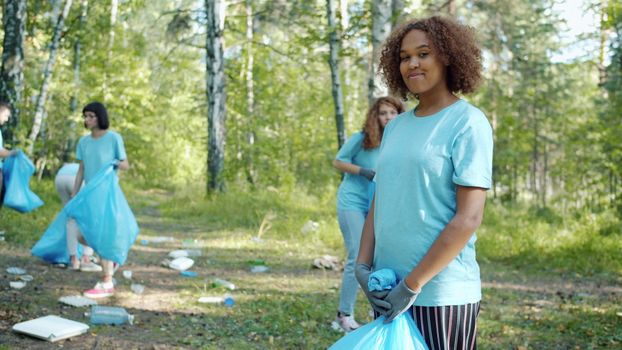
* Beach & Underwater Clean-ups: This was often heartbreaking, but vital. We’d spend hours collecting plastic bottles, fishing nets, and other debris that threatened marine life. The sheer volume of trash was a stark reminder of human impact.
The Impact on Me:
Witnessing a damaged reef slowly come back to life, seeing new fish species colonize areas we’d restored, and knowing I was a tiny part of that miracle was profoundly moving. I learned to identify dozens of coral species, understood the intricate balance of a reef ecosystem, and felt a deep, personal connection to the ocean. The feeling of surfacing after a successful reef clean-up, knowing we’d removed hundreds of pounds of plastic, was an emotional high unlike any other. It also taught me immense patience and the power of collective effort.
Specifics & Tips:
* Location Example: Many projects operate in Thailand (e.g., Koh Tao), Philippines (e.g., Palawan), Indonesia (e.g., Gili Islands), or Fiji.
* Cost: Volunteer program fees can range from $500 to $2,000+ per week, often including accommodation, food, training, and diving expenses. Flights are extra. Some longer programs offer reduced weekly rates.
* Requirements: Often require PADI Open Water Diver certification (or equivalent). Some projects offer this as part of the program. Good physical fitness is a must.
* What to Pack: Reef-safe sunscreen, swimwear, quick-dry clothing, sturdy sandals, a reusable water bottle, a good mask and snorkel (if you have them), and an underwater camera to capture those incredible moments (but always prioritize the work!).
Roaming with Giants: Wildlife Rescue & Rehabilitation in Africa
From the vast blue of the ocean, my next adventure took me to the sweeping savannahs of Africa. I’d always dreamed of seeing African wildlife, but I wanted to do more than just a safari. I wanted to help protect these magnificent creatures. I found a wildlife rescue and rehabilitation center in South Africa.
The Project:
This project focused on rescuing injured or orphaned animals, rehabilitating them, and, where possible, releasing them back into the wild. It also played a crucial role in anti-poaching initiatives and community education.
My Role:
My days were intense, starting before dawn.
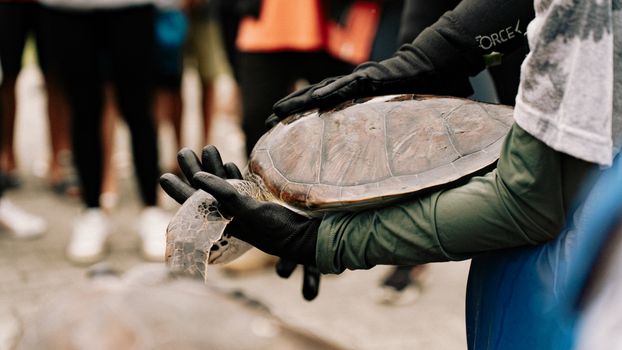
* Animal Care: This was the core. I helped prepare food, clean enclosures, and monitor the health of various animals – from orphaned rhinos and elephants to injured pangolins, vervet monkeys, and even birds of prey. Every species had unique needs, and learning their behaviors was fascinating.
* Enclosure Maintenance: Building and repairing fences, clearing invasive vegetation, and ensuring the animals had safe, stimulating environments. It was often hot, dusty, and physically demanding work.
* Anti-Poaching Support: While volunteers rarely participate directly in dangerous anti-poaching patrols, I assisted with tasks that supported these efforts, such as maintaining equipment, data entry for tracking, and even helping with community outreach programs to raise awareness about poaching's devastating impact.
* Observation & Monitoring: For animals being prepared for release, we’d spend hours observing their natural behaviors, ensuring they were ready for the challenges of the wild.
The Impact on Me:
There’s nothing quite like looking into the eyes of an orphaned rhino calf, knowing its mother was killed by poachers, and feeling the profound responsibility of being part of its recovery. Or seeing a rehabilitated eagle soar back into the sky. It was emotionally taxing at times, confronting the brutal realities of poaching and habitat loss, but the moments of connection with these incredible animals, and the dedication of the staff, fueled an unwavering hope. I learned about animal behavior, veterinary care basics, and the complex socio-economic factors driving poaching. It instilled in me a fierce passion for wildlife protection.
Specifics & Tips:
* Location Example: Many reputable projects are found in South Africa (e.g., KwaZulu-Natal, Limpopo provinces), Namibia, Kenya, or Zambia.
* Cost: These programs can be more expensive, ranging from $1,000 to $3,500+ per week due to the specialized care and infrastructure required for wildlife. This typically includes accommodation, food, and project activities. Flights and visa costs are separate.
* Requirements: No specific qualifications usually needed, but a strong work ethic, physical fitness, and a genuine love for animals are essential. Vaccinations (e.g., rabies, tetanus, yellow fever depending on location) are often required.
* What to Pack: Sturdy work boots, long-sleeved shirts and trousers (for sun and insect protection), hat, insect repellent (DEET recommended), headlamp, basic first-aid kit, and a good camera with a zoom lens (for ethical animal photography from a distance). Be prepared for early mornings and late nights!
Back to Our Roots: Forest Restoration & Sustainable Living in South America
After the intensity of wildlife rescue, I sought a different kind of connection – one with the land itself and the communities that depend on it. My journey led me to a cloud forest reserve in Central America, a place buzzing with biodiversity.
The Project:
This project focused on reforestation, sustainable agriculture, and community development within a protected cloud forest area. It was about restoring degraded land and promoting eco-friendly practices among local farmers.
My Role:
This was a truly hands-on, earthy experience.
* Reforestation: We spent countless hours in nurseries, preparing seedlings of native tree species, and then hiking into designated areas to plant them. It was physically demanding, often in muddy or steep terrain, but the satisfaction of planting a tiny sapling that would one day become part of a thriving forest was immense.
* Trail Maintenance & Construction: We helped maintain hiking trails within the reserve, clearing fallen branches, repairing erosion, and even assisting with the construction of new eco-friendly infrastructure like composting toilets or rustic cabins.
* Sustainable Farming: I learned about permaculture principles, helping in organic vegetable gardens, composting, and even harvesting some of the produce that fed us during our stay. It was a fascinating insight into food systems.
* Community Engagement: We occasionally assisted with local community initiatives, such as teaching English to children, helping with small construction projects, or participating in cultural exchanges.
The Impact on Me:
This project taught me patience on a different scale. You don't see immediate results when planting a tree; you're investing in the future. It fostered a deep appreciation for the interconnectedness of all living things – from the microscopic organisms in the soil to the towering trees and the wildlife they support. I learned basic Spanish phrases, lived simply, and connected with local people in a way that felt authentic and respectful. It was a powerful lesson in sustainable living and the importance of indigenous knowledge in conservation.
Specifics & Tips:
* Location Example: Projects abound in Costa Rica (e.g., Monteverde, Osa Peninsula), Ecuador (e.g., Mindo, Amazon basin), or Peru.
* Cost: These projects can be more budget-friendly, often ranging from $200 to $800 per week, sometimes even offering work-exchange opportunities where you contribute hours in exchange for accommodation and food. This varies greatly depending on the organization and what's included.
* Requirements: A good level of physical fitness and a willingness to get dirty! Basic Spanish is often helpful but not always essential.
* What to Pack: Sturdy hiking boots, long pants and sleeves (for sun, insects, and thorns), rain gear, insect repellent, a wide-brimmed hat, gloves for planting, and a basic Spanish phrasebook. Embrace the mud!
Beyond the Brochure: The Realities & Rewards of Volunteering
Volunteering isn't always glamorous. There are moments of frustration, exhaustion, and even heartbreak. You might deal with difficult weather, basic living conditions, or emotionally challenging situations. But these are precisely the moments that forge resilience and make the rewards so much sweeter.
The Challenges:
* Physical Demands: Expect long hours, manual labor, and often challenging environments (heat, humidity, cold, insects).
* Emotional Toll: Witnessing environmental destruction or animal suffering can be tough.
* Cultural Differences: Adapting to new customs, food, and communication styles.
* Basic Amenities: You might be living without consistent electricity, hot water, or internet. Embrace it!
* Fundraising: Many volunteers also spend time fundraising for their project fees, which can be an added hurdle.
The Rewards (Far Outweigh the Challenges):
* Profound Purpose: Knowing your efforts are making a tangible difference.
* Unique Skills: Learning everything from species identification to basic construction, first aid, or cultural communication.
* Global Network: Meeting like-minded individuals from all over the world, forming lifelong friendships.
* Personal Growth: Developing resilience, adaptability, problem-solving skills, and a deeper understanding of yourself.
* Unforgettable Experiences: Witnessing nature's wonders up close, having unique animal encounters, and seeing places off the beaten path.
* Authentic Travel: Moving beyond the tourist bubble to truly immerse yourself in a place and its challenges.
Choosing the Right Project for YOU:
1. Identify Your Passion: Animals, oceans, forests, community development, sustainable farming?
2. Research Reputable Organizations: Look for NGOs with a proven track record, transparent financials, and positive reviews from past volunteers. Platforms like GoAbroad, Workaway, Worldpackers, and directly searching for NGOs in specific regions are great starting points.
3. Read Volunteer Reviews: Sites like Volunteer Forever or GoOverseas offer invaluable insights.
4. Consider Your Budget & Time: Projects vary wildly in cost and duration.
5. Assess Your Fitness & Comfort Zone: Be honest about what you can handle physically and emotionally.
6. Ask Key Questions: What exactly will my tasks be? What training is provided? How does the project benefit local communities? What are the living conditions?
Making it Happen: Your Actionable Guide to a Life-Changing Journey
Feeling inspired? Excellent! Here’s how to turn that inspiration into action and embark on your own conservation volunteering adventure.
- Define Your Focus: What environmental cause truly ignites your passion? Marine life, endangered species, reforestation, sustainable agriculture, community-based conservation? Having a clear focus will help narrow your search.
- Research, Research, Research:
- Platforms: Start with reputable volunteer platforms like GoAbroad.com, GoOverseas.com, VolunteerMatch.org, Workaway.info, Worldpackers.com. These platforms list thousands of projects globally.
- Directly with NGOs: Many established conservation organizations (e.g., WWF, WCS, local wildlife trusts, marine labs) have volunteer programs. Searching their websites directly can sometimes yield more specific or long-term opportunities.
- Read Reviews: Pay close attention to reviews from former volunteers. Look for consistent themes regarding project impact, safety, living conditions, and staff support.
- Budget & Funding:
- Program Fees: These can range from a few hundred to several thousand dollars per week/month. They typically cover accommodation, food, training, supervision, and project-related costs. Understand exactly what's included.
- Flights & Travel Insurance: Factor these in! Travel insurance is non-negotiable for volunteer trips.
- Visas & Vaccinations: Research requirements for your chosen destination well in advance. These can add significant costs and time.
- Personal Expenses: Budget for incidentals, snacks, souvenirs, and any personal excursions.
- Fundraising: Many volunteers successfully fundraise for their trips using platforms like GoFundMe or by organizing local events. Don't be afraid to ask for support!
- Prepare Logistically:
- Passport & Visa: Ensure your passport is valid for at least 6 months beyond your intended return date. Apply for any necessary visas well in advance.
- Health & Vaccinations: Consult your doctor about recommended vaccinations and necessary preventative medications (e.g., malaria prophylaxis) for your destination.
- Packing: Pack light but smart. Think durable, functional clothing. Refer to specific project packing lists. Don't forget a first-aid kit, insect repellent, and appropriate footwear.
- Connectivity: Be prepared for limited internet access. A local SIM card might be useful, but embrace the digital detox!
- Mental & Emotional Preparation:
- Flexibility: Things rarely go exactly as planned in remote locations. Embrace spontaneity and be adaptable.
- Open Mind: Be open to new cultures, new ways of doing things, and challenging your own preconceived notions.
- Resilience: There will be tough days. Remember your 'why' and lean on your fellow volunteers and staff.
- Safety First: Always prioritize your safety. Follow local guidelines, inform people of your whereabouts, and trust your gut.
Your Journey Awaits: Make Your Mark
My passport now tells a different story. It’s not just a collection of entry stamps, but a testament to moments where I felt truly alive, truly connected, and truly useful. From the sun-drenched reefs of Southeast Asia to the dusty plains of Africa and the misty forests of Central America, each project etched itself onto my soul, fundamentally shifting my perspective on travel, purpose, and my place in the world.
Conservation volunteering isn't just about saving a species or planting a tree; it's about investing in a better future for everyone, including yourself. It's about finding your purpose, discovering your strength, and becoming part of a global community dedicated to protecting our precious planet.
So, are you ready to trade your typical vacation for a transformative adventure? Are you ready to get your hands dirty, challenge your limits, and discover the incredible power you hold to make a difference? The world needs you, and trust me, you need this journey too.
Start researching today. Find that project that calls to you. And prepare to write the most impactful, rewarding chapter of your travel story yet. Go forth and make your mark – I promise, it will change your life forever.
---