Beyond the Filter: The Real Local Gems Influencers Don't Want You to Know
I remember standing in line, sweat trickling down my back, jostling with a hundred other tourists for that perfect shot of a "hidden gem" cafe in Bali. The smoothie bowl was certainly photogenic, adorned with edible flowers and rainbow fruit, but the atmosphere felt… manufactured. The prices were astronomical, and the staff seemed utterly exhausted by the endless stream of cameras. It was exactly as the popular Instagram influencer had described – picturesque, but devoid of any real soul.
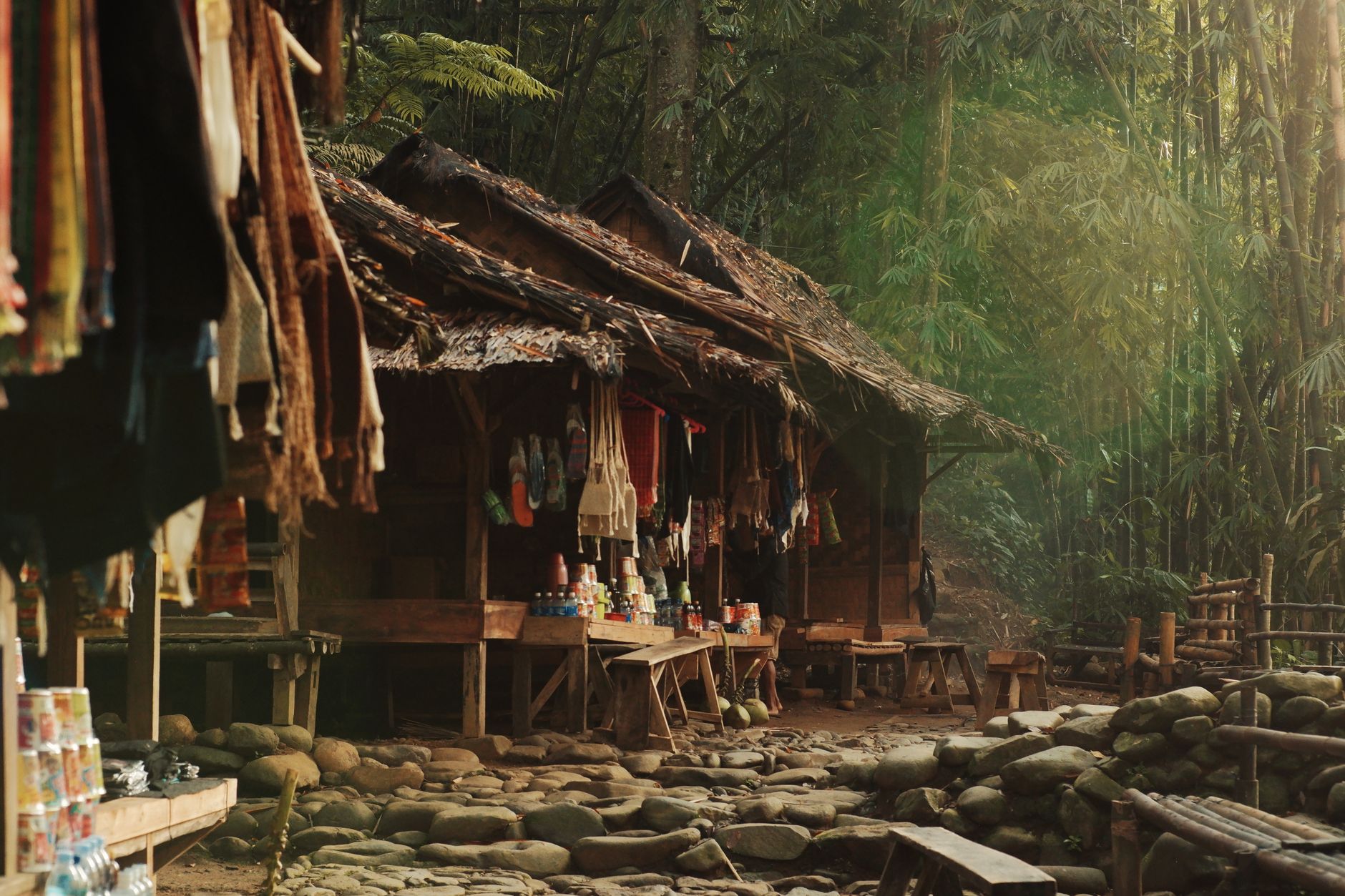
Later that day, feeling a little deflated, I wandered down a dusty side street, drawn by the scent of roasting coffee and the murmur of local chatter. I stumbled upon a tiny, unassuming warung, its wooden tables worn smooth by countless elbows, its walls adorned with faded family photos. There, I had the most incredible kopi luwak I’ve ever tasted, brewed with care by an elderly woman who smiled warmly and shared stories of her village in broken English. The coffee cost a fraction of the price of the "influencer-approved" spot, and the experience? Priceless.
That moment was an epiphany. It crystallized a truth I’d been sensing for a while: the most authentic, impactful, and truly memorable travel experiences often lie far beyond the perfectly curated feeds and sponsored posts of mainstream influencers. They exist in the vibrant, beating heart of local communities, in the small businesses that are the lifeblood of a destination.
These are the places that offer genuine connection, preserve cultural heritage, and ensure your travel dollars directly benefit the people who call that place home. They’re the secret ingredients to a truly transformative journey – and frankly, they’re the places most influencers conveniently "forget" to mention, perhaps because there’s no big brand deal waiting.
So, fellow Tripsora explorers, are you ready to ditch the filters and dive deep? Let's uncover the incredible local businesses that truly deserve your support, and in doing so, unlock a more meaningful way to see the world.
1. The Artisan's Workshop: Crafting Memories, Not Just Souvenirs
Let’s be honest: how many times have you bought a "local" souvenir only to realize it was mass-produced in a factory thousands of miles away? It’s a common trap, especially when browsing the generic tourist markets. But imagine holding a piece of pottery shaped by the hands of a local artist, or a textile woven with patterns passed down through generations. That's not just a souvenir; it's a story, a connection, a piece of the destination's soul.
Why they matter:
Local artisans are the custodians of traditional crafts and cultural heritage. Supporting them directly helps preserve these invaluable skills and provides sustainable livelihoods for families and communities. Your purchase ensures that these ancient techniques don't fade away, but continue to thrive.
My personal pick:
During a trip through Oaxaca, Mexico, I bypassed the bustling Benito Juárez Market (though lovely for food!) and sought out smaller, independent workshops in the surrounding villages like San Bartolo Coyotepec and Teotitlán del Valle. In Teotitlán, I spent an afternoon at a family-run taller where they dyed wool with natural pigments like cochineal and indigo, then wove intricate Zapotec rugs on traditional looms. I watched a young woman expertly guide the shuttle, her hands moving with a graceful rhythm honed over years. Buying a small, naturally dyed coaster directly from her, knowing my money went straight to her family, felt far more significant than any mass-produced trinket. The coaster cost me about 150 MXN (around $7-8 USD), a fair price for the skill and time involved, and a genuine bargain for such a unique piece.
How to find them:
* Ask your guesthouse owner or local guide: They often have personal connections to local artisans.
* Look for co-operatives: Many communities have artisan co-ops where multiple artists sell their work directly.
* Wander off the main streets: Often, the most authentic workshops are tucked away down quiet alleys.
* Seek out "open studio" signs: Some artists welcome visitors to see their creative process.
* Check local community centers or cultural institutes: They often promote local artists.
Practical Tip:
Don't be afraid to politely haggle a little in markets, but remember you're supporting someone's livelihood. Offer a fair price that respects their skill and time. Engage with the artisan, ask about their craft – the story behind the piece makes it even more special.
2. The Unsung Eateries: Where Real Flavors Live (and Influencers Fear to Tread)
Influencers love a beautifully plated dish in a chic, minimalist setting. And while there’s nothing wrong with that, the true culinary heart of a destination often beats in its most unassuming kitchens. These are the places where grandmothers' recipes are honored, where ingredients are sourced from local farms, and where the aroma alone tells a story.
Why they matter:
Family-run restaurants, street food vendors, and local cafes are the guardians of traditional cuisine. They offer authentic flavors, often at incredibly affordable prices, and provide a taste of local life that a fancy, tourist-centric restaurant simply can't replicate. Your patronage keeps these culinary traditions alive and supports local families directly.
My personal pick:
In Lisbon, Portugal, everyone flocks to the Time Out Market, and while it's a great experience, the real magic happens elsewhere. Instead of the popular, often crowded, seafood restaurants in the Baixa district, I asked a local shopkeeper for his favorite lunch spot. He pointed me towards a tiny, nondescript tasca called "A Merendinha do Arco," tucked away near the Rossio station. It had just a few tables, a handwritten menu, and a no-nonsense, bustling atmosphere. The owner, a jovial man named Joaquim, personally took my order – a plate of bacalhau à brás (shredded cod with potatoes and eggs) that was simply divine. It was hearty, flavorful, and tasted exactly like someone's grandmother had made it. The entire meal, including a glass of local wine and bread, cost me about 10 EUR ($11 USD) – an absolute steal for such an authentic experience. I even saw Joaquim chatting with regulars, clearly a pillar of the community.
How to find them:
* Follow your nose: Seriously, the best food often announces itself with irresistible aromas.
* Look for queues of locals: If locals are lining up, you know it's good.
* Ask taxi drivers, hotel staff, or shopkeepers: They know the real spots. Avoid asking tourist guides unless they are local and independent.
* Venture a few blocks off the main tourist drag: Prices often drop, and authenticity skyrockets.
* Embrace street food: Often the freshest, most delicious, and most affordable way to eat like a local.
Practical Tip:
Don't be intimidated by a language barrier. Point to what looks good, or learn a few basic phrases like "I'd like this, please" ("Quiero esto, por favor" in Spanish, "Je voudrais ça, s'il vous plaît" in French). A smile and a willingness to try go a long way. Be open to sharing tables or eating standing up – it’s all part of the adventure!
3. Beyond the Chain: Independent Bookstores, Cafes, and Boutiques
Walk into almost any major city, and you'll find the same international brands: Starbucks, Zara, H&M. While convenient, they offer little in the way of local character. The true charm of a destination lies in its independent businesses – the quirky bookstore with a resident cat, the artisanal coffee shop roasting beans from nearby farms, or the boutique selling unique designs by local talent.
Why they matter:
These independent establishments infuse a city with its unique personality. They foster creativity, support local talent, and offer goods and experiences you won't find anywhere else. They're often community hubs, where locals gather, ideas are exchanged, and the pulse of the city can truly be felt.
My personal pick:
In Portland, Oregon, known for its fierce independent spirit, I skipped the big-name stores and spent an afternoon browsing Powell's City of Books, a legendary independent bookstore that truly is a "city" of literature. But even more special was a smaller, lesser-known spot called "The Great North," a boutique on Alberta Arts District specializing in ethically sourced goods, vintage finds, and jewelry from local designers. I found a beautiful handcrafted silver ring for about $60 USD, a unique piece that always sparks conversations back home. Later, I settled into "Barista," a local coffee chain that started small and still maintains a strong focus on quality and community, rather than the global giants. The pour-over coffee was meticulously prepared, costing around $4-5, and the atmosphere was buzzing with locals working and chatting.
How to find them:
* Stroll through specific neighborhoods: Many cities have distinct districts known for their independent shops (e.g., Le Marais in Paris, Greenwich Village in NYC, Exarchia in Athens).
* Look for "local business directories" online: Many cities have websites dedicated to promoting their independent shops.
* Check out university towns: These often have a thriving independent scene.
* Ask locals for their favorite hangouts: "Where do you go for a good coffee/interesting book/unique gift?"
* Observe local street art and community boards: These often point to local events and businesses.
Practical Tip:
Engage with the shopkeepers. Ask about their favorite local spots, the story behind their business, or their recommendations. These conversations are often the most rewarding part of the experience. Many independent shops are also more likely to offer unique, sustainable, or ethically sourced products.
4. The Local Guide: Authentic Experiences, Not Just Photo Ops
Hiring a local guide can transform your trip from a superficial sightseeing tour into a deep dive into culture and history. But not all guides are created equal. While big tour companies offer convenience, they often follow a well-trodden path, leaving little room for spontaneous discovery or genuine interaction.
Why they matter:
Independent local guides offer personalized experiences, often sharing intimate knowledge of their hometowns, family histories, and cultural nuances that you simply won't get from a guidebook or a large tour group. They provide context, answer your burning questions, and can take you to places truly off-the-beaten-path. They are often passionate about their heritage and eager to share it.
My personal pick:
In Cusco, Peru, instead of booking a large group tour to the Sacred Valley, I found a retired history teacher, through a recommendation from my guesthouse, who offered private tours. His name was Mateo, and he drove an old, slightly battered car, but his knowledge was encyclopedic. He didn't just show us the ruins of Pisac; he explained the agricultural techniques of the Incas, shared local legends, and even pointed out medicinal plants growing along the trails. He took us to a small village market not listed in any guidebooks, where we sampled local cheeses and fruits. The cost was about $80 USD for a full day (split between two of us), which was comparable to a group tour but offered an infinitely richer experience. Mateo even taught me a few phrases in Quechua, the indigenous language. It felt like exploring with a wise, beloved uncle.
How to find them:
* Ask at independent guesthouses or small hotels: They often have trusted local contacts.
* Look for community-based tourism initiatives: Many indigenous communities or rural areas offer tours directly to support their villages.
* Check online platforms like Airbnb Experiences or GetYourGuide, but filter carefully: Look for guides with glowing reviews specifically mentioning authenticity, personal connection, and local insights, not just good photo spots.
* Word-of-mouth: Chat with other travelers – they might have fantastic recommendations.
* Free walking tours (tip-based): These are often led by passionate locals who work for tips, ensuring they deliver a great experience.
Practical Tip:
Be clear about your interests. If you love history, art, food, or nature, tell your guide. They can often tailor the experience to your preferences, making it even more memorable. And always tip generously if you've had a great experience – it's a direct way to show appreciation and support.
5. Stay Local: Guesthouses, Homestays, and Boutique Hotels
Where you rest your head at night can significantly impact your travel experience. While international hotel chains offer predictable comfort, they rarely offer a true sense of place. Opting for locally-owned accommodations is one of the most direct ways to support the local economy and immerse yourself in the culture.
Why they matter:
Locally-owned guesthouses, boutique hotels, and homestays often feature unique architecture, local decor, and a personalized touch that reflects the character of the destination. The money you spend directly supports the owners and their staff, who are typically members of the local community. They also often provide invaluable local insights, from the best places to eat to hidden attractions.
My personal pick:
In Marrakech, Morocco, instead of a large hotel on the new town's outskirts, I chose to stay in a riad within the bustling medina. Riad Dar Hanane was a beautifully restored traditional Moroccan house, owned and run by a local family. From the moment I stepped through its ornate wooden doors, I was enveloped in Moroccan hospitality. The central courtyard with its fragrant orange trees and bubbling fountain was a tranquil oasis. Breakfast, prepared by the family, consisted of fresh local pastries, mint tea, and homemade jams. The owner, Fatima, shared tips on navigating the souks, recommended genuine artisan shops, and even taught me a few words of Darija (Moroccan Arabic). The cost was around $80-100 USD per night, similar to a mid-range hotel, but the experience was immeasurably richer and more authentic.
How to find them:
* Use booking sites but filter for "boutique," "guesthouse," "B&B," or "homestay": Read reviews carefully, prioritizing mentions of local charm, friendly owners, and authentic experiences.
* Look for direct booking options: Many small establishments offer better rates and more personalized service if you book directly through their website.
* Check community-based tourism networks: Some regions have specific networks for homestays or eco-lodges run by local communities.
* Ask for recommendations from other travelers or locals: Word-of-mouth is powerful.
Practical Tip:
Don't be afraid to chat with your hosts. They are a treasure trove of local information and often genuinely enjoy sharing their culture. They can offer insights into customs, local events, and off-the-beaten-path activities that you simply won't find in a guidebook.
The 'Why': More Than Just a Purchase, It's an Investment
This isn't just about avoiding tourist traps; it's about conscious travel. When you choose to support local businesses, you're doing so much more than making a transaction:
- You're empowering communities: Your money directly circulates within the local economy, supporting families, creating jobs, and fostering local pride.
- You're preserving culture: You're helping to keep traditional crafts, culinary practices, and unique cultural expressions alive.
- You're promoting sustainability: Small local businesses often have a smaller environmental footprint and are more invested in the long-term well-being of their community and environment.
- You're gaining authentic experiences: You're moving beyond the superficial and creating genuine connections with people and places. These are the moments that stick with you, long after the perfectly posed Instagram shot is forgotten.
The "influencer economy" often prioritizes aesthetics and brand partnerships over genuine local impact. It can inadvertently steer travelers towards homogenized, often overpriced, experiences that benefit large corporations or foreign investors more than the local people. By intentionally seeking out and supporting local businesses, you're actively choosing a different, more responsible, and ultimately more rewarding path.
Your Call to Adventure: Be the Change, Share the Love
The next time you plan a trip, challenge yourself. Look beyond the glossy feeds and the sponsored posts. Seek out the real heart of your destination. Ask questions, wander down unknown streets, and embrace the unexpected. The most incredible discoveries are often found where the algorithms don't lead you.
Are you ready to truly explore? Share your own incredible local finds with us! Use the hashtag #TripsoraLocalGems and tag @Tripsora on your social media posts. Let's create a community of travelers who celebrate authenticity, support local communities, and discover the true magic of the world, one genuine experience at a time.
Travel isn't just about where you go or what you see; it's about who you meet, how you connect, and the positive impact you leave behind. Let's make every journey count.
---