The crisp mountain air bites at my cheeks, but a warmth spreads through me that has nothing to do with my insulated sleeping bag. I unzip the tent, and the first blush of dawn paints the distant peaks in hues of rose and gold. Below, a pristine, mirror-flat lake reflects the unfolding spectacle. There's not another soul in sight, no distant hum of generators, no chatter from a neighboring campsite. Just the whisper of the wind through ancient pines and the distant call of an eagle. This isn't a five-star resort, nor is it a paid campground. This, my friends, is pure, unadulterated freedom – and it cost me exactly zero dollars.
For years, I chased those picture-perfect, Instagram-worthy campsites, only to arrive and find them packed, noisy, and often surprisingly expensive. I’d shell out $30, $40, sometimes even $50 a night just for a patch of dirt and a picnic table, feeling like I was missing the true essence of wilderness. Then, a grizzled old ranger, his eyes twinkling with mischief, let me in on a little secret: "Kid," he drawled, "the best spots ain't got signs. And they sure as hell don't got fees."
That conversation changed my entire approach to travel. It sent me down a rabbit hole of research, off-road adventures, and hushed conversations with seasoned wanderers. What I discovered was a parallel universe of camping – the world of free, dispersed camping, often in locations so stunning, so untouched, that the locals guard them like a cherished family recipe. And today, I’m pulling back the curtain for you.
What is "Free Camping" (and Why Locals Keep it Secret)?
Before we dive into the specific spots, let's clarify what we mean by "free camping." We're not talking about illegally squatting on private land or pitching a tent in a Walmart parking lot (though that's a whole other category of budget travel!). We're talking about dispersed camping or boondocking – essentially, camping on public lands outside of designated campgrounds.
In the United States, vast swathes of land are managed by agencies like the Bureau of Land Management (BLM) and the U.S. Forest Service (USFS). These lands are often open for recreational use, including camping, with few to no facilities, and most importantly, no fees. The rules are generally simple: find a spot that looks suitable, set up camp, and adhere to Leave No Trace principles.
So, why do locals want to keep these spots secret? It's not out of malice, but preservation. Imagine finding your own slice of paradise – a quiet bluff overlooking a canyon, a secluded beach accessible only by a bumpy dirt road, a forest glade where wildlife roams freely. Now imagine that spot suddenly overrun by hundreds of people, leaving trash, carving initials into trees, and disrupting the delicate ecosystem. It's a nightmare scenario. These places thrive on their solitude and the respectful conduct of those who know how to appreciate them. By keeping them relatively unknown, locals help ensure their longevity and pristine condition. Our mission, should you choose to accept it, is to be one of the respectful few.
How to Find These Hidden Gems: The Art of Boondocking & Dispersed Camping
Finding these spots isn't about stumbling upon a "Free Camping" sign. It's an art, a treasure hunt that combines research, local knowledge, and a keen eye for adventure.
- Map Apps Are Your Best Friend:
- iOverlander: This app is a goldmine for free and low-cost camping. It's user-generated, so you'll find reviews, photos, and GPS coordinates for everything from roadside pull-offs to epic wilderness sites. Just filter by "wild camping" or "dispersed camping."
- Gaia GPS / OnX Offroad: These are invaluable for understanding land ownership. They overlay public land boundaries (BLM, USFS, State Parks, Private) onto detailed topographic maps. You can see precisely where you're allowed to camp. Many free spots are just off dirt roads crisscrossing BLM or National Forest lands.
- Google Earth/Maps: Before you go, scout potential areas from above. Look for existing pull-offs, fire rings, or clearings that indicate previous use. This saves you a lot of wasted driving.
- Understand Public Land Designations:
- BLM (Bureau of Land Management): Generally, BLM land is very open to dispersed camping, often for up to 14 days in one spot. These lands are abundant in the Western US.
- USFS (U.S. Forest Service): National Forests also offer extensive dispersed camping opportunities. Rules can vary by district, so always check the specific National Forest website for any fire restrictions, length-of-stay limits, or specific "no camping" zones.
- State Trust Lands: These are often leased for grazing or other uses, and public access (including camping) is usually restricted or requires a permit. Always check.
- National Parks: Dispersed camping is generally NOT allowed in National Parks, except in designated backcountry areas with permits. Stick to BLM/USFS for free car/RV camping.
- Look for Clues on the Ground:
- Forest Service Roads/BLM Roads: These are often gravel or dirt roads winding off main highways. Many dispersed sites are just a short drive down these roads. Look for small pull-offs or faint tracks leading into the trees.
- Existing Fire Rings: A tell-tale sign that others have camped there before. Use existing sites to minimize your impact.
- "No Camping" Signs: If you see one, respect it. There's usually a good reason.
- Talk to Locals (Carefully!): This is where the "locals don't want you to know" comes in. A friendly chat with a gas station attendant, a general store owner, or a park ranger (especially one who seems a bit seasoned) can sometimes yield incredible tips. Frame it as "looking for a quiet spot to watch the stars" rather than "where's the secret free camping?" They might just point you in the right direction. My best finds have often come from these serendipitous encounters.
The Reveal: Incredible Free Camping Spots (You Didn't Know Existed!)
Now for the exciting part! While I can't give away actual specific GPS coordinates to protect these delicate ecosystems and the spirit of discovery, I can describe the types of incredible locations you can find, and give you enough detail to inspire your own hunt. These are composite descriptions, drawing from real experiences in similar, stunning locales.
---
1. Whispering Sands Overlook (Hypothetical - Southwest USA)
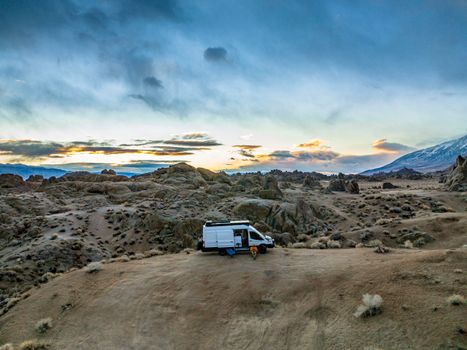
- Location Type: High desert canyon rim, often found near national monuments or parks in Utah, Arizona, or New Mexico.
- Vibe: Panoramic, awe-inspiring, utterly silent. Imagine waking up to a vast expanse of red rock canyons, mesas stretching to the horizon, and sky so big it feels like you can touch the Milky Way at night.
- Access: Typically accessed via a well-maintained, but unpaved, BLM road that branches off a state highway. The last few miles can be washboard or sandy, requiring decent clearance (AWD/4WD recommended, but not always essential for all spots).
- The Experience: My first time here, I thought I’d driven to the edge of the world. The "campsites" are simply flat areas on the canyon rim, far enough from the road to feel completely secluded. There are no facilities – no water, no restrooms, no picnic tables. Just you, your rig, and one of the most incredible views on Earth. Sunset paints the canyons in fiery oranges and purples, and the sunrise is equally spectacular. Cell service is usually nonexistent, forcing a true digital detox. I spent a week here once, just reading, hiking, and watching the light play on the rocks. It was pure magic.
- Instagram-worthy: Absolutely! Think dramatic canyon backdrops, silhouetted tents against a vibrant sunset, and starry night skies that will make your followers drool.
- Cost: FREE
---
2. Emerald Peak Basin (Hypothetical - Pacific Northwest, e.g., Washington/Oregon National Forests)
- Location Type: Subalpine forest clearing, nestled deep within a National Forest, often near a glacial lake or river.
- Vibe: Lush, serene, wild, and refreshing. Towering old-growth trees, the scent of pine and damp earth, the sound of a rushing stream, and crisp, clean air.
- Access: Usually requires navigating a winding, sometimes steep, Forest Service Road. These roads can be rocky, muddy, and sometimes have potholes large enough to swallow a small car. A high-clearance vehicle is highly recommended. Some spots are hike-in only, making them even more secluded.
- The Experience: I remember a spot deep in the Cascades, where the road finally opened into a small, grassy basin. A crystal-clear stream gurgled nearby, and a small, emerald-colored lake shimmered through the trees. We found an old, faint fire ring and set up camp. The days were spent hiking through ancient forests, fishing in the lake, and spotting deer. Nights were cool, and the stars were incredible, framed by the dark silhouettes of the peaks. The feeling of being completely enveloped by nature, with no light pollution or human noise, is unparalleled. This is where you truly feel connected to the wild.
- Instagram-worthy: Think misty mornings, vibrant green moss, reflections in pristine lakes, and campfire coziness under a canopy of stars.
- Cost: FREE
---
3. Azure Coast Bluff (Hypothetical - Northern California or Oregon Coast)
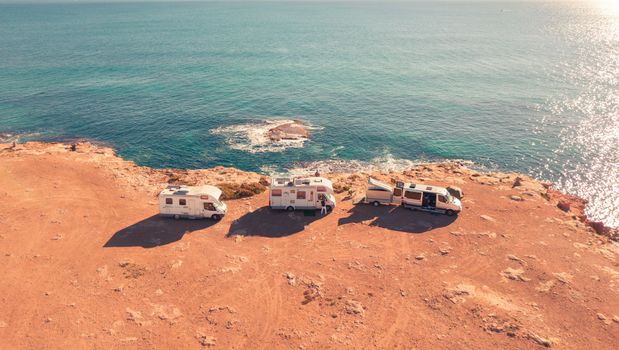
- Location Type: Elevated coastal bluffs overlooking the Pacific Ocean, often on BLM-managed coastal access lands.
- Vibe: Rugged, dramatic, invigorating. The roar of the waves, the salty air, and endless ocean vistas.
- Access: Often reached via short, unpaved spur roads off scenic coastal highways. These roads can be narrow, sometimes with steep drops, and occasionally require navigating around ruts. Pay attention to "No Trespassing" signs for private property.
- The Experience: One of my most memorable free camping experiences was on a bluff overlooking the Pacific. We pulled off a winding highway onto a dirt track, followed it for a mile, and found a few flat spots perched above the crashing waves. Setting up the tent with the ocean as our soundtrack was incredible. We spent the evening watching whales breach in the distance, a spectacular sunset painting the sky, and then fell asleep to the rhythmic roar of the surf. Fog often rolls in during the night, creating a mystical atmosphere in the morning. It's a raw, powerful experience. Just be mindful of high winds and unstable cliff edges.
- Instagram-worthy: Epic ocean sunsets, dramatic cliffside views, crashing waves, and maybe even a whale tail if you're lucky!
- Cost: FREE
---
4. Starfall Mesa (Hypothetical - New Mexico/Colorado Plateau)
- Location Type: Remote high-desert mesa or plateau, offering vast open spaces and incredible stargazing.
- Vibe: Expansive, spiritual, ancient. Think endless skies, unique geological formations, and a profound sense of solitude.
- Access: Typically involves driving several miles down unpaved BLM roads, which can range from smooth gravel to deeply rutted and rocky. A 4x4 or high-clearance vehicle is often necessary, especially after rain.
- The Experience: I once ventured deep into a mesa in New Mexico, following a barely-there track until I found a perfect, flat spot surrounded by sparse junipers and sagebrush. The silence was profound, broken only by the occasional chirp of a bird. The landscape felt ancient, untouched. But the real show started after dark. With absolutely no light pollution for hundreds of miles, the night sky exploded. The Milky Way was a brilliant band stretching horizon to horizon, meteors streaked across the blackness, and satellites slowly drifted by. It felt like sleeping under a planetarium dome. This is a place for introspection, for connecting with the cosmos, and for truly feeling small in the best possible way.
- Instagram-worthy: Astrophotography heaven! Star trails, Milky Way shots, and dramatic silhouettes of desert flora against the night sky. Also, unique desert landscapes at dawn/dusk.
- Cost: FREE
---
The Unwritten Rules of Free Camping: Leave No Trace & Respect
These incredible spots rely on everyone's good behavior. If we abuse them, they will be closed off, and the magic will be lost. Adhere to these principles religiously:
- Leave No Trace (LNT): This is paramount. Pack out everything you pack in – including all trash, food scraps, and even human waste (if you can't properly bury it 6-8 inches deep and 200 feet from water sources, trails, and campsites). Take nothing but pictures, leave nothing but footprints.
- Camp on Durable Surfaces: Stick to existing campsites or durable surfaces like rock, gravel, or dry grass. Avoid trampling vegetation.
- Respect Fire Restrictions: Always check local fire restrictions before lighting a campfire. If fires are allowed, use existing fire rings. Keep fires small, attend them at all times, and ensure they are dead out before leaving. Carry a shovel and plenty of water to extinguish.
- Practice Proper Sanitation: If no restrooms are available, dig a "cathole" 6-8 inches deep and at least 200 feet from water, trails, and campsites for human waste. Pack out all toilet paper.
- Be Self-Sufficient: There are no facilities. Bring all your own water, food, and supplies. Plan for emergencies.
- Stay Limits: Most BLM/USFS lands have a 14-day stay limit within a 28-day period. Respect these limits to prevent resource damage.
- Respect Wildlife: Observe from a distance. Never feed wild animals. Store food securely to prevent attracting critters.
- Minimize Noise & Light Pollution: Enjoy the solitude. Keep music low, and use headlamps sparingly at night, especially in areas where others might be stargazing.
- Respect Private Property: Always be aware of land boundaries. Do not camp on private land without explicit permission.
Essential Gear for Your Free Camping Adventure
You won't find a general store or water spigot out here. Preparation is key!
- Reliable Vehicle: High clearance is often a huge plus, and 4WD/AWD can open up many more options. Ensure your tires are in good condition.
- Water, Water, Water: Seriously, bring more than you think you need. At least 1 gallon per person per day for drinking, plus extra for cooking and basic hygiene. A good water filter/purifier is also wise if you plan on sourcing from natural bodies (and always boil/filter natural water).
- Food & Cooler: Non-perishable items are great, but a good cooler can make a huge difference for fresh food.
- Navigation Tools: Physical maps (USFS/BLM maps are excellent), a compass, and fully charged GPS apps (like iOverlander, Gaia GPS) with downloaded offline maps. Cell service is often non-existent.
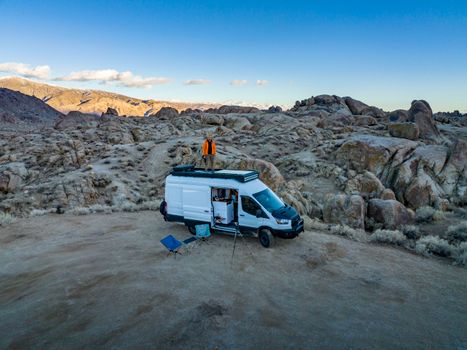
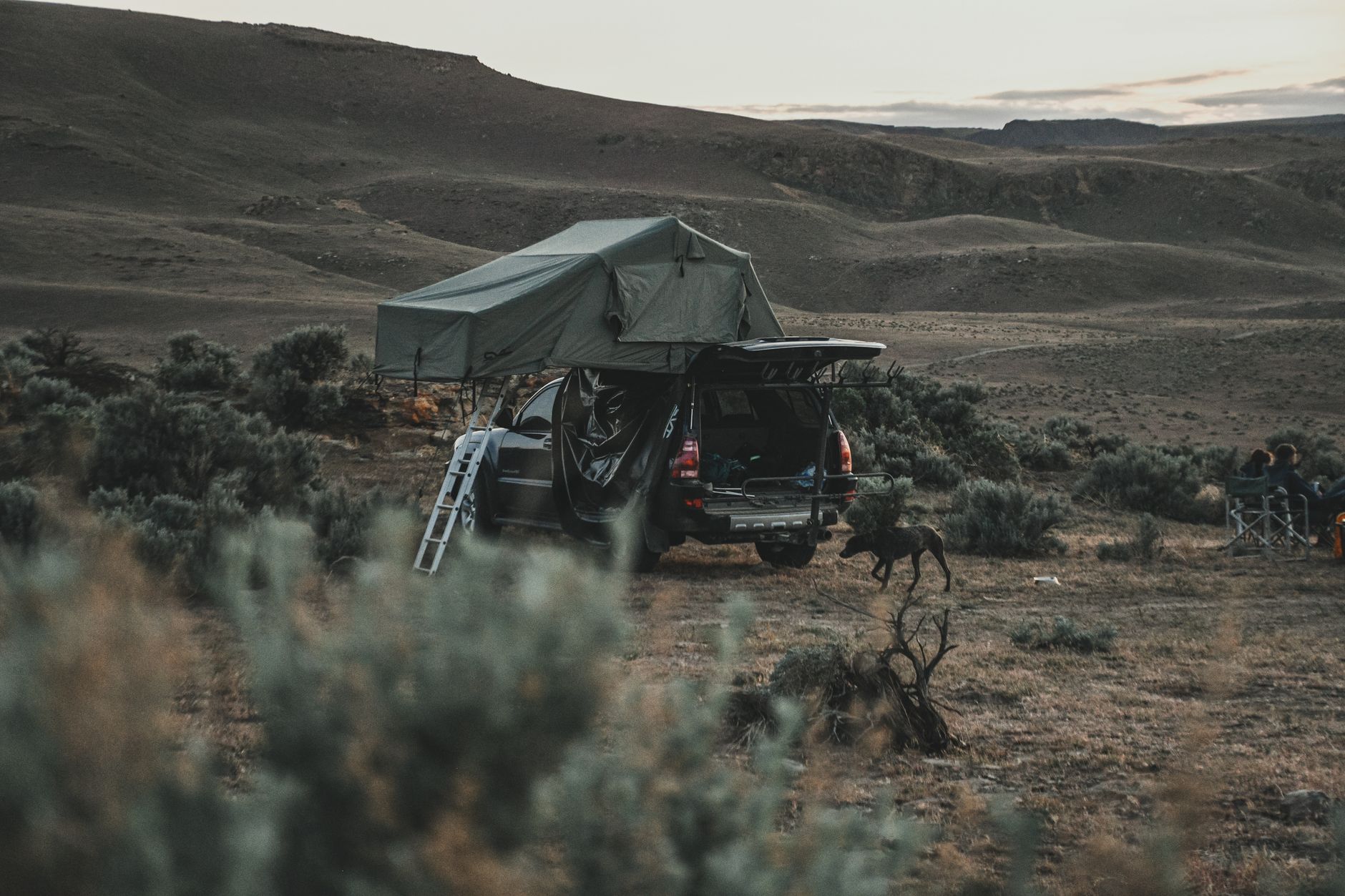
- Shelter: A sturdy tent, sleeping bag rated for the expected temperatures, and a comfortable sleeping pad. For vehicle campers, a well-equipped van or RV is perfect.
- Camp Kitchen: Portable stove, fuel, cooking pots, utensils, biodegradable soap.
- First-Aid Kit: Comprehensive and easily accessible.
- Lighting: Headlamps, lanterns, and extra batteries.
- Trash Bags: Plenty of them, to pack out everything.
- Shovel: For catholes and fire management.
- Recovery Gear: Jumper cables, basic toolkit, spare tire, tire repair kit. If going truly remote, consider a winch or traction boards.
- Sun Protection: Hat, sunglasses, sunscreen.
- Insect Repellent: Especially important in forested or lakeside areas.
Beyond the Campsite: Maximizing Your Free Trip
Free camping isn't just about saving money; it's about unlocking a deeper, more authentic travel experience.
- Embrace the Solitude: Disconnect from the digital world. Read, write, draw, meditate. Listen to nature.
- Explore: These locations are often gateways to incredible hiking, fishing, photography, and wildlife viewing.
- Learn New Skills: Practice your knot-tying, fire-starting, or navigation skills.
- Cook Amazing Meals: Without the rush of a campground, take your time to prepare delicious campfire meals.
- Stargaze: Without light pollution, the night sky is often the main event. Download a stargazing app to identify constellations.
Your Adventure Awaits!
The world of free camping is vast, beautiful, and waiting to be explored. It's a journey that challenges you, rewards you with unparalleled beauty, and connects you to nature in a profound way. It’s also a privilege that comes with great responsibility. By seeking out these hidden gems with respect, preparation, and a commitment to Leave No Trace, you're not just saving money – you're becoming a steward of these incredible places.
So, what are you waiting for? Dust off your gear, charge your GPS, and start planning your next great escape. The whispers of the wind, the roar of the ocean, and the magic of a million stars are calling. Go find your own secret spot, and remember to share your adventures (responsibly, of course!) with us. What's the most incredible free camping spot you've ever discovered? Let us know in the comments below!