The Hook: A Symphony of Scent and Discovery
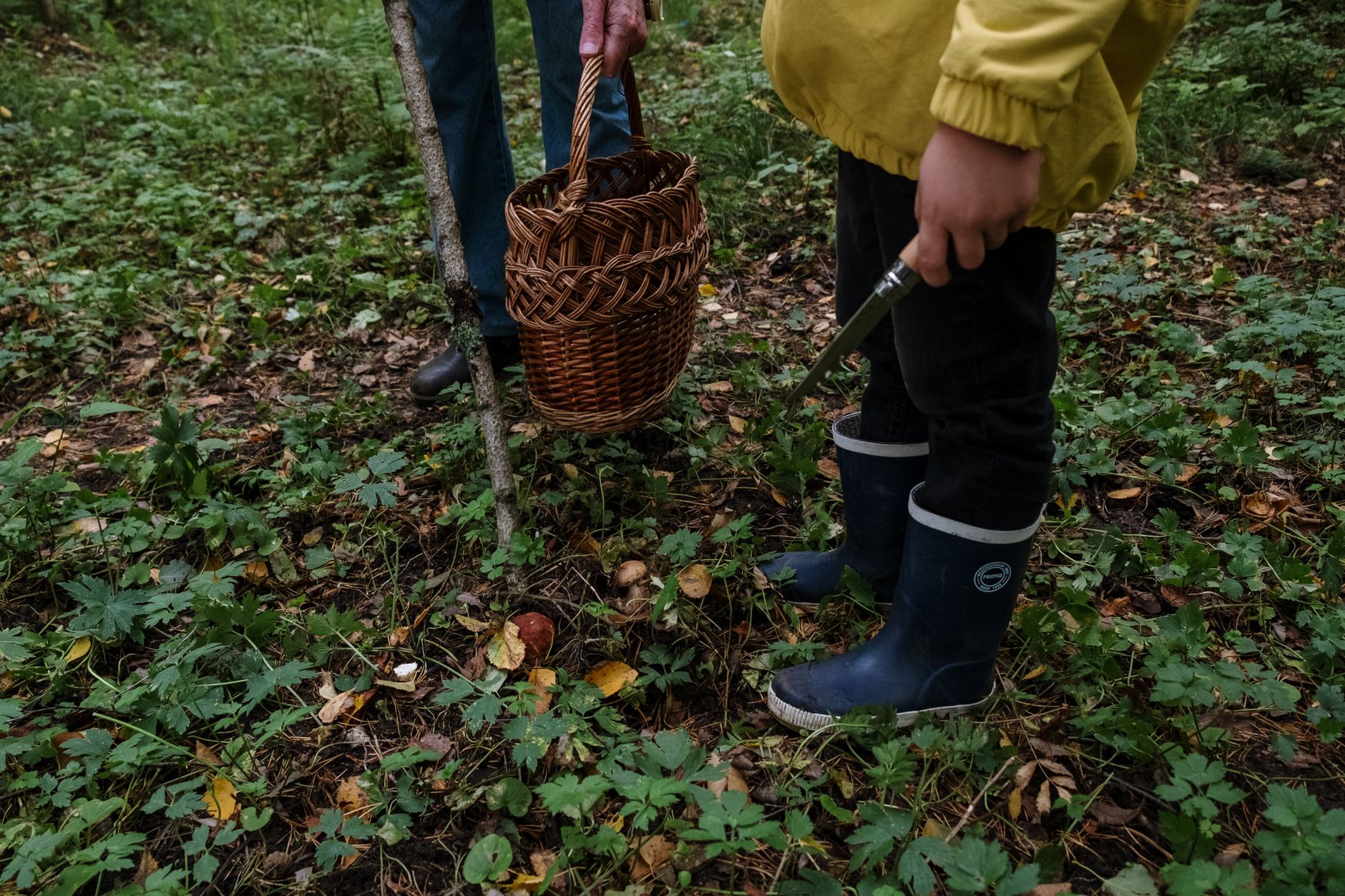
I stepped off the rickety train, the air thick with the scent of damp earth and pine needles, a perfume far more intoxicating than any city cologne. Below me, the mist clung to the rolling hills of Tuscany, a landscape I thought I knew, but now, with Marco, a weathered local whose hands seemed to hum with the secrets of the soil, I was about to discover a whole new dimension. He gestured to a patch of mossy ground, his eyes twinkling. "Ah, the ovolo. A good omen," he whispered, his voice a low rumble. This wasn't just a walk; it was an initiation, a delicious, earthy baptism into the heart of Italian wild food.
Beyond the Supermarket Aisle: Why Foraging with Experts is the New Luxury Travel
In an era saturated with curated experiences, the true luxury lies in authenticity. Foraging with a local expert isn't just about finding edible plants; it's about unlocking a profound connection to a place, its history, and its people. It’s about understanding the delicate balance of ecosystems and appreciating nature’s generosity in its purest form. Forget sterile cooking classes; this is hands-on, earth-to-table immersion that nourishes the soul as much as the stomach. These guides, often born and raised in their landscapes, possess a generational knowledge that no guidebook can replicate. They don't just identify a mushroom; they tell you its story, its ecological role, and perhaps even a folklore tale whispered down through their families.
Unearthing the Earth's Bounty: Top Foraging Experiences to Consider
Choosing the right foraging experience is key to a transformative journey. Here are a few gems that offer more than just a basketful of greens:
1. The Tuscan Truffle Hunt: A Scented Quest for Gold
Insider Scoop:
My truffle hunt with Marco in the rolling hills near San Miniato was nothing short of magical. The air, crisp and cool, carried the unmistakable, earthy aroma of Tuber magnatum pico – the prized white truffle. Marco, accompanied by his incredibly skilled dog, Luna, navigated us through dense oak and hazelnut groves. He didn't just point; he explained the symbiotic relationship between the truffle and the tree roots, the subtle signs of a truffle's presence, and the ethics of responsible harvesting. We didn't just find truffles; we witnessed a centuries-old tradition unfold.
- Pro-Tip: Visit during the prime truffle season (October to December) for the highest chance of a significant find. Early morning hunts offer the best light and fewer distractions.
- Authenticity: Marco shared his family's history in truffle hunting, including hand-drawn maps passed down through generations. The truffle-infused pasta we enjoyed later, made with our own find, was an experience I'll forever cherish.
2. Coastal Foraging in Cornwall, UK: Treasures of the Tide
Insider Scoop:
Along the rugged Cornish coastline, Sarah, a marine biologist and passionate forager, introduced me to a world of edible seaweed and coastal plants. The salty spray kissed my face as she pointed out sea spinach, samphire, and dulse, explaining their nutritional benefits and traditional uses. Her knowledge was encyclopedic, yet delivered with a warmth that made even the most obscure plant feel familiar. We learned to identify the "sea beans" that pop with briny flavor and the sea purslane that adds a peppery crunch.
- Pro-Tip: Check tide times religiously; low tide is your best friend for accessing coastal edibles. Wear sturdy, waterproof boots – the rocks can be slippery!
- Authenticity: Sarah shared recipes passed down from Cornish fisherfolk, incorporating foraged ingredients into simple, delicious dishes. We ended our session with a "seaweed salad" that tasted of the ocean itself.
3. Mushroom Mania in the Pacific Northwest, USA: A Fungal Feast
Insider Scoop:
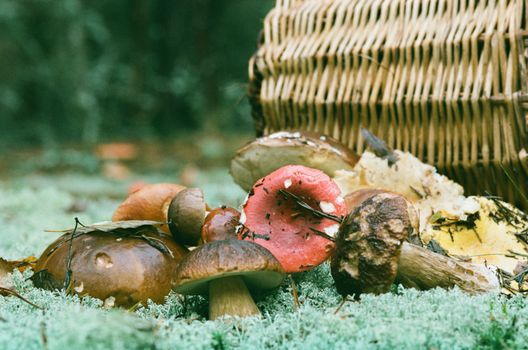
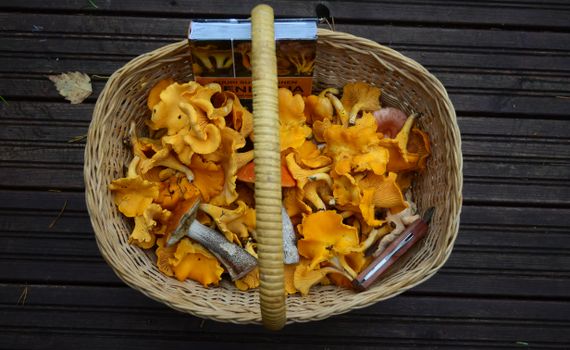
In the lush, moss-draped forests of Oregon, my guide, a mycologist named David, revealed the hidden kingdom of fungi. The air was alive with the scent of damp wood and decaying leaves, a perfect incubator for the treasures we sought. David's expertise was paramount; he patiently taught me the crucial distinctions between edible varieties like the Chanterelle and the deadly look-alikes. He emphasized the importance of habitat, spore prints, and the ethical "leave no trace" principle for sustainable mushroom hunting.
- Pro-Tip: Mushroom season varies greatly by region and weather. Research specific local seasons and consult with your guide about reliable spots. Always carry a basket, never a plastic bag, to allow spores to disperse.
- Authenticity: David shared his passion for the intricate fungal networks beneath the forest floor, explaining how they connect trees and support the entire ecosystem. He even shared his secret recipe for fried morels.
4. Wild Edibles of the Mediterranean: Greece's Green Gold
Insider Scoop:
In the sun-drenched hills of Crete, Yiayia Eleni, a woman whose age was as indeterminate as the ancient olive groves, led me on a foraging expedition. Her knowledge of wild greens – the horta – was simply astounding. She could identify dozens of edible leaves by scent alone, her fingers deftly plucking stamnagathi (wild chicory) and amanites (wild mushrooms). We learned about their medicinal properties and how they form the cornerstone of traditional Cretan cuisine.
- Pro-Tip: Visit in late spring when the wild greens are most abundant and tender. Yiayia Eleni advised me to wear a wide-brimmed hat and carry plenty of water.
- Authenticity: Yiayia Eleni invited us into her humble home to cook a meal with our foraged bounty, sharing stories of her childhood and the importance of these wild foods to her family's sustenance. The taste of sun-ripened greens, simply dressed with local olive oil, was pure bliss.
5. Foraging for Berries and Botanicals in the Scottish Highlands: A Highland Harvest
Insider Scoop:
Amidst the dramatic glens and heather-covered moors of Scotland, Flora, a local botanist with a twinkle in her eye, guided me through the art of berry and botanical foraging. The scent of damp earth and blooming heather filled the air. We discovered plump wild raspberries, tart rowan berries, and the delicate sweetness of blaeberries. Flora also showed us how to identify edible flowers and herbs, explaining their historical uses in traditional Scottish remedies and cuisine.
- Pro-Tip: Berry season is typically late summer to early autumn. Be aware of potential hazards like ticks and challenging terrain. Always confirm identification with your expert guide.
- Authenticity: Flora shared tales of Highland folklore, connecting the foraged plants to ancient myths and legends. She demonstrated how to make a simple wild berry jam, a taste of Scotland's untamed beauty.
The Art of Responsible Foraging: Respecting Nature's Larder
It's crucial to remember that foraging is a privilege, not a right. Engaging with local experts instills this respect from the outset. They teach you the golden rules:
- Know Before You Go: Never eat anything you haven't absolutely, positively identified with an expert.
- Take Only What You Need: Leave plenty for wildlife and for the plant to regenerate.
- Respect Private Property: Always obtain permission before foraging on private land.
- Understand Local Regulations: Some areas have specific rules about foraging.
- Leave No Trace: Pack out everything you pack in, and minimize your impact on the environment.
Quick Facts: Planning Your Foraging Adventure
| Experience | Estimated Cost (USD) | Best Time to Visit | How to Get There |
| :------------------------- | :------------------- | :----------------------- | :----------------------------------------------------------- |
| Tuscan Truffle Hunt | $200 - $500+ | Oct - Dec | Fly into Florence (FLR) or Pisa (PSA), then private transfer or rental car. |
| Cornish Coastal Foraging | $75 - $150 | May - Oct (low tide) | Fly into Newquay (NQY) or Exeter (EXT), then train or rental car. |
| PNW Mushroom Hunting | $150 - $300 | Sep - Nov (varies) | Fly into Portland (PDX) or Seattle (SEA), then rental car. |
| Cretan Wild Edibles | $50 - $100 | Apr - May | Fly into Heraklion (HER) or Chania (CHQ), then rental car. |
| Scottish Highlands Foraging| $100 - $200 | Jul - Sep | Fly into Inverness (INV) or Edinburgh (EDI), then train or rental car. |
Note: Costs are estimates and can vary based on the provider, duration, and inclusions.
Your Next Wild Adventure Awaits
Stepping into the wild with a local expert is more than a travel experience; it's a journey of discovery, a reconnection with the earth, and a deep dive into the heart of a culture. It’s about tasting the land, understanding its rhythms, and returning home with a profound appreciation for the edible wonders that surround us. So, ditch the predictable and embrace the extraordinary. Your next unforgettable adventure is waiting to be foraged.
---