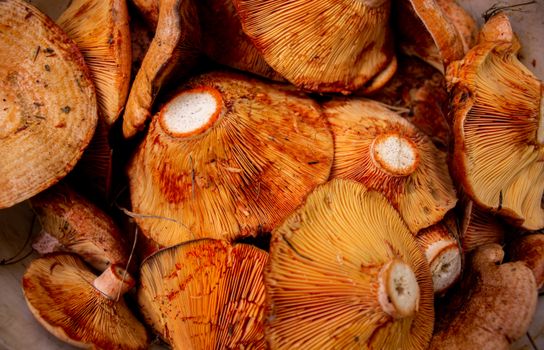
The Whispering Woods and the Promise of the Earth
I stepped off the train, the crisp autumn air biting at my cheeks, carrying the distinct scent of damp earth and decaying leaves. It was a fragrance that spoke of ancient secrets, of life and death intertwined, and of something profoundly wild. This wasn't just any forest; this was the Black Forest, a place where Grimm's fairy tales felt less like fiction and more like a whispered history lesson. My mission: to delve into the legendary woods and uncover the hidden culinary gems that lay nestled beneath their ancient canopy – the elusive, edible mushrooms.
Foraging, for me, is more than just a hobby; it's a pilgrimage. It's about connecting with the land on a primal level, understanding the rhythm of the seasons, and tasting flavors that no supermarket can replicate. And when you combine this with forests steeped in myth and legend, the experience transcends mere sustenance. It becomes an epicurean quest, a journey into the heart of folklore and flavor.
Beyond the Fairy Tales: Forests That Hold Culinary Secrets
The world is dotted with forests that have captivated human imagination for centuries. These aren't just places of breathtaking beauty; they are ecosystems teeming with life, including a dazzling array of fungi. While many are simply aesthetically pleasing, a select few, due to their unique microclimates, soil composition, and ancient flora, are renowned for hosting an abundance of delectable edible mushrooms.
We're not talking about a casual stroll and a handful of common button mushrooms. We're talking about hunting for chanterelles that shimmer like gold, porcini mushrooms with their meaty caps and intoxicating aroma, and truffles that are the very essence of earthy luxury. These are the legends of the forest floor, and the forests themselves are the keepers of their secrets.
1. The Enchanted Canopy: The Black Forest, Germany
The Hook:
Imagine walking through a dense pine forest, sunlight dappling through the impossibly tall trees, the air thick with the resinous scent of pine needles. The ground is a carpet of fallen leaves and moss, and with every step, you feel a sense of stepping back in time. This is the Black Forest, a place so steeped in legend that you half expect to see a witch's cottage or a mischievous imp peeking from behind a gnarled oak.
The Meat:
This vast expanse of rolling hills and dense woodland in southwestern Germany is famously associated with the Brothers Grimm. But beyond its fairy tale allure, the Black Forest is a treasure trove for mushroom foragers. Its diverse ecosystems, from damp, mossy valleys to sun-dappled clearings, provide ideal habitats for a variety of prized edible mushrooms.
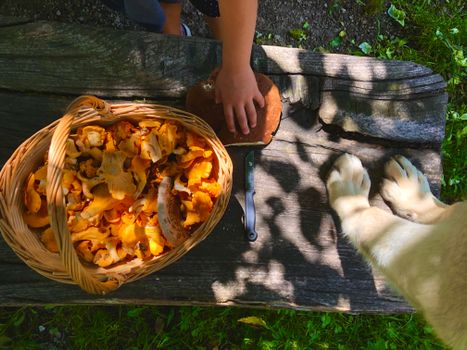
- Chanterelles (Pfifferlinge): These golden, trumpet-shaped mushrooms are the jewels of the Black Forest. They typically appear in late summer and autumn, often found near pine and spruce trees. Their delicate, peppery flavor is unforgettable.
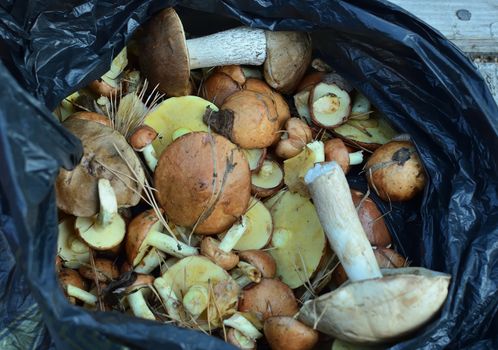
- Porcini (Steinpilz): The king of mushrooms! With their thick, meaty caps and robust, nutty flavor, porcini are a forager's dream. They thrive in mixed deciduous and coniferous forests and are usually found from late spring through autumn.
- Morels (Morchel): While more elusive and typically found in spring, morels are a highly sought-after delicacy. Look for them in the aftermath of forest fires or in disturbed soil near certain tree species. Their honeycomb-like cap and rich, earthy taste are unparalleled.
Pro-Tip:
For the best chance of finding chanterelles, aim for areas with mossy ground and good drainage, especially after a good rain. Look for them near the bases of mature pine trees.
Insider Language:
"You're looking for the Gold des Waldes – the gold of the forest. Keep your eyes peeled for that unmistakable golden hue against the dark earth."
2. The Emerald Labyrinth: The Pacific Northwest, USA & Canada
The Hook:
The air here is perpetually damp, carrying the scent of cedar, fir, and the rich, loamy earth. Mist often hangs low, shrouding the colossal trees in an ethereal veil. This is the Pacific Northwest, a region that feels ancient and untamed, where towering trees create a cathedral of green and the forest floor is a vibrant tapestry of mosses and ferns.
The Meat:
The temperate rainforests of the Pacific Northwest are a mycologist's paradise. The consistent moisture, mild temperatures, and abundance of decaying organic matter create perfect conditions for a staggering variety of fungi, including some of the most sought-after edibles.
- King Bolete (Porcini) (Boletus edulis): Just like in the Black Forest, the PNW's King Boletes are legendary. They prefer growing under Douglas fir, spruce, and hemlock trees. Their dense texture and rich, nutty flavor make them incredibly versatile in the kitchen.
- Matsutake (Pine Mushroom) (Tricholoma magnivelare): This highly prized mushroom has a distinct spicy, cinnamon-like aroma and a firm texture. They are often found in sandy soil under pine trees and are particularly popular in Japanese cuisine.
- Hedgehog Mushroom (Hydnum repandum): Easily identifiable by the small, tooth-like spines on the underside of its cap (instead of gills), the hedgehog mushroom has a mild, slightly peppery flavor and a firm texture that holds up well in cooking.
- Chanterelles (Cantharellus spp.): Various species of chanterelles are abundant here, particularly the golden chanterelle, which favors deciduous and coniferous forests.
Pro-Tip:
Visit after a period of heavy rain, especially in late summer and autumn. Look for King Boletes in areas with mossy ground beneath mature conifers.
Insider Language:
"You're hunting for the 'King' – a real boletus prize. Check the duff layer under the big firs; that's where they like to hide, waiting for the right moisture."
3. The Whispers of the Old World: The Ardennes, Belgium & Luxembourg
The Hook:
The Ardennes are a land of rolling hills, deep valleys, and ancient forests that have witnessed centuries of history, from Roman legions to World War II battles. The air here is cool and damp, carrying the scent of oak, beech, and the rich, earthy aroma of the forest floor. It’s a landscape that feels both rugged and serene.
The Meat:
The extensive deciduous and mixed forests of the Ardennes provide a fantastic environment for foraging, particularly for those looking for classic European edibles.
- Porcini (Cèpes/Steinpilz): The Ardennes are well-known for their excellent porcini harvests. They favor the shade of oak and beech trees. Their substantial size and incredible flavor make them a prime target for any forager.
- Chanterelles (Girolles/Pfifferlinge): These golden beauties are also a common find in the Ardennes, particularly in the more open, mossy areas of the forest, often near deciduous trees.
- Oyster Mushrooms (Pleurotus ostreatus): While often cultivated, wild oyster mushrooms can be found growing on dead or dying hardwood trees, adding a delicate, slightly anise-like flavor to your harvest.
Pro-Tip:
Explore the edges of clearings and the bases of mature oak and beech trees, especially after a good spell of rain in late summer and autumn.
Insider Language:
"Listen for the rustle in the feuilles mortes (dead leaves). That's where the cèpes are often hiding, plump and ready for your basket."
4. The Mystical Highlands: The Scottish Highlands, UK
The Hook:
The air is sharp, carrying the scent of peat, heather, and the brine of the nearby sea. Ancient Caledonian pine forests, interspersed with oak and birch, stretch across dramatic landscapes. The Highlands feel wild, untamed, and imbued with a sense of timeless magic, a perfect backdrop for a foraging adventure.
The Meat:
While not as globally renowned for fungi as some continental European or North American forests, the unique ecosystem of the Scottish Highlands offers some fascinating and delicious foraging opportunities, especially for those willing to explore.
- Ceps (Porcini) (Boletus edulis): While less common than in mainland Europe, Ceps can be found in certain areas of the Highlands, particularly in mixed woodlands with good drainage.
- Chanterelles (Cantharellus cibarius): These golden mushrooms are present in the Highlands, often found in mossy areas within mixed woodlands.
- Wood Blewit (Clitocybe nuda): This striking purple mushroom is a late-season forager's delight, often appearing in leaf litter and compost piles in woodlands from autumn into winter. It has a pleasant, slightly sweet flavor.
Pro-Tip:
Focus on areas with mature mixed woodlands and good soil drainage. Late autumn, after a period of rain, is your best bet for many species.
Insider Language:
"Keep an eye out for the 'King of the Forest' – the cep. They're shy here, but a good find in these old woods is like striking gold!"
The Forager's Code: Ethics and Safety First
Before you even dream of stepping into these legendary forests with a basket, remember this: foraging is a serious undertaking that demands respect, knowledge, and caution.
- Identification is Paramount: Never, ever eat a mushroom unless you are 100% certain of its identification. Misidentification can lead to severe illness or even death. Invest in good field guides specific to your region, take courses, and go with experienced foragers.
- Sustainability: Only take what you need. Leave plenty behind for the ecosystem to regenerate and for wildlife. Avoid disturbing the habitat unnecessarily.
- Know Your Local Laws: Some forests have restrictions on foraging. Always check local regulations before you go.
- Respect Private Property: Ensure you are foraging on public land or have explicit permission from landowners.
- The Golden Rule: If in doubt, throw it out. It's better to miss a meal than risk your health.
Quick Facts: Your Foraging Expedition Companion
| Aspect | Black Forest, Germany | Pacific Northwest, USA/Canada | Ardennes, Belgium/Luxembourg | Scottish Highlands, UK |
| :----------------- | :----------------------------------------------------- | :----------------------------------------------------- | :----------------------------------------------------- | :---------------------------------------------------- |
| Best Time to Visit | Late Summer to Autumn (August-October) | Late Summer to Autumn (August-October) | Late Summer to Autumn (August-October) | Late Summer to Autumn (August-October) |
| Estimated Costs| Moderate (transport, accommodation, gear) | Moderate to High (transport, accommodation, gear) | Moderate (transport, accommodation, gear) | Moderate (transport, accommodation, gear) |
| How to Get There | Train to Freiburg or Baden-Baden, then local transport. | Fly into Seattle, Portland, Vancouver. Rent a car. | Train to Luxembourg City or Liège, then car/bus. | Fly into Edinburgh or Glasgow, then car. |
| Key Foraged Items| Chanterelles, Porcini, Morels (spring) | King Bolete, Matsutake, Chanterelles, Hedgehog | Porcini, Chanterelles, Oyster Mushrooms | Ceps, Chanterelles, Wood Blewit |
| Terrain | Rolling hills, dense coniferous and mixed forests. | Temperate rainforest, towering conifers, mossy ground. | Rolling hills, deep valleys, dense deciduous forests. | Rugged terrain, ancient pine, oak, and birch forests. |
The Ultimate Foraging Gear
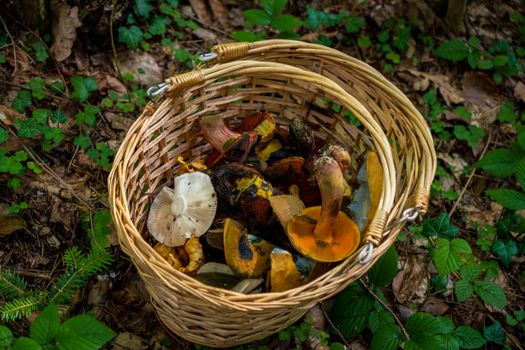
- Basket: A sturdy, breathable basket is essential. Avoid plastic bags, which can damage mushrooms and cause them to spoil quickly.
- Knife: A good foraging knife with a brush is crucial for cleaning mushrooms in the field.
- Field Guide: A reliable, region-specific mushroom identification guide.
- Compass/GPS: For navigation in unfamiliar terrain.
- Appropriate Clothing: Waterproofs, sturdy hiking boots, layers for changing weather.
- Small Brush: For gently cleaning dirt off mushrooms.
- Gloves: To protect your hands.
From Forest Floor to Feast: Simple Preparations
The beauty of foraged mushrooms lies in their intense, natural flavor. Often, the simplest preparations are the best.
- Sautéed Chanterelles: Gently sauté in butter with a touch of garlic and fresh parsley. Serve with crusty bread.
- Porcini Risotto: Thinly sliced porcini, sautéed and added to a creamy Arborio rice risotto.
- Mushroom Broth: Simmer mushroom stems and scraps to create an intensely flavorful broth for soups and sauces.
Remember, the journey is as important as the destination. The quiet contemplation, the thrill of discovery, and the connection to ancient landscapes are what make mushroom foraging in these legendary forests an experience you'll never forget. So, lace up your boots, grab your basket, and embark on an adventure that promises both wild beauty and culinary delight.