The Great Outdoors: Spring's Mainstream Awakening
I stepped off the train and into the crisp, new air, a symphony of birdsong replacing the rumble of the tracks. The scent of damp earth and unfurling blossoms – a perfume only spring can brew – filled my lungs. This wasn't just any weekend getaway; it was a conscious embrace of the burgeoning trend that’s sweeping the globe: outdoor experiences that have shed their niche status and are now firmly in the mainstream. Forget the dusty guidebooks of yesteryear; spring 2024 is all about accessible, awe-inspiring adventures that reconnect us with nature, often with a touch of modern comfort and community.
For years, certain activities were relegated to the hardcore adventurers or the truly bohemian. But something shifted. Perhaps it was the pandemic's stark reminder of what truly matters, or maybe it’s the rise of platforms that make sharing and discovering these experiences easier than ever. Whatever the catalyst, the great outdoors is no longer just for the intrepid few. It's for all of us. And this spring, the momentum is undeniable.
1. Glamping: The Luxe Leap into Nature
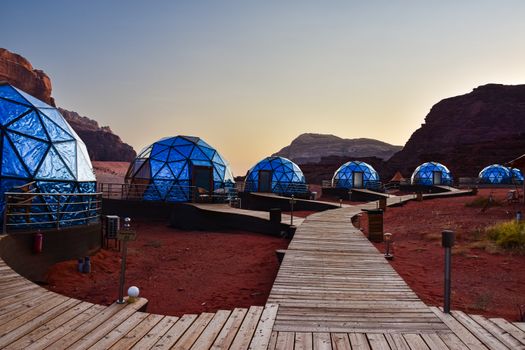
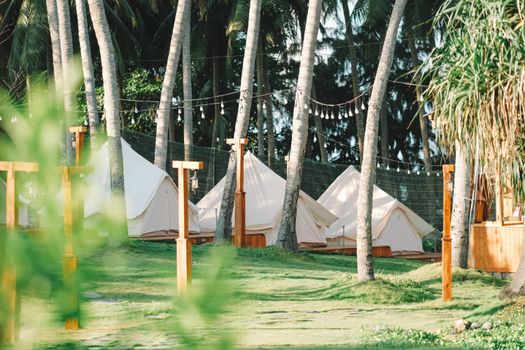
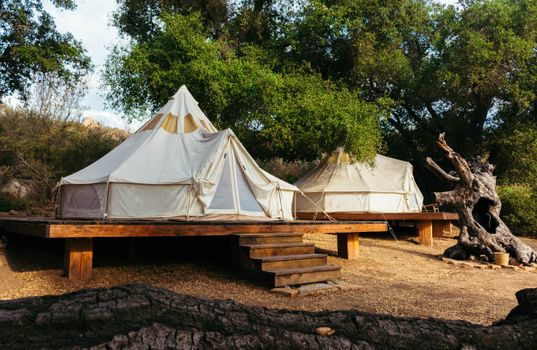
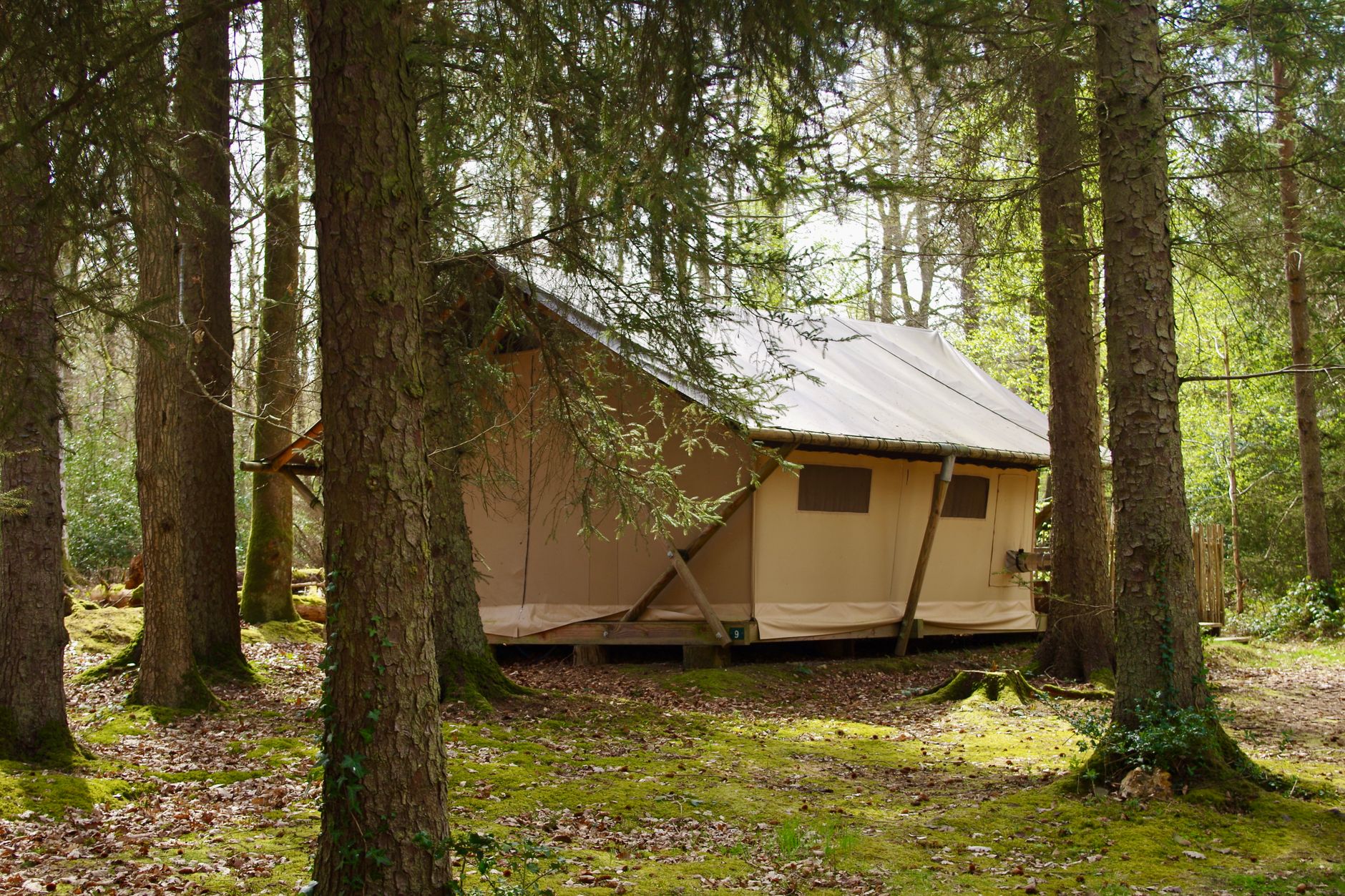
Remember roughing it? Now, imagine waking up in a plush king-sized bed, the morning sun filtering through canvas walls, with the scent of pine wafting in. Glamping has exploded, transforming camping from a rugged necessity to a stylish escape. It’s the perfect blend of adventure and indulgence, allowing you to experience the wilderness without sacrificing comfort.
This spring, glamping sites are popping up in every conceivable landscape – from desert oases to mountaintop vistas. Think geodesic domes with panoramic views, safari tents adorned with Persian rugs, or cozy cabins nestled beside babbling brooks. Many offer curated experiences, like farm-to-table dining or guided nature walks.
Pro-Tip:
Book well in advance, especially for popular weekends. Look for sites that emphasize sustainability and local integration. Some even offer ‘digital detox’ packages if you truly want to disconnect.
Quick Facts: Glamping
| Feature | Details |
| :------------- | :-------------------------------------------------------------------------------------------------------- |
| Estimated Cost | $150 - $500+ per night (depending on luxury level and location) |
| Best Time to Visit | Spring (mild weather, fewer bugs), Summer (warm nights), Fall (foliage) |
| How to Get There | Varies widely. Often requires a car. Some remote locations offer shuttle services from nearby towns. |
2. Foraging Workshops: Taste the Wild
The idea of foraging – identifying and gathering wild edible plants – used to conjure images of survivalists. Now, it's a sought-after culinary and educational experience. Foraging workshops are surging in popularity this spring, offering a hands-on way to connect with the land and learn about its bounty.
Imagine walking through a forest or meadow with an expert guide, learning to distinguish between edible berries and poisonous look-alikes, identifying medicinal herbs, and understanding the ecological significance of what you find. The reward? Often, it’s a delicious meal prepared with your foraged ingredients.
Insider Language:
We’re not just picking berries; we’re engaging in "slow food" education, understanding the provenance of our plate on a primal level. It's about "terroir", but for wild edibles.
Pro-Tip:
Choose a reputable guide with extensive local knowledge. Always confirm identification with your guide before consuming anything. Many workshops end with a communal meal, a fantastic way to bond with fellow foragers.
Quick Facts: Foraging Workshops
| Feature | Details |
| :------------- | :-------------------------------------------------------------------------------------------------------- |
| Estimated Cost | $50 - $200 per person (for a half-day or full-day workshop) |
| Best Time to Visit | Spring (wild garlic, nettles, early greens), Summer (berries, mushrooms), Fall (mushrooms, nuts) |
| How to Get There | Varies. Often held in parks, forests, or nature reserves accessible by car or public transport to a nearby town. |
3. Outdoor Yoga & Wellness Retreats: Namaste in Nature
Yoga studios have long been our sanctuary, but this spring, the sanctuary is expanding outdoors. Outdoor yoga and wellness retreats are booming, offering a holistic approach to rejuvenation amidst natural beauty. Think sunrise salutations overlooking a serene lake, or vinyasa flow under a canopy of ancient trees.
These retreats go beyond just yoga. They often incorporate meditation, mindfulness practices, healthy eating, and sometimes even gentle hikes or forest bathing. The combination of physical movement, mental calm, and the restorative power of nature is a potent elixir.
Pro-Tip:
Look for retreats that align with your desired intensity and focus. Some are purely relaxation-focused, while others offer more challenging physical activities. Pack layers, as spring weather can be unpredictable.
Quick Facts: Outdoor Yoga Retreats
| Feature | Details |
| :------------- | :-------------------------------------------------------------------------------------------------------- |
| Estimated Cost | $300 - $1000+ per person (for a weekend or longer retreat) |
| Best Time to Visit | Spring (mild temperatures, blossoming flora), Summer (warm days, longer daylight) |
| How to Get There | Varies. Many are located in rural or semi-rural areas, often requiring a car. Some offer airport transfers. |
4. Urban Hiking & Nature Immersion: Green in the City
Who says you need to leave the city to experience nature? Urban hiking trails and nature immersion experiences are gaining serious traction. Parks, riverfront paths, and even repurposed industrial landscapes are becoming havens for city dwellers seeking a quick escape.
This trend is about discovering the green lungs within our concrete jungles. It’s about finding hidden waterfalls in city parks, identifying native plants on a forgotten trail, or simply enjoying a mindful walk away from the traffic's roar. Many cities are investing in green infrastructure, making these pockets of nature more accessible and enjoyable than ever.
Insider Language:
We’re talking about "biophilia" in action – our innate human desire to connect with nature, even in an urban setting. It’s about finding "pocket parks" and "urban greenways" that offer genuine respite.
Pro-Tip:
Check local park websites or apps for trail maps and difficulty ratings. Many cities offer guided historical or nature walks through these urban oases. Carry a reusable water bottle and snacks.
Quick Facts: Urban Hiking
| Feature | Details |
| :------------- | :-------------------------------------------------------------------------------------------------------- |
| Estimated Cost | Free to $20 (for guided tours) |
| Best Time to Visit | Spring (wildflowers, pleasant temperatures), Fall (foliage) |
| How to Get There | Highly accessible via public transport, cycling, or walking within most cities. |
5. Electric Bike Tours: Effortless Exploration
Pedaling through scenic landscapes used to be a commitment. Now, electric bike tours are making exploration accessible and exhilarating for a wider audience. These tours are perfect for covering more ground, tackling hills with ease, and enjoying the scenery without breaking a sweat.
From vineyards to coastal paths, charming villages to historic routes, e-bike tours offer a flexible and fun way to see the world. Many are guided, providing local insights and historical context, while others are self-guided with GPS navigation.
Pro-Tip:
Ensure the tour operator provides well-maintained bikes and helmets. Ask about the route's elevation changes, even with e-bikes, to gauge your comfort level. Many tours include stops for local delicacies.
Quick Facts: Electric Bike Tours
| Feature | Details |
| :------------- | :-------------------------------------------------------------------------------------------------------- |
| Estimated Cost | $75 - $250+ per person (for a half-day or full-day tour) |
| Best Time to Visit | Spring (pleasant temperatures, blooming landscapes), Summer (warm weather), Fall (autumn colors) |
| How to Get There | Tour operators are often located in popular tourist towns or cities, accessible by train or car. |
6. Stargazing Experiences: Under a Blanket of Stars
Light pollution can obscure a celestial spectacle that has captivated humanity for millennia. Stargazing experiences, particularly in designated Dark Sky Parks or remote locations, are becoming a popular way to reconnect with the cosmos.
Imagine lying back on a comfortable mat, guided by an astronomer who points out constellations, planets, and distant galaxies. Spring often offers clear nights with fewer atmospheric disturbances, making it an ideal time to witness this silent, awe-inspiring show. Many resorts and observatories now offer dedicated stargazing programs.
Insider Language:
We're seeking "astrotourism" opportunities, chasing the "celestial sphere" away from urban glow. It’s about experiencing the "cosmic ballet" in its full glory.
Pro-Tip:
Check the lunar cycle; a new moon offers the darkest skies. Bring warm clothing, even in spring, as nights can get chilly. Binoculars or a telescope can enhance the experience.
Quick Facts: Stargazing Experiences
| Feature | Details |
| :------------- | :-------------------------------------------------------------------------------------------------------- |
| Estimated Cost | $30 - $150+ per person (for guided tours or observatory visits) |
| Best Time to Visit | Spring (clear skies, fewer insects), Summer (warm nights), Fall (clear skies) |
| How to Get There | Often requires travel to national parks, remote rural areas, or designated Dark Sky locations. |
7. Wildflower Viewing: A Symphony of Color
Spring is synonymous with blooming flowers, and wildflower viewing has transformed from a quiet nature walk into a sought-after pilgrimage. From rolling meadows carpeted in poppies to mountain slopes adorned with alpine blooms, the ephemeral beauty of wildflowers draws crowds.
This trend celebrates the transient, the vibrant, and the utterly natural. It’s about seeking out those specific windows of time when nature puts on its most spectacular show. Many regions are now actively promoting their wildflower seasons, offering maps and viewing guides.
Pro-Tip:
Research local wildflower forecasts. Visit early in the morning or late in the afternoon for the best light and fewer crowds. Crucially, stay on marked trails to protect the delicate ecosystems.
Quick Facts: Wildflower Viewing
| Feature | Details |
| :------------- | :-------------------------------------------------------------------------------------------------------- |
| Estimated Cost | Free (for public parks/trails) to $50+ (for guided tours or park entrance fees) |
| Best Time to Visit | Spring (peak bloom varies by region, typically March-May for many areas) |
| How to Get There | Varies greatly. Often accessible via car to national parks, state parks, or scenic drives. |
Embracing the Mainstream, Responsibly
The beauty of these mainstream outdoor experiences is their accessibility. They invite us to step outside, breathe deep, and reconnect. But as more people embrace these adventures, the importance of responsible tourism becomes paramount.
- Leave No Trace: Pack out everything you pack in. Stay on designated paths. Respect wildlife.
- Support Local: Choose local guides, accommodations, and businesses.
- Be Mindful: Understand the impact of your presence. Appreciate the natural beauty without disturbing it.
This spring, the call of the wild is louder than ever, and it's beckoning us all. Whether you're glamping under the stars or foraging for your next meal, these mainstream outdoor experiences offer a chance to discover, explore, and truly live. So, lace up your boots, pack your sense of adventure, and let's make this spring an unforgettable journey into the great outdoors.