The Sweetest Escape: My First Dive into the World of Bees
I stepped off the train, the air still carrying a faint, earthy scent from the countryside. But as I walked towards the small, sun-drenched village, a new aroma began to weave its way through the breeze – a delicate, floral sweetness, underscored by something warm and almost caramelized. It was the scent of honey, and it was intoxicating. I was here for an experience I’d only dreamed of: a hands-on beekeeping adventure followed by a tasting that promised to be nothing short of nectar from the gods. My usual travel itineraries are packed with ancient ruins and bustling markets, but lately, I’d been craving something more… grounded. Something that connected me directly to the earth, to nature’s quiet artisans. And what could be more artisanal than the humble bee?
Beyond the Jar: Unveiling the Magic of the Apiary
Forget sterile laboratories and abstract science. Beekeeping experiences are about stepping into a living, breathing ecosystem. The hum of thousands of tiny wings, the gentle dance of bees around the hive entrances, the sheer organized chaos – it’s a symphony of nature that instantly captivates. My guide, a weathered beekeeper named Elias with hands as steady as they were gentle, explained that each hive is a superorganism, a testament to cooperation and efficiency.
Pro-Tip:
Arrive early! Many apiaries offer morning sessions when the bees are most active and the air is cool and crisp, perfect for observation.
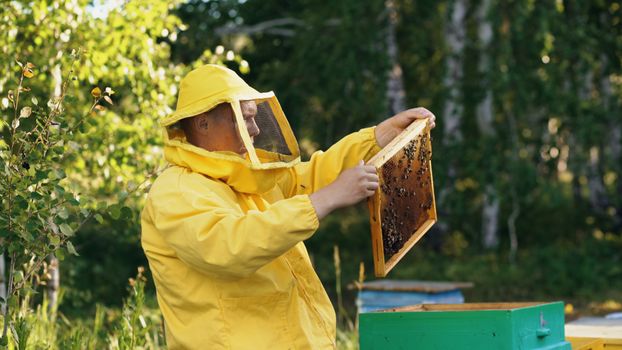
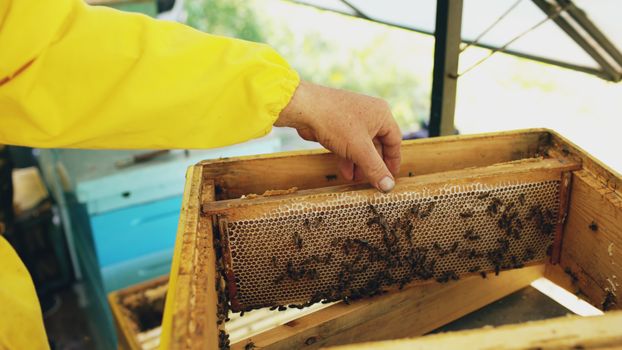
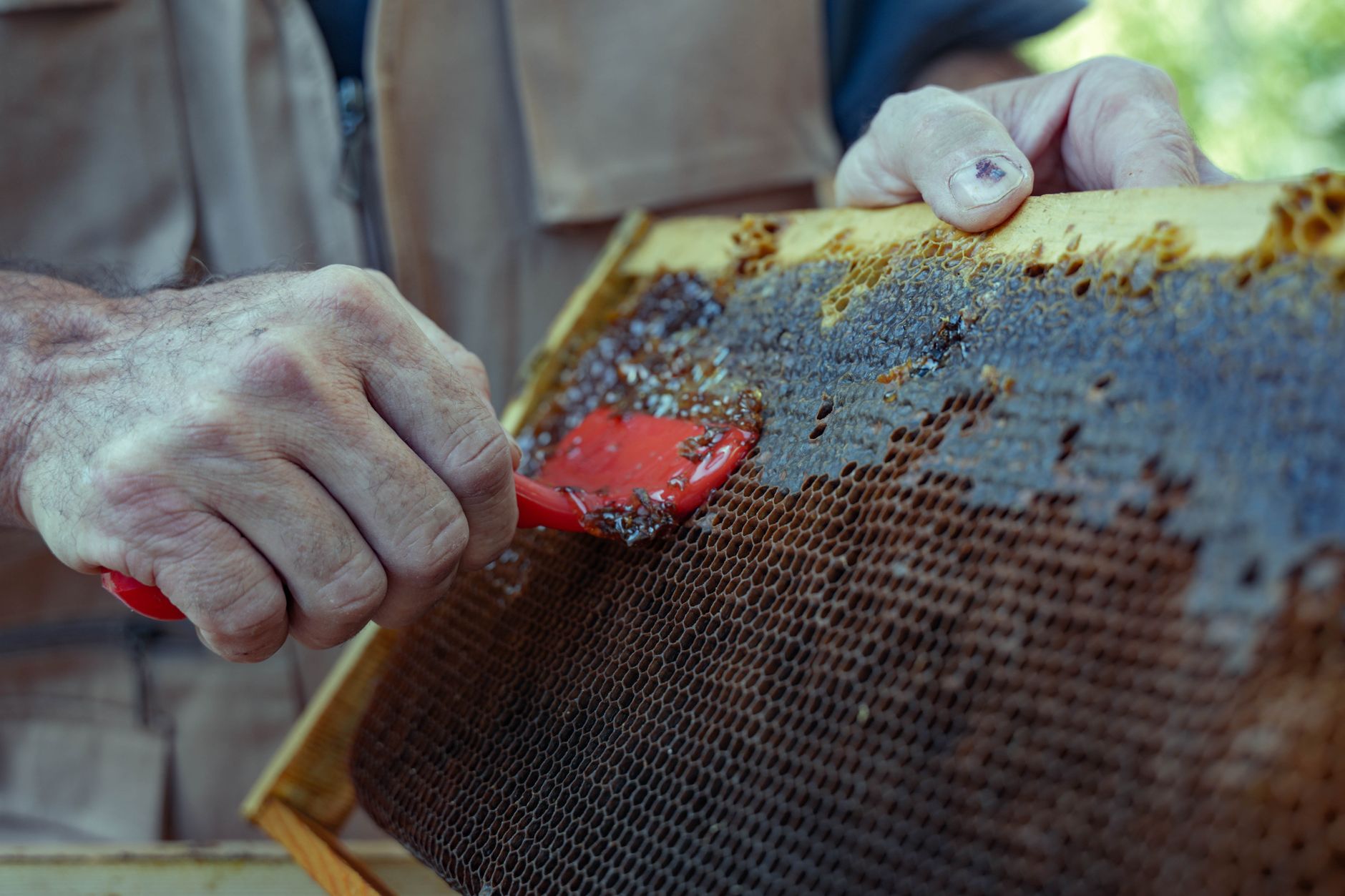
We donned our protective suits, feeling a mix of apprehension and childlike wonder. The weight of the veil, the slightly muffled sounds – it all added to the immersive feeling. Elias expertly lifted a frame from the hive, revealing a glistening world of hexagonal cells, some brimming with golden nectar, others holding developing larvae. It was a moment of pure, unadulterated awe. Seeing the queen bee, larger and with a distinctive elongated abdomen, moving with regal purpose amongst her subjects, was like witnessing a tiny, living monarchy.
The Art of Honey Tasting: A Journey for Your Palate
This is where the magic truly culminates. Honey tasting isn't just about popping a spoonful into your mouth. It’s a nuanced exploration of flavor, aroma, and texture, influenced by the flowers the bees have visited. Elias explained that different nectar sources yield vastly different honeys.
Decoding the Flavors: What to Expect
- Wildflower Honey: Often a complex blend, showcasing the diverse flora of the region. Expect notes of fruit, spice, and floral undertones.
- Acacia Honey: Light, delicate, and subtly sweet with a hint of vanilla. Its liquid form and slow crystallization make it a favorite.
- Buckwheat Honey: Dark, robust, and malty. This is for the adventurous palate, offering a bold, earthy flavor.
- Lavender Honey: A fragrant and aromatic delight, with distinct floral notes that transport you to a Provençal field.
Pro-Tip:
Swirl the honey on your spoon, let it coat your tongue, and breathe through your nose to fully appreciate the aromatic bouquet before swallowing.
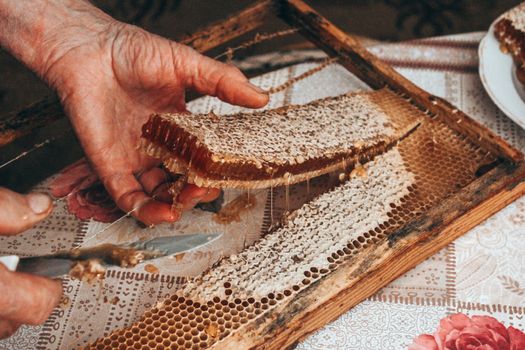
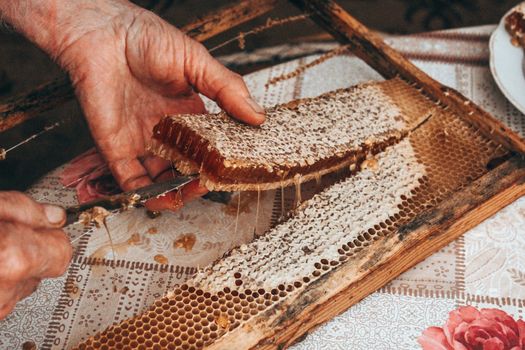
We tasted honeys that ranged from pale gold to deep amber, each with its own story. Some were light and fruity, others rich and almost savory. It was a revelation, a world away from the uniform sweetness of supermarket honey. Elias shared anecdotes about how local chefs and bakers use specific honeys to elevate their dishes, highlighting its culinary versatility.
Beyond the Tasting: Sustainable Practices and Bee Conservation
What struck me most about these beekeeping experiences is the deep commitment to sustainability and conservation. Elias wasn't just a beekeeper; he was a steward of the environment. He spoke passionately about the crucial role bees play in pollination, not just for crops, but for our entire ecosystem.
Insider Insight:
Many apiaries are involved in local conservation efforts, working to protect bee populations from pesticides and habitat loss. Your visit directly supports these vital initiatives.
We learned about the challenges bees face, from climate change to Colony Collapse Disorder, and the simple yet effective ways we can all help, like planting bee-friendly flowers in our gardens or choosing sustainably sourced honey. It transformed the experience from a tourist activity into an educational and empowering one.
Planning Your Sweet Sojourn: Quick Facts & Logistics
Ready to embark on your own beekeeping adventure? Here’s what you need to know:
| Aspect | Details |
| :----------------- | :------------------------------------------------------------------------ |
| Estimated Cost | $50 - $150 per person (varies by duration, included activities, and location) |
| Best Time to Visit | Spring to early Autumn (May - September) for optimal bee activity. |
| How to Get There | Varies by location; often accessible by car from major cities. Public transport may be limited. |
| What to Bring | Comfortable closed-toe shoes, long pants, a hat (under the veil), and an open mind! |
| Duration | Typically 2-4 hours for introductory experiences. |
Pro-Tip:
Book in advance! Popular beekeeping experiences, especially those with unique tasting sessions, fill up quickly. Check local listings and dedicated agritourism platforms.
The Buzz About Local Producers: Finding Your Perfect Apiary
The beauty of these experiences lies in their local flavor. You're not just visiting a generic farm; you're connecting with passionate individuals who are deeply rooted in their community and its natural bounty.
Authentic Experience:
Ask your host about their favorite local dishes that incorporate honey, or about the history of beekeeping in their family. These personal stories are the heart of the journey.
I found my experience through a local agritourism network, but a quick search for "beekeeping workshops near me" or "honey tasting farm tours" will reveal a wealth of options. Look for places that emphasize hands-on learning and sustainable practices.
My Sweetest Takeaway: More Than Just Honey
As I drove away, the scent of the apiary still clinging to my clothes, I felt a profound sense of connection. I had witnessed the tireless work of nature’s most important pollinators, learned about their intricate lives, and tasted the pure essence of the landscape. It was an experience that nourished not just my palate, but my soul. It was a reminder that the sweetest things in life are often the most natural, the most diligently crafted, and the most deeply appreciated. This isn't just a trip; it's an awakening to the incredible world buzzing just beyond our everyday lives.
---