I Stepped Into the Damp Morning Mist...
I stepped off the local regional train in Alba, Italy, and was immediately hit by the scent of wet limestone and decaying oak leaves. It’s a smell that most would find unremarkable, but to a trifolau (a traditional truffle hunter), it smells like money—and magic. My guide, Ezio, a man whose face looked like a topographical map of the Langhe hills, whistled for his dog, a scruffy Lagotto Romagnolo named Billy. Within minutes, Billy’s paws were frantic, spraying dark earth into the air.
Ezio knelt, pulled a small vanga (spade) from his belt, and gently unearthed a knobby, cream-colored White Alba Truffle. The aroma was intoxicating—garlic, musk, and honey. This wasn't a curated tourist trap; this was a generational ritual. According to recent data from the Global Wellness Institute, travelers are increasingly ditching "passive luxury" for these "active, earth-bound experiences." We want to get our fingernails dirty.
1. The Rise of "Wild Luxury": Why Foraging is the New Fine Dining
Recent industry reports from 2023-2024 indicate a massive shift in traveler behavior. "Regenerative travel" is no longer a buzzword; it’s a requirement. Foraging experiences with local experts according to recent data have seen a nearly 40% uptick in bookings, particularly among Gen X and Millennial travelers who value food sovereignty and environmental literacy.
We are tired of the sanitized grocery aisle. We want the story of the land. We want to know that the sea kale on our plate was plucked from the very shoreline we hiked that morning.
2. Hunting the "White Gold" of Alba, Italy
While many associate Italy with pasta and wine, the real action happens underground. Truffle foraging is the pinnacle of the craft.
- The Experience: You aren't just walking; you're learning the symbiosis between oak trees and fungi. Ezio taught me that truffles don't just grow anywhere—they require a specific pH balance and a "secret" handshake from the roots of the tree.
- Pro-Tip: Don’t book the "truffle experiences" advertised in the main squares of Alba. Instead, head to the smaller village of Roddi. The hidden entrance to the best hunting grounds is behind the ancient stone wall near the University of Truffle Dogs.
- The Insider Secret: Truffles found in the morning are fresher, but those found after a light rain are the most aromatic.
3. Seaweed and Saline Snaps: The Wild Atlantic Way, Ireland
In the West of Ireland, particularly around Sligo and Kerry, the "hedgerow to harbor" movement is exploding. I joined Prannie Rhatigan, a local doctor and seaweed expert, on a rocky outcrop at low tide.
- The Sensation: The air is thick with salt spray. We weren't looking for fish; we were looking for Dulse and Pepper Dulse (the "truffle of the sea"). It tastes like a spicy, oceanic beef jerky.
- Pro-Tip: Visit during a Spring Tide (the two days after a full or new moon). The water retreats further than usual, exposing the rarest "deep-water" kelps that are usually inaccessible.
- The Insider Secret: Look for the "Sea Spaghetti" (Himanthalia elongata). If you blanch it for exactly 30 seconds in boiling water, it turns bright neon green and mimics the texture of al dente pasta.
4. Fungal Gold in the Pacific Northwest, USA
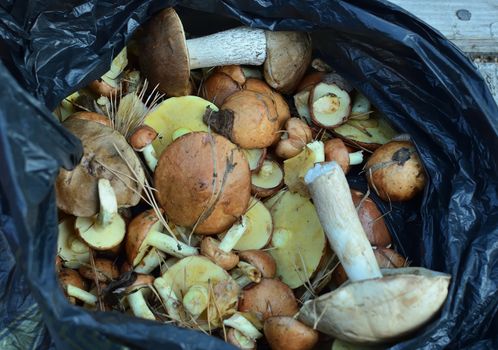
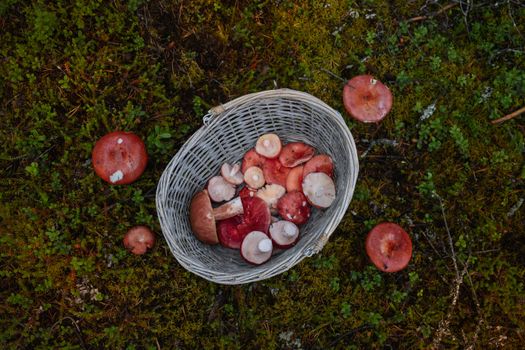
The damp, mossy corridors of the Cascade Mountains are the world’s premier destination for mushroom enthusiasts. Recent data from the North American Mycological Association shows a record number of permits issued to amateur foragers in Oregon and Washington this year.
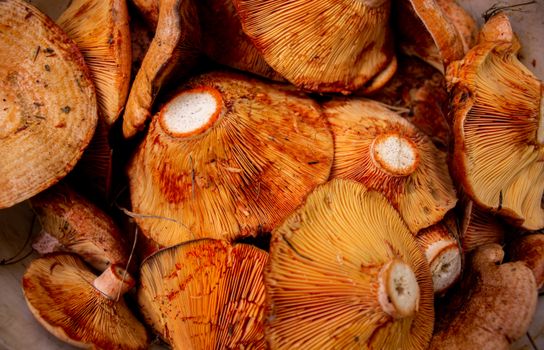
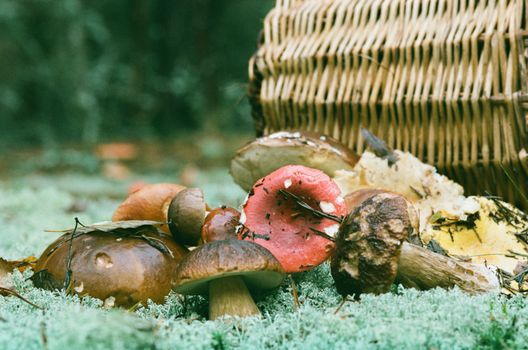
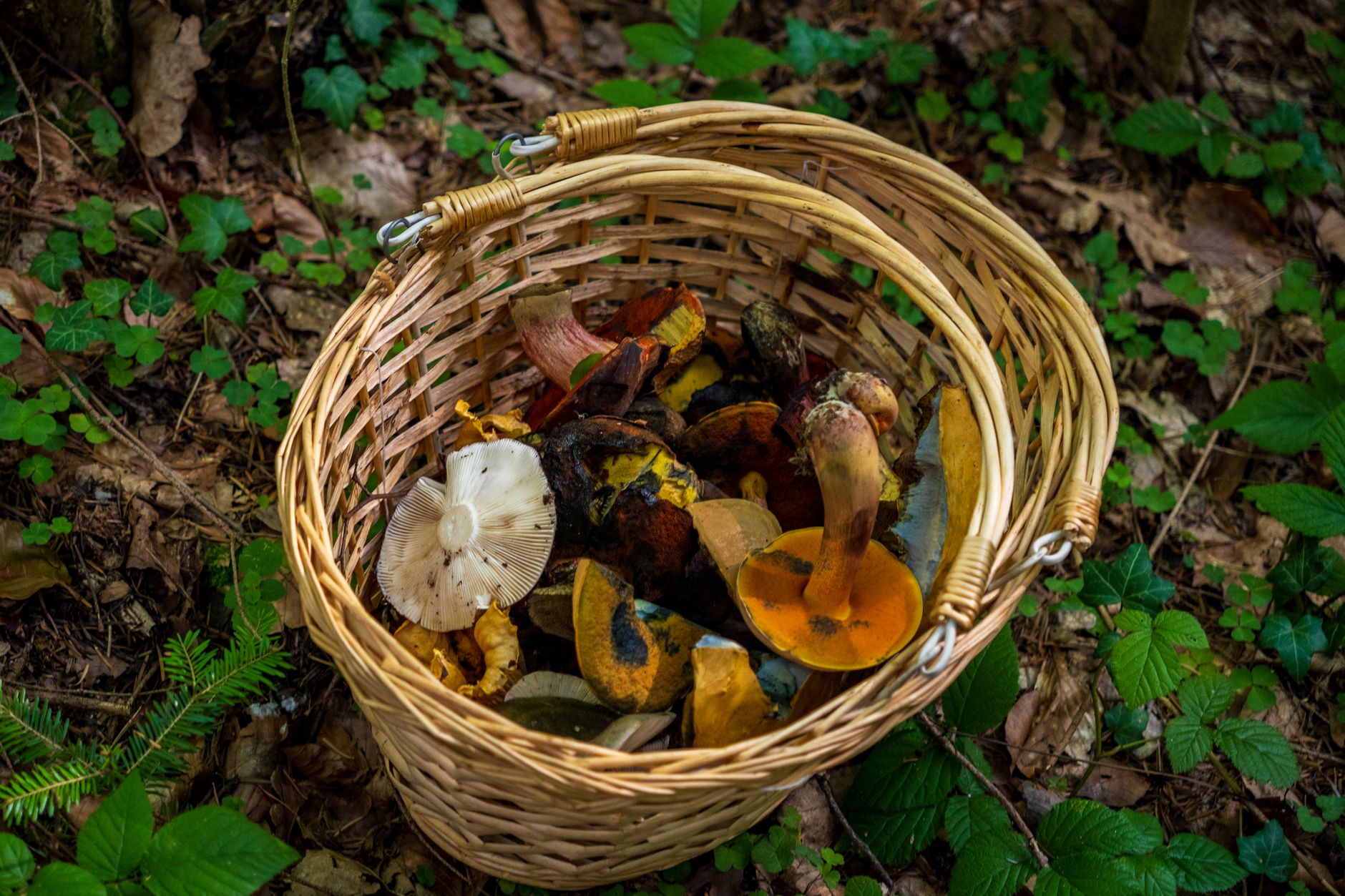
- The Hunt: I trekked with a local mycologist named "Moss" into the Gifford Pinchot National Forest. We were hunting for Chanterelles—bright orange, apricot-scented beauties that hide under the duff.
- Pro-Tip: Go at 7 AM on a Tuesday. The weekend warriors pick the trails clean by Saturday afternoon. The best patches are usually found near downed hemlock trees that have been dead for 3-5 years.
- The Insider Secret: If you find one, stop. Don’t move your feet. Chanterelles grow in "families." Look in a 10-foot radius from your first find, and you’ll likely find ten more.
5. Desert Alchemy: Sonoran Foraging in Arizona
Most people see the desert as a barren wasteland. Local Indigenous guides see a grocery store. Foraging experiences here are about resilience and timing.
- The Harvest: In late June, just before the monsoons, the Prickly Pear fruit and Saguaro blossoms are ready. I worked with a guide from the Tohono O’odham Nation who used a long picking pole made of cactus ribs to reach the high fruit.
- Pro-Tip: To avoid the microscopic "glochid" spines on prickly pears, use a propane torch to singe them off before handling.
- The Insider Secret: The Cholla buds taste exactly like asparagus tips but with a floral finish. They are a nutritional powerhouse, packed with calcium.
6. Nordic "Allemansrätten": The Freedom to Roam in Sweden
In Sweden, "Allemansrätten" (the right of public access) means you can forage almost anywhere. Data from Visit Sweden suggests that "Forest Bathing + Foraging" packages are their #1 selling eco-product for 2024.
- The Vibe: It’s quiet. It’s clean. We spent the afternoon picking Lingonberries and Cloudberries (the "Gold of the North").
- The Insider Secret: Cloudberries are notoriously difficult to find because they only grow in bogs. Look for the "white-flowered" plants in the marshy areas near Jämtland.
- Pro-Tip: Wear high-quality rubber boots. The bogs are deeper than they look, and "cloudberry fever" can lead you into some very soggy situations.
7. Safety, Ethics, and the "Forager’s Code"
According to recent data, the biggest barrier to entry for new foragers is the fear of poisoning. This is why local experts are non-negotiable.
- The 100% Rule: If you are not 100% sure of an identification, do not eat it. Not 99%. 100%.
- Sustainability: Never take more than 10% of a patch. Foraging is about stewardship, not extraction.
- Permission: Even in "Right to Roam" countries, always check local regulations regarding commercial vs. personal use.
Quick Facts: Logistics & Budget
| Destination | Best Time | Est. Cost (Half-Day) | How to Get There |
| :--- | :--- | :--- | :--- |
| Alba, Italy | Oct - Dec | $150 - $300 | Train from Turin (1hr) |
| Sligo, Ireland | April - Sept | €60 - €100 | Bus from Dublin or Galway |
| Oregon, USA | Sept - Nov | $100 - $200 | Rent a 4WD from Portland |
| Arizona, USA | June - July | $80 - $150 | Fly into Tucson |
| Jämtland, Sweden | Aug - Sept | $120 - $250 | Flight to Åre Östersund |
The Final Word
Foraging isn't just about the food. It’s about the recalibration of the senses. It’s about the way your heart skips when you spot a flash of orange chanterelle through the ferns, or the way the salt crusts on your skin after a morning on the Irish coast. According to recent data, we are lonelier and more "plugged in" than ever. The cure? A local expert, a sharp knife, and a basket.
Go get dirty.
---