The Concrete Jungle Has a Leak (And It’s Beautiful)
I stepped off the Sound Transit bus in Snoqualmie, the scent of rain-soaked Douglas fir immediately cutting through the lingering aroma of my morning Americano. Within three minutes—literally 180 seconds—the low hum of traffic was swallowed whole by a thunderous, visceral roar. I wasn't in the middle of the North Cascades; I was 30 miles from a city where people were currently arguing over spreadsheets.
The mist hit my face, cold and bracing, carrying that specific "ozone" smell you only get when tons of water decide to succumb to gravity. That’s the magic of an urban waterfall. It’s the ultimate "glitch in the Matrix"—a reminder that nature doesn't just exist in National Parks; it’s often waiting just past the last subway stop.
If you’re tired of the "tapestry of culture" fluff and want real, actionable escapes, here is the definitive list of waterfalls within easy reach of urban areas worth considering.
---
1. The Pacific Northwest Icon: Snoqualmie Falls (Seattle, USA)
You might recognize this 268-foot giant from the opening credits of Twin Peaks, but no screen can capture the sheer vibration in your chest when the Snoqualmie River is at high flow.
The Vibe:
Moody, cinematic, and intensely powerful.
The Insider Angle: Most tourists shuffle from the parking lot to the upper observation deck and leave. Don't be that person. Follow the Hoover Forest Trail down to the river base. It’s a steep half-mile, but you’ll trade the selfie sticks for a perspective that makes the Salish Lodge perched above look like a dollhouse.
Pro-Tip: Visit during a "Pineapple Express" rain event in late autumn. The volume of water triples, and the roar becomes deafening. Afterward, grab a "Twin Peaks" cherry pie at Twede’s Cafe in nearby North Bend.
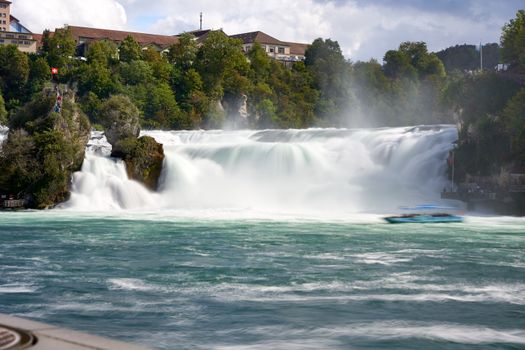
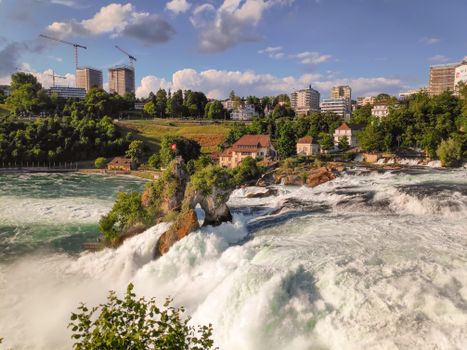
2. The European Powerhouse: Rhine Falls (Zurich, Switzerland)
Switzerland is essentially one giant postcard, but the Rhine Falls (Rheinfall) is its most accessible adrenaline rush. It is the most powerful waterfall in Europe, and it’s a mere 45-minute train ride from Zurich’s Hauptbahnhof.
The Vibe:
Engineered precision meets raw, chaotic power.
The Insider Angle: Take the SBB train to the Neuhausen Rheinfall station. Instead of just looking, pay the few francs to enter the Schloss Laufen. There’s a glass elevator that descends the cliffside, putting you inches away from the churning water.
Pro-Tip: Take the "Yellow Boat" (Line 1). It’s the only one that docks at the central rock in the middle of the falls. Climbing the narrow stairs to the top of that rock while the Rhine crashes around you is the closest you’ll get to feeling like a Viking in the 21st century.
3. The Vertical Marvel: Montmorency Falls (Quebec City, Canada)
At 272 feet, Montmorency Falls is actually 98 feet taller than Niagara. The best part? You can get there via a 15-minute Uber or a scenic bike ride from Old Quebec.
The Vibe:
Grandiose, historic, and surprisingly versatile.
The Insider Angle: Most people take the cable car. If your knees are up for it, take the 387-step staircase that clings to the side of the cliff. It offers "soaking zones" where the spray cools you down mid-climb.
Pro-Tip: Visit in February. The spray freezes into a massive ice cone known as the "Sugar Loaf" (Pain de Sucre) at the base. Locals bring their gear and ice-climb the frozen falls—it’s a spectacle you won't see in the tropics.
4. The Subtropical Secret: Waterfall Bay (Hong Kong)
Hong Kong is the world’s most vertical city, but tucked between the high-rises of Pok Fu Lam and the South China Sea is a genuine cascade that spills directly into the ocean.
The Vibe:
Dystopian chic meets tropical oasis.
The Insider Angle: The falls are located in Waterfall Bay Park. Look for the "Statue Garden" nearby—a bizarre and beautiful collection of hundreds of discarded Buddhist and Taoist statues left by locals over the decades.
Pro-Tip: Go after a heavy summer monsoon rain. During the dry season, it can be a trickle, but after a storm, it’s a legitimate torrent framed by the skyline of Lamma Island in the distance.
5. The Urban Legend: Minnehaha Falls (Minneapolis, USA)
Immortalized by Longfellow’s The Song of Hiawatha, this 53-foot waterfall is the heart of Minneapolis’s park system. It’s accessible via the Blue Line light rail, making it perhaps the easiest "wild" experience in the American Midwest.
The Vibe:
Whimsical, community-focused, and lush.
The Insider Angle: The "hidden" entrance to the lower glen is just past the Longfellow House. Follow the creek all the way to the Mississippi River. The limestone bluffs hide several smaller, unnamed "trickle" falls that are perfect for quiet reflection.
Pro-Tip: Eat at Sea Salt Eatery right in the park (open seasonally). Their calamari tacos and a local craft beer are the mandatory post-waterfall ritual for any self-respecting Minneapolitan.
---
Quick Facts & Logistics
| Waterfall | City | Transit Method | Est. Cost (USD) | Best Time |
| :--- | :--- | :--- | :--- | :--- |
| Snoqualmie | Seattle | Bus 208 / Car | $5 - $15 | Oct - May |
| Rhine Falls | Zurich | SBB Train (S9/S12) | $25 (Rail fare) | June - July |
| Montmorency | Quebec City | Bus 800 / Bike | $3.50 - $20 | Year-round |
| Waterfall Bay | Hong Kong | Bus 4 / 970 | $2 | Post-Rain |
| Minnehaha | Minneapolis | Light Rail (Blue) | $2.50 | May - Oct |
---
The Pro-Traveler’s Checklist for Urban Cascades
To truly master the art of visiting waterfalls within easy reach of urban areas worth considering, you need more than just a map. You need a strategy.
- The Golden Hour Rule: Urban falls get crowded. If you aren't there by 7:30 AM, you’re sharing the view with a tour bus. The lighting at dawn also cuts through the mist better for photos.
- The "Dry Bag" Hack: Even if you don't plan on getting wet, the "urban mist" is relentless. I always carry a 5L dry bag for my camera and phone.
- Footwear Matters: Don't let the "urban" label fool you. Wet limestone is slicker than an oil spill. Wear shoes with Vibram soles or decent lugs. Leave the flip-flops for the hotel pool.
- Check the Flow: Use apps like RiverFlows or local utility websites. There’s nothing worse than trekking to a waterfall during a drought only to find a "leaking faucet."
Why It Matters
We live in a world of notifications and concrete. Finding a place where the frequency of falling water cancels out the frequency of your ringtone isn't just a "nice trip"—it’s a biological necessity. These urban waterfalls offer a reset button that doesn't require a passport or a week of PTO.
The next time you find yourself in a city, look at the map. Look for the blue lines. Somewhere, just past the suburbs, a river is dropping off a cliff. Go find it.
*