The Scent of Transformation: My First Foray into Global Fermentation
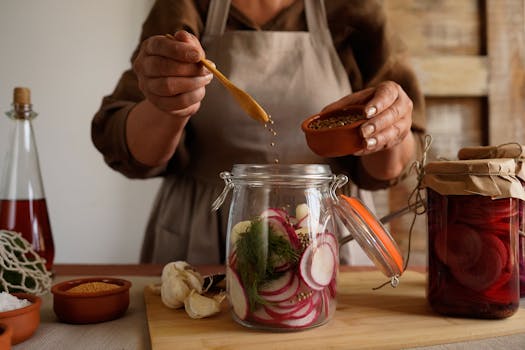
I stepped off the train in a blur of unfamiliar sounds and a kaleidoscope of colors. The air in this small, sun-drenched town wasn't just warm; it was alive. It carried the earthy tang of aging cheese, the sharp zest of fermented lemons, and the subtle, almost intoxicating aroma of something bubbling away in terracotta pots. This wasn't the polished perfection of a Michelin-starred restaurant; this was raw, vibrant, and utterly captivating. This was my introduction to the world of artisanal fermentation, a journey that began not in a bustling metropolis, but in a quiet corner of the Balkans, guided by a local woman whose hands, dusted with flour and wisdom, were about to teach me the ancient art of transformation.
As a travel journalist constantly chasing the next authentic experience, I’ve found that the most profound connections often happen in the most unexpected places. And when it comes to culinary exploration, the world of fermentation is a goldmine, brimming with traditions passed down through generations. Forget your standard cooking classes; we're talking about diving headfirst into the bubbling, tangy, and utterly delicious world of fermented foods. These aren't just workshops; they're immersive journeys into the heart of a culture, guided by the very people who keep these ancient practices alive.
Beyond the Obvious: Why Travel Advisors Are Pointing Us to Fermentation Hotspots
It’s easy to think of fermentation as something that happens in your own kitchen – a jar of sauerkraut here, a sourdough starter there. But the truth is, many countries have deeply ingrained, centuries-old fermentation traditions that are far more complex and diverse than we often imagine. Travel advisors, those wizards of insider knowledge, are increasingly recognizing the profound appeal of these hands-on experiences. They understand that travelers today crave authenticity, a deeper understanding of local life, and, of course, incredible food.
Why fermentation?
It’s a window into resourcefulness, sustainability, and community. It’s about preserving the bounty of the harvest, enhancing flavors, and unlocking vital nutrients. And learning it directly from local artisans, in the very places where these traditions were born, is an unparalleled way to connect with a destination.
1. The Tangy Heart of the Balkans: Mastering Bulgarian Lutenitsa and More
My journey began in Bulgaria, a country often overlooked for its culinary prowess. But oh, what a mistake that is! The air here is thick with the scent of roasted peppers and the promise of delicious preserves. I found myself in a small village, invited into the home of a grandmother who was preparing lutenitsa, a staple spread made from roasted peppers, tomatoes, and eggplant.
The Workshop:
This wasn’t a formal class; it was an invitation to participate. We spent hours roasting peppers over an open fire, the smoky aroma clinging to our clothes. Then came the peeling, the mashing, and the slow, patient simmering. We also learned to make kiselo mlyako (Bulgarian yogurt), a creamy, tangy delight that’s the foundation of so many Balkan dishes.
Pro-Tip:
Visit during late summer or early autumn (August-October) when the vegetables are at their peak and the harvest season is in full swing. Many families will be making their winter preserves, offering you a genuine glimpse into this tradition. Look for small, family-run guesthouses or agriturismos that often offer these informal workshops.
Quick Facts: Bulgarian Fermentation Immersion
- Estimated Cost: $50 - $150 per day (includes workshop, meals, and basic accommodation).
- Best Time to Visit: Late Summer/Early Autumn (August-October).
- How to Get There: Fly into Sofia (SOF) or Plovdiv (PDV). Rent a car or arrange private transfers to smaller villages. Public transport can be slow and infrequent.
Insider Language:
Don't be surprised if you're offered rakia (a potent fruit brandy) as you work. It's a sign of hospitality and a way to warm up the soul! The subtle sweetness of the roasted red peppers, combined with the slight tang of the tomatoes, creates a flavor profile that’s both comforting and complex.
2. The Spicy Soul of Southeast Asia: Kimchi and Beyond in South Korea
South Korea is synonymous with kimchi, but the depth and variety of fermented foods here go far beyond this iconic dish. From gochujang (chili paste) to doenjang (soybean paste) and ganjang (soy sauce), fermentation is woven into the very fabric of Korean cuisine.
The Workshop:
I participated in a kimjang (kimchi-making) workshop in a traditional hanok village. It was a communal affair, with dozens of local women and a few enthusiastic tourists gathered around large tables laden with cabbages, radishes, and a vibrant red paste. We learned to prepare the paste – a symphony of garlic, ginger, chili flakes, and fermented seafood – and then meticulously slathered it onto each cabbage leaf. The rhythmic slapping of cabbage leaves and the chatter in Korean created an infectious energy.
Pro-Tip:
Seek out workshops offered by local cultural centers or reputable food tourism companies. Many offer English-speaking guides. For a truly authentic experience, try to join a workshop during the official kimjang season (late autumn, typically October-November), when families traditionally gather to make large batches of kimchi for the winter.
Quick Facts: Korean Kimchi & Fermentation
- Estimated Cost: $75 - $200 per workshop (often includes lunch and a take-home portion of kimchi).
- Best Time to Visit: Autumn (October-November) for kimjang. Spring (April-May) for lighter fermented dishes.
- How to Get There: Fly into Incheon (ICN) or Gimpo (GMP). Major cities like Seoul and Busan have excellent public transport. For rural workshops, consider a KTX train followed by a local bus or taxi.
Authenticity:
The kimchi paste isn't just spicy; it's a complex blend of gochugaru (Korean chili flakes), fermented shrimp (saeujeot), and fish sauce (aekjeot). The crisp, slightly sweet crunch of the napa cabbage is essential, and the fermentation process itself creates that signature umami depth.
3. The Ethiopian Enigma: Mastering Injera and Fermented Teff
Ethiopia’s cuisine is a revelation, and at its heart lies injera, the spongy, sourdough flatbread that serves as both plate and utensil. The unique tang and texture of injera come from the slow fermentation of teff flour, a tiny, ancient grain native to Ethiopia.
The Workshop:
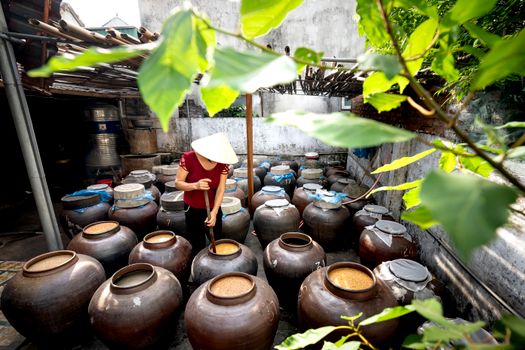
I found a small, family-run establishment in Addis Ababa that offered an injera-making class. It was a lesson in patience and tradition. We started with the ersho, a sourdough starter that had been lovingly nurtured for years, its sour aroma a testament to its age. The process involved mixing the ersho with water and teff flour, then allowing it to ferment for several days, stirring it daily. The actual cooking of the injera on a large, circular griddle (mitad) was a mesmerizing dance of pouring, spreading, and flipping.
Pro-Tip:
Engage with local guides or your accommodation to find authentic injera workshops. Many are informal and advertised through word-of-mouth. Visiting during the rainy season (June-September) can be interesting, as the humidity aids fermentation, but be prepared for travel disruptions.
Quick Facts: Ethiopian Injera Making
- Estimated Cost: $40 - $100 per workshop (often includes a meal).
- Best Time to Visit: Year-round, but June-September can be ideal for fermentation due to humidity.
- How to Get There: Fly into Addis Ababa Bole International Airport (ADD). Local transport within the city includes taxis and minibuses. For workshops outside the capital, consider private drivers.
Insider Language:
The ersho is the soul of the injera. Its tangy, slightly yeasty aroma is crucial. The injera should have a slightly bubbly surface and a soft, pliable texture, perfect for scooping up rich wots (stews).
4. The Nordic Secret: Preserving the Arctic Bounty in Iceland
Iceland, with its dramatic landscapes and resourceful people, has a fascinating history of food preservation, including fermentation. Think hákarl (fermented shark), but also more approachable delights like fermented fish and dairy.
The Workshop:
I joined a workshop focused on traditional Icelandic preservation techniques in a coastal town. While hákarl was discussed (and cautiously sampled!), the focus was on more accessible ferments like skyr (a thick, strained yogurt) and naturally fermented rye bread. We learned about the importance of the cold climate in slowing down fermentation and the traditional methods of using whey and salt.
Pro-Tip:
Look for workshops offered by local heritage centers or culinary schools, especially in towns outside of Reykjavik. Visiting during the winter months (November-March) offers a unique atmosphere and highlights the necessity of preservation in such a climate.
Quick Facts: Icelandic Fermentation
- Estimated Cost: $100 - $250 per workshop (can be more comprehensive, including meals and ingredient sourcing).
- Best Time to Visit: Year-round, but winter offers a starkly beautiful and relevant context for preservation.
- How to Get There: Fly into Keflavík International Airport (KEF). Renting a car is highly recommended for exploring beyond Reykjavik.
Authenticity:
The slightly sour, dense texture of fermented rye bread, often baked using geothermal heat, is a taste of Iceland's rugged past. The richness of skyr, achieved through a straining process that removes whey, is a testament to their dairy mastery.
5. The Andean Alchemy: Fermented Corn and Roots in Peru
Peru’s culinary scene is exploding, but beneath the avant-garde restaurants lies a rich history of indigenous food practices, including fermentation. Chicha de jora (a fermented corn beer) is perhaps the most well-known, but many other local roots and grains are also fermented.
The Workshop:
I found a workshop in a rural community in the Sacred Valley that focused on traditional Andean fermentation. We learned to prepare chicha de jora from scratch, starting with germinating corn kernels, then boiling and fermenting them with a special enzyme-rich ingredient called ch’amaq. The process was communal and deeply rooted in agricultural cycles. We also explored the fermentation of local roots for creating unique beverages.
Pro-Tip:
Seek out community-based tourism initiatives or cultural centers in rural Andean regions. These are often the most authentic places to learn about traditional fermentation. The harvest season (May-August) is an excellent time to experience these traditions.
Quick Facts: Peruvian Andean Fermentation
- Estimated Cost: $60 - $120 per workshop (often includes meals and cultural exchange).
- Best Time to Visit: Dry season (May-August) for harvest-related activities.
- How to Get There: Fly into Cusco (CUZ). Arrange transport with local guides or community tourism operators to reach rural villages.
Insider Language:
The subtle sweetness of the germinated corn, followed by the earthy, slightly sour notes of the fermented chicha, is a taste of ancient Andean life. The careful preparation of ch’amaq is key to unlocking the sugars and achieving the perfect fermentation.
The Takeaway: Fermentation is More Than Just Food
These workshops are not just about learning recipes; they are about understanding the ingenuity, resourcefulness, and cultural significance of food preservation. They offer a tangible connection to the land, the seasons, and the people who have sustained these traditions for centuries.
As I reflect on these experiences, I realize that the true magic of fermentation lies in its ability to transform humble ingredients into something extraordinary. It’s a slow, deliberate process that mirrors the journey of travel itself – one that requires patience, openness, and a willingness to embrace the unexpected. So, next time you’re planning a trip, consider looking beyond the usual tourist trails and diving into the bubbling, tangy, and utterly delicious world of fermentation workshops. Your taste buds, and your soul, will thank you.
---