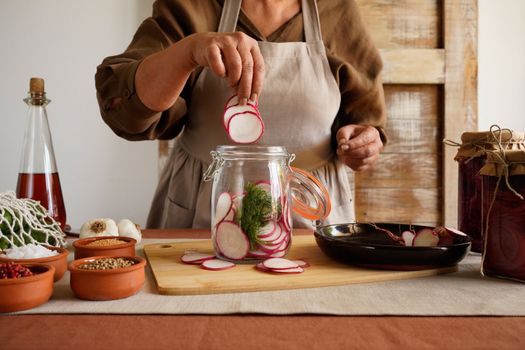
The Wild and the Alive: Ultimate Fermentation Workshops in Surprising Countries Right Now
I stepped off the local marshrutka in Kakheti, Georgia, and was immediately hit by a scent that was simultaneously damp, sweet, and fiercely alive. It smelled of wet clay, crushed Saperavi grape skins, and the sharp, prickling aroma of wild, airborne yeasts. I wasn't standing in a sterile, modern winery. I was standing in a marani—a traditional Georgian wine cellar—peering down into a giant, beeswax-lined clay vessel called a qvevri, buried completely underground.
As I watched the dark purple liquid bubble and hiss with volcanic energy, I realized something fundamental: the most exciting travel experiences right now aren't happening in museums or five-star restaurants. They are happening in bubbling crocks, wooden barrels, and underground pits.
Fermentation is the ultimate expression of terroir. It is the art of letting a specific microclimate write its signature on local ingredients. If you want to truly understand a culture, you don't just eat their food—you learn how they rot it, preserve it, and bring it back to life.
Here is your definitive guide to the most incredible, hands-on fermentation workshops in surprising countries right now.
---
1. Georgia: Unearthing the Secrets of Qvevri and Jonjoli
Georgia is widely considered the cradle of wine, with a fermentation history stretching back over 8,000 years. But while tourists flock to Tbilisi for natural wine bars, the real magic happens in the rural Kakheti and Imereti regions, where ancient techniques are passed down through generations.
```
[Ground Level]
===================== <- Cellar Floor (Marani)
\ /
\ / <- Neck of the Clay Qvevri
/=======\
/ \
| Bubbling | <- Grape Must & Wild Yeasts
| Saperavi | <- Fermenting Underground
\ /
\_______/ <- Buried in Cool, Insulating Soil
```
The Magic of the Marani: Kakheti's Clay Vessels
In a traditional Georgian marani, wine is fermented without any added yeasts, sulfites, or temperature controls. The entire process relies on the natural yeasts present on the grape skins and the insulating properties of the earth.
In a workshop here, you don't just taste wine; you climb inside empty, human-sized clay vessels with a scrub brush made of cherry bark (sardakhi) to clean them. You will learn how to seal the qvevri lids with damp clay and beeswax, a skill requiring a delicate touch to prevent oxygen from ruining the batch.
Jonjoli: The Fermented Flower Buds You’ve Never Heard Of
While the wine ferments beneath your feet, you will work above ground to preserve jonjoli—the unopened flower buds of the Caucasian bladdernut shrub.
Under the guidance of local home cooks, you will layer these delicate, bitter buds with coarse rock salt from the Svaneti region in heavy glass jars. Within two weeks, lactobacilli transform the buds into a tart, crunchy, olive-like condiment that pairs perfectly with warm cornbread (mchadi) and sheep's milk cheese (guda).
- Pro-Tip: Skip the commercial wine tours in Tbilisi. Instead, book a private workshop at Baia's Wine in Obcha. Run by sisters Baia and Gvantsa Abuladze, this family-run estate offers deep-dive, hands-on masterclasses in western Georgian biodynamic fermentation.
---
2. Peru: High-Altitude Yeast in the Sacred Valley
When people think of Peruvian cuisine, they think of ceviche in Lima or grilled guinea pig in Cusco. But high in the Andes, a quiet revolution is happening around ancient, high-altitude fermentations that predate the Inca Empire.
```
/\_/\
=( °.° )= <- The "Chichera" Sign: A red bag on a pole
/ \ means fresh, bubbling Chicha de Jora is ready!
```
Chicha de Jora: The Sacred Valley's Sparkling Corn Beer
Chicha de Jora is a low-alcohol, sour beer made from malted yellow corn (jora). In the Sacred Valley, it is still brewed in communal chicherías—unmarked homes identified only by a red plastic bag or flower tied to a long bamboo pole outside the door.
In a traditional workshop, you will learn the labor-intensive process of malting the corn: soaking the kernels, letting them germinate in dark, moist rooms until sweet sprouts appear, and then drying them under the intense Andean sun. The dried corn is boiled in massive copper pots (fondos) with wild sweet herbs, then transferred to unglazed clay vessels called raquies to ferment with wild, airborne yeasts.
Tocosh: The Pungent Andean Penicillin
For the truly brave fermenter, some workshops offer an introduction to tocosh. This is a traditional medicine and food made by fermenting potatoes in mountain spring water beneath a bed of straw and heavy stones for up to six months.
The result is a highly pungent, gelatinous substance packed with natural penicillin and probiotics. It smells intensely of wet socks and blue cheese, but when cooked into a warm porridge with honey and cinnamon, it is an unparalleled balm for the digestive system.
- Pro-Tip: Head to the town of Pisac and seek out Mil Centro, the research center and restaurant run by chef Virgílio Martínez. They host exclusive culinary experiences where you can study high-altitude fermentations, wild root starches, and indigenous botanical ferments alongside local researchers.
---
3. Senegal: The Umami-Rich World of Netetou and Sombi
West Africa is home to some of the most complex, alkaline-fermented foods on earth, yet they remain virtually unknown to the Western culinary mainstream. In Senegal, fermentation is not just about preservation; it is about creating intense, savory depth (umami) without meat.
```
[Locust Bean Pods] -> [Boil 24 Hours] -> [De-seed & Clean] -> [Ferment in Straw] -> [Netetou Paste]
```
Netetou: The Ancient Umami Bomb
Netetou is a pungent paste made from the seeds of the African locust bean tree (néré). Unlike European lactic-acid fermentations, netetou is an alkaline fermentation driven by Bacillus subtilis bacteria—the same family of microbes responsible for Japanese natto.
In a workshop in Dakar or the Casamance region, you will participate in the grueling, multi-day process: boiling the tough seeds for 24 hours, stomping on them in large wooden mortars to remove the husks, wrapping the cleaned seeds in banana leaves and straw, and burying them under heavy cloths to ferment. The resulting paste is dark, sticky, and smells intensely of aged parmesan and roasted cacao. It is the secret backbone of Senegal’s national dish, Thieboudienne.
Sombi and Fermented Millet Couscous
You will also learn how to ferment millet flour using wild yeasts from the air and local baobab fruit pulp to create thiakry or sombi—a sweet, tangy, probiotic-rich yogurt and grain pudding that is eaten for breakfast across the Sahel.
- Pro-Tip: Contact The Keur Bamboung Community Reserve or seek out culinary preservationists in Dakar's Medina district. To find the best workshops, look for local women-led cooperatives (Groupements d'Intérêt Économique) who preserve these labor-intensive heritage techniques.
---
4. Japan: Deep-Mountain Lacto-Ferments in Nagano
While Tokyo's high-end sushi spots get the glory, the mountainous prefecture of Nagano is the spiritual heartland of Japanese fermentation (hakko). Here, freezing winters forced locals to develop ingenious preservation techniques that go far beyond standard miso.
```
_.._.._.._.._.._
( Koji-kin Mold ) <- Aspergillus oryzae spores dusted onto
`''`''`''`''`''` steamed rice inside a cedar "Koji Buta" box
[================]
[ Steamed Rice ]
[================]
```
Nozawana: The Onsen-Bathed Winter Ferment
Nozawana is a leafy green turnip turnip-top variety unique to Nagano. In the village of Nozawa Onsen, locals wash giant bundles of these greens in the communal hot spring waters (onsen) before packing them into massive wooden tubs with sea salt, dried chili peppers, and kelp (konbu).
A workshop here will teach you the delicate balance of salt-to-vegetable ratio needed to encourage Lactobacillus growth while keeping the greens crisp and vibrant green throughout the sub-zero winter.
Wild Koji: Harnessing the National Fungus
You can also learn the art of cultivating koji-kin (Aspergillus oryzae) on steamed barley or rice. Using traditional cedar trays (koji buta), you will control the temperature and humidity using only blankets and hot water bottles, watching the white, sweet-smelling mycelium blanket the grains over 48 hours.
- Pro-Tip: Visit the historic town of Obuse in Nagano. Look for the 250-year-old Kokubu Soba & Fermentation School. The entrance is marked by a massive, weathered cedar ball (sugidama) hanging under the eaves of a traditional wooden building.
---
5. Iceland: Geothermal Baking and Whey-Fermentation
Iceland’s harsh climate historically meant no agriculture, no salt production, and no firewood. To survive, the early settlers had to get creative, using the earth’s own heat and the byproducts of dairy production to preserve their food.
```
~ ~ ~ ~ (Steam)
================== <- Geothermal Black Sand
[Cast Iron Pot]
[ Tight Lid ] <- Rúgbrauð (Rye Bread)
[ Sweet Dough ] <- Bakes slowly at 100°C (212°F) for 24 hours
==================
```
Rúgbrauð: Bread Baked by the Earth
Rúgbrauð is a dense, dark, sweet rye bread. Traditional bakers do not use ovens. Instead, they mix a slow-fermenting sourdough starter with rye flour, buttermilk, and sugar, pack it into a heavy cast-iron pot, and bury it in the boiling black sands of a geothermal hot spring.
In a lakeside workshop, you will trek out to the steaming shoreline of Lake Laugarvatn, dig up a pot that has been baking underground for 24 hours, and bury your own fresh batch. The steady 100°C (212°F) heat slowly caramelizes the sugars in the rye, yielding a cake-like bread with a deep, malty flavor.
Súrmatur: The Art of Whey Preservation
With no salt available, historic Icelanders preserved meat, fish, and vegetables by submerging them in mysa—sour whey left over from making skyr. The lactic acid in the whey pickles the food, keeping it safe for months.
In specialized workshops, you can learn how to make traditional súrmatur (whey-pickled lamb’s tongues or briskets) and taste hákarl (fermented Greenland shark) alongside a shot of caraway-infused Brennivín.
- Pro-Tip: Book a "Geothermal Rye Bread Experience" at Laugarvatn Fontana. Arrive at 11:30 AM to walk down to the lake with the baker, dig up the bread, and eat it warm, slathered with salted butter right on the geothermal black sand.
---
The Budget & Logistics: How to Get There
Planning a fermentation-focused trip requires careful timing. Many of these ferments are seasonal, tied to specific harvests or weather conditions.
| Destination | Workshop/Host | Estimated Cost ($ USD) | Best Time to Visit | How to Get There |
| :--- | :--- | :--- | :--- | :--- |
| Kakheti, Georgia | Baia's Wine / Local Maranis | $80 - $150 per day | September - October (Harvest) | Fly to Tbilisi; take a private taxi or marshrutka east to Telavi. |
| Sacred Valley, Peru | Mil Centro / Pisac Cooperatives | $120 - $350 | May - September (Dry Season) | Fly to Cusco; take a collective taxi (colectivo) to Urubamba. |
| Dakar, Senegal | Keur Bamboung / Local GIEs | $50 - $100 | November - February | Fly to Dakar; hire a local guide to navigate the markets of Medina. |
| Nagano, Japan | Kokubu Soba / Obuse Workshops | $100 - $200 | January - March (Winter Ferments) | Take the Shinkansen from Tokyo to Nagano, then local train to Obuse. |
| Laugarvatn, Iceland | Laugarvatn Fontana | $40 - $70 | Year-round | Rent a car from Reykjavík; drive 1 hour east along the Golden Circle. |
---
Why Fermentation Tourism is the Future of Travel
We live in an increasingly pasteurized, homogenized world. You can get the same burger in London, Tokyo, and New York. But you cannot replicate the flavor of wild Kakhetian yeast, or the microbial profile of a Senegalese locust bean fermented in banana leaves, or bread baked by the heat of Icelandic magma.
These fermentation workshops are more than just cooking classes. They are a form of cultural preservation. By learning these ancient, microbial arts, you help keep indigenous knowledge alive. You connect with a place on a cellular level, bringing home not just souvenirs, but a living, bubbling culture in your mind—and perhaps a jar of wild sourdough starter in your suitcase.
---