The scent of adventure, for me, often starts with a particular blend of diesel fumes and anticipation. I stepped off the overnight train into the crisp morning air of Kyoto, the faint, sweet aroma of blooming cherry blossoms mingling with the distant, comforting hum of the city waking up. But this time, there was an added layer, a subtle yet profound shift I’d noticed across my recent travels: a palpable sense of clean. It wasn't just the absence of grime; it was an active, visible commitment to well-being, a quiet revolution in how we explore the world. Recent data paints a compelling picture: new hygiene standards aren't just a trend; they're a fundamental improvement to the travel experience.
The Dawn of a Cleaner Era: What the Data Says
Remember those pre-pandemic days? A quick spritz of sanitizer was often the extent of our hygiene vigilance. Now, a significant shift has occurred, driven by necessity and amplified by traveler demand. According to recent industry reports, traveler confidence is directly linked to demonstrable hygiene practices. This isn't just about feeling safe; it's about being safe, and the data shows that destinations and providers prioritizing cleanliness are seeing a tangible return in bookings and positive reviews.
Airport Evolution: From Transit Hubs to Sanctuaries
My recent experience at Changi Airport in Singapore was a revelation. Beyond its usual accolades for efficiency and greenery, the air felt noticeably fresher. Data from airport authorities globally indicates a significant increase in the deployment of advanced air filtration systems and UV-C disinfection technologies. These aren't just marketing buzzwords; they translate to a tangible reduction in airborne pathogens.
- Pro-Tip: Look for airports advertising their HEPA filter upgrades or UV-C cleaning schedules. They're often found near security checkpoints and baggage claim areas.
- Insider Insight: Many airports now have dedicated 'sanitation stations' equipped not just with hand sanitizer but also with disposable wipes and even small UV wands for personal use on surfaces.
Airline Cabins: A Breath of Fresh Air (Literally)
The dreaded airplane bathroom queue used to be a petri dish of anxiety. Now, airlines are investing heavily in creating a more sanitary environment. Recent studies highlight a surge in the adoption of electrostatic cleaning and antimicrobial coatings on high-touch surfaces within aircraft cabins. This means your tray table, armrests, and seatbelt buckle are receiving a more robust level of protection.
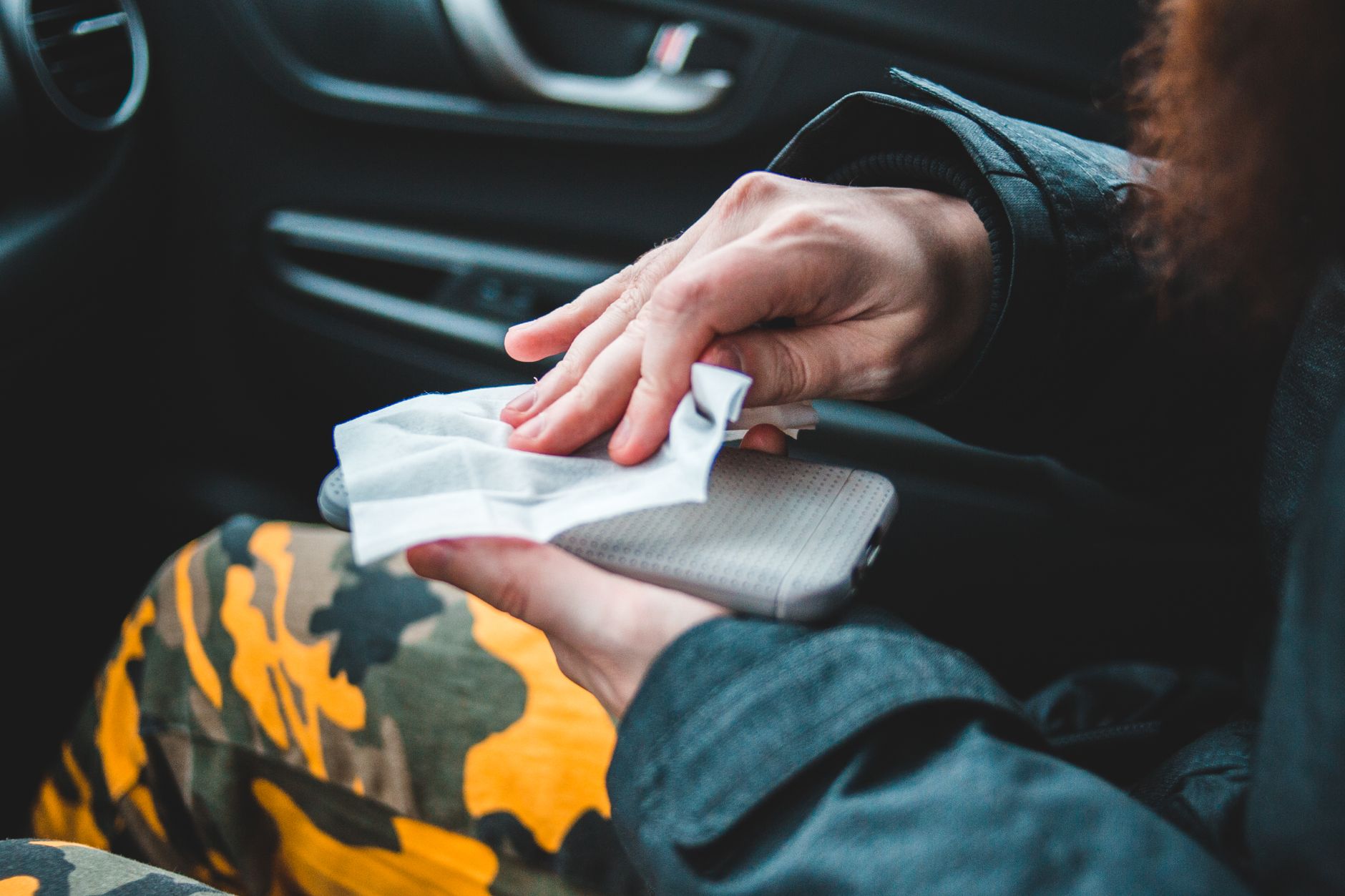
- Pro-Tip: Many airlines now offer complimentary sanitizing wipes upon boarding. Don't hesitate to use them on your immediate surroundings.
- Quick Facts: Air Travel Hygiene
- Estimated Cost Impact: Airlines have absorbed significant costs for new cleaning technologies and protocols, sometimes reflected in ticket prices.
- Best Time to Fly for Cleanliness: Early morning flights often benefit from overnight deep cleaning.
- How to Get There: Direct flights are generally preferred to minimize touchpoints across multiple airports.
Hotel Hygiene: Beyond the Bedside Lamp
The hospitality sector has undergone a seismic shift. Gone are the days of a quick once-over. Data from major hotel chains reveals a dramatic increase in cleaning frequency and the implementation of stringent, multi-point hygiene checklists. Many hotels now proudly display their cleaning protocols or certifications, offering guests unprecedented transparency.
The Rise of Contactless Experiences
From check-in to room service, technology is playing a crucial role in minimizing human contact without sacrificing service. Mobile check-in, keyless entry via smartphone apps, and QR code-based menus are becoming standard, reducing the need to touch shared surfaces.
- Pro-Tip: Download your hotel's app before you arrive. It often unlocks the keyless entry feature and allows you to request services without calling.
- Authenticity: I recently stayed at a boutique hotel in Marrakesh where the check-in process was entirely handled via a secure tablet, followed by a discreet digital key sent to my phone. The room itself was immaculate, with an almost clinical freshness that was surprisingly comforting.
Enhanced Cleaning Protocols: What to Look For
It's not just about spraying disinfectant. New standards often involve hospital-grade cleaning solutions, ozone generators for deep sanitization, and meticulous attention to ventilation systems. Many hotels are also offering 'service-free' room cleaning options for guests who prefer minimal disruption.
- Pro-Tip: Many hotels now offer 'hygiene kits' upon request, containing masks, sanitizers, and disinfectant wipes.
- Quick Facts: Hotel Stays
- Estimated Cost Impact: While some premium services might add a small fee, many core hygiene improvements are absorbed by hotels to remain competitive.
- Best Time to Book: Mid-week stays can offer quieter environments, potentially leading to more thorough cleaning attention.
- How to Get There: Walking distance from major attractions or public transport hubs reduces reliance on shared taxis.
Destination Deep Dive: Cities Embracing Cleanliness
It's not just about the travel providers; entire destinations are stepping up. Cities that have actively promoted and enforced new public health and hygiene standards are seeing a resurgence in tourism. This includes enhanced cleaning of public transport, parks, and attractions.
Public Transport: Navigating with Confidence
The humble bus or metro can be a source of anxiety. However, data indicates a significant upgrade in the cleaning schedules and sanitization efforts for public transportation networks worldwide. Many cities are now deploying specialized cleaning crews and implementing UV-C technology on trains and buses.
- Pro-Tip: Look for visible cleaning crews or signage indicating frequent sanitization. Many public transport apps now provide real-time updates on cleaning schedules.
- Insider Insight: In cities like Seoul, you'll often find readily available hand sanitizer dispensers at every station entrance and on board most public transport vehicles.
Attractions and Tours: Experiencing Safely
Museums, historical sites, and tour operators are also adapting. The implementation of timed ticketing, enhanced ventilation in indoor spaces, and rigorous cleaning of shared equipment (like audio guides or bicycles) are becoming commonplace.
- Pro-Tip: Book tickets online in advance for attractions to ensure timed entry and avoid queues. This often minimizes your exposure to crowded waiting areas.
- Authenticity: Visiting the ancient temples of Bagan, Myanmar, I was impressed by the meticulous cleaning of the pathways and the availability of hand sanitizer at every major stupa. It allowed me to focus on the spiritual aura of the place, not on potential germ transmission.
The Future of Travel: Sustainable Hygiene
The conversation around hygiene is increasingly intertwined with sustainability. There's a growing trend towards eco-friendly cleaning products and waste reduction strategies within the travel industry. This means cleaner journeys that are also kinder to the planet.
Eco-Conscious Cleaning
Many hotels and airlines are now opting for biodegradable cleaning agents and reducing single-use plastics in their hygiene kits. This shift is driven by both environmental concerns and traveler preferences.
- Pro-Tip: Bring your own reusable water bottle and coffee cup. Many establishments now offer discounts for bringing your own.
- Insider Insight: Look for hotels that highlight their 'green initiatives' or use of natural cleaning products. They often go hand-in-hand with a commitment to overall guest well-being.
Technology as a Hygiene Ally
Beyond contactless solutions, innovations like smart sensors that monitor air quality and automated cleaning robots are becoming more prevalent. These technologies promise a more efficient and effective approach to maintaining high hygiene standards.
- Pro-Tip: Keep an eye out for hotels that advertise their use of advanced air purification systems. They can make a significant difference in the indoor environment.
Your Travel Toolkit: Navigating the New Normal
Arming yourself with knowledge is the best way to travel confidently in this new era. Recent data consistently shows that travelers who are informed about hygiene protocols feel more secure and have a more positive experience.
Essential Items for a Hygienic Journey
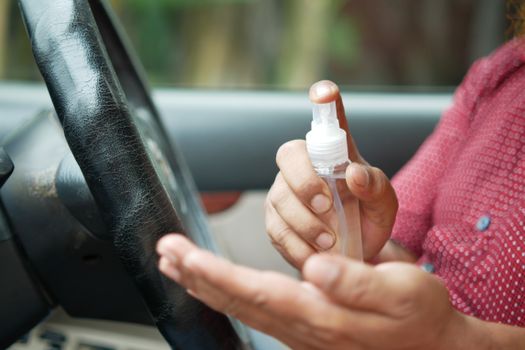
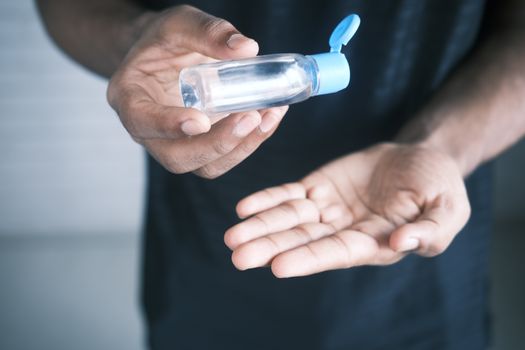
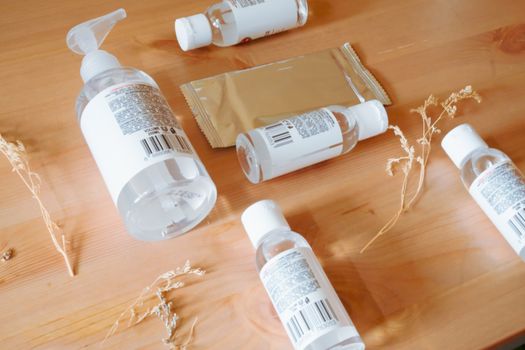
- High-quality hand sanitizer: Keep it accessible at all times.
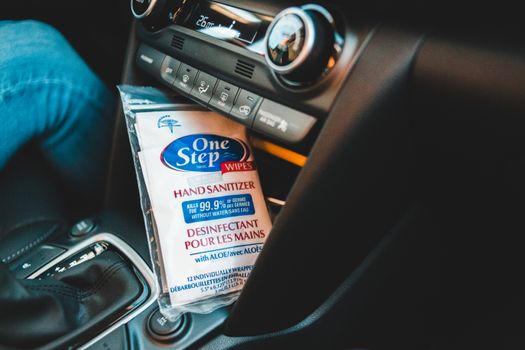
- Disinfectant wipes: For surfaces that might be overlooked.
- Face masks: Still a good idea for crowded indoor spaces or flights.
- Reusable water bottle: Stay hydrated and reduce plastic waste.
- Personal travel-sized toiletries: Especially if you have sensitivities.
Choosing Your Next Destination: What to Research
When planning your trip, consider:
- Destination-specific health guidelines: Check official tourism websites.
- Provider reviews: Look for recent feedback on cleanliness.
- Certifications and awards: Many hotels and airlines highlight their hygiene accreditations.
The data is clear: new hygiene standards are not a temporary fix; they are a fundamental enhancement to the travel experience. From the moment you step into an airport to the comfort of your hotel room, you can now expect a higher level of cleanliness and care. This evolution allows us to reconnect with the world, explore new horizons, and create unforgettable memories with greater peace of mind. So, pack your bags, embrace the cleaner journey, and let the adventures begin!