1. The Hook: A Symphony of Funk and Earth
I stepped off the night train in Tbilisi, and the air didn’t smell like a city; it smelled like life. Specifically, it smelled like the damp, yeasty exhale of a marani (wine cellar). My guide, a woman named Nino with hands stained purple by Saperavi grapes, didn't lead me to a stainless steel tank. She led me to a hole in the dirt.
"The earth is the mother," she whispered, handing me a long wooden pole. "We just help her breathe."
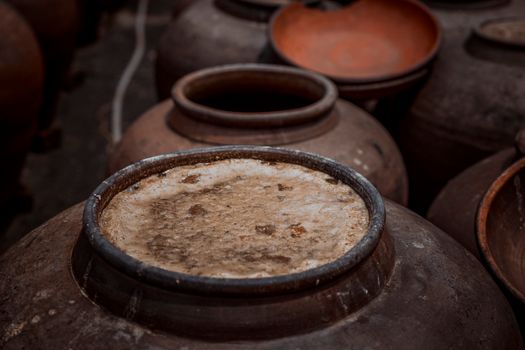
As I plunged the tool into the buried qvevri (clay amphora), the mixture hissed—a violent, rhythmic bubbling that sounded like a thousand tiny heartbeats. In that moment, I realized that fermentation isn't a "trend." It’s the oldest conversation between humans and nature. And right now, that conversation is getting louder in some of the most unexpected places on the map.
2. Georgia: The 8,000-Year-Old Buried Secret
While the rest of the world is just discovering kombucha, Georgians have been fermenting in the ground since the Neolithic era. This isn't just "wine making"; it's a spiritual practice.
The Workshop Experience:
In the Kakheti region, workshops focus on the Qvevri method. You aren't just watching; you’re scrubbing the inside of giant clay vessels with cherry bark brushes and learning to seal them with beeswax. You’ll spend days learning the "skin contact" method, where white grapes are fermented with their stems and seeds, resulting in an amber wine that tastes like dried apricots and tannins.
Pro-Tip:
Don't book a corporate tour. Look for "Bio-Marani" signs in the village of Shalauri. These smaller producers often allow you to participate in the Rtveli (harvest) if you time your visit for late September.
The Insider Detail:
The secret isn't just the clay; it's the Chacha. After the wine is moved, you’ll learn to distill the leftover pomace into a potent brandy that Georgians swear can cure anything from a broken heart to a common cold.
3. Uzbekistan: The Silk Road’s Probiotic Powerhouse
Central Asia rarely makes the "foodie" lists, but Uzbekistan is a sleeper hit for dairy fermentation. This is the land of Suzma—a strained yogurt so thick it defies gravity—and Katyk, a fermented milk that puts commercial kefir to shame.
The Workshop Experience:
In the ancient city of Samarkand, workshops take place in traditional courtyards shaded by mulberry trees. You’ll learn the precise temperature control needed to turn raw mare’s or cow’s milk into a tangy, probiotic-rich base. The highlight? Shaping Qurt—salty, fermented cheese balls that are sun-dried on rooftops until they are hard as stones and shelf-stable for years.
Pro-Tip:
The hidden entrance to the best dairy workshop in Samarkand is behind the blue-tiled dome of the Bibi-Khanym Mosque. Look for the "Suzma Master" sign handwritten in Cyrillic.
The Insider Detail:
Authentic Uzbek fermentation relies on the "back-slop" method—using a portion of yesterday's batch to start today's. Ask your host to show you their "Starter Jar"; some families have been using the same bacterial culture for over four generations.
4. Mexico: Beyond the Taco in Oaxaca
Oaxaca is famous for mole, but its fermented beverage scene is the real "liquid gold." This year, travelers are skipping the mezcal tastings for Tepache and Pulque workshops.
The Workshop Experience:
Deep in the Sierra Norte, you’ll find workshops dedicated to Tepache (fermented pineapple, cinnamon, and piloncillo). You’ll learn to carve the fruit, balance the spice, and—most importantly—when to "catch" the fizz before it turns to vinegar. For the brave, there’s Pulque, made from the fermented sap of the agave plant. It has a viscous, milky texture and a sourdough-like tang that is addictive once you get past the first sip.
Pro-Tip:
Visit the Tlacolula Sunday Market at 7 AM. This is where the real producers bring their clay jugs. If you buy a glass, ask them if they offer "clases de barro" (clay classes).
The Insider Detail:
The secret to a world-class Tepache is the Olla de Barro (clay pot). The porous nature of the local clay allows for a specific type of wild yeast carbonation that plastic or glass simply cannot replicate.
5. Faroe Islands: The Salt-Wind Funk of the North Atlantic
If you think sourdough is hard, try fermenting meat in the middle of the ocean. In the Faroe Islands, the practice of Ræst (fermenting by hanging meat in the open air) is a survival skill turned culinary high-art.
The Workshop Experience:
Located in the village of Kirkjubøur, these workshops are rugged. You’ll learn the science of the hjallur—a slatted wooden shed that allows the salty Atlantic wind to circulate around hanging legs of mutton. You’ll learn to identify the "good mold" from the bad, and how the islands’ unique microclimate prevents the meat from rotting while it develops a flavor profile akin to blue cheese and aged prosciutto.
Pro-Tip:
Pack high-quality wool layers. These workshops often take place in unheated outbuildings to maintain the integrity of the fermentation environment.
The Insider Detail:
The flavor of Skerpikjøt (the dried mutton) changes based on which side of the island it was hung. Mutton from the northern cliffs has a sharper, more ozone-heavy finish than the southern valleys.
6. Northern Thailand: The Art of the Fermented Tea Leaf
While the world focuses on Thai curries, the northern hills near Chiang Rai are hiding a fermented treasure: Miang. This is fermented tea leaf, traditionally chewed as a stimulant or served in a vibrant salad.
The Workshop Experience:
You’ll head into the tea gardens with the Lahu people. The process involves steaming young tea leaves, packing them tightly into bamboo tubes or pits lined with banana leaves, and weighting them down for months. The result is a tart, caffeinated, and deeply savory leaf that is unlike anything you’ve ever tasted.
Pro-Tip:
The best workshops are found in the "Golden Triangle" region. Look for community-based tourism initiatives that fund local schools.
The Insider Detail:
To get the perfect ferment, the leaves must be picked during the "heavy rain" season (August). The moisture levels are critical for the specific lacto-fermentation that gives Miang its signature "zing."
7. Data & Logistics: Planning Your Fermentation Pilgrimage
| Country | Best Time to Visit | Estimated Cost (Workshop) | Difficulty Level | Primary Ferment |
| :--- | :--- | :--- | :--- | :--- |
| Georgia | Sept - Oct | $150 - $300 (Full Day) | Moderate | Qvevri Wine |
| Uzbekistan | May or September | $40 - $80 | Easy | Suzma / Qurt |
| Mexico | Year-round | $60 - $120 | Easy | Tepache / Pulque |
| Faroe Islands | October - January | $250 - $500 | Hard | Skerpikjøt (Mutton) |
| Thailand | August - October | $70 - $150 | Moderate | Miang (Tea) |
How to Get There:
* Georgia: Fly into TBS (Tbilisi). Take a private marshrutka (minibus) to Kakheti.
* Uzbekistan: Fly into SKD (Samarkand) or TAS (Tashkent). The high-speed Afrosiyob train connects the major cities.
* Mexico: Fly into OAX (Oaxaca City). Hire a local driver for the 2-hour trek into the Sierra Norte.
* Faroe Islands: Fly into FAE (Vágar) via Copenhagen or Reykjavik. A rental car is essential.
* Thailand: Fly into CEI (Chiang Rai) and arrange a 4WD transfer to the hill tribe villages.
8. Authenticity: Why This Matters Now
We live in an age of ultra-processed convenience. Fermentation is the ultimate rebellion. When you sit in a dusty cellar in Georgia or a wind-swept shed in the Faroes, you aren't just a tourist. You are a witness to a biological miracle. These workshops don't just teach you a recipe; they teach you patience. They teach you that the best things in life—much like a fine Qvevri wine or a perfectly aged piece of Skerpikjøt—cannot be rushed.
Go now, before these "surprising" countries become the next over-crowded culinary theme parks. The funk is calling.
---