Floating Weightless: The Ocean as the Ultimate Equalizer
I stepped off the sun-baked wooden dock in Key Largo, the air thick with the smell of diesel, fried conch fritters, and sweet mangrove salt. Beside me, Marcus—a former marine who lost mobility in both legs three years ago—rolled his chair up to the stern of a custom-built pontoon boat. Within forty-five minutes, we were hovering six feet over a patch of golden brain coral.
The moment Marcus submerged, the heavy wheelchair was forgotten on the deck above. Below the surface, gravity loses its grip. Hydrostatic pressure supports tired joints, increases circulation, and grants 360-degree freedom of motion that simply does not exist on dry land. I watched as his adaptive dive buddy monitored his buoyancy while Marcus used specialized webbed gloves to propel himself smoothly through a cloud of yellowtail snappers. The only sound was the rhythm of our regulators: a deep hiss on the inhale, and a soft, rhythmic rumble of bubbles on the exhale.
For travelers living with spinal cord injuries, amputations, blindness, or neurodivergent conditions, scuba diving is far more than a recreational sport. It is a profound therapeutic escape. However, orchestrating a safe, accessible dive trip requires rigorous planning. You cannot rely on vague hotel promises of "accessibility." Travel advisors who specialize in adaptive sports look for specific certifications, specialized equipment, custom boat retrofits, and trained staff who understand the nuances of physical support underwater.
Here is the definitive, advisor-approved guide to the best adaptive scuba diving programs across the globe.
---
1. Decoding the Badges: What Travel Advisors Look for First
Before booking a single flight, experienced travel advisors check the credentials of the dive center’s staff. Not all dive shops that claim to be "accessible" have formal training in adaptive techniques. The world’s leading adaptive diving organizations establish strict safety protocols and specialized training for dive professionals:
Handicapped Scuba Association (HSA)
Founded in 1981, the HSA is the gold standard for adaptive scuba diving. HSA instructors undergo intense training that includes simulated disability dives (diving blindfolded or without the use of limbs) to understand their students' unique challenges. HSA certifications classify divers based on the level of assistance they require underwater:
* Level 1: Diver can assist a buddy in an emergency.
* Level 2: Diver requires assistance from two buddies in an emergency.
* Level 3: Diver requires assistance from two buddies, plus additional specialized support for specific physical tasks.
PADI Adaptive Techniques
The Professional Association of Diving Instructors (PADI) offers a specialized Adaptive Techniques Support Series. This program equips instructors and dive buddies with customized techniques for gear configuration, entry/exit methods, and underwater communication tailored for divers with physical or mental challenges.
Disabled Divers International (DDI)
Popular across Europe and Asia, DDI focuses on recreational diving for individuals with physical or sensory disabilities. They provide comprehensive training manuals, custom medical clearance protocols, and standardized safety guidelines.
> Pro-Tip: Always ask a dive shop for the specific name and certification number of their staff’s adaptive instructor. A reputable center will eagerly provide credentials from HSA, PADI Adaptive, or DDI.
---
2. Bonaire: The Uncontested Capital of Shore and Boat Accessibility
If you ask ten accessible travel advisors to name their top global diving destination, eight of them will instantly say Bonaire. This Dutch Caribbean island is famed for its calm, current-free waters, fringe reefs, and exceptional land infrastructure.
```
[ Bonaire Adaptive Infrastructure ]
+-------------------------------------------------+
| • Drive-Thru Tank Loading Depots |
| • Roll-In Beach Ramps at Selected Sites |
| • Boats with Hydraulic Deck Lifts |
| • Shore Access via Concrete Entry Ramps |
+-------------------------------------------------+
```
Buddy Dive Resort & Toucan Diving
Buddy Dive Resort sets the benchmark for barrier-free dive operations in the Caribbean. The resort features custom roll-in showers, widened doorways, and ramped pathways throughout the property.
At the dive shop, Buddy Dive and its sister operation, Toucan Diving (located at Plaza Beach Resort), feature staff trained in adaptive methods. The boats are retrofitted with wide entry points and custom seating to assist divers transferring from wheelchairs.
- The Marine Life: Expect crystal-clear 100-foot visibility, sea turtles, frogfish, and dense stands of staghorn coral.
- Logistics: Bonaire’s dive sites on the lee side of the island offer swimming pool-like conditions, completely removing the stress of rough surface chop during gear assembly.
> Pro-Tip: Rent an accessible pickup truck with hand controls through local suppliers early. Buddy Dive offers a "Drive & Dive" package where you can roll right up to the tank fill station, and staff will load nitrox or air tanks directly into your truck bed.
---
3. Cozumel, Mexico: Gentle Currents and High-Touch Personalization
Cozumel is world-renowned for drift diving, where gentle currents float divers along stunning vertical drop-offs. While drift diving might sound intimidating for adaptive divers, specialized operators on the island have turned it into an effortless experience.
Dive Paradise & Scuba Club Cozumel
Dive Paradise operates one of the largest and most accommodating fleets on the island. Their custom fleet includes spacious, wide-beam boats with flat decks, low gunwales, and dedicated space to store mobility equipment securely while at sea.
- Adaptive Care: Advisors consistently highlight Dive Paradise for their high staff-to-diver ratios. For adaptive guests, they assign dedicated divemasters who manage entry, gear assistance, and descent ropes.
- The Experience: At reefs like Palancar Gardens, you do not need to kick aggressively. Diver and guide simply trim their buoyancy and float alongside massive coral pinnacles filled with queen angel fish and nurse sharks.
> Pro-Tip: Avoid booking during peak cruise ship dock times (typically 10 AM to 2 PM). Arrange private morning or afternoon boat charters through your advisor to secure quiet dock access at Marina Caleta, which features low-slung boarding ramps.
---
4. Key Largo, Florida: Cutting-Edge Facilities and Warm Water
For U.S.-based travelers looking to avoid international air travel hassles with heavy medical equipment, the Florida Keys offer world-class accessibility infrastructure backed by ADA (Americans with Disabilities Act) compliance across land facilities.
Rainbow Reef Dive Center & Horizon Divers
Key Largo is home to Rainbow Reef Dive Center, one of North America's largest dive operations. Rainbow Reef routinely hosts veterans' organizations, adaptive youth groups, and independent divers with mobility impairments.
```
+------------------------------------------------------------------+
| KEY LARGO DIVE HIGHLIGHTS |
+------------------------------------------------------------------+
| Facility Feature | Adaptive Benefit |
+------------------------+-----------------------------------------|
| Custom Boat Ramps | Easy roll-on access for manual chairs |
| Hydraulic Deck Lifts | Safe, effortless sea-to-deck recovery |
| Shallow Reef Platforms | Minimal depth required for warm dives |
+------------------------------------------------------------------+
```
- Specialized Boat Modifications: Key Largo's premier operators utilize large, twin-engine catamarans equipped with wide aluminum boarding ramps and rear hydraulic lifts that lower divers directly into the water, eliminating the need to climb vertical boat ladders while wearing heavy gear.
- Marine Sanctuary Protection: The shallow, sunlit reefs of John Pennekamp Coral Reef State Park sit in 15 to 30 feet of warm, calm water—ideal for divers who need to limit deep-water pressure exposures or dive with shorter bottom times.
> Pro-Tip: Request a dive boat that moors at Christ of the Abyss. The site is sheltered from offshore ocean swells, and the shallow depth allows for long, relaxed dive times with minimal exertion.
---
5. Sharm El Sheikh, Egypt: Deep Blue Luxury on a Budget
The Red Sea offers some of the most vibrant coral reefs, dramatic marine drop-offs, and clear waters on earth. Egypt has made impressive strides in accessible tourism, with Sharm El Sheikh serving as the epicenter for adaptive diving in the region.
Camel Dive Club & Hotel
Located in Naama Bay, Camel Dive Club was built from the ground up with accessibility in mind. The hotel, restaurant, swimming pool, and dive center are completely barrier-free, earning international awards for accessible hospitality.
- Thoughtful Architecture: Ground-floor rooms feature zero-threshold roll-in showers, lowered sinks, and wide doorframes. Ramps connect every level of the facility, removing stairs entirely from your daily routine.
- DDI-Certified Staff: Camel Dive Club retains full-time Disabled Divers International (DDI) instructors. They maintain custom-designed dive boats featuring wide stern platforms and modified boarding stairs with extra-wide treads and supportive side handrails.
> Pro-Tip: Visit during late spring (May) or early autumn (October). Summer temperatures in Sharm El Sheikh can surge past 100°F (38°C), making thermal regulation challenging for divers with spinal cord injuries who cannot sweat efficiently.
---
6. Crucial Logistics: What Travel Advisors Screen for Before Booking
Planning an adaptive dive vacation involves far more than simply finding a qualified dive shop. Travel advisors work through a detailed checklist to ensure safety, comfort, and seamless transitions throughout the entire trip.
```
ADAPTIVE DIVE PLANNING CHECKLIST
[ ] Medical Clearance: Signed RSTC/HSA form by specialist physician
[ ] Thermal Care: Custom wetsuits & rash guards for temperature regulation
[ ] Custom Gear: Webbed gloves, leg straps, specialized buoyancy jackets
[ ] Airline Prep: Battery clearances for power chairs (IATA regulations)
[ ] Hotel Audit: Measure door widths, roll-in shower benches, bed heights
```
Medical Clearances & Documentation
Every certified diver must complete a RSTC (Recreational Scuba Training Council) medical statement. For adaptive divers, a physician’s approval is required. The medical clearance must specifically address:
* Cardiovascular and pulmonary health.
* Cold/warm water thermal tolerance.
* Autonomic dysreflexia risks (for spinal cord injury divers above the T6 level).
* Equalization ability (especially for divers with limited upper-body mobility who cannot easily pinch their nose).
Custom Gear Modifications
Standard scuba equipment often requires modifications to accommodate individual physical needs:
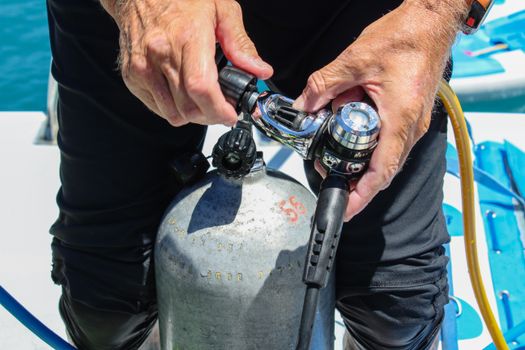
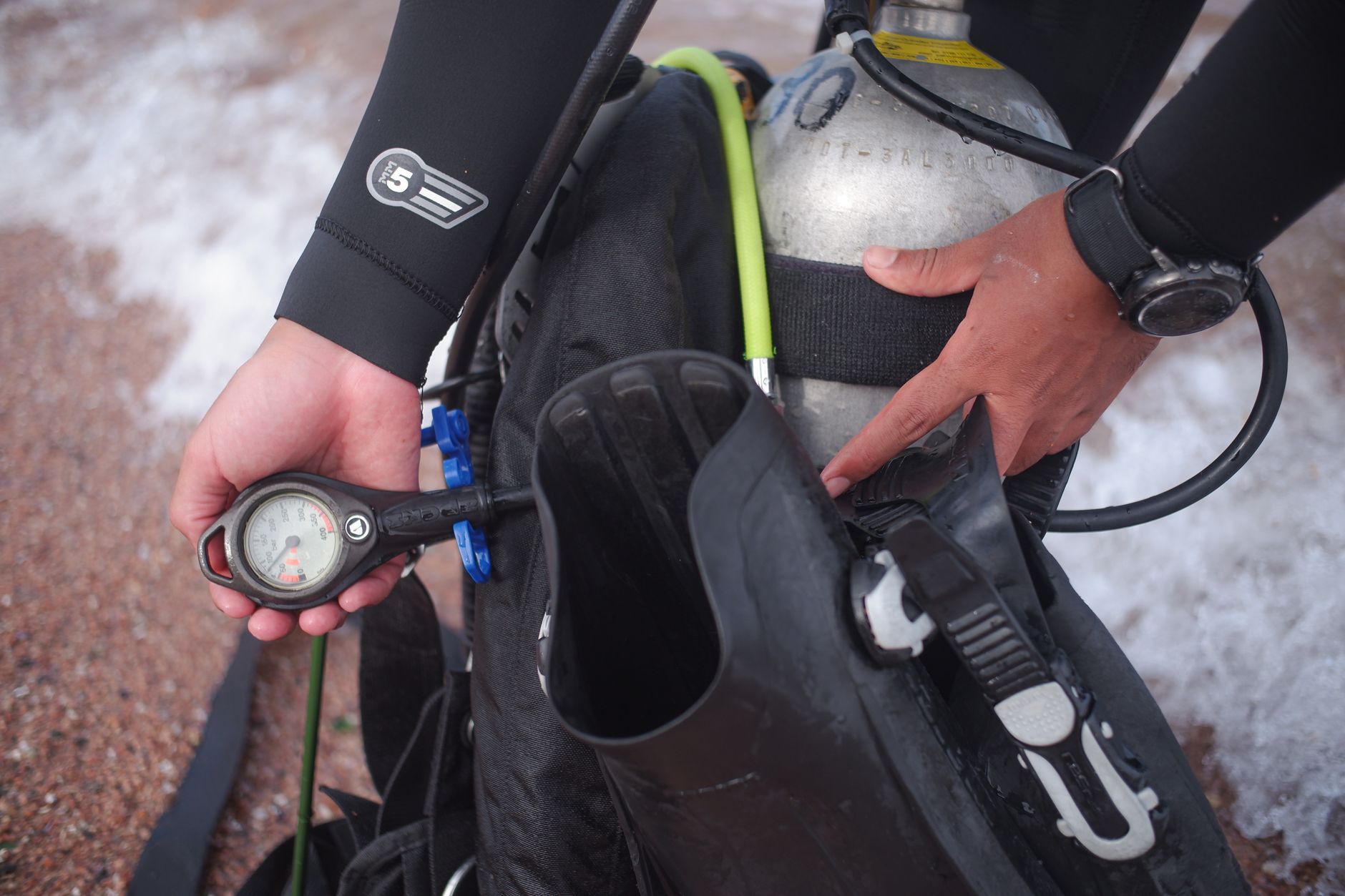
* Buoyancy Control Devices (BCDs): Integrated weight systems replace traditional, uncomfortable waist weight belts. Rear-inflation bladders help maintain a flat horizontal trim in the water.
* Finning Alternatives: Webbed neoprene gloves allow divers with paraplegia or lower-limb amputations to generate substantial forward propulsion using upper-body strength alone.
* Leg Straps: Padded Velcro straps keep legs aligned to prevent drag or accidental contact with delicate coral reefs.
* Mask Modifications: Masks equipped with built-in purge valves allow divers to clear water by simply tilting their heads back, eliminating the need to press the top frame with their fingers.
Thermal & Skin Protection Considerations
Divers with reduced sensation in their lower limbs are at higher risk for abrasion injuries from boat edges, gear straps, or coral. Full-length neoprene exposure suits, thick dive booties, and protective skin guards are mandatory, even in warm tropical waters.
---
7. Quick Facts & Logistics Reference
| Destination | Best Time to Visit | Est. Daily Dive Cost ($ USD) | Accessibility Highlight | Travel Logistics |
| :--- | :--- | :--- | :--- | :--- |
| Bonaire | Year-round | $90 – $140 | Drive-thru tank depots, smooth shore entries | Fly into Flamingo Int'l (BON); pick-ups with hand controls available |
| Cozumel, Mexico | Dec – April | $110 – $160 | Drift diving with high staff-to-diver ratio | Fly into Cozumel (CZM) or Cancun (CUN) + accessible ferry from Playa del Carmen |
| Key Largo, USA | May – Oct | $130 – $180 | ADA-compliant docks, hydraulic boat lifts | Fly into Miami (MIA); 1-hour highway drive via accessible rental van |
| Sharm El Sheikh, Egypt | Oct – May | $80 – $120 | Fully custom-built ramped hotel & dive complex | Fly into Sharm El Sheikh (SSH); private barrier-free airport transfers |
---
8. How to Book Your Adaptive Scuba Vacation
When you are ready to explore the underwater world, follow these practical steps to guarantee a safe, stress-free adventure:
- Schedule a Medical Evaluation Early: Book an appointment with your primary physician or a hyperbaric medicine specialist at least 90 days before travel to complete all required HSA or PADI adaptive medical forms.
- Consult a Specialized Accessible Travel Advisor: Work with an advisor who belongs to organizations like ASTA (American Society of Travel Advisors) Accessible Travel Center. They can verify ground transport, audit hotel rooms personally, and interface directly with dive shop managers.
- Notify Your Airline Direct: If traveling with a power wheelchair or custom manual chair, inform the airline at least 48 hours in advance regarding battery types (dry cell, wet cell, or lithium-ion) to ensure compliance with aviation transport regulations.
- Pack Essential Spare Parts: Bring extra straps, custom gloves, specialized skin barriers, and replacement mask valves in your carry-on baggage. Adaptive dive gear is highly customized and cannot easily be replaced at remote dive shops.
The ocean offers absolute freedom—a vast space where physical limitations melt away into light beams, swaying sea fans, and weightless flight. By partnering with certified adaptive programs, you can step off the dock and plunge into an incredible world without boundaries.
---