The Scent of Saperavi and Soviet Concrete
I stepped off the overnight train from Batumi, and the first thing that hit me wasn't the smell of diesel or damp wool. It was the intoxicating, yeasty aroma of fresh shoti bread being slapped against the walls of a subterranean clay oven. In the distance, the jagged silhouette of the Holy Trinity Sunday Cathedral glowed against the dark Caucasus peaks, while below it, a brutalist apartment block was being reclaimed by neon graffiti and ivy-clad wine bars.
This is the reality of the former USSR in the 2020s. It is a dizzying, beautiful contradiction. For decades, these nations were shrouded in a geopolitical fog. Today, they are the world’s most exciting travel laboratories, where 12th-century monasteries sit next to techno clubs housed in former printing presses. If you are looking for the "next big thing" before it becomes a tourist trap, you’re looking at the right map.
1. Georgia: The Uncrowned King of the Caucasus
If there is one country leading the charge of former USSR countries becoming tourism hotspots worth considering, it is Georgia. This isn't just a destination; it’s a fever dream for foodies and hikers alike.
Tbilisi, the capital, is a masterclass in "shabby-chic." You’ll spend your mornings getting scrubbed raw in the 17th-century Abanotubani sulfur baths and your nights drinking amber wine (fermented in clay qvevri) in the Sololaki district.
The Insider Scoop:
Don't just stay in Tbilisi. Head north to Stepantsminda. The hike to Gergeti Trinity Church offers a view of Mt. Kazbek that will make your Instagram followers think you’ve moved to Middle-earth.
- Pro-Tip: When eating Khinkali (dumplings), never use a fork. Grab the "handle" of dough, bite a small hole to suck out the broth, then finish the rest. Leaving the dough handles on your plate is how locals keep score of how much they’ve eaten.
2. Uzbekistan: The Silk Road Reborn
For a long time, Uzbekistan was a bureaucratic nightmare of "LOIs" (Letters of Invitation) and currency black markets. Those days are gone. With a new visa-free regime for dozens of countries and a high-speed rail link connecting its "Big Three" cities, Uzbekistan is officially open for business.
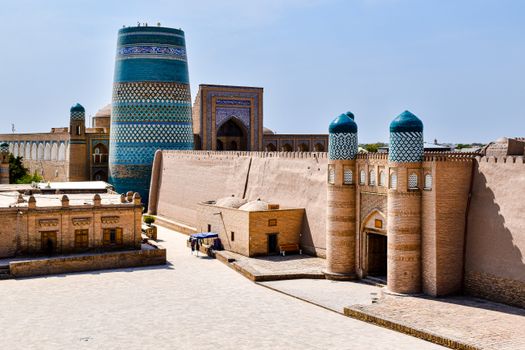
Samarkand, Bukhara, and Khiva are the crown jewels. Walking into the Registan Square at sunset feels like walking into a kaleidoscope. The scale of the blue-tiled mosaics is so vast it feels digital, yet every tile was hand-placed centuries ago.
The Insider Scoop:
Tashkent, the capital, is often overlooked. Don’t make that mistake. The Tashkent Metro is a subterranean museum; each station is themed, from the cosmonaut-inspired Kosmonavtlar to the floral opulence of Alisher Navoi.
- Pro-Tip: Visit the Chorsu Bazaar in Tashkent at 8 AM. Head to the "bread dome" to see thousands of non (flatbread) being sold. The best ones are the heavy, decorative discs from Samarkand—they stay fresh for weeks.
3. Estonia: The Digital Baltic Beauty
Estonia is the overachiever of the former Soviet family. It’s the most "European" of the bunch, having pivoted hard toward Scandinavia and tech. Tallinn’s Old Town is a UNESCO-protected fairytale of cobblestones and watchtowers, but the real soul of the city is in Telliskivi Creative City.
Telliskivi is a reclaimed industrial complex turned into a hub for designers, craft brewers, and world-class street art. It represents the "New Estonia"—sleek, innovative, and fiercely independent.
The Insider Scoop:
Take the ferry to Saaremaa island. It’s a land of windmills, thatched roofs, and juniper forests. It feels like time stopped in 1920, providing a stark, beautiful contrast to Tallinn’s 5G-connected streets.
- Pro-Tip: The "hidden" entrance to the Patarei Prison (now a chilling but fascinating museum/bar area) is through a small gate near the Kalaranna promenade. It’s the rawest look you’ll get at the Soviet occupation.
4. Kazakhstan: The Steppe’s High-Tech Frontier
Kazakhstan is massive—the ninth-largest country in the world—and it’s finally finding its feet as a luxury and adventure destination. Almaty, the former capital, feels like a mix of a Swiss mountain village and a leafy Soviet boulevard. You can take a cable car from the city center and be skiing at Shymbulak in 30 minutes.
Then there’s Astana (formerly Nur-Sultan). It’s a futuristic city rising out of the flat steppe, designed by architects like Norman Foster. It’s weird, it’s bold, and it looks like the set of a sci-fi movie.
The Insider Scoop:
Rent a 4x4 and drive to Charyn Canyon. It’s often called the "Grand Canyon’s little brother," but with its "Valley of Castles" rock formations, it’s arguably more photogenic and far less crowded.
- Pro-Tip: Download the 'Yandex Go' app. It’s the Uber of Central Asia and will save you from negotiating with "gypsy cabs" in Almaty.
5. Kyrgyzstan: The Switzerland of Central Asia
If you want raw, unfiltered nature, Kyrgyzstan is the answer. Over 90% of the country is mountainous. This is the land of the nomad, where you can still see golden eagle hunters and stay in yurts on the shores of Song-Kul lake.
Bishkek is a brutalist’s dream, filled with wide squares and massive marble monuments, but the real draw is the trekking. The Ala-Archa National Park is just 45 minutes from the city and offers alpine scenery that rivals the Rockies.
The Insider Scoop:
Look for "CBT" (Community Based Tourism) offices. They are a network of locals who arrange yurt stays and horse treks. It’s the most authentic way to see the country while ensuring your money goes directly to the villagers.
- Pro-Tip: Try Kumis (fermented mare’s milk) at least once. It’s an acquired taste—sour, fizzy, and smoky—but refusing a bowl in a yurt is a major faux pas.
6. Armenia: The Pink City and Ancient Stones
Armenia is a country of "firsts"—the first nation to adopt Christianity, and home to the world’s oldest winery. Yerevan, the "Pink City," is built from volcanic tuff stone that glows rose-gold at sunset. It’s a city of cafes, jazz clubs, and the massive Cascade stairway that offers views of Mt. Ararat.
The Insider Scoop:
Head to the Tatev Monastery. To get there, you’ll ride the "Wings of Tatev," the world’s longest reversible aerial tramway, soaring over the Vorotan River Gorge.
- Pro-Tip: Visit the Garni Temple at 7 AM. You’ll have the only Greco-Roman colonnade in the former USSR all to yourself before the tour buses arrive from Yerevan.
Quick Facts & Logistics
| Country | Vibe | Budget (Daily) | Best Time to Visit | Visa Status (US/EU/UK) |
| :--- | :--- | :--- | :--- | :--- |
| Georgia | Food, Wine, Mountains | $40 - $60 | May - Oct | Visa-free (365 days) |
| Uzbekistan | History, Silk Road | $30 - $50 | April - June | Visa-free (30 days) |
| Estonia | Tech, Medieval, Baltic | $80 - $120 | June - August | Schengen Zone |
| Kazakhstan | Modernity, Nature | $50 - $90 | May - Sept | Visa-free (30 days) |
| Kyrgyzstan | Nomadic, Trekking | $25 - $45 | July - August | Visa-free (60 days) |
| Armenia | History, Spirituality | $35 - $55 | May - October | Visa-free (180 days) |
The Logistics: How to Get There
* The Hubs: Riga (Latvia), Istanbul (Turkey), and Warsaw (Poland) are the primary gateways. Air Baltic and Turkish Airlines offer the most consistent connections into the Caucasus and Central Asia.
* Safety: Contrary to outdated stereotypes, these countries are remarkably safe for solo travelers. Petty theft is lower than in Paris or Rome.
* Language: While Russian is the lingua franca for the older generation, English is widely spoken by anyone under 30 in the capital cities.
Why Now?
The "Former USSR" is not a monolith. It is a collection of fiercely proud nations, each carving out a unique identity. They are becoming tourism hotspots worth considering because they offer something rare in the age of over-tourism: Authenticity.
In Uzbekistan, the artisan isn't painting that bowl for a gift shop; he’s painting it because his family has done so for seven generations. In Georgia, the toastmaster (tamada) isn't giving a speech because it's on the itinerary; he’s doing it because hospitality is a sacred duty.
Go now. Go before the boutique hotels replace the guesthouses, and before the secret "blue doors" of the Silk Road become the backdrop for a thousand identical TikToks. The New East is waiting.
---