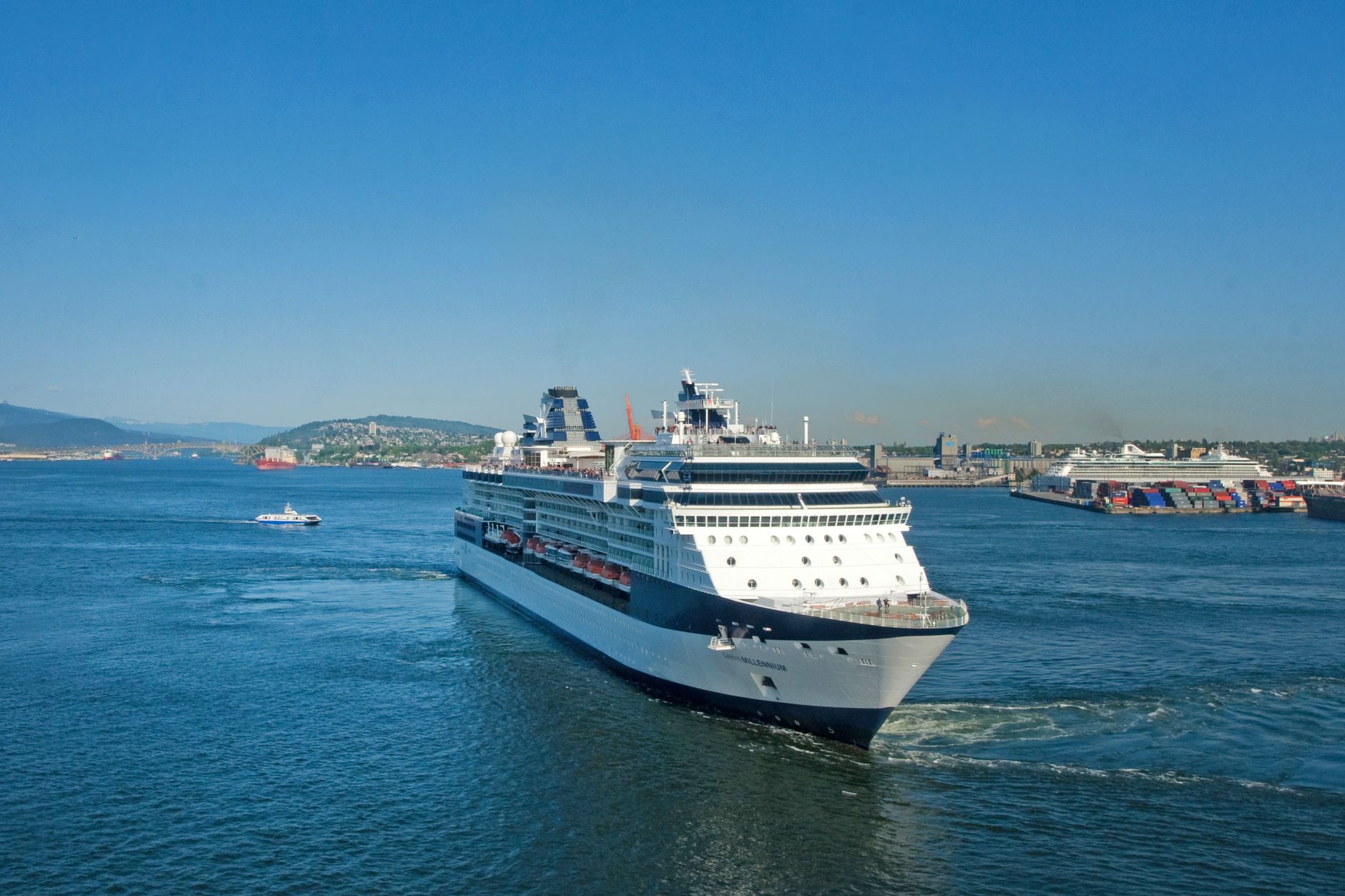
The Turning Tide: Why Mega-Ships Are Being Turned Away
I stepped off the 6:15 AM regional train into Venezia Santa Lucia, pulled my overnight bag across the cool Istrian limestone, and stopped cold. The Grand Canal was utterly still. A light mist hung over the water, smelling faintly of salt brine, damp cedar pilings, and freshly pulled espresso from a neighborhood bacaro unbolting its wooden shutters.
Three years ago, this same spot at sunrise was dwarfed by a 16-deck floating resort looming over the Doge’s Palace, belching marine diesel fumes into the delicate lagoon air and disgorging 5,000 day-trippers into a gridlocked Rialto.
Today? That shadow is gone.
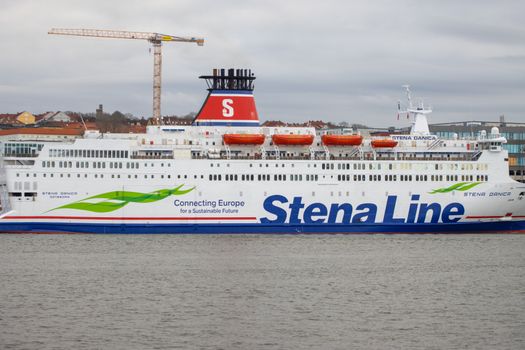
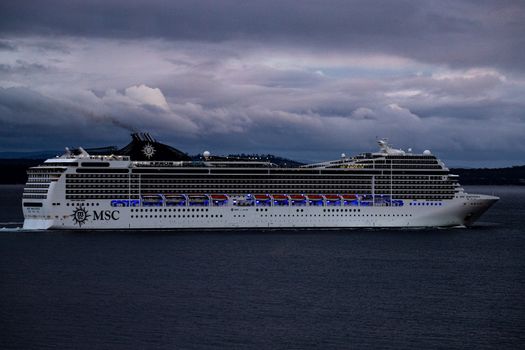
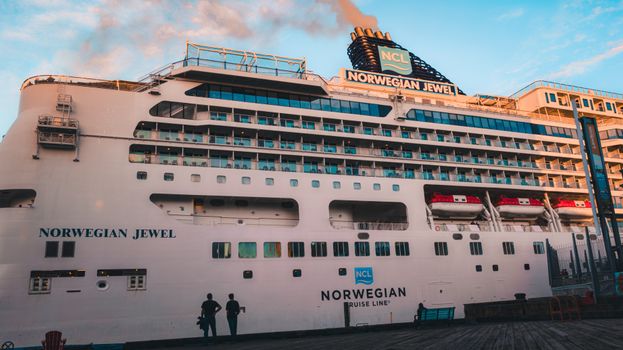
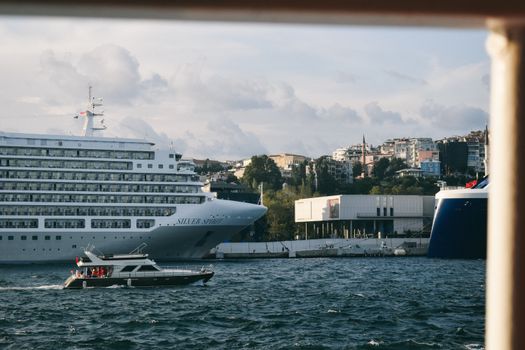
Across the globe, world-famous coastal cities and fragile island ecosystems are putting their foot down. Frustrated by environmental degradation, damaged heritage architecture, and low-yield mass tourism, governments are banning giant cruise ships, capping daily disembarkations, and closing city-center terminals.
For the savvy traveler, this isn't a loss—it is a golden era of rediscovery. I spoke with leading luxury travel advisors from the Tripsora Expert Network to uncover how these cruise-restricted ports are reclaiming their soul, and where you should go instead to experience them like a true insider.
---
1. Venice, Italy: Reclaiming the Lagoon City
The Ban
In July 2021, Italy officially banned large cruise ships (vessels over 25,000 gross tons or longer than 180 meters) from passing through the Giudecca Canal and mooring near St. Mark’s Square. The decision came after UNESCO threatened to place Venice on its endangered heritage list due to underwater erosion from heavy hulls.
How it Feels Today
Venice has breathed a collective sigh of relief. The catastrophic displacement of water that eroded centuries-old wooden foundations has diminished. The city feels less like an overcrowded theme park and more like an living, breathing maritime republic.
What Travel Advisors Suggest
* The Swap: Instead of taking a day-trip off a ship, book a 4-night land stay in the quiet Cannaregio or Dorsoduro neighborhoods.
* Advisor Pick: "Base yourself at Locanda Cipriani on the tranquil island of Torcello," suggests Venice specialist Lucia Moretti. "You get the early-morning stillness of the northern lagoon, sampling local sarde in saor (sweet and sour sardines) without seeing a single selfie stick."
> Pro-Tip: Take the public Vaporetto Line 12 from Fondamente Nove out to the salt marshes of Sant’Erasmo. Rent a bicycle near the dock to ride past artichoke fields that supply Venice’s top wine bars.
---
2. Amsterdam, Netherlands: Pushing the Port Outside the Ring
The Ban
In July 2023, Amsterdam’s city council voted to close its main ocean cruise terminal near the central railway station. By 2026, the city will completely relocate all ocean-going passenger ships to Port IJmuiden, 20 miles down the coast, while halving the total number of allowed ocean liners entering the region.
How it Feels Today
The historic canal belt (Grachtengordel) is reclaiming its calm. The chokehold of thousands of cruise passengers pouring directly from the terminal into the Red Light District and Dam Square has eased significantly.
What Travel Advisors Suggest
* The Swap: Skip the crowded city-center ship tours. Stay land-side in Utrecht or the eco-chic NDSM Wharf in Amsterdam North.
* Advisor Pick: "Rent an electric whisper-boat from EcoBoats and navigate the quieter Western Islands (Westelijke Eilanden)," advises European trip designer Marc van Houten. "You’ll cruise under wooden drawbridges where locals sip bio-dynamic cider on their houseboat decks."
> Pro-Tip: Visit the Rijksmuseum at 8:30 AM on a Tuesday. Enter via the passage under the museum to reach the café before the doors open, securing early access to Vermeer’s masterpieces.
---
3. Dubrovnik, Croatia: Strict Caps on the Pearl of the Adriatic
The Ban
After years of gridlock inside its 16th-century stone walls, Dubrovnik launched its "Respect the City" campaign. The mayor capped cruise arrivals to just two ships per day, with a maximum total of 4,000 passengers combined—down from over 10,000 daily disembarkations a decade ago.
How it Feels Today
The polished limestone main street, the Stradun, no longer resembles an airport terminal at peak hour. You can actually hear the swift birds chirping around the Minčeta Tower and smell the roasted almonds sold by local street vendors.
What Travel Advisors Suggest
* The Swap: Base yourself in the tranquil seaside village of Cavtat, just 30 minutes south by water taxi, or island-hop the Elaphiti Archipelago.
* Advisor Pick: "Stay inside the Old Town walls at a boutique heritage hotel like Prijeko Palace, but schedule your sightseeing for after 4:00 PM," recommends Balkan travel strategist Elena Radić. "When the remaining cruise passengers return to port, the city lights turn on, and the outdoor seafoodkonobas (taverns) come alive with live klapa music."
> Pro-Tip: Avoid the main Pile Gate entrance between 10:00 AM and 2:00 PM. Access the city walls via the lesser-known Buža Gate on the northern side for immediate entry with zero line.
---
4. Santorini, Greece: Protecting the Caldera Rim
The Ban
The Greek government implemented a strict daily limit of 8,000 cruise visitors per day for Santorini, down from peak spikes of 18,000. In 2025, additional port entry fees and seasonal vessel restrictions are being enforced across both Santorini and Mykonos to preserve island infrastructure.
How it Feels Today
While Santorini remains iconic, the daily bottleneck at the Fira cable car has eased. The cliffside paths along the caldera offer room to walk without navigating massive tour groups following raised umbrellas.
What Travel Advisors Suggest
* The Swap: Head to smaller Cycladic islands like Naxos, Milos, or Folegandros.
* Advisor Pick: "If you must see Santorini, stay on the eastern side in Pyrgos or Emporio rather than Oia," suggests Greek island specialist Nikos Katsaros. "You’ll get whitewashed alleyways, volcanic vineyards, and traditional tavernas serving smoked eggplant without the high-density crowds."
> Pro-Tip: Hike the 6-mile crater path from Fira to Oia starting at 6:30 AM. You’ll reach the tip of the island just as the morning bakeries pull fresh spanakopita from their wood-fired ovens, hours before day-trippers arrive.
---
5. Bora Bora, French Polynesia: Eco-Limits in the South Pacific
The Ban
To preserve its pristine lagoons, coral reefs, and marine life, the government of French Polynesia banned mega-cruise ships from docking in Bora Bora. Ships with a capacity over 1,200 passengers are prohibited entirely, and smaller vessels must anchor in designated zones away from delicate coral heads.
How it Feels Today
The crystalline waters remain hyper-clear, home to blacktip reef sharks, eagle rays, and vibrant gardens of brain coral untouched by heavy ship propellers or gray-water runoff.
What Travel Advisors Suggest
* The Swap: Opt for land-based overwater bungalows or smaller, local small-ship luxury expeditions like Paul Gauguin Cruises or Aranui 5.
* Advisor Pick: "Look toward the wilder island of Huahine or the vanilla-scented hills of Taha'a," says South Pacific luxury designer Sarah Jenkins. "You get the exact turquoise waters and lush peaks of Bora Bora, but with authentic Polynesian hospitality and almost no large commercial footprints."
> Pro-Tip: Book an overwater bungalow on an outer motu (islet) facing west for uninterrupted sunset views over Mount Otemanu, avoiding the main island traffic altogether.
---
6. Barcelona, Spain: Closing Downtown Docks
The Ban
In October 2023, Barcelona officially closed its Muelle de Barcelona Norte (North Terminal) to cruise traffic, forcing all cruise liners to dock at the industrial South Port further away from the city center. The city also capped the total number of simultaneous cruise terminals to cut down on urban emissions and crowding along La Rambla.
How it Feels Today
The coastal neighborhoods of Barceloneta and Poblenou are noticeably calmer. City air quality metrics along the waterfront have improved, and the historic Gothic Quarter feels much more like a neighborhood where residents actually live.
What Travel Advisors Suggest
* The Swap: Stay in the leafy Eixample or creative Poblenou districts, or day-trip up the Costa Brava to historic towns like Girona or Begur.
* Advisor Pick: "Rent an apartment in the local foodie neighborhood of Sant Antoni," suggests Spanish travel curator Javier Delgado. "Skip the tourist stalls at La Boqueria market and shop at Mercat de Sant Antoni, where local chefs source wild mushrooms and cured Iberico ham."
> Pro-Tip: To visit Antoni Gaudí’s Sagrada Família, reserve the first entrance ticket of the day at 9:00 AM, and buy access to the Nativity Tower. You’ll climb the spiral staircases in near solitude before the afternoon heat and crowds build up.
---
7. Key West, Florida: Community-Driven Limits
The Ban
Following a historic 2020 voter referendum, residents of Key West voted to ban large cruise ships, restrict daily passenger disembarkations to 1,500 people, and give priority to ships with superior health and environmental safety records. While state legislation later overturned local control, community pressure and smart port management have severely curbed large-ship traffic.
How it Feels Today
The laid-back, quirky island spirit of the Florida Keys has returned to Mallory Square. Conch-style houses with wrap-around porches feel peaceful again under the shade of banyan trees and blooming bougainvillea.
What Travel Advisors Suggest
* The Swap: Take a seaplane out to Dry Tortugas National Park, or explore the quieter Middle Keys around Islamorada.
* Advisor Pick: "Drive the Overseas Highway and stay in a boutique resort on Little Torch Key," suggests North American road-trip planner Claire Miller. "You can kayak through calm mangrove tunnels populated by manatees and key deer, completely detached from cruise schedules."
> Pro-Tip: Grab Cuban coffee and cheese-filled pastellitos at Sandy’s Cafe on White Street at 7:00 AM before walking down to the historic seaport to watch charter fishing boats head out into the Gulfstream.
---
Quick Logistics & Travel Advisor Playbook
Use this snapshot to plan your land-based or small-ship alternative itinerary:
| Destination | Primary Restriction | Best Time to Visit | Estimated Daily Budget ($ USD) | Recommended Transit Mode |
| :--- | :--- | :--- | :--- | :--- |
| Venice, Italy | Ships >25,000 GT banned | April–May, Sept–Oct | $250 - $600 | Public Vaporetto / Water Taxi |
| Amsterdam, Netherlands | Terminal relocated, ships halved | April, September | $220 - $500 | Rental Bicycle / Tram |
| Dubrovnik, Croatia | Capped at 2 ships/day (4k passengers) | May, September–October | $180 - $450 | Local Water Taxi / Walking |
| Santorini, Greece | Capped at 8,000 passengers/day | May, October | $300 - $800+ | Rental ATV / Electric Scooter |
| Bora Bora, Fr. Polynesia | Ships >1,200 passengers banned | May–October | $600 - $1,500+ | Boat Transfer / Private Outrigger |
| Barcelona, Spain | Central terminals shut down | March–May, Oct–Nov | $200 - $520 | Metro / Electric Bike |
| Key West, Florida | Local passenger volume caps | November–April | $250 - $550 | Walking / Bicycle |
---
The Verdict: How to Travel Mindfully in 2025 and Beyond
The global wave of cruise ship bans isn't about closing doors—it’s about opening better ones. By choosing land-based stays, supporting locally owned hotels, and booking small-vessel expedition operators, you get far richer cultural immersion while keeping these magnificent places pristine for generations to come.
Next time you plan a getaway, listen to the travel advisors who know these waters best: trade the 5,000-passenger floating hotel for a boutique sanctuary, slow down, and let the destination tell you its real story.
---