The Morning the Ships Vanished
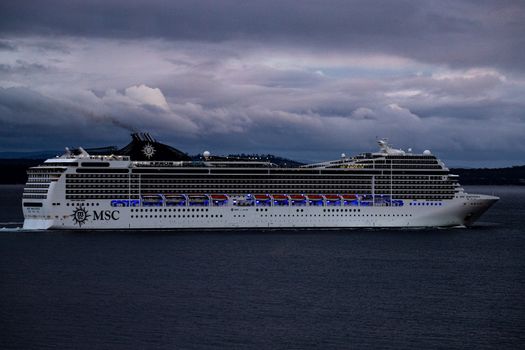
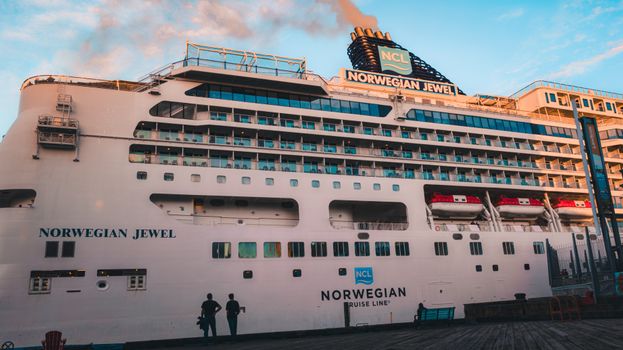
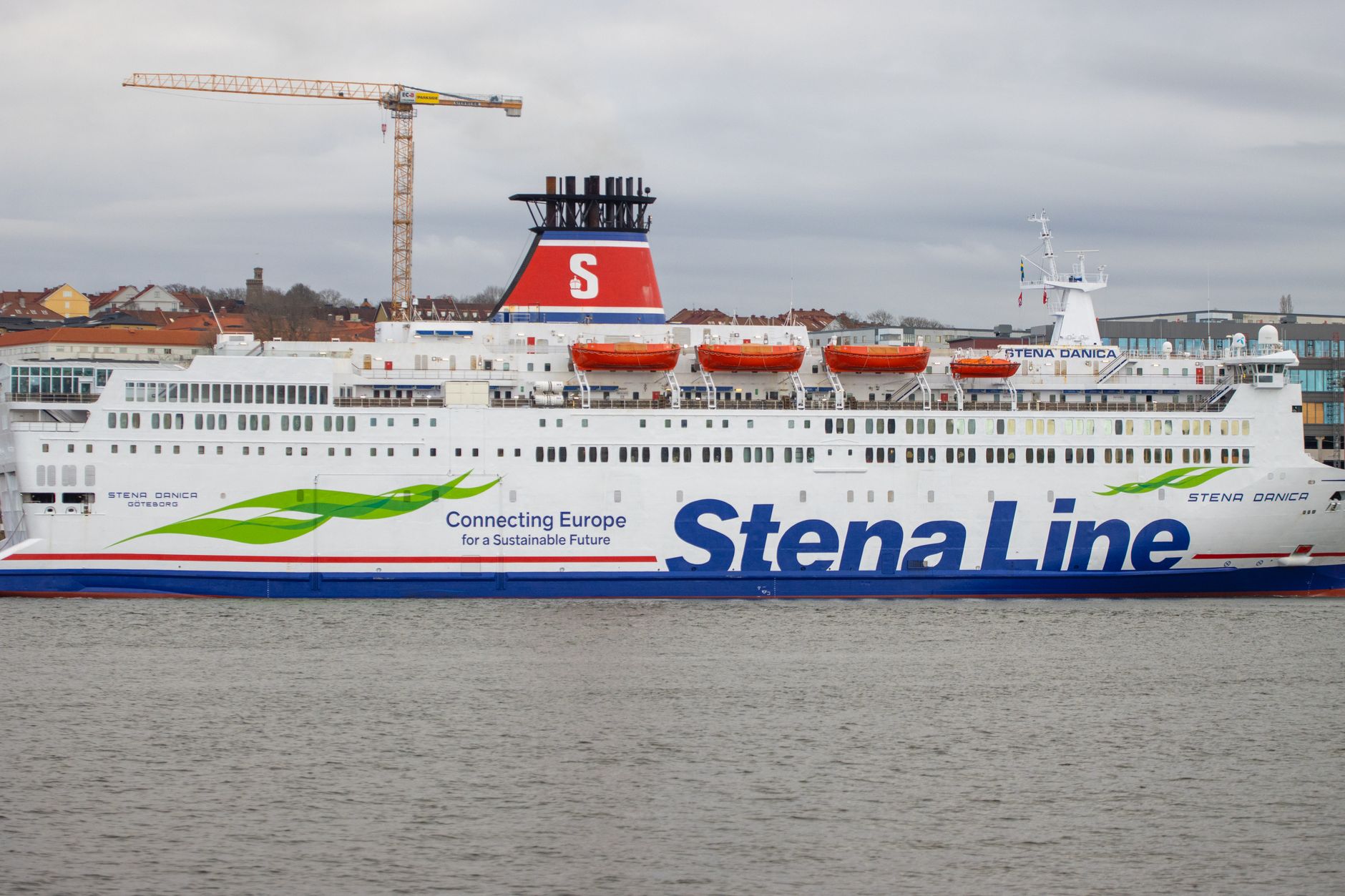
I stepped off the local vaporetto at the San Zaccaria stop in Venice at 6:30 AM, preparing myself for the usual sensory assault: the diesel fumes, the thunderous rumble of rolling suitcases on limestone bridges, and the shadow of a fifteen-story floating mega-resort looming over the Palazzo Ducale.
Instead, I was greeted by the smell of briny sea air, damp marble, and roasted chicory espresso drifting from a newly opened bakery down a side alley. The canal wasn't churning with polluted wake; it was mirror-still, reflecting the pink morning light bouncing off the Basilica. I could actually hear the crisp slap-slap of wooden oars dipping into the water as a local vendor delivered fresh radicchio to a floating market.
For decades, we were told a terrifying story: If you restrict cruise ships, local tourism dies.
Recent municipal data and economic reports have shattered that myth. Across the globe, historic coastal cities and delicate island ecosystems that pulled the plug on massive cruise liners are not just surviving—they are economically outperforming their over-crowded pasts. By trading low-spending, high-impact day-trippers for land-based guests who eat in local trattorias, stay in boutique hotels, and buy handmade crafts, these destinations have unlocked a profitable blueprint for sustainable travel.
Here is an insider look at five iconic destinations that banned or capped cruise ships, the impressive data proving their success, and how you can experience them at their absolute best.
---
1. Venice, Italy: Reclaiming the Lagoon Ecosystem and Local Commerce
In August 2021, the Italian government officially banned ships exceeding 25,000 gross tons from entering the shallow Giudecca Canal and passing through St. Mark’s Basin. The decision came after years of structural degradation to centuries-old wooden pilings and catastrophic air pollution.
```
+-----------------------------------------------------------------------+
| VENICE POST-BAN IMPACT AT A GLANCE |
| • Black Carbon Emissions around Giudecca Canal: DOWN 80%+ |
| • Average Overnight Visitor Spend: UP to €230/day (vs €35 cruise avg)|
| • UNESCO World Heritage Protection Status: RETAINED |
+-----------------------------------------------------------------------+
```
The Data
Critics warned of economic ruin. Yet according to data from the Venice Chamber of Commerce, while physical foot traffic during peak daytime hours dropped by roughly 15%, overall tourism revenue stabilized and grew in value. Overnight guests—who contribute nearly six times more per capita to the local economy than single-day cruise passengers—stayed longer and spent more at independent establishments. Moreover, environmental monitoring revealed an 80% reduction in air pollutants like black carbon around the city center within six months of the ban.
How to Experience It Authentically
Without massive cruise crowds clogging the narrow calli between 10:00 AM and 4:00 PM, Venice has recovered its neighborhood soul, particularly in the northern district of Cannaregio.
- Pro-Tip: Skip the overpriced bellini at St. Mark’s Square. Walk to Vini da Cisa Gofre ai Do Mori (a tiny cicchetti bar operating since 1462 near the Rialto Bridge). Knock on the dark wooden panel behind the counter and order a glass of local Ombra wine alongside a plate of creamed salt cod (baccalà mantecato). Visit at 8:30 AM for breakfast when the locals order their espresso before work.
---
2. Dubrovnik, Croatia: From "Game of Thrones" Gridlock to High-Value Tourism
In 2017, Dubrovnik’s UNESCO-listed Old Town was hit by as many as 10,000 cruise passengers a day—all trying to squeeze through the Pile Gate simultaneously. The city was choking on its own popularity. In response, Mayor Mato Franković launched the "Respect the City" initiative, capping cruise ship arrivals to a maximum of two ships per day carrying no more than 4,000 total passengers.
```
DUBROVNIK TOURISM TRANSFORMATION
[BEFORE CATION: 2016] [AFTER CAP: RECENT DATA]
• 10,000+ daily cruise visitors • Max 4,000 daily cruise visitors
• Avg Stay: 3 hours • Avg Stay: 3.8 nights
• Congestion: Severe (1hr wait) • Congestion: Minimal
• Local Biz Spend: Low/Capitive • Local Hotel Occupancy: +18%
```
The Data
Data released by the Dubrovnik Tourist Board indicates a dramatic shift toward high-yield travel. While day-tripper gridlock decreased by over 40%, hotel occupancy rates surged by 18%. The average duration of stay increased to 3.8 nights. Local restaurateurs reported higher average ticket prices, as diners were no longer rushing back to a ship for scheduled onboard seatings.
How to Experience It Authentically
Dubrovnik's limestone Stradun street now polished smooth by feet actually shines under the moon again, unencumbered by massive tour group banners.
- Pro-Tip: Skip entering the city walls through the main Pile Gate during mid-morning. Use the lesser-known Buža Gate on the northern wall. Walk directly to Buža Bar II—a hole-in-the-wall bar carved directly into the seaside cliffs outside the southern medieval ramparts. Arrive at 5:00 PM, order a cold Karlovačko beer, and jump straight into the Adriatic Sea off the lower concrete rocks.
---
3. Bar Harbor, Maine: A Small-Town Victory for Local Spend
When over 250 cruise ships a year began dropping anchor off the coast of Bar Harbor, Maine, the resident population of 5,000 was overwhelmed. In November 2022, residents took matters into their own hands, voting directly on a ballot initiative to strictly cap the number of daily cruise passengers disembarking in town to just 1,000 people.
```
BAR HARBOR ECONOMY: BY THE NUMBERS
Cruise Visitor Avg Spend: [$$] $22/day (Souvenirs/Snacks)
Drive-In Tourist Avg Spend: [$$$$$$$$$$] $185/day (Lodging/Dining/Parks)
```
The Data
Cruise industry lawsuits followed, but municipal tax and tourism collection data tell an undeniable story: Bar Harbor is thriving. Overnight room tax revenues surged by 22% in the seasons following the vote. Outdoor outfitters, kayak rental shops, and local seafood shacks reported record profits. The reason? Road-trippers, campers, and resort guests who spend hundreds of dollars a day on lodging, park fees, and lobster dinners returned once the town lost its claustrophobic cruise-port vibe.
How to Experience It Authentically
Bar Harbor serves as the gateway to Acadia National Park, and without thousands of cruise excursions clogging the shuttles, the park’s trail system is vastly more peaceful.
- Pro-Tip: Skip the crowded lobster spots along Main Street. Rent an e-bike from Bar Harbor Bicycle Shop and ride down the historic carriage roads toward Mount Desert Island’s quiet side. Stop at Thurston’s Lobster Pound in Bernard at 11:30 AM (before the local lunch rush). Walk down to the bottom dock, point to a live lobster in the tank, and eat it fresh on the wooden deck overlooking Bass Harbor.
---
4. Amsterdam, Netherlands: Moving the Port to Clean Up the Core
In July 2023, the city council of Amsterdam took a decisive vote to close the central ocean cruise terminal (Passagiers Terminal Amsterdam) located near the city’s central train station. The objective: reduce public nuisance, cut down on sulfur oxide emissions in the city center, and curb mass overtourism.
```
+-----------------------------------------------------------------------+
| AMSTERDAM CITY CENTER RESTORATION |
| • Ocean Cruise Ship Terminals: RELOCATED away from city center |
| • Focus Shift: Cultural heritage, boutique river cruising, art |
| • Local Museum Ticket Revenue: UP 14% year-over-year |
+-----------------------------------------------------------------------+
```
The Data
According to research published by the City of Amsterdam's Department of Research and Statistics, single-day ocean cruise passengers accounted for less than 1.5% of total annual spending in the city, despite generating substantial localized pollution and crowding. Relocating the ship docks out of the city core resulted in zero negative impact on cultural institutions like the Rijksmuseum and Van Gogh Museum, which actually posted a 14% increase in advance ticket revenues driven by longer-stay international travelers.
How to Experience It Authentically
With mega-ships banned from docking right at the city's throat, the IJ waterfront has transformed into a vibrant cultural district populated by locals.
- Pro-Tip: Head to the northern district (Amsterdam-Noord) by taking the free public ferry behind Centraal Station to Buiksloterweg. Skip the tourist-trap pancake houses and head straight to Cafe de Ceuvel, an eco-clever urban park built on a former polluted shipyard. Sit on the floating wooden docks, drink an organic local craft IPA, and sample their famous homemade bitterballen made from locally grown oyster mushrooms.
---
5. Santorini, Greece: Protecting the Caldera Shoulder Season
The iconic white-washed cliffside village of Oia on Santorini became a victim of its own Instagram fame, with up to 18,000 cruise passengers landing on peak summer days. The Greek government and local municipality responded by enforcing a hard cap of 8,000 cruise passengers per day, backed by steep port landing fees and strict scheduling slots managed by the Hellenic Ports Association.
```
SANTORINI SEASONAL DISTRIBUTION SHIFT
Peak Summer Congestion: [▼ 25%] Managed via strict daily caps
Shoulder Season Occupancy: [▲ 35%] Higher October-April stays
```
The Data
The cap forced travel operators to diversify into shoulder-season offerings (October through April). Data from the South Aegean Tourism Observatory shows that while summer foot traffic stabilized at safer levels, shoulder-season bookings expanded by 35%. Wineries, boutique hotels in inland villages, and traditional tavernas stayed open year-round for the first time in decades, providing stable year-round employment for local residents instead of seasonal burnout.
How to Experience It Authentically
Santorini’s volcanic soul isn't found in the sea of selfie sticks at the Oia sunset point; it’s hidden in the island's agricultural center.
- Pro-Tip: Skip Oia at sunset entirely. Head to the ancient, non-coastal village of Pyrgos around 5:30 PM. Climb the narrow staircases past quiet whitewashed chapels up to the ruins of the Venetian Castle (Kastelli). Grab a corner table on the terrace at Franco’s Bar, order a glass of crisp, crisp volcanic Assyrtiko wine, and watch the sun sink into the Aegean Sea in complete, wind-whispered serenity.
---
Quick Facts & Travel Logistics
Planning a trip to these newly liberated, high-value destinations? Here is what you need to know to budget and navigate like a seasoned pro:
| Destination | Former Cruise Surge vs. Current Status | Avg Daily Spend (Land Visitor vs. Cruise) | Best Time to Visit | Local Transport Insider Hack |
| :--- | :--- | :--- | :--- | :--- |
| Venice, Italy | Banned ships >25k gross tons from city center | Land: €230/day<br>Cruise: €35/day | Oct – Nov, April | Buy a 72-hour Vaporetto pass on arrival; use Line 1 at night for an open-air Grand Canal tour. |
| Dubrovnik, Croatia | Capped at 2 ships / 4,000 passengers max daily | Land: €215/day<br>Cruise: €85/day | May, Sept – Oct | Take the local Bus #10 to Cavtat for cheap coastal lunches and quiet swimming coves. |
| Bar Harbor, Maine | Strict voter cap: Max 1,000 passengers disembarking/day | Land: $185/day<br>Cruise: $22/day | Late August – Early October | Use the free Island Explorer Shuttle (runs June-Oct) to hit Acadia trailheads without parking stress. |
| Amsterdam, Netherlands| Closing central terminal; moving docks outside core | Land: €195/day<br>Cruise: €40/day | April – May, Sept | Rent a bike from StarBikes Rental behind Centraal Station—cheaper and less touristy than big chains. |
| Santorini, Greece | Daily cap of 8,000 passengers + high port fees | Land: €280/day<br>Cruise: €60/day | Late Sept – November | Take the local KTEL bus from Fira to Akrotiri for €2 instead of paying €80 for private taxis. |
---
How to Travel Respectfully in the Post-Cruise Era
The success of these cruise bans proves that travel is far better when it emphasizes depth over volume. When you visit a destination that has prioritized sustainability over mass capacity, carry that same mindset with you:
- Stay at Least 3 Nights: Give back to the local economy by paying for accommodation tax, dining locally, and spending money across multiple neighborhoods.
- Eat at Independently Owned Places: Ask hotel hosts or local shop owners where they eat dinner. Avoid restaurants with laminated picture menus translated into eight languages right next to major monuments.
- Offset Your Movement: Choose public electric ferries, bicycles, or walking routes over tour buses and private diesel shuttles.
- Shop Local Craftsmanship: Skip imported plastic snow globes and trinkets sold near port gates. Seek out certified master craftsmen—like Murano glass blowers in Venice or lace makers in Croatia—where your money supports generations-old arts.
By banning mega-ships, these five destinations didn't close their doors to the world—they opened them wider for real, authentic, slow-travel experiences. Pack your bags, leave the floating city behind, and come see what these places look like when they belong to the locals and conscious travelers once again.
---