The Allure of Absence: Discovering Destinations Thriving Without Cruise Ships in March 2026
I stepped off the train, the crisp March air carrying the faint, intoxicating scent of salt and blooming citrus. Unlike the usual cacophony of a port town, here, the dominant sounds were the gentle lapping of waves against weathered fishing boats and the distant chime of a church bell. This was not the hurried, transient energy of a cruise ship disembarkation; this was the slow, steady heartbeat of a community reclaiming its soul. In March 2026, the travel landscape is shifting, and a select few destinations are proving that true prosperity lies not in sheer volume, but in mindful, sustainable tourism. They’ve drawn a line in the sand, banning large cruise ships, and in doing so, have unlocked a richer, more authentic travel experience for those in the know.
The Great Cruise Ship Exodus: Why Destinations Are Saying "No More"
The writing has been on the wall for years. The sheer scale of modern cruise ships, with their thousands of passengers descending upon a single location for a few hours, has proven unsustainable for many cherished destinations. Overcrowding, strain on local infrastructure, environmental damage from emissions and waste, and the dilution of authentic cultural experiences are just a few of the driving forces behind these bans. Destinations are realizing that their unique charm, their delicate ecosystems, and their local way of life are far more valuable than the fleeting revenue generated by a fleet of floating hotels.
Key Concerns Driving Cruise Ship Bans:
- Environmental Impact: Pollution from ship emissions, waste disposal, and seabed disturbance.
- Overtourism: Overwhelming local populations, infrastructure, and natural resources.
- Economic Leakage: Profits often go to large cruise corporations, with limited benefit to local businesses.
- Cultural Dilution: The homogenization of experiences, catering to mass tourism rather than genuine cultural exchange.
Destinations Leading the Charge: Where Authenticity Reigns Supreme in March 2026
While the list of destinations implementing or strengthening cruise ship restrictions is growing, several are already demonstrating remarkable resilience and a commitment to a more sustainable model. These are places where you can still feel the pulse of local life, where artisans ply their trades with pride, and where the natural beauty remains largely unmarred.
1. The Enchanting Isles of the Azores, Portugal: Emerald Gems in the Atlantic
Why they're thriving:
The Azores have long championed sustainable tourism, and their proactive stance against mass cruise tourism is a testament to this. This archipelago offers a profound connection with nature, from volcanic landscapes and thermal springs to whale watching in pristine waters. March offers a shoulder-season advantage, with fewer crowds and the beginnings of spring bloom.
Insider Scoop:
Instead of a single port, explore the distinct character of each island. São Miguel, the largest, boasts the iconic Sete Cidades crater lakes, while Pico is renowned for its vineyards and the highest peak in Portugal.
Pro-Tip:
Book accommodations directly with local guesthouses (Quintas) for an immersive experience and to directly support the local economy. Hike the lesser-known trails for breathtaking, crowd-free vistas.
Quick Facts: The Azores
| Category | Details |
| :-------------- | :------------------------------------------------------------------- |
| Estimated Cost | $$ - $$$ (Mid-range to moderately expensive, depending on island) |
| Best Time to Visit | April-October (March is excellent for fewer crowds, cooler weather) |
| How to Get There | Flights to Ponta Delgada (PDL) from Lisbon, Porto, and select North American cities. Inter-island flights and ferries are available. |
| Local Vibe | Serene, nature-focused, authentic Portuguese island life. |
2. The Croatian Coastline (Specific Cities/Regions): Adriatic Charm Reimagined
Why they're thriving:
While some Croatian ports still see cruise ships, discerning travelers are seeking out the smaller, more regulated destinations or focusing on land-based exploration. Cities like Dubrovnik have implemented strict limits, pushing larger vessels further out and encouraging smaller, more intimate craft. The real magic lies in exploring the Dalmatian Islands via ferry or private charter.
Insider Scoop:
Venture beyond Dubrovnik's iconic walls. Explore the fortified towns of the Pelješac peninsula, taste world-class wines, and discover hidden coves on islands like Korčula or Vis.
Pro-Tip:
In March, you'll experience the Adriatic without the summer swarms. Enjoy local konobas (taverns) serving fresh seafood and regional specialties without the long waits. Look for boutique hotels in historic city centers.
Quick Facts: Croatian Coastline (Island Focus)
| Category | Details |
| :-------------- | :------------------------------------------------------------------- |
| Estimated Cost | $$ - $$$ (Varies by island and season, March offers better value) |
| Best Time to Visit | May-June, September-October (March is excellent for a peaceful experience) |
| How to Get There | Flights to Split (SPU) or Dubrovnik (DBV). Frequent ferry services connect islands. |
| Local Vibe | Historic charm, stunning coastal scenery, delicious Mediterranean cuisine. |
3. Venice, Italy: A Renaissance of Respectful Tourism
Why they're thriving:
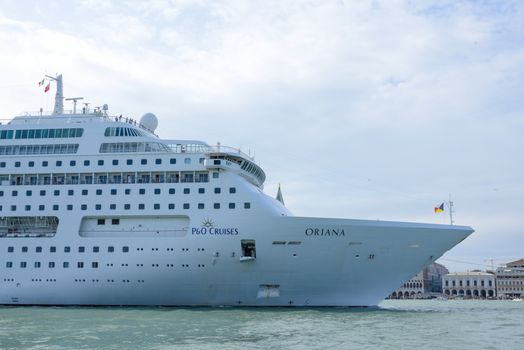
Venice has made significant strides in limiting the passage of large cruise ships through its fragile lagoon. This has been a game-changer, not only for the environment but for the very soul of the city. March offers a magical window – fewer crowds, a crisp, clear light, and the unique atmosphere of a city that breathes history.
Insider Scoop:
While cruise ships are restricted, the city itself is still a draw. Focus on exploring the quieter sestieri (districts) like Cannaregio or Dorsoduro. Get lost in the labyrinthine alleyways, discover hidden campi (squares), and savor cicchetti (Venetian tapas) in bacari (traditional bars).
Pro-Tip:
Wake up before dawn to experience St. Mark's Square in near silence. Take a vaporetto ride down the Grand Canal in the early morning light for unparalleled photographic opportunities. Consider staying in a charming B&B away from the main tourist thoroughfares.
Quick Facts: Venice
| Category | Details |
| :-------------- | :------------------------------------------------------------------- |
| Estimated Cost | $$$ (Can be expensive, but budget options exist with careful planning) |
| Best Time to Visit | April-May, September-October (March offers fewer crowds and unique light) |
| How to Get There | Flights to Venice Marco Polo Airport (VCE). Water taxis and land buses connect to the city. |
| Local Vibe | Romantic, historic, artistic, unique canal city experience. |
4. The Fjords of Norway (Select Regions): Majestic Nature Preserved
Why they're thriving:
Norway's iconic fjords are a prime example of nature's grandeur, and the country has been implementing stricter regulations on cruise ship size and frequency to protect these delicate ecosystems. Destinations like Geirangerfjord and Nærøyfjord are seeing more responsible tourism initiatives. March, though still cool, offers the dramatic beauty of snow-capped peaks and the promise of spring.
Insider Scoop:
While some smaller cruise ships might still offer fjord itineraries, consider focusing on land-based exploration from charming towns like Bergen or Ålesund. Take local ferries that cater to residents for a more authentic feel.
Pro-Tip:
Pack warm layers! March in the fjords is still wintery. Embrace the cozy atmosphere by enjoying local seafood stews and hot drinks. Consider a scenic train journey like the Flåm Railway for spectacular views without the environmental impact of larger vessels.
Quick Facts: Norwegian Fjords (Land-Based Focus)
| Category | Details |
| :-------------- | :------------------------------------------------------------------- |
| Estimated Cost | $$$$ (Norway is generally expensive) |
| Best Time to Visit | June-August for warmer weather. March offers dramatic winter scenery and fewer crowds. |
| How to Get There | Flights to Bergen (BGO) or Ålesund (AES). Extensive train and ferry networks. |
| Local Vibe | Majestic natural beauty, outdoor adventure, charming coastal towns. |
5. The Greek Islands (Specific Islands): Cycladic Serenity Restored
Why they're thriving:
While some larger Greek islands still see significant cruise traffic, many smaller, more pristine islands are actively opting out of large-scale cruise ship calls. This allows them to preserve their authentic charm and manage visitor numbers sustainably. March offers a beautiful introduction to the islands before the summer rush.
Insider Scoop:
Think beyond Santorini and Mykonos. Explore lesser-known gems like Folegandros for its dramatic cliffs and authentic village life, or Milos for its unique volcanic landscapes and stunning beaches.
Pro-Tip:
March is the perfect time to experience the quiet beauty of the Cyclades. Enjoy local tavernas serving moussaka and fresh fish without the crowds. Rent a scooter or ATV to explore hidden coves and ancient ruins at your own pace.
Quick Facts: Lesser-Known Greek Islands
| Category | Details |
| :-------------- | :------------------------------------------------------------------- |
| Estimated Cost | $$ - $$$ (Varies by island, generally more affordable than major hubs) |
| Best Time to Visit | May-June, September-October (March is ideal for a peaceful, authentic experience) |
| How to Get There | Flights to Athens (ATH), then ferry to chosen island. Some islands have direct flights from Athens. |
| Local Vibe | Laid-back island life, stunning beaches, delicious Greek cuisine, whitewashed villages. |
The Ripple Effect: Benefits of Cruise Ship Bans on Local Communities
It's not just about preserving picturesque landscapes; these bans have a profound positive impact on the communities themselves.
- Economic Diversification: Local businesses, from family-run tavernas to artisan workshops, benefit from a more sustained and engaged tourist base, rather than a fleeting influx.
- Preservation of Culture: Without the pressure of mass tourism, local traditions, languages, and ways of life can be maintained and celebrated.
- Improved Quality of Life: Residents experience less congestion, noise pollution, and strain on public services, leading to a higher quality of life.
- Environmental Restoration: Reduced pollution and waste allow delicate ecosystems to begin recovering.
Planning Your March 2026 Escape: Navigating the New Era of Travel
Traveling to destinations that have opted out of cruise ships is about embracing a different pace and a deeper connection.
Key Considerations for March 2026:
- Embrace Slow Travel: These destinations reward those who linger. Spend more time in fewer places to truly absorb the local atmosphere.
- Support Local Businesses: Seek out independent shops, restaurants, and tour operators. Your spending directly benefits the community.
- Be Mindful of the Environment: Adhere to local guidelines, reduce waste, and respect natural habitats.
- Book in Advance: While less crowded than peak season, popular boutique accommodations can still fill up, especially for those seeking authentic experiences.
- Transportation: Prioritize local public transport (buses, trains, ferries) or rent smaller vehicles.
The Future of Travel: A Call for Conscious Exploration
The trend of destinations banning cruise ships is more than just a travel headline; it's a movement towards a more responsible and enriching way to see the world. In March 2026, these places offer a glimpse into a future where tourism benefits both the traveler and the destination, fostering genuine connections and preserving the magic of our planet for generations to come. So, ditch the mega-ship itinerary and set sail for authenticity – the real treasures await.