The Day the Giants Left: A Personal Awakening
I stepped off the train at Venezia Santa Lucia and braced myself for the usual sensory assault. For years, arriving in Venice meant preparing for battle: bracing against a human wall of day-trippers, the smell of heavy marine fuel hanging over the Giudecca Canal, and the rhythmic, low-frequency thrum of auxiliary diesel engines vibrating through my boots.
But this time, something was different.
I heard the gentle lap-lap of green water against ancient, salt-crusted Istrian stone. I heard the distant, melodic baritone of a gondolier shouting "Ohe!" around a blind corner. I smelled the sharp, clean brine of the Adriatic Sea, unpolluted by the exhaust of a fifteen-deck floating apartment block.
In July 2021, Italy took the historic step of banning cruise ships weighing over 25,000 gross tons from entering the Venetian Lagoon. The result? A city reborn. Venice is no longer just surviving; it is breathing, evolving, and proving that there is life—lucrative, sustainable life—after the megaships.
Across the globe, a quiet revolution is taking place. Forward-thinking municipalities are realizing that the economic return of cruise tourism is a mirage compared to the environmental and social toll. If you want to experience these legendary spots as they were meant to be seen, here are the top destinations banning cruise ships and thriving worth considering for your next slow-travel adventure.
---
1. Venice, Italy: The Renaissance of the Lagoon
```
[ Venice Lagoon (No Megaships) ]
|
(Giudecca Canal Reclaimed)
|
+------------+------------+
| |
[Ecosystem Recovery] [Local Life Restored]
```
When the Italian government officially banned large cruise liners from the historic center, critics predicted economic ruin. Instead, Venice has experienced a cultural and ecological renaissance. The delicate mudflats of the lagoon, crucial for protecting the city from high tides, are no longer being eroded by massive underwater wakes.
Without the sudden influx of 10,000 day-trippers at 10:00 AM, the city’s neighborhood bacari (wine bars) have returned to the locals. You can actually hold a conversation with a Venetian bartender without being pushed aside by a tour group wearing matching neon lanyards.
- The Vibe: Quiet, romantic, and deeply historic. The damp smell of salt and algae is once again the dominant scent, just as it was in the days of the Doges.
- Insider Language: Don't ask for a "tapas bar." Ask for a bacaro and order a spritz al bitter (made with Select, the local Venetian choice, not Aperol) along with a couple of cicchetti (small open-faced sandwiches).
Venice Pro-Tip
To experience the true magic of Venice’s recovery, head to the Cannaregio district at 6:00 PM. Find Osteria Al Timon, grab a plate of baccalà mantecato (whipped cod) on crusty bread, and sit on the wooden boat permanently moored outside to watch the sun set over the quiet canal.
---
2. Dubrovnik, Croatia: Breathing Room in the Pearl of the Adriatic
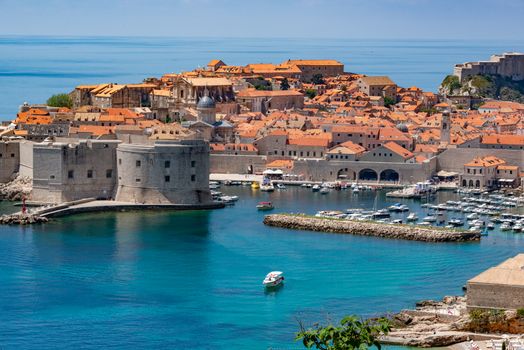
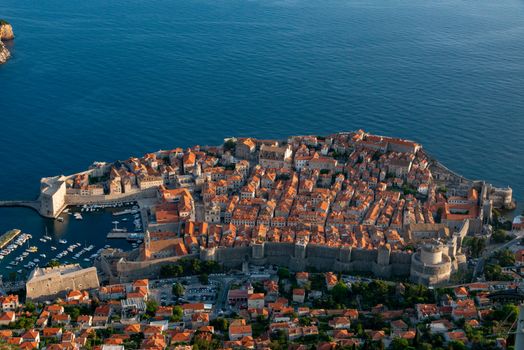
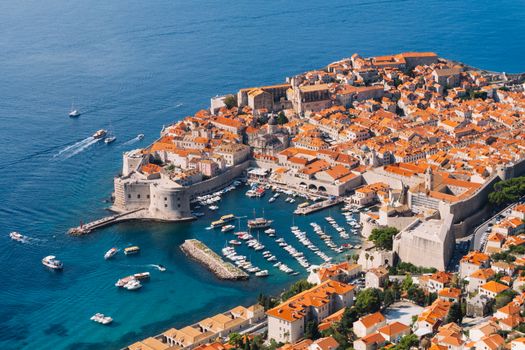
Dubrovnik’s medieval limestone streets, polished to a mirror-like shine by millions of footsteps, were once the poster child for overtourism. During the peak of the Game of Thrones boom, up to ten cruise ships would dock daily, dumping up to 10,000 visitors into a walled city that is barely half a mile wide.
```
Old Dubrovnik Capacity: 10,000+ cruise visitors/day (Gridlock)
New Dubrovnik Capacity: Max 2 ships/day, 4,000 total visitors (Calm)
```
Through its "Respect the City" campaign, Dubrovnik capped cruise arrivals to a maximum of two ships per day, carrying no more than 4,000 passengers total. The difference is night and day. The Stradun (the main limestone street) has transformed from a claustrophobic bottleneck into an elegant public square where you can actually hear the street musicians and appreciate the Renaissance and Baroque architecture.
- The Vibe: Sun-drenched, maritime, and grand.
- Insider Language: Skip the generic pizzerias. Look for a konoba (a traditional tavern) and order crni rižot (black squid ink risotto).
Dubrovnik Pro-Tip
Skip the midday wall walk when the heat is punishing. Buy your ticket online and enter through the lesser-known St. John’s Fort entrance at exactly 8:00 AM. You will have the ancient battlements almost entirely to yourself as the morning sun illuminates the terracotta roofs.
---
3. Amsterdam, Netherlands: Reclaiming the IJ Waterfront
In 2023, Amsterdam’s city council made the bold decision to ban cruise ships from docking at the central Passenger Terminal Amsterdam (PTA). The goal was clear: curb tourist nuisance and reduce pollution in the heart of the historic canal ring.
By pushing the cruise terminals further out of the city center, Amsterdam is actively dismantling its image as a tourist playground and reclaiming its identity as a living, working European capital. The areas surrounding the central station, once clogged with luggage-dragging crowds, are now dominated by local cyclists and quiet electric canal boats.
- The Vibe: Progressive, cozy (gezellig), and bicycle-centric.
- Insider Language: If you want a traditional Dutch gin, don't ask for gin—ask for jonge (young) or oude (old) jenever.
Amsterdam Pro-Tip
Avoid the overcrowded canal cruises near the central station. Instead, rent an electric boat from Those Dam Boat Guys for a small-group, captain-led tour, or rent your own boat from Boaty to navigate the quiet, residential canals of the Jordaan district at your own pace.
---
4. Santorini, Greece: Preserving the Volcanic Caldera
Santorini’s iconic blue-domed churches and whitewashed cliffs have long been a victim of their own beauty. On peak days, up to five massive cruise ships would drop anchor in the volcanic caldera, sending thousands of passengers up the steep cliffs via cable car or donkey rides, completely paralyzing the narrow paths of Oia and Fira.
```
+-------------------------------------------------------------+
| SANTORINI CROWD MITIGATION |
+-------------------------------------------------------------+
| [Daily Cruise Cap] ---> Limited to 8,000 passengers max |
| [Proposed Ban] ---> Total ban on mega-liners in progress|
| [Result] ---> Caldera trails are walkout-friendly |
+-------------------------------------------------------------+
```
With a strict daily cap of 8,000 cruise passengers now in place—and local authorities pushing for even tighter restrictions—the island is slowly clawing back its romantic serenity.
- The Vibe: Dramatic, windswept, and sun-baked.
- Insider Language: When wine tasting, skip the generic Pinot Grigio. Ask for Assyrtiko, a bone-dry, highly acidic white wine grown in Santorini's unique volcanic soil.
Santorini Pro-Tip
Do not go to Oia for sunset; it remains a crowded bottleneck. Instead, hike the caldera path from Fira to Imerovigli and watch the sun sink into the Aegean from the ruins of Skaros Rock. It is a far more dramatic view, shared with only a handful of other travelers.
---
5. Bruges, Belgium: Preserving Flemish Medieval Magic
Bruges is often described as a fairy-tale city, but when five cruise ships dock simultaneously at nearby Zeebrugge, the fairy tale quickly turns into a theme park nightmare. In response, Bruges limited the number of cruise ships allowed to dock at once to just two, while actively reducing promotional campaigns that target day-trippers.
The result is a return to the quiet, atmospheric Bruges of old. The city’s cobblestone streets, Gothic brick architecture, and reflective canals are once again peaceful, particularly in the early mornings and late evenings when the day-trippers have departed.
- The Vibe: Gothic, romantic, and rich with the scent of caramelized sugar and yeast.
- Insider Language: Don't just order "beer." Ask for a Geuze (a sour, complex spontaneously fermented Belgian beer) or a Brugse Zot, which is brewed right in the heart of the city.
Bruges Pro-Tip
To experience Bruges at its most atmospheric, enter the Beguinage (Begijnhof) at 7:30 AM. The morning mist hangs low over the courtyard, the towering poplars sway gently, and you will hear nothing but the soft chanting of the Benedictine nuns.
---
6. Bar Harbor, Maine, USA: Reclaiming the Acadia Coastline
It isn't just Europe that is fighting back against the cruise industry. In 2022, the residents of Bar Harbor, Maine—the gateway to Acadia National Park—voted to impose a strict limit of 1,000 cruise passengers per day. Despite fierce legal challenges from business coalitions and cruise lines, the town held its ground.
Before the ban, the arrival of a 4,000-passenger ship would instantly double the town’s population, gridlocking the historic streets and packing the hiking trails of Acadia. Today, Bar Harbor has returned to its roots as a classic, quiet New England coastal enclave.
- The Vibe: Rugged, pine-scented, and salty.
- Insider Language: If you want local lobster, ask for a "hard-shell" lobster. They have sweeter meat and are packed tighter than soft-shell varieties.
Bar Harbor Pro-Tip
Skip the tourist-trap lobster shacks on Main Street. Drive 15 minutes outside of town to Abel's Lobster on Mount Desert Island. Sit at a rustic picnic table right on the edge of Somes Sound and enjoy wood-fired lobster served with drawn butter in peace.
---
Quick Facts & Travel Logistics
To help you plan your next crowd-free escape, here is a breakdown of the logistics for these six thriving destinations:
| Destination | Est. Daily Budget ($) | Best Time to Visit | How to Get There (Low-Impact) |
| :--- | :--- | :--- | :--- |
| Venice, Italy | $180 - $300 | October to April | Trenitalia High-Speed Rail directly to Santa Lucia Station. |
| Dubrovnik, Croatia | $150 - $250 | May or September | Direct flights to DBV, then the local airport shuttle bus. |
| Amsterdam, Netherlands| $200 - $350 | April to June | Eurostar or NS International train straight to Centraal Station. |
| Santorini, Greece | $250 - $500 | Late September to October | Blue Star Ferry from Athens (Piraeus) for a slow-travel approach. |
| Bruges, Belgium | $140 - $240 | September to November | SNCB train from Brussels Central (runs every 30 minutes). |
| Bar Harbor, Maine | $180 - $320 | September (Fall Foliage) | Concord Coach Lines bus from Boston, or drive an EV. |
---
The Verdict: Why Slow Travel Wins
The data is clear: destinations that restrict cruise ships do not collapse; they transform. They trade high-volume, low-spend day-trippers for high-value, overnight travelers who stay in local boutique hotels, eat at family-run trattorias, and respect the local community.
By choosing to visit these destinations banning cruise ships and thriving worth considering, you are not just securing a better, more peaceful vacation for yourself—you are voting with your wallet for the future of sustainable, respectful travel.
---