The Night Patrol on the Osa Peninsula
I stepped off the open-air wooden transport and into a humidity so thick it felt like breathing warm silk. The air carried the damp smell of decaying rainforest leaves mixed with sharp ocean brine. Around me, the nocturnal orchestra of the Costa Rican jungle was in full swing: the deafening ping of glass frogs, the distant thrum of howler monkeys, and the rhythmic crash of Pacific breakers against black sand.
It was 10:45 PM. Armed with a red-lens headlamp and a tally sheet, I walked alongside a marine biologist scanning the tide line for the telltale tractor-tire tracks of an olive ridley sea turtle. Within forty minutes, we found her: a 100-pound matriarch in a trance-like state, depositing eggs into a teardrop-shaped pit. My job for the next twenty minutes was simple yet crucial—carefully collect each egg in latex-gloved hands, measure the nest depth, and transfer the clutch to a protected hatchery safe from poachers and stray dogs.
I didn't commit to a six-month sabbatical or pay thousands of dollars to a shady third-party middleman. I booked a two-day field placement directly with a sanctuary on the ground.
Data from the International Ecotourism Society confirms a massive paradigm shift in sustainable travel: over 60% of modern eco-conscious travelers cannot commit to multi-week volunteer stints due to career or financial constraints. In response, top-tier research institutes and wildlife reserves have restructured their field operations to integrate short-term visitors for micro-stints.
Here is your definitive, data-backed guide to high-impact, ethically vetted conservation projects worldwide accepting short-term visitors right now.
---
1. Osa Sea Turtle Initiative: Night Patrols & Hatchery Shifts (Costa Rica)
Located along Costa Rica’s rugged Southern Pacific coast, the Osa Peninsula holds 2.5% of the planet's biodiversity. While many marine programs require a minimum two-week commitment, localized non-profits along Matapalo and Piro beaches have pioneered short-visit research passes.
```
+-----------------------------------------------------------------------------------+
| QUICK FACTS: OSA SEA TURTLE RESEARCH |
+-----------------------------------------------------------------------------------+
| Location: Osa Peninsula, Costa Rica |
| Minimum Stay: 1 Night / Day Pass available |
| Cost: $50 – $110 per day (includes researcher guide fee & hatchery donation) |
| Best Time to Visit: July to December (Peak nesting & hatching season) |
| How to Get There: Fly into Puerto Jiménez via domestic flight from San José, then |
| take the 4x4 'Colectivo' truck south toward Cabo Matapalo. |
+-----------------------------------------------------------------------------------+
```
What You’ll Actually Do
Short-term visitors join late-night beach patrols (typically 9:00 PM to 2:00 AM) to monitor nesting sea turtles, record shell measurements, and relocate vulnerable egg clutches to the safe hatchery. If you book an early morning shift (5:30 AM), you will assist in excavating hatched nests to count success rates and release hatchlings directly into the ocean surf before birds awake.
- Pro-Tip: Wear dark, non-synthetic clothing that doesn't rustle. Bring a headlamp equipped strictly with a red-light filter; white light disorients nesting females and is banned on the beach.
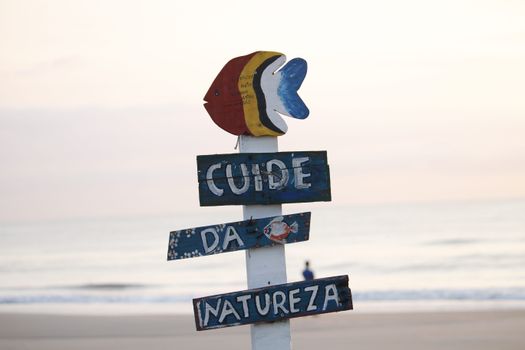
- The Hidden Detail: The secret entrance to the research station office is located directly behind the hand-painted wooden turtle sign at kilometer marker 14 on the road to Carate. Ask for standard station coordinator check-in upon arrival.
---
2. Naankuse Wildlife Sanctuary: Carnivore Tracking & Rehab (Namibia)
Namibia’s vast dry savannah is home to cheetahs, leopards, brown hyenas, and wild dogs. The Naankuse Foundation, situated just outside Windhoek, operates an ethical carnivore monitoring project that allows day-pass holders and short-stay guests (1 to 3 days) to actively assist research teams.
```
+-----------------------------------------------------------------------------------+
| QUICK FACTS: NAANKUSE WILDLIFE SANCTUARY |
+-----------------------------------------------------------------------------------+
| Location: Khomas Region, Namibia (45 mins from Hosea Kutako Int'l Airport) |
| Minimum Stay: Half-day pass up to 3 days |
| Cost: $75 – $220 per day (depending on overnight lodge vs. day volunteer pass) |
| Best Time to Visit: May to October (Dry winter season; optimal tracking weather) |
| How to Get There: Pre-arrange a shuttle pickup through Naankuse directly from |
| Hosea Kutako International Airport or rent a 2WD vehicle from Windhoek city center.|
+-----------------------------------------------------------------------------------+
```
What You’ll Actually Do
Unlike unethical "lion-petting" operations, Naankuse focuses strictly on human-wildlife conflict mitigation. Short-term visitors accompany telemetry specialists into the field to track released, radio-collared carnivores, repair fence line monitoring cameras, and prepare nutritional enrichment items (such as frozen scent trails or meat puzzles) for non-releasable rescued animals.
- Pro-Tip: Book the "Carnivore Tracking Drive" that leaves at precisely 6:30 AM. Morning temperatures are cooler, dramatically increasing the odds of spotting radio-collared leopards moving through the dry riverbeds.
- Insider Language: Ask the field biologists about their "conflict mitigation success rate" with local cattle farmers—it's the core metric that makes their model work.
---
3. Coral Nursery Restoration & Lionfish Control in Placencia (Belize)
The Belize Barrier Reef—the second largest reef system on Earth—faces severe threats from warming sea temperatures and invasive Indo-Pacific lionfish. Organizations partnered with local dive shops in Placencia now allow certified scuba divers and advanced snorkelers to participate in single-day or weekend coral restoration and invasive species culling operations.
```
+-----------------------------------------------------------------------------------+
| QUICK FACTS: BELIZE BARRIER REEF RESTORATION |
+-----------------------------------------------------------------------------------+
| Location: Silk Cayes & Laughing Bird Caye Marine Reserves, Belize |
| Minimum Stay: 1 Day Dive Trip |
| Cost: $140 – $190 (includes boat transport, gear rental, and marine park fees) |
| Best Time to Visit: March to June (Calm seas, crystal-clear water visibility) |
| How to Get There: Fly into Belize City (BZE), take a 35-minute hopper flight to |
| Placencia Airstrip, then taxi to the Placencia Municipal Pier. |
+-----------------------------------------------------------------------------------+
```
What You’ll Actually Do
After a 45-minute safety briefing on coral ecology, participants dive into shallow back-reef nurseries to clean algae off grown acropora (staghorn) corals suspended on PVC "trees." You’ll use micro-scrubbing brushes to keep algae from smothering the coral fragments before they are outplanted onto degraded reefs. Diver-certified short-termers can also participate in regulated lionfish spearing using Hawaiian slings.
- Pro-Tip: Bring your own reef-safe zinc sunblock. Local marine law strictly bans chemical sunscreens containing oxybenzone within marine reserves, and spot checks occur at the dock.
- The Local Culinary Treat: After a morning spearing dive, field crews will clean your harvested lionfish directly on the boat to prepare fresh, lime-cured lionfish ceviche for lunch right on the deck.
---
4. Elephant Nature Park: Single-Day Hands-Off Care (Chiang Mai, Thailand)
Greenwashing is rampant across Southeast Asian elephant tourism. However, Chiang Mai's Elephant Nature Park (ENP)—pioneered by conservationist Lek Chailert—stands out as the gold standard for ethical pachyderm rescue. ENP offers direct single-day passes ("Hands-Off Day Stays") designed specifically for short-term travelers.
```
+-----------------------------------------------------------------------------------+
| QUICK FACTS: ELEPHANT NATURE PARK |
+-----------------------------------------------------------------------------------+
| Location: Mae Taeng Valley, Chiang Mai Province, Thailand |
| Minimum Stay: Half-Day, Full-Day, or Overnight (1 night) |
| Cost: 2,500 – 3,500 THB (~$70 – $100 USD) |
| Best Time to Visit: November to February (Cool, dry weather) |
| How to Get There: ENP provides direct air-conditioned van pick-ups from any |
| hotel within Chiang Mai Old City between 7:00 AM and 7:30 AM. |
+-----------------------------------------------------------------------------------+
```
What You’ll Actually Do
At ENP, there is zero elephant riding, bathing, or forced trick performance. Instead, short-term visitors walk along elevated skywalks observing rescued herds roaming naturally through forested valleys. Short-term visitors spend hours slicing watermelons, pumpkins, and banana trunks to prepare dietary meals, filling food enrichment towers, and assisting kitchen staff in compounding herbal medicine balls for geriatric, blind, or landmine-injured elephants.
- Pro-Tip: Book your pass at least 6 to 8 weeks in advance online. The true "Hands-Off Skywalk" single-day pass cap is strictly enforced to avoid overcrowding the valley floor.
- Sensory Snapshot: The sound of an elephant herd rumbling low in their chests is felt in your ribs before you hear it in your ears—a deep, subsonic vibration that shakes the air around you.
---
5. Glen Affric Rewilding & Tree Planting Days (Scottish Highlands)
For travelers seeking cool damp air, ancient pine forests, and dramatic landscape recovery, Trees for Life operates groundbreaking rewilding projects in the Scottish Highlands. Designed to restore the ancient Caledonian Forest, this organization hosts organized single-day and weekend "Volunteer Day Bursts" accessible from Inverness.
```
+-----------------------------------------------------------------------------------+
| QUICK FACTS: GLEN AFFRIC REWILDING |
+-----------------------------------------------------------------------------------+
| Location: Glen Affric & Dundreggan Rewilding Centre, Scotland |
| Minimum Stay: 1 Day Drop-In |
| Cost: Free (Optional £15 – £30 donation suggested to cover sapling stock) |
| Best Time to Visit: April to October (Milder temperatures and longer daylight) |
| How to Get There: Catch the early regional bus from Inverness Bus Station to |
| Cannich, where shuttle transfers to the Dundreggan Centre meet participants. |
+-----------------------------------------------------------------------------------+
```
What You’ll Actually Do
Short-term volunteers grab spades, tree bags, and saplings (Scotch pine, aspen, rowan) to plant along degraded Highland hillsides. Tasks also involve removing invasive, non-native Rhododendron ponticum bushes that choke out local ground flora, and building natural deadwood fencing to protect young shoots from red deer grazing.
- Pro-Tip: Invest in heavy-duty waterproof boots with gaiters and a windproof rain shell. Scottish Highlands weather can cycle through four seasons in an hour.
- The Hidden Entrance: The Dundreggan Rewilding Centre features a stunning glass-walled café overlooking native plantings. Head to the rear courtyard boot room at 8:45 AM sharp for team registration and safety briefings.
---
How to Vet Conservation Projects (The Anti-Greenwashing Checklist)
Before booking any short-term conservation pass, run the project through this quick checklist to ensure your money and time directly support ethical conservation:
- Zero Hands-On Contact with Wild Predators: Legitimate sanctuaries do not allow visitors to hold, pet, or pose for photos with big cats, primates, or baby wildlife.
- Transparent Financial Allocation: Reputable programs clearly break down where your fee goes (e.g., 60% directly to project operations/research gear, 20% to local community employment, 20% to guest logistics).
- Local Employment: Check that local indigenous communities are employed as senior trackers, dive masters, or field leads—not just lower-tier service staff.
- Data Collection Integration: Legitimate field trips log data (GPS tracks, animal behavior notes, egg counts) into open-source or academic databases. If you are just walking around without tracking or field tasks, it's entertainment, not conservation.
---
Short-Term Conservation Comparison Table
```
+---------------------------+---------------+------------------+---------------------+-------------------+
| Project Name | Country | Min. Time Needed | Est. Cost (USD) | Hands-On Animal |
| | | | | Direct Contact? |
+---------------------------+---------------+------------------+---------------------+-------------------+
| Osa Sea Turtle Research | Costa Rica | 1 Night | $50 - $110 | Yes (Hatchlings) |
| Naankuse Carnivore Track | Namibia | Half-Day | $75 - $220 | No |
| Placencia Reef Protection | Belize | 1 Day | $140 - $190 | No (Coral/Fish) |
| Elephant Nature Park | Thailand | Half-Day / 1 Day | $70 - $100 | No (Observe only) |
| Glen Affric Rewilding | Scotland, UK | 1 Day | Free - $30 | No (Plants/Trees) |
+---------------------------+---------------+------------------+---------------------+-------------------+
```
---
Final Thoughts for the Eco-Conscious Traveler
You don't need to quit your day job or spend weeks living in a tent to participate in global conservation efforts. By choosing vetted, micro-volunteering opportunities that accept short-term visitors, your travel dollars directly fund field staff, buy critical equipment, and support local habitat protection.
Pack your boots, leave the greenwashed tourist traps behind, and make your next vacation count.
---