Volunteering on a conservation project abroad can offer hands-on experience, a closer understanding of local ecosystems and a way to contribute time to work that matters. It can also go wrong. Some programs are poorly planned, some charge high fees with little of the money reaching the field, and some involve animal handling or community contact that causes harm. The difference between a valuable placement and a disappointing one usually lies in how the project is organized, supervised and explained. This guide sets out the questions to ask and the warning signs to notice before you commit.
Start With the Project's Purpose and Evidence
A responsible conservation project should be able to explain its goals, the species or habitats it works on, and the methods it uses. Look for information about scientific partners, research permits and monitoring. Ask how the work is measured and what results have been achieved. A project that cannot describe its outcomes in plain language, or that relies mainly on dramatic promotional imagery, deserves closer scrutiny. Many legitimate organizations publish reports, collaborate with universities or government agencies, and are open about their limitations.
Check whether the organization is registered in the country where it operates, and whether it holds any required permits for the activities it offers. Local authorities or national conservation bodies can often confirm this information.
Understand Fees and Where the Money Goes
Volunteer programs commonly charge participation fees to cover accommodation, meals and project costs. These fees are not inherently a problem, but you should be able to find out what they cover. Ask for a breakdown and check whether the program describes how much goes to field operations, staff, local employment and conservation activity. Be cautious of programs that present their fee as an investment in a dramatic outcome without giving details. Compare fees with similar projects, bearing in mind that costs differ by country and by program length.
Some placements are paid roles rather than volunteer ones, particularly for experienced people or those with specific skills. Being clear about the difference helps avoid confusion about expectations and responsibilities.
Animal Welfare and Wildlife Contact
Responsible conservation work rarely involves close contact with wild animals for the benefit of visitors. Be wary of any program that offers to let volunteers handle, bottle-feed, ride or photograph animals in ways that do not serve a clear research or veterinary purpose. Projects involving captive animals should explain their welfare standards, veterinary oversight and plans for eventual release where relevant. Ask directly whether animals are ever handled by volunteers, and what training is required.
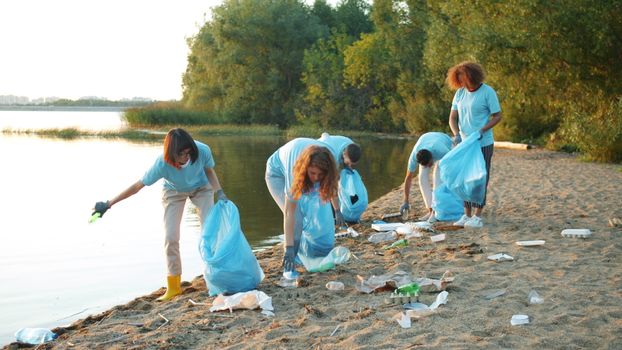
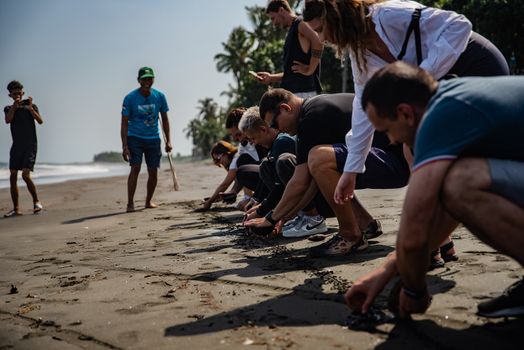
Marine and terrestrial monitoring programs often use surveys, tagging, habitat restoration or beach cleaning. These activities can be valuable when they are supervised by qualified staff and carried out according to established protocols. Ask about safety briefings, equipment and what happens if conditions change.
Community Impact and Child Protection
Volunteer work should support local priorities rather than replace local workers or create dependence. Ask how the project involves local communities in planning, employment and decision-making. Programs that involve children, particularly through residential care or teaching, carry additional responsibilities, and many experts advise avoiding short-term placements that involve direct unsupervised contact with children. Check whether the organization has child-protection policies and background-check procedures for staff and volunteers.
Consider whether your skills match the work offered. Many conservation projects benefit from people with relevant experience, but unskilled volunteers can still help with tasks such as habitat clearing or data entry when properly supervised. Be honest with yourself about your abilities and availability.
Preparing for the Placement
Before you travel, confirm the dates, accommodation, safety procedures and insurance requirements in writing. Check your own travel insurance, which may need to cover fieldwork or specific activities. Review health advice from your government and any vaccinations recommended for the destination. Learn a few phrases of the local language and read about the culture and conservation context so that you can participate respectfully. Pack appropriate clothing and gear, and ask the organization whether it will provide equipment or whether you should bring your own.
Practical tips
Look for detailed, recent information on the project's website and in independent reviews, and speak to former volunteers if possible. Compare several programs before deciding. Avoid any arrangement that pressures you to pay quickly or discourages questions. Keep copies of all agreements and payment receipts. Once you arrive, ask for a site induction and clarify your role each week. Leave your contact details with someone at home and agree how you will communicate. Remember that the most useful contribution is often reliable, well-supervised work completed over a meaningful period.
Responsible conservation volunteering is about the quality of the work and the integrity of the organization, not the appeal of a particular photograph or claim. Careful research, clear expectations and respect for local people and wildlife make it far more likely that your time will help the project it supports.