Beyond the Postcard: Where Your Wanderlust Fuels a Greener Future in March 2026
I stepped off the rickety boat, the salty spray still clinging to my face, and the air hit me – a heady mix of damp earth, blooming ginger, and something wild, something ancient. The symphony of cicadas was a constant hum, punctuated by the distant, guttural call of howler monkeys. This wasn't just another pretty beach; this was a living, breathing testament to what happens when tourism isn't just about seeing, but about saving. And in March 2026, you have the power to be part of this incredible story.
We’re all looking for that perfect escape, right? That place that ignites our senses, broadens our horizons, and leaves us with memories etched in our souls. But what if that escape could also leave a positive footprint? What if your March 2026 adventure could directly contribute to protecting endangered species, preserving fragile ecosystems, and empowering local communities? Welcome to the world of conservation tourism – where your journey becomes a force for good.
1. Costa Rica: The Biodiversity Powerhouse (and Your New Favorite Eco-Haven)
Costa Rica. The name itself conjures images of emerald rainforests, mist-shrouded volcanoes, and a dizzying array of wildlife. But beyond the postcard-perfect vistas, this Central American gem has quietly become a global leader in conservation, largely thanks to its commitment to eco-tourism. In March 2026, it’s a prime example of how a nation can prioritize its natural heritage and reap the rewards.
The 'Pura Vida' Conservation Ethos:
Costa Rica has strategically protected vast swathes of its land, designating over 25% as national parks and reserves. This isn't just about setting aside land; it's about actively managing it, funding research, and ensuring that the tourism industry that thrives here contributes directly to these efforts. Think of your entry fees, your stay at an eco-lodge, your guided rainforest hike – all of it funnels back into the very ecosystems you're experiencing.
Insider Scoop: Monteverde Cloud Forest:
Forget the crowded main trails. For an truly immersive experience in Monteverde, seek out smaller, family-run reserves like the Curi-Cancha Reserve. Here, you'll have a better chance of spotting the elusive Resplendent Quetzal (March is a decent time for sightings!) and other endemic bird species without the throngs. The guides are often local naturalists with encyclopedic knowledge passed down through generations.
Pro-Tip:
Visit the Selvatura Park's hummingbird garden at dawn. The sheer volume of these iridescent jewels flitting around is mesmerizing, and the light is absolutely magical.
Quick Facts: Monteverde, Costa Rica
| Category | Details | Estimated Cost ($USD) |
| :--------------- | :---------------------------------------------------------------------- | :-------------------- |
| Best Time to Visit (March 2026) | Dry season, pleasant temperatures, good for wildlife spotting. | $$$ |
| How to Get There | Fly into San José (SJO) or Liberia (LIR), then take a shuttle or rental car. | $150-300 (flights) |
| Accommodation | Eco-lodges, B&Bs, boutique hotels. | $80-250/night |
| Activities | Guided hikes, zip-lining, birdwatching, night walks, coffee tours. | $30-150/activity |
| Conservation Contribution | Park entrance fees, eco-lodge partnerships, local guides. | Included in prices |
2. Palau: Guardians of the Pristine Blue (Where Diving Funds Discovery)
Imagine gliding through water so clear you can see the vibrant coral gardens teeming with life for what feels like miles. This is Palau, an archipelago nation in the Western Pacific, where marine conservation isn't just a policy; it's a way of life. In March 2026, visiting Palau means becoming a patron of one of the world's most successful marine sanctuaries.
The Pristine Paradise Pledge:
Palau pioneered the Palau Pledge, a commitment visitors make upon arrival to protect the environment for future generations. This isn't just a symbolic gesture; it's backed by robust marine protected areas and a strong stance against destructive fishing practices. Your tourist dollars directly fund marine park rangers, research initiatives, and the management of the famous Rock Islands Southern Lagoon, a UNESCO World Heritage site.
Insider Scoop: Jellyfish Lake:
While the famous Jellyfish Lake is currently recovering and access might be limited or require specific permits, the surrounding waters offer unparalleled diving and snorkeling. Explore the German Channel for manta rays, or dive the WWII wrecks for a dose of history intertwined with marine life. The sheer abundance of fish is staggering – a direct result of years of dedicated protection.
Pro-Tip:
Book a dive trip with a locally-owned operator. They often have the deepest understanding of the reefs and are more likely to adhere to strict environmental protocols. Ask about their waste management practices and if they participate in reef monitoring.
Quick Facts: Palau
| Category | Details | Estimated Cost ($USD) |
| :--------------- | :---------------------------------------------------------------------- | :-------------------- |
| Best Time to Visit (March 2026) | Dry season, calm seas, excellent visibility for diving. | $$$$ |
| How to Get There | Fly into Roman Tmetuchl International Airport (ROR). Often via Guam or Manila. | $1000-2000 (flights) |
| Accommodation | Resorts, guesthouses, dive lodges. | $150-400/night |
| Activities | Scuba diving, snorkeling, kayaking, exploring the Rock Islands. | $100-300/day |
| Conservation Contribution | Palau Pledge fee, marine park fees, dive operator contributions. | Included in prices |
3. Namibia: Desert Giants and Community-Driven Conservation
Namibia. A land of stark beauty, vast deserts, and incredible wildlife that has adapted to survive in the harshest conditions. What makes Namibia truly special is its pioneering approach to community-based conservation, where local people are empowered and incentivized to protect wildlife on their ancestral lands. In March 2026, visiting Namibia means directly supporting these incredible initiatives.
The Conservancy Model:
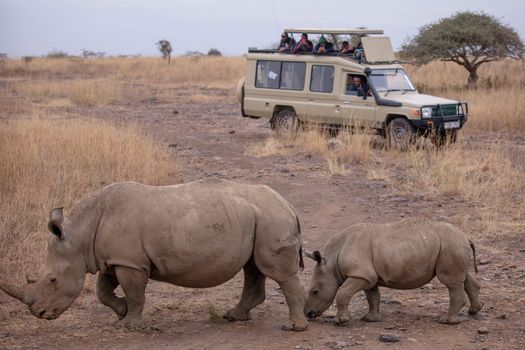
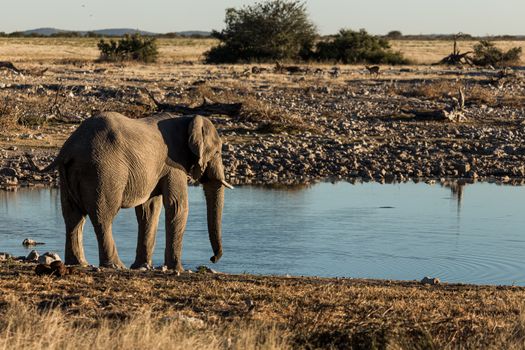
Namibia's conservancy model allows rural communities to gain legal rights to manage and benefit from wildlife on their land. This has led to remarkable success stories: elephant populations rebounding, black rhinos being reintroduced, and a significant reduction in poaching. When you stay at a conservancy-run lodge or book a safari through a registered conservancy, your tourism spend directly funds anti-poaching patrols, wildlife monitoring, and community development projects.
Insider Scoop: Damaraland's Desert-Adapted Elephants:
The chance to track desert-adapted elephants in Damaraland is an experience unlike any other. These magnificent creatures have evolved to survive with minimal water, their movements dictated by ancient riverbeds. Your guide, often a member of the local community, will share not only their knowledge of the elephants but also the cultural significance of this landscape. The sheer silence of the desert, broken only by the crunch of your boots or the distant rumble of an elephant, is profound.
Pro-Tip:
Look for lodges that are certified by organizations like the Namibia Community-Based Tourism Association (N-CBT). These lodges ensure that a significant portion of their revenue directly benefits the local community and conservation efforts.
Quick Facts: Damaraland, Namibia
| Category | Details | Estimated Cost ($USD) |
| :--------------- | :---------------------------------------------------------------------- | :-------------------- |
| Best Time to Visit (March 2026) | End of the rainy season, landscape is greener, wildlife congregates around water. | $$$ |
| How to Get There | Fly into Windhoek (WDH), then a scenic flight or self-drive (4x4 recommended). | $800-1500 (flights) |
| Accommodation | Community-run lodges, tented camps, safari lodges. | $150-400/night |
| Activities | Desert elephant tracking, rhino tracking, rock art viewing, stargazing. | $100-300/day |
| Conservation Contribution | Conservancy fees, lodge partnerships, local guide employment. | Included in prices |
4. Rwanda: Gorillas, Greening, and a Glimpse of Hope
Rwanda. The Land of a Thousand Hills. Once known for its tragic past, this East African nation has undergone a remarkable transformation, becoming a beacon of conservation and sustainable development. In March 2026, a visit to Rwanda offers a profound opportunity to contribute to the protection of the iconic mountain gorillas and the regeneration of its stunning landscapes.
The Gorilla Conservation Success Story:
The mountain gorilla population in Rwanda has seen significant growth, a direct result of intense conservation efforts and a carefully managed tourism industry. Trekking to see these gentle giants in Volcanoes National Park is a privilege, and the substantial permit fees are reinvested into gorilla conservation, park management, and community benefit-sharing programs. This ensures that local communities see tangible benefits from protecting these endangered primates.
Insider Scoop: Beyond the Gorilla Trek:
While the gorilla trek is undoubtedly the main draw, don't overlook other conservation initiatives. Visit the Ellen DeGeneres Campus of the Dian Fossey Gorilla Fund to learn about their vital research and conservation work. Consider staying at lodges that actively employ local staff and source produce from nearby communities. The fertile volcanic soil also makes for incredible coffee – a visit to a local coffee cooperative can be both educational and delicious.
Pro-Tip:
Book your gorilla permits well in advance, as they are limited. When you meet your ranger guide, ask them about the specific conservation challenges and successes they’ve witnessed. Their insights are invaluable.
Quick Facts: Volcanoes National Park, Rwanda
| Category | Details | Estimated Cost ($USD) |
| :--------------- | :---------------------------------------------------------------------- | :-------------------- |
| Best Time to Visit (March 2026) | Shoulder season, fewer crowds, but still good trekking conditions. | $$$$ |
| How to Get There | Fly into Kigali International Airport (KGL), then a 2-3 hour drive. | $700-1200 (flights) |
| Accommodation | Luxury lodges, mid-range hotels, guesthouses. | $100-600/night |
| Activities | Gorilla trekking, golden monkey trekking, volcano hikes, cultural visits. | $1500 (gorilla permit) |
| Conservation Contribution | Gorilla permit fees, park entrance fees, community development projects. | Included in prices |
5. The Galápagos Islands, Ecuador: A Living Laboratory for Evolution
The Galápagos Islands. A name synonymous with Charles Darwin and groundbreaking scientific discovery. This volcanic archipelago, isolated for millions of years, is a living laboratory of evolution, home to unique species found nowhere else on Earth. In March 2026, visiting the Galápagos means stepping into a carefully controlled environment where tourism plays a crucial role in its preservation.
Strictly Protected Paradise:
The Galápagos National Park Directorate enforces stringent regulations to protect its fragile ecosystems. Tourism is highly controlled, with visitors typically traveling on small expedition ships or staying in eco-conscious lodges. Your visitor fees, cruise costs, and adherence to park rules directly fund research, invasive species control, and the protection of iconic wildlife like giant tortoises, marine iguanas, and blue-footed boobies.
Insider Scoop: Beyond the 'Big Ticket' Islands:
While islands like Santa Cruz and Isabela are must-sees, consider exploring less-visited islands on a multi-day cruise. Islands like Española offer incredible birdwatching opportunities, including the waved albatross (though March is the tail end of their nesting season, so sightings are still possible). Genovesa Island is a birdwatcher's paradise, teeming with red-footed boobies and Nazca boobies.
Pro-Tip:
Choose a cruise operator with a strong commitment to sustainability. Look for those that use waste-reducing practices, employ local naturalist guides, and contribute to local conservation initiatives. Always follow your guide’s instructions precisely to minimize your impact.
Quick Facts: Galápagos Islands, Ecuador
| Category | Details | Estimated Cost ($USD) |
| :--------------- | :---------------------------------------------------------------------- | :-------------------- |
| Best Time to Visit (March 2026) | Warm season, good for snorkeling and diving, but can be more humid. | $$$$ |
| How to Get There | Fly into Quito (UIO) or Guayaquil (GYE), then a flight to Baltra (GPS) or San Cristóbal (SCY). | $500-800 (flights) |
| Accommodation | Expedition cruises, eco-lodges on inhabited islands. | $300-1000+/night |
| Activities | Wildlife viewing, snorkeling, diving, kayaking, hiking. | Included in cruise/lodge |
| Conservation Contribution | National Park entrance fee, cruise operator contributions, research support. | Included in prices |
The Ripple Effect: Why Your Travel Matters in March 2026
Choosing to travel to destinations where tourism funds conservation is more than just a vacation choice; it's an investment. It's a powerful statement that you believe in a future where natural wonders and vibrant cultures can thrive. In March 2026, as you plan your next adventure, consider these incredible places. Your journey will be richer, more meaningful, and you'll return home not just with stunning photos, but with the profound satisfaction of knowing you’ve made a tangible difference.