The Hook: A Symphony of Earth and Humanity
I stepped off the small, sputtering prop plane and was immediately enveloped by a humid embrace. The air, thick with the scent of damp earth, blooming ginger, and something wild – a primal, untamed perfume – filled my lungs. The distant, percussive beat of unseen drums mingled with the chattering symphony of a thousand unseen creatures. This wasn't just a destination; it was an immersion. I was in Costa Rica, on the edge of the Osa Peninsula, a place where the very act of breathing felt like a contribution to something grander, something vital. Here, every postcard-perfect vista, every vibrant macaque sighting, every rustle in the emerald canopy was a testament to a conscious choice: tourism that doesn't just see nature, but actively saves it.
The New Frontier: Where Your Wanderlust is a Lifeline
Forget your guilt-ridden guilt trips. The future of travel is here, and it’s profoundly rewarding. We’re talking about destinations where your hard-earned vacation budget isn't just spent, it's invested. Invested in the protection of endangered species, the preservation of ancient forests, the revival of coral reefs, and the empowerment of local communities who are the frontline guardians of our planet’s most precious ecosystems. This isn't charity; it's intelligent, impactful travel. It's about experiencing unparalleled beauty while knowing your presence is a positive force.
Destinations Where Every Dollar Makes a Difference: Our Top Picks
This is not a list of "eco-friendly hotels" (though many of these destinations boast them). This is about the system. It's about places where government policies, community initiatives, and dedicated conservation organizations have woven tourism into the fabric of their preservation efforts.
1. Costa Rica: The Biodiversity Powerhouse
Why it’s a conservation champion:
Costa Rica has long been a pioneer in eco-tourism. Their commitment is so deep that a significant portion of their land is protected national parks and reserves. Tourism revenue directly funds park management, anti-poaching patrols, reforestation projects, and scientific research.
Insider Experience:
Imagine waking up to the guttural roar of a howler monkey echoing through the misty rainforest. I remember my first morning at a lodge near Corcovado National Park. The air was alive with the sounds of toucans and the rustle of leaves as a troop of capuchin monkeys swung through the canopy, completely unfazed by our presence. We took a guided hike with a local naturalist, whose knowledge of the medicinal properties of plants and the intricate web of life was astounding. He pointed out a tiny, vibrant poison dart frog, explaining how the park's protection ensures its survival, and how his income from guiding directly supports his family and his community's conservation efforts.
Pro-Tip:
Visit Corcovado National Park early in the morning (around 6 AM) for the best chance to spot tapirs and jaguars, and to experience the jungle awakening in its full glory. Book your park entrance and guide well in advance, as numbers are strictly limited.
Quick Facts: Costa Rica (Osa Peninsula/Corcovado)
| Category | Details |
|---|---|
| Estimated Costs ($) | $150 - $400+ per day (depending on accommodation and activities) |
| Best Time to Visit | Dry Season (December to April) |
| How to Get There | Fly into San José (SJO), then take a domestic flight to Drake Bay (DRK) or Puerto Jiménez (PJM). Boat transfers are often required. |
2. Botswana: The "High-Value, Low-Impact" Safari Model
Why it’s a conservation champion:
Botswana has deliberately chosen a model of tourism that focuses on exclusivity and high per-visitor spending, rather than mass tourism. This approach limits visitor numbers, minimizes environmental impact, and ensures that the revenue generated is substantial enough to fund anti-poaching units, wildlife research, and community development projects in areas surrounding their vast wildlife reserves.
Insider Experience:
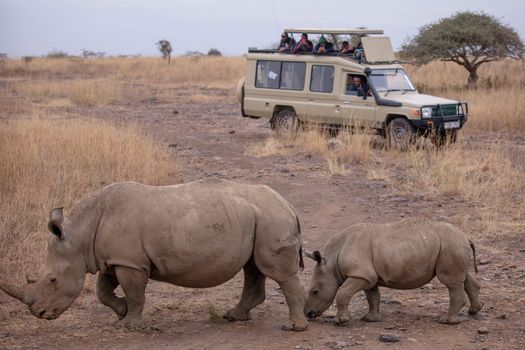
The Okavango Delta is a marvel. Floating in a mokoro (traditional dugout canoe) as the sun dips below the horizon, painting the sky in hues of fiery orange and soft lavender, is an experience that seeps into your soul. Our guide, a man whose family had lived in the region for generations, shared stories of the land and its inhabitants. He spoke of how the fees for our safari camp directly funded the ranger patrols that keep elephants and rhinos safe from poachers, and how a portion of the profits supported local schools. Seeing a pride of lions lounging mere meters away, their golden eyes watching us with regal indifference, felt like a privilege earned, not just observed. The silence, broken only by the gentle lapping of water and the distant cry of a fish eagle, was profound.
Pro-Tip:
Opt for camps that are actively involved in conservation initiatives (e.g., tracking programs, anti-poaching support). Many offer opportunities to meet researchers or participate in citizen science projects.
Quick Facts: Botswana (Okavango Delta)
| Category | Details |
|---|---|
| Estimated Costs ($) | $500 - $1500+ per day (all-inclusive luxury lodges) |
| Best Time to Visit | Dry Season (May to October) for optimal wildlife viewing |
| How to Get There | Fly into Maun (MUB) or Kasane (BBK), then take a small bush plane transfer to your camp's airstrip. |
3. Palau: Guardians of the Pristine Pacific
Why it’s a conservation champion:
This archipelago nation has taken bold steps to protect its marine environment. They established the world's first shark sanctuary and the Palau National Marine Sanctuary, which dedicates 80% of their Exclusive Economic Zone to conservation. Tourism fees, including the "Palau Pledge" (a passport stamp that tourists sign promising to act responsibly), directly contribute to marine protection, research, and enforcement.
Insider Experience:
Diving in Palau is like entering an alien, yet breathtakingly beautiful, world. The Jellyfish Lake, where you can swim amongst millions of stingless jellyfish, is a surreal experience. But it was the vibrant coral reefs and the sheer abundance of marine life that truly captivated me. We explored Jellyfish Lake with a local guide who explained the delicate ecosystem and the ongoing efforts to protect it from invasive species and climate change. Later, snorkeling near German Channel, I was mesmerized by a manta ray gliding effortlessly through the turquoise water, its massive wingspan a testament to the success of Palau’s marine conservation efforts. The local dive operators are deeply invested, often participating in reef clean-ups and educating visitors about responsible diving practices.
Pro-Tip:
Take the Palau Pledge seriously! It's a powerful statement of commitment. Support dive operators who are PADI Green Star certified or have similar eco-credentials.
Quick Facts: Palau
| Category | Details |
|---|---|
| Estimated Costs ($) | $200 - $500+ per day (depending on accommodation and activities) |
| Best Time to Visit | December to April (dry season) |
| How to Get There | Fly into Roman Tmetuchl International Airport (ROR). |
4. Norway: Protecting the Fjords and Arctic Wilderness
Why it’s a conservation champion:
While not always the first place that comes to mind for "conservation tourism" in the traditional sense, Norway's commitment to sustainability and its robust environmental regulations mean that tourism revenue plays a crucial role in maintaining its pristine natural landscapes. From the UNESCO-listed fjords to the fragile Arctic wilderness, visitor fees and a strong emphasis on eco-friendly practices help fund infrastructure, trail maintenance, and the protection of sensitive ecosystems.
Insider Experience:
Cruising through the Geirangerfjord felt like sailing through a watercolor painting. Towering waterfalls cascaded down sheer cliffs, their mist kissing my face as our electric ferry glided silently through the impossibly blue water. The silence was punctuated only by the calls of seabirds and the distant bleating of sheep grazing on impossibly steep slopes. Our guide, a Norwegian with a deep love for his homeland, explained how the strict regulations on cruise ships and the promotion of electric transport are vital to preserving the fjord's natural beauty. We also visited a small, family-run farm that offered fjord-side accommodation, their livelihood intrinsically linked to the health of the surrounding environment. It’s a different kind of conservation – one focused on long-term stewardship and minimizing impact.
Pro-Tip:
Choose electric or hybrid ferries and boats whenever possible. Explore hiking trails that are well-maintained and clearly marked to minimize erosion. Support local businesses that prioritize sustainable practices.
Quick Facts: Norway (Fjords)
| Category | Details |
|---|---|
| Estimated Costs ($) | $200 - $500+ per day (can be higher for luxury cruises and Northern Lights tours) |
| Best Time to Visit | Summer (June to August) for fjords and hiking; Winter (November to March) for Northern Lights. |
| How to Get There | Fly into major airports like Oslo (OSL), Bergen (BGO), or Tromsø (TOS). |
5. Ecuador: The Galapagos Islands - A Living Laboratory
Why it’s a conservation champion:
The Galapagos National Park Entrance Fee is arguably one of the most impactful conservation fees in the world. This mandatory fee directly funds the management of the park, the salaries of rangers, scientific research, invasive species control, and educational programs. Strict regulations on visitor numbers and the types of activities allowed ensure that the delicate ecosystem is protected.
Insider Experience:
Stepping onto the volcanic shores of the Galapagos felt like stepping back in time. Sea lions lounged on park benches, marine iguanas basked in the sun, and blue-footed boobies performed their comical mating dances just meters away. My naturalist guide, a certified Galapagos National Park guide whose passion was palpable, explained the unique evolutionary adaptations of each species. He showed me how the park's conservation efforts were crucial for the survival of the giant tortoises, and how controlled tourism allowed us to witness these wonders without disturbing them. Snorkeling alongside playful sea lions and graceful sea turtles was an unforgettable highlight, a testament to the success of sustained conservation.
Pro-Tip:
Choose reputable tour operators who adhere strictly to National Park regulations. Be prepared for a lot of walking and early mornings – the best wildlife encounters often happen then.
Quick Facts: Ecuador (Galapagos Islands)
| Category | Details |
|---|---|
| Estimated Costs ($) | $300 - $800+ per day (including cruise or land-based tours and park fees) |
| Best Time to Visit | Year-round, but December to May is warmer and wetter; June to November is cooler and drier. |
| How to Get There | Fly into Quito (UIO) or Guayaquil (GYE), then take a domestic flight to Baltra (GPS) or San Cristóbal (SCY). |
Beyond the Big Names: Emerging Destinations
The world is full of incredible places where tourism is a force for good. Keep an eye on:
- Bhutan: Known for its Gross National Happiness index and strict tourism policies that limit visitor numbers and focus on cultural preservation.
- Slovenia: A champion of sustainable tourism, with a focus on protecting its pristine natural landscapes and promoting green mobility.
- Belize: With a growing commitment to marine conservation, particularly around its Barrier Reef, and a focus on community-led tourism initiatives.
The Power of Your Choice: Travel with Purpose
Choosing where you spend your travel dollars is a powerful act. By selecting destinations that prioritize conservation, you're not just having an amazing vacation; you're actively contributing to the survival of our planet's most precious wild spaces and the communities that protect them. So, pack your bags, open your mind, and get ready to explore the world in a way that truly matters. Your adventure awaits, and it’s a force for good.
---