From Grounded to Grasping: How Climbing Walls Blew My Mind (and Conquered My Fear of Heights!)
I’m going to let you in on a little secret, Tripsora fam. For years, the mere thought of looking down from anything higher than a second-story balcony would send shivers down my spine. Rollercoasters? Forget about it. Glass-bottomed bridges? My absolute nightmare. I had a full-blown, undeniable fear of heights – acrophobia in its purest form.
So, when my best friend, Maya, suggested we try an indoor climbing wall during our trip to Denver last winter, I nearly choked on my artisanal latte. "Climbing? Are you insane? You know how I feel about heights!" I protested, picturing myself dangling precariously, paralyzed by terror.
But Maya, ever the adventurer, just smiled. "Trust me," she said, "this isn't what you think. It's different. It's controlled. And it might just be exactly what you need." Skeptical but intrigued by her unwavering confidence, I reluctantly agreed. What followed was an experience that didn't just challenge my fear; it fundamentally reshaped my relationship with heights, my body, and my own mental fortitude.
If you, like the old me, are a fellow ground-lover who secretly yearns for the thrill of elevation without the panic, then this post is for you. Forget what you think you know about climbing. We're about to explore how purpose-built climbing walls, designed with safety, progression, and pure fun in mind, can be the ultimate game-changer for anyone wanting to conquer their fear of heights. Prepare to have your mind blown!
The Acrophobia Paradox: Why Climbing Can Be Your Best Friend
It sounds utterly counterintuitive, doesn't it? To conquer a fear of heights, you should… climb higher? But here’s the beautiful paradox: indoor climbing gyms offer an incredibly controlled, supportive, and safe environment that allows for gradual exposure and skill-building, which are the cornerstones of overcoming any phobia.
Unlike a sheer cliff face or a wobbly ladder, climbing walls are designed with varying difficulties, ample safety measures (we're talking ropes, harnesses, and thick crash pads), and expert guidance. The focus shifts from the height itself to the process – finding your next handhold, planning your moves, engaging your muscles, and trusting your equipment. This mental reframing is key.
When you’re climbing, your brain is so occupied with problem-solving and physical movement that it has less bandwidth for the panic response. You’re in the moment, focused on the task at hand, rather than fixating on how far down the floor is. And that, my friends, is where the magic begins.
There are primarily two types of indoor climbing that are perfect for beginners and acrophobes: bouldering and top-roping. Let’s dive into why these are your new best friends.
Bouldering Bliss: Your Gentle Introduction to Verticality
If the idea of ropes and harnesses still sends a chill down your spine, bouldering is your ultimate entry point. Imagine a climbing wall that's typically no more than 12-15 feet high, with incredibly thick, squishy crash pads covering the entire floor beneath. That's bouldering.
What is it?
Bouldering involves climbing shorter "problems" (routes) without ropes. The challenge is in the sequence of moves and the strength required, rather than the height. If you fall, you land safely on the pads.
Why it's perfect for acrophobes:
1. Low Height, High Reward: You're never really that high off the ground. Most falls are more like controlled descents onto a soft landing. This minimizes the "OH MY GOD I'M GOING TO DIE" feeling.
2. Focus on Movement: Your brain is occupied with figuring out the "puzzle" of the route – where to put your hands and feet next. This distraction from height anxiety is incredibly effective.
3. No Equipment Stress: You don't need to worry about harnesses or ropes initially, just climbing shoes (which you can rent) and comfortable clothing. This reduces the intimidation factor.
4. Instant Gratification: Even completing a short, easy boulder problem gives you an immense sense of accomplishment, building confidence quickly.
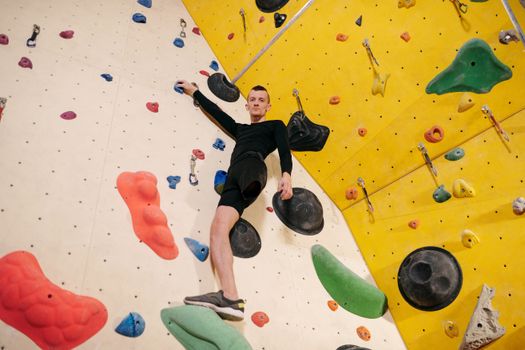
My first bouldering experience at The Spot Bouldering Gym in Denver was a revelation. I started on the absolute easiest, most "slab-like" wall (meaning it was barely vertical, almost like leaning against a slightly angled surface). I focused intently on my hands, my feet, the texture of the holds. When I reached the top of that paltry 8-foot wall, the feeling wasn't fear, but exhilaration. I was doing it! I was moving upwards, and it felt... good. I spent an hour just traversing horizontally along the bottom, then slowly attempting slightly higher problems. Each small victory chipped away at my long-held fear.
Practical Tip:
Start by traversing horizontally along the base of the wall before attempting to go up. This builds confidence in your grip and footwork without the added height challenge. Don't be afraid to fall – that's what the pads are for!
Top-Roping Triumph: Scaling New Heights with Security
Once you've built a little confidence with bouldering, top-roping is the natural next step. This is where you introduce ropes, harnesses, and belayers – the unsung heroes who manage the rope and ensure your safety.
What is it?
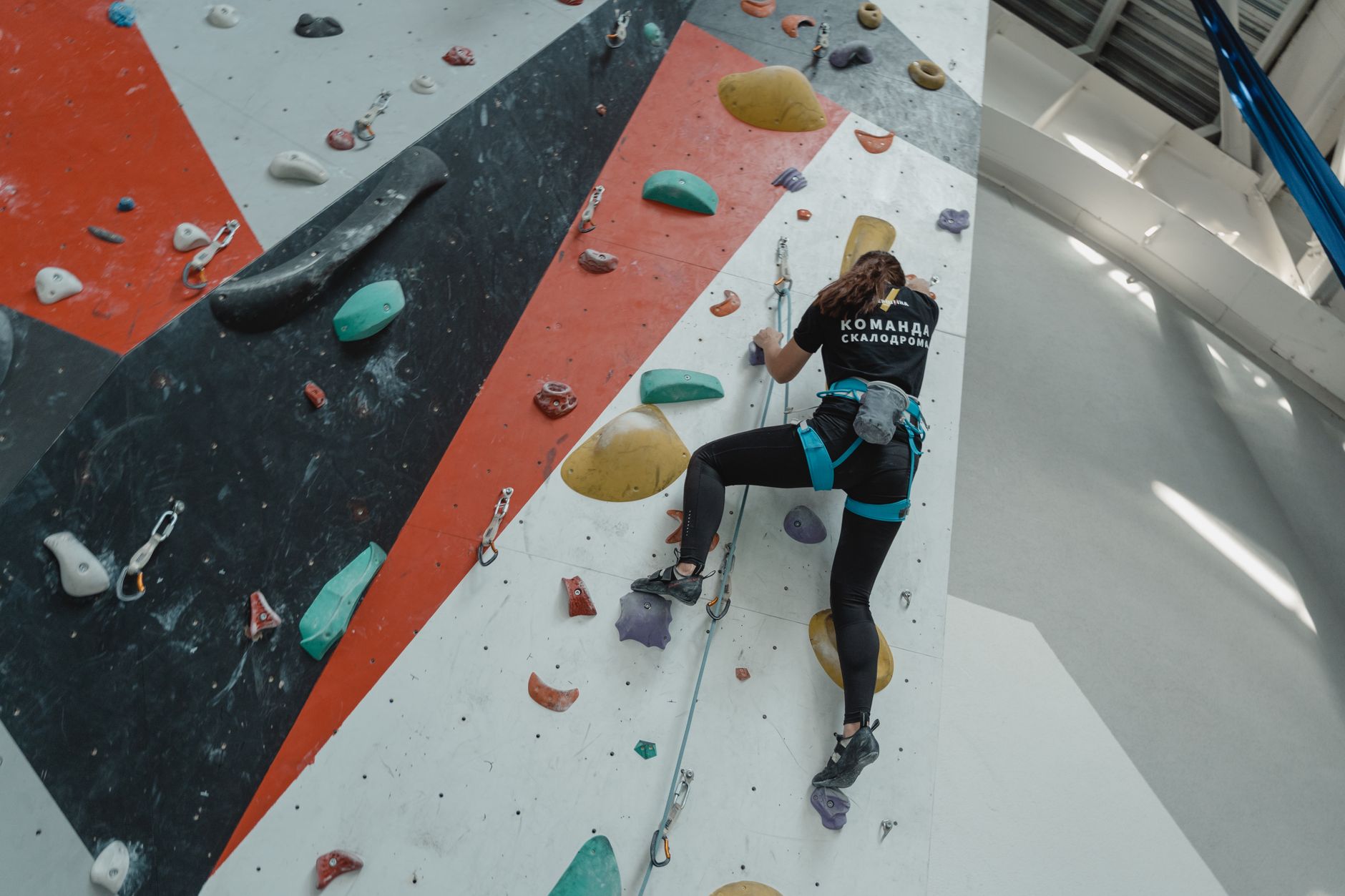
In top-roping, a rope runs from your harness, up through an anchor at the top of the wall, and back down to a belayer on the ground. As you climb, the belayer takes in the slack, so if you let go, you only drop a tiny distance before the rope catches you.
Why it's perfect for acrophobes:
1. Absolute Security: This is the key. You are always securely attached to a rope. There's no dramatic free fall; if you lose your grip, you simply hang there, gently suspended. This feeling of constant security is incredibly comforting.
2. Gradual Exposure: You control how high you go. You can climb five feet, come down, climb ten, come down. You dictate the pace of your exposure to height.
3. Trust Building: You learn to trust the equipment, the belayer, and most importantly, yourself. This trust translates into confidence.
4. The View From the Top: Reaching the anchors at the top of a 30-foot wall, looking down (and not panicking!), is an utterly triumphant feeling.
My first top-roping session was still nerve-wracking. We booked an introductory lesson at Brooklyn Boulders in NYC, a vibrant, sprawling gym that felt more like a community center than a sports facility. Our instructor, a patient and encouraging climber named Alex, walked us through the harness, knots, and belay device. When it was my turn to climb, my hands were clammy. I got about 15 feet up, my heart pounding, and then froze. "I can't do it, Alex!" I yelled down.
"You're doing great!" he shouted back. "Just breathe. Look for the next hold. You're completely safe. I've got you."
His calm voice was a lifeline. I took a deep breath, focused on the brightly colored hold just above my head, and pushed through. The moment I clipped into the top anchors, a wave of relief, then pure elation, washed over me. I hung there, suspended, looking out over the busy gym, and for the first time, the height didn't feel like a threat. It felt like an accomplishment. That day, I went from barely reaching 15 feet to confidently scaling a 40-foot wall – something I never thought possible.
Practical Tip:
Always take an introductory lesson. It's crucial for learning proper safety, knot tying, and belaying techniques. Most gyms offer these, often including gear rental, for around $30-$60.
Mind Over Matter: Psychological Hacks for High Places
Conquering acrophobia on a climbing wall isn't just about physical movement; it's a mental game. Here are some psychological hacks that helped me (and countless others) push through the fear:
- Breathe Deeply: When panic starts to set in, your breath becomes shallow. Consciously take slow, deep breaths. Inhale for four counts, hold for four, exhale for six. This calms your nervous system.
- Focus on the Holds, Not the Floor: Keep your gaze fixed on the next handhold or foothold. Don't look down unless you're intentionally trying to gauge your progress or find a foothold. The more you look down, the more your fear will amplify.
- Positive Self-Talk: Replace negative thoughts ("I can't do this," "I'm going to fall") with empowering affirmations ("I am strong," "I am safe," "I can do one more move").
- Trust Your Gear (and Your Belayer): Remind yourself that the ropes, harness, and belay system are designed to keep you safe. Trust the person on the other end of the rope. They are literally holding your life in their hands and are trained to do so.
- Celebrate Small Victories: Don't wait to reach the top to feel accomplished. Celebrate every successful move, every time you push past a moment of fear, every time you try a new route. These small wins build momentum.
- Know It's Okay to Come Down: There's no shame in saying "take" (meaning the belayer should tighten the rope and hold you) or asking to be lowered. It's better to listen to your body and mind than to push yourself into a full-blown panic attack.
Beyond the Gym: Incredible Climbing Walls Around the World (and How to Find Them)
The beauty of indoor climbing is its accessibility. You can find incredible gyms in almost every major city around the globe, many of which are specifically designed to be welcoming to beginners and those with anxieties.
Here are a few types and specific examples that blow my mind with their inclusivity and facilities:
- The Arch Climbing Wall (London, UK): With multiple locations across London, The Arch is a bouldering paradise. Their facilities are massive, vibrant, and incredibly beginner-friendly, with routes for all levels. It's a fantastic place to start without the added complexity of ropes. Day passes typically range from £10-£15.
- Brooklyn Boulders (NYC, USA - and other locations): As mentioned, BKB locations are more than just gyms; they're social hubs. They offer extensive bouldering, top-roping, and even auto-belays (machines that automatically lower you, so you don't need a human belayer – perfect for solo adventurers or those who want even more control). Day passes are usually $30-$35, with intro classes available.
- Clip 'n Climb (Global Franchise): This is a fantastic option for families or those who want a super fun, low-pressure introduction. Clip 'n Climb facilities feature brightly colored, themed climbing challenges with auto-belay systems on every wall. It feels more like an amusement park attraction than a traditional gym, making it less intimidating. Prices vary by location but are generally around $20-$30 for a session.
- The World's Tallest Indoor Climbing Wall (Netherlands): For the truly ambitious (once you've conquered your fear, of course!), the Excalibur tower in Groningen, Netherlands, stands at 121 feet. While not for beginners, knowing such feats exist is inspiring.
- Adaptive Climbing Programs: Many gyms offer specialized programs for individuals with physical or mental disabilities, including acrophobia. Organizations like Paradox Sports (USA) or local climbing clubs often partner with gyms to provide tailored support and equipment. Look for these if you need extra assistance.
How to Find a Beginner-Friendly Gym Near You:
- Google Search: "Indoor climbing gym [your city]" or "beginner climbing [your city]".
- Check Websites: Look for terms like "introductory lessons," "first-time climber," "bouldering," or "auto-belay walls."
- Read Reviews: People often mention how friendly or intimidating a gym is in their reviews.
- Call Ahead: Don't hesitate to call and ask about their beginner programs, gear rental, and if they have staff available to help first-timers. Explain your fear if you feel comfortable; a good gym will be understanding and supportive.
Gear Up, Buttercup! What You Really Need (and What You Don't)
One of the best things about starting indoor climbing is how little specialized gear you need initially.
- Climbing Shoes: These are crucial for grip and precision. Rent them! Most gyms offer shoe rentals for $5-$10. Don't buy them until you're sure climbing is for you.
- Harness: If you're top-roping, you'll need one. Rent it! Often included with intro lessons or day passes.
- Chalk Bag: Keeps your hands dry. Optional for beginners. You can usually borrow some or buy a small one later.
- Comfortable Clothing: Think athletic wear that allows for a full range of motion. Avoid anything too baggy that could get caught.
- Water Bottle: Stay hydrated!
That's it! You don't need expensive ropes, carabiners, or fancy belay devices when you start. The gym provides everything, especially for introductory courses. This low barrier to entry makes it incredibly accessible.
The Unseen Benefits: More Than Just a Climb
Beyond conquering my fear of heights, climbing has brought so many unexpected benefits into my life:
- Physical Fitness: It's a full-body workout – core, arms, legs, grip strength. You'll build muscles you didn't even know you had!
- Mental Clarity & Focus: Climbing demands your full attention. It's a moving meditation that silences the mental chatter.
- Problem-Solving Skills: Every route is a puzzle. You learn to strategize, adapt, and think creatively.
- Increased Confidence: The feeling of overcoming a physical and mental challenge translates into confidence in other areas of your life. If you can scale a wall, what else can you do?
- Community: The climbing community is incredibly supportive and welcoming. I've met some amazing people at gyms, all united by a shared passion.
- Stress Relief: There's something incredibly cathartic about pushing your physical limits and achieving something new.
I remember one particular afternoon at a gym in Lisbon, Portugal, during a solo trip. I'd been feeling a bit isolated, but within minutes of stepping onto the bouldering floor, I was chatting with other climbers, sharing beta (advice on how to do a route), and cheering each other on. It was a powerful reminder of how travel can connect you with people in unexpected ways, and how climbing can be a universal language.
Your Vertical Journey Awaits!
My journey from a terrified acrophobe to someone who genuinely enjoys the challenge of vertical movement has been nothing short of transformative. Climbing walls aren't just for adrenaline junkies; they are therapeutic spaces where you can safely push your boundaries, build incredible strength (both physical and mental), and discover a profound sense of accomplishment.
If a formerly height-averse travel blogger like me can find joy and confidence on a climbing wall, then so can you. It's not about being fearless; it's about learning to manage that fear, to trust yourself, and to embrace the exhilarating process of reaching new heights, one intentional step at a time.
So, what are you waiting for? Find a local climbing gym, book an introductory lesson, and take that first brave step towards a whole new world of adventure. Your mind, body, and spirit will thank you. And who knows? You might just find your new favorite way to experience the world, from a whole new perspective.
Share your first climbing experience with us! Tag @Tripsora and use #ConquerTheWall #AcrophobiaNoMore to inspire others!
---