From Grounded to Gravity-Defying: How Climbing Walls Changed My Life (And Can Change Yours!)
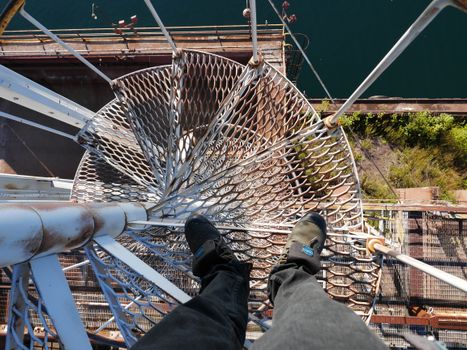
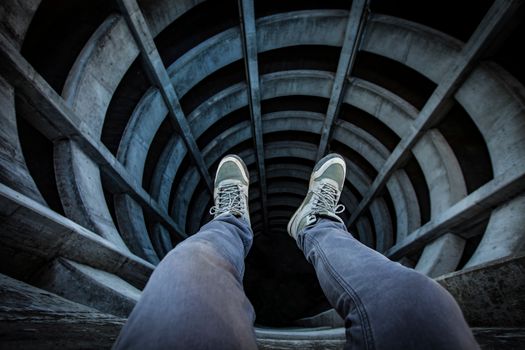
I remember it like it was yesterday: standing on the observation deck of the Eiffel Tower, heart pounding, palms sweating, a dizzying nausea swirling in my stomach. While everyone else was snapping breathtaking panoramas, I was clinging to the railing, eyes fixed firmly on the ground, utterly terrified of the drop. Acrophobia. It wasn't just a mild discomfort; it was a soul-crushing fear that had dictated my travel choices, kept me off roller coasters, and made even a short ladder feel like a death trap. I yearned for adventure, for those panoramic views, but my fear built an invisible wall around me, taller and more imposing than any skyscraper.
Then, a friend, bless her adventurous soul, dragged me to a local climbing gym. "Just try bouldering," she coaxed, "it's only a few feet off the ground, no ropes, no terrifying heights." Skeptical, terrified, but desperate for a change, I reluctantly agreed. What followed wasn't just a physical workout; it was a profound psychological breakthrough. That day, I didn't just climb a wall; I chipped away at the invisible wall of my fear, one small, deliberate handhold at a time.
This isn't a story about becoming a professional climber overnight. It's a testament to the incredible, often unexpected, ways we can confront our deepest fears and emerge stronger, more confident, and utterly exhilarated. For anyone who's ever felt the icy grip of acrophobia, I'm here to tell you: climbing walls aren't your enemy; they're your greatest allies. They are controlled environments, safe spaces designed for growth, not terror. And trust me, experiencing this before you die isn't just a suggestion; it’s an invitation to truly live.
Ready to trade your fear for a fantastic view? Let's chalk up and climb!
1. The Gentle Ascent: Bouldering – Your First Step to Freedom
When you're starting with a fear of heights, the idea of scaling a massive wall with ropes might seem like a cruel joke. That's where bouldering swoops in like a superhero. Bouldering involves climbing shorter walls, typically no higher than 12-15 feet (about 3-4.5 meters), without ropes or harnesses. Instead, thick, padded mats cover the floor to cushion any falls. It's the perfect, low-stakes environment to get acquainted with climbing movements, build strength, and, most importantly, gradually desensitize yourself to being off the ground.
My first bouldering session was a comedy of errors. I clung to the holds like a frightened squirrel, my muscles screaming in protest. But the beauty was, I was never that far up. If I felt overwhelmed, I could simply drop down. The focus was on solving "problems" – specific routes marked by colored holds – not on conquering Everest. Each small victory, each time I reached the top of a problem, a little spark of confidence ignited. It wasn't about the height; it was about the puzzle, the movement, the feeling of my body doing something new and challenging.
Why it's perfect for acrophobes:
* Low stakes: Falls are short and cushioned.
* Focus on movement: Distracts you from height.
* No ropes/harnesses: Less equipment anxiety.
* Quick progression: Small successes build confidence fast.
Tripsora Recommends:
* The Bouldering Project (Various US cities, e.g., Seattle, Austin, Minneapolis): These gyms are renowned for their welcoming atmosphere, excellent route setting, and community vibe. A day pass typically runs $20-25, with shoe rentals around $5-7. They often have introductory classes for beginners.
* Your Local Climbing Gym: Most modern climbing gyms will have a dedicated bouldering area. Do a quick Google search for "bouldering gym near me" and check out their intro offers. Many offer a "first climb free" or a discounted beginner package.
Pro-Tip:
Start on the easiest routes (usually marked with larger, more obvious holds or specific color codes). Don't be afraid to just try traversing horizontally at first to get used to the feel of the holds and the wall.
2. The Trust Factor: Top-Roping – Building Confidence with a Safety Net
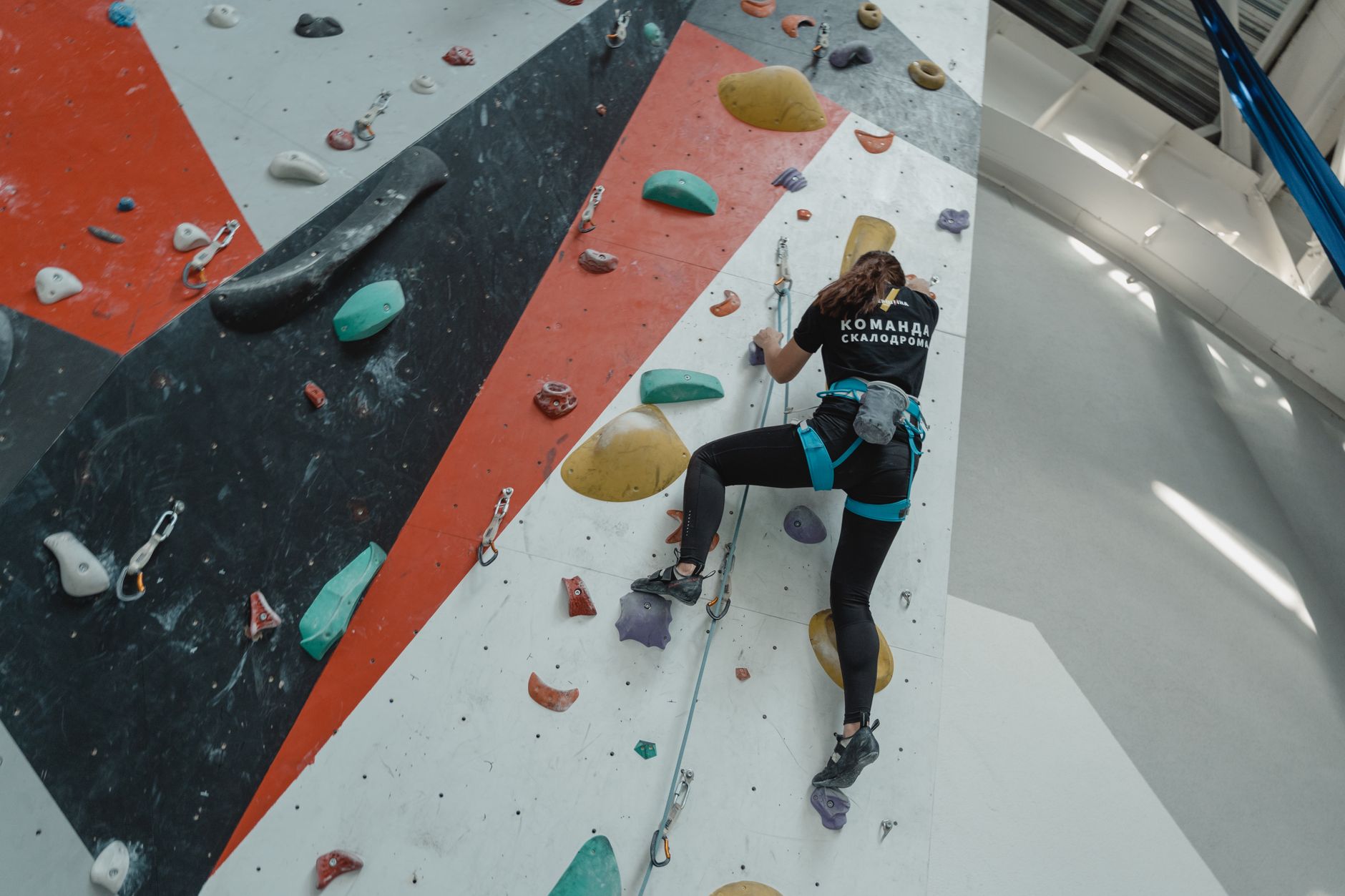
Once you've found your footing (pun intended!) with bouldering, top-roping is the natural next step. This is what most people picture when they think of rock climbing: you're harnessed in, a rope runs from your harness, up through an anchor at the top of the wall, and back down to a belayer on the ground. The belayer controls the rope, taking up slack as you climb and holding you securely if you fall.
This stage is all about trust. Trust in your equipment, trust in your belayer, and trust in yourself. For someone with acrophobia, the initial lean back into the harness, letting gravity take over, can be terrifying. I remember my first top-rope climb. I made it about 15 feet up, my legs shaking, before freezing. My belayer, a patient instructor, talked me through it. "Just lean back," she said, "let the rope hold you." It felt counter-intuitive, every fiber of my being screaming don't let go! But I did. And the feeling of being safely suspended, slowly lowered to the ground, was surprisingly liberating. It was proof that the fear was largely in my head; the safety system was real.
Why it's perfect for acrophobes:
* Constant safety: You're always secured by a rope.
* Gradual exposure: You control how high you go.
* Focus on technique: The belayer handles safety, letting you focus on climbing.
* Community building: Relies on a partner, fostering connection.
Tripsora Recommends:
* Brooklyn Boulders (NYC, Boston, Chicago): These urban climbing meccas offer a vibrant atmosphere, diverse walls, and excellent introductory courses that teach you how to belay and climb safely. An intro course might cost $50-100, including gear and a day pass.
* The Castle Climbing Centre (London, UK): Housed in a stunning Victorian pumping station, this center offers a unique climbing experience with walls for all levels. Their "Taster Sessions" are perfect for beginners, typically costing £25-35 including equipment.
* Any Full-Service Climbing Gym: Look for gyms that offer "Intro to Climbing" or "Belay Certification" classes. This is crucial for learning the ropes (literally!) and ensuring you're safe.
Pro-Tip:
Communicate constantly with your belayer. Let them know if you need a break, if you're feeling nervous, or if you're ready to come down. Their job is to support you!
3. The Solo Conqueror: Auto-Belay – Your Independent Leap
For those moments when you don't have a climbing partner, or simply want to focus entirely on your own experience without the added dynamic of a belayer, auto-belay systems are a game-changer. These mechanical devices are mounted at the top of the climbing wall and automatically take up slack as you ascend. If you let go or fall, the device safely and slowly lowers you back to the ground.
The auto-belay offers a unique sense of independence. There's no partner to worry about, no fear of miscommunication. It's just you and the wall. My first time on an auto-belay, I felt a surge of empowerment. I could go at my own pace, pause whenever I needed, and experiment with different movements without feeling like I was holding someone up. The controlled descent, while still a thrill, becomes less daunting with each drop. It's a fantastic way to practice consistency and build endurance, all while steadily increasing your comfort with heights.
Why it's perfect for acrophobes:
* Independent climbing: No partner needed.
* Consistent safety: Mechanical system ensures a controlled descent.
* Focus on self: Allows for deep personal concentration and overcoming fear.
* Repetitive exposure: Great for getting used to the sensation of being high up and descending.
Tripsora Recommends:
* Clip 'n Climb (Worldwide Franchise): These family-friendly climbing centers are designed with auto-belays and vibrant, themed climbing challenges. They're incredibly fun, visually stimulating, and perfect for all ages and skill levels, including first-time acrophobes. Prices vary by location but typically range from $15-25 for an hour-long session.
* Many Modern Climbing Gyms: Most contemporary climbing gyms have a good selection of auto-belay routes alongside their bouldering and top-rope walls. Ask at the front desk for their auto-belay options.
Pro-Tip:
Before you climb, give the auto-belay system a quick tug to ensure it's properly attached to your harness and the line is running smoothly. Always trust the system, but a quick check adds an extra layer of confidence.
4. The Next Horizon: Outdoor Intro to Climbing – Taking Your Skills to the Crag
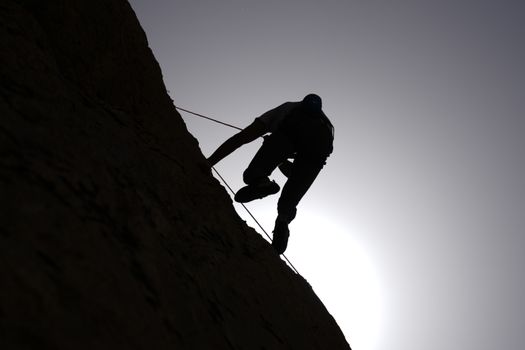
Once you've built confidence and skills indoors, the natural world beckons. Taking your climbing outdoors, even on beginner-friendly routes, is a monumental step in conquering acrophobia. The textures, the fresh air, the natural light, and the sheer scale of real rock face offer a completely different, yet incredibly rewarding, experience. This is where the "before you die" element truly comes into play – experiencing the majesty of nature from a new perspective, earned through your own courage.
For acrophobes, I highly recommend starting with a guided outdoor climbing experience. Professional guides are experts in safety, route selection, and managing fear. They will set up top-rope systems on relatively short, easy climbs, ensuring your first outdoor experience is positive and empowering. The feeling of reaching the top of a real rock face, looking out at a natural landscape, and realizing you've just scaled something Mother Nature made – it's an unparalleled rush.
My first outdoor climb was in a small, accessible crag in the Catskills. The rock felt different – rougher, more alive. There were tiny ledges, natural cracks, and the occasional bird's nest. Reaching the top, the panoramic view of rolling hills and dense forest took my breath away, not from fear, but from pure awe. That moment, high above the ground, felt like truly breaking free.
Why it's perfect for acrophobes (with a guide):
* Professional guidance: Guides manage all safety aspects.
* Controlled exposure to nature: Experience real rock in a safe setting.
* Incredible views: The reward for your courage is often spectacular.
* Sense of immense accomplishment: Scaling a natural formation is deeply satisfying.
Tripsora Recommends:
* Joshua Tree National Park (California, USA): Famous for its unique rock formations, Joshua Tree offers numerous beginner-friendly climbing routes. Many guide services, like Joshua Tree Rock Climbing School, offer half-day or full-day intro courses, typically costing $150-300 per person for a private or small group session, including gear.
* Red River Gorge (Kentucky, USA): Known as a world-class climbing destination, "The Red" also has plenty of beginner-friendly areas. Companies like Red River Gorge Climbing Guides provide excellent guided experiences, with similar pricing to Joshua Tree.
* Local Outdoor Adventure Companies: Search for "guided rock climbing for beginners" in your preferred natural destination. Always check for certified guides (AMGA, IFMGA).
Pro-Tip:
Start with a half-day session to gauge your comfort level. Bring plenty of water, snacks, and wear layers – outdoor conditions can change quickly.
5. Gear Up & Go: Practical Tips for Your Ascent
Before you even step foot in a climbing gym, a little preparation goes a long way, especially when you're managing a fear.
- Shoes: Climbing shoes are specially designed with sticky rubber soles for grip. You'll rent these at the gym. They should feel snug, almost uncomfortably so, but not painful.
- Chalk Bag: Chalk keeps your hands dry for better grip. Also rentable.
- Harness (for top-roping/auto-belay): This is your safety seat. The gym will provide and help you fit it correctly.
- Comfortable Clothing: Wear athletic clothing that allows for a full range of motion. Avoid restrictive jeans or skirts. Think yoga pants, athletic shorts, t-shirts.
- Hydration: Bring a water bottle. Climbing is a workout!
- Snacks: Small, energy-boosting snacks like a granola bar or banana are great for longer sessions.
- Open Mind & Patience: This is perhaps the most important "gear." You're challenging a deeply ingrained fear. There will be moments of frustration and doubt. Be patient with yourself.
Booking Your First Session:
* Call Ahead: Ask about introductory classes or "first-time climber" packages. Many gyms offer a supervised first experience.
* Go with a Friend: Having a supportive friend there can make a huge difference.
* Choose Off-Peak Hours: Less crowded gyms can feel less intimidating. Weekday mornings or early afternoons are often quieter.
Safety First, Always:
* Listen to Instructors: Pay close attention during safety briefings and always follow their guidance.
* Trust Your Gear: Modern climbing gear is incredibly strong and reliable when used correctly.
* Know Your Limits: It's okay to take a break, come down, or try an easier route. Pushing too hard can lead to injury or increased fear.
6. The Mental Game: Overcoming Fear, Celebrating Every Inch
The physical act of climbing is only half the battle; the other half is entirely mental. For acrophobes, this mental game is crucial. Here's how to approach it:
- Controlled Exposure: Climbing walls offer a controlled environment for exposure therapy. You decide how high you go, how long you stay up, and when you come down. This sense of control is empowering.
- Focus on the Present: Instead of looking down or thinking about the height, focus on the next handhold, the next foot placement. Break the climb into small, manageable tasks.
- Breathe: When fear starts to grip, your breathing becomes shallow and rapid. Take deep, slow breaths. This calms your nervous system.
- Positive Self-Talk: Replace "I can't do this" with "I'll try my best" or "I am safe." Celebrate every small victory – reaching a hold you thought impossible, staying calm a few feet higher than last time.
- Visualize Success: Before you climb, imagine yourself successfully reaching the top, feeling strong and confident.
- Embrace the Shake: Your legs might shake, your hands might tremble. This is a natural physiological response to fear. Acknowledge it, but don't let it paralyze you. It often means you're pushing your comfort zone, which is where growth happens.
- Community Support: The climbing community is incredibly supportive. Don't be afraid to tell others you're new or have a fear of heights. You'll often find encouragement and empathy. I've shared my story with countless strangers at gyms, and every time, I've been met with understanding and tips, not judgment.
Remember, the goal isn't to eliminate fear entirely, but to manage it, to climb with it, and to learn that you are capable of far more than your fear tells you.
7. Beyond the Wall: The Ripple Effect of Your Triumph
The beauty of conquering a fear like acrophobia through climbing walls extends far beyond the gym. This newfound confidence seeps into every other aspect of your life. Suddenly, that observation deck seems less daunting. That hiking trail with a steep drop-off? You might actually enjoy the view. You learn to trust yourself, to push past discomfort, and to embrace challenges.
For me, it meant finally being able to enjoy a cable car ride in Lisbon, marvel at the Grand Canyon from its rim without a panic attack, and even consider paragliding (okay, maybe that's the next bucket list item!). It's about opening up a world of travel experiences that were previously off-limits. It's about realizing that the biggest walls we face are often the ones we build in our own minds.
This journey isn't just about climbing; it's about living a life unbound by fear. It's about finding joy in the challenge, pride in your progress, and freedom in the heights. So, what are you waiting for? Your first step towards a life less limited is just a climbing gym away.
---
Ready to Conquer Your Heights?
Don't let acrophobia define your adventures. Take the leap, sign up for an intro class at a climbing gym near you, or book that guided outdoor experience. Trust me, the view from the top – both literally and metaphorically – is absolutely worth it.
Share your story!
Have you tried climbing to overcome a fear? What was your experience like? Tag us on social media with #TripsoraClimbs and inspire others to reach for new heights!
---