From Dizzy Spells to Dynamic Ascents: How I Found My Footing (and Freedom) on Trending Climbing Walls
I used to get dizzy just looking out a second-story window. Seriously. The thought of standing on a balcony, let alone peering over a cliff edge, would send a cold shiver down my spine, my palms clammy, my heart doing a frantic drum solo. My acrophobia wasn't just a mild discomfort; it was a genuine, life-limiting fear. Forget scenic overlooks or rooftop bars – my travel itineraries were always meticulously planned to avoid any significant elevation.
So, imagine my friends’ surprise (and my own utter bewilderment) when I suggested we check out a new climbing gym that had just opened up in Austin, Texas, during a recent road trip. It felt like an out-of-body experience, an alien thought planted directly into my brain. But there was something about the vibrant photos I’d seen online – the colorful holds, the smiling faces, the seemingly low walls – that piqued a strange, almost defiant curiosity. Could this be it? Could this be the unexpected therapy I never knew I needed?
What I discovered was a revelation. These aren't the intimidating, towering rock walls you might picture from extreme sports documentaries. The climbing walls trending right now are welcoming, inclusive, and, crucially for people like me, designed to build confidence from the ground up. They're not just about physical strength; they're about mental fortitude, problem-solving, and a profound sense of accomplishment. And believe me, if I can find my footing, so can you.
The Unexpected Therapy: How Climbing Walls Are Conquering Acrophobia, One Hold at a Time
It sounds counter-intuitive, doesn't it? Face your fear of heights by… climbing? But hear me out. The magic of these modern climbing gyms lies in their controlled environment and a focus on gradual progression. For someone like me, who used to freeze at the mere idea of height, the key was starting small.
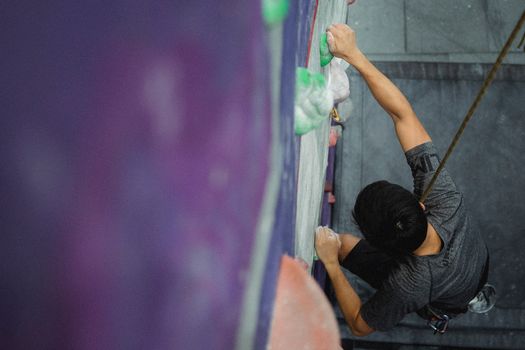
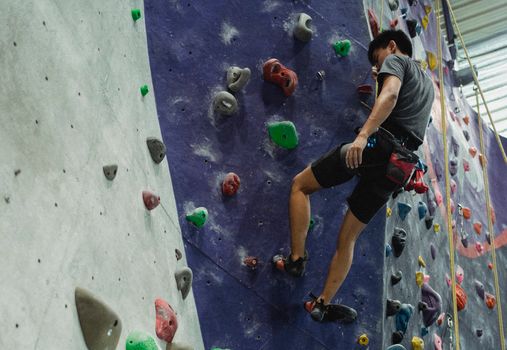
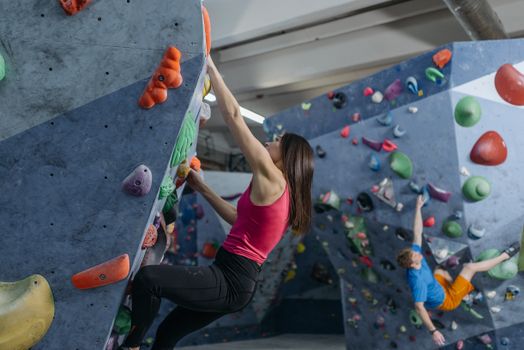
My first experience at "The Ascent Collective" in Austin was primarily in their bouldering area. Bouldering involves climbing shorter walls (usually no more than 12-15 feet high) without ropes, relying on thick crash pads below for safety. The beauty of it? You're never really that high off the ground, and you can always jump down if you feel uncomfortable. This low-stakes environment allowed me to focus on the movement, the puzzles of the routes, and the sheer joy of reaching the top – even if the top was only a few feet up.
The psychological benefits were almost immediate. Each time I successfully navigated a "problem" (that's what climbers call a route), a wave of accomplishment washed over me. It wasn't just physical; it was a mental victory. I was actively engaging with a challenge that my fear usually shut down. The focus required to plan my next move, to grip a hold just right, completely distracted me from the underlying anxiety about height. My brain was too busy solving the puzzle to panic. It was like exposure therapy, but fun and empowering.
Decoding the Trend: Why These Walls Are Taking Off (and Why You Should Join In)
So, why are these climbing walls suddenly everywhere, attracting everyone from seasoned athletes to, well, terrified travel bloggers like me? It's a confluence of factors that makes them incredibly appealing:
- Accessibility & Inclusivity: Gone are the days when climbing was an exclusive club for adrenaline junkies. Modern gyms are designed to be welcoming. You don't need to buy expensive gear upfront; most gyms offer shoe rentals and chalk. You don't need any prior experience; beginner classes are standard, and the community is incredibly supportive.
- Community & Connection: Climbing gyms are vibrant social hubs. I quickly found myself chatting with strangers, cheering on others, and even getting tips from experienced climbers. There's a shared sense of struggle and triumph that fosters genuine connection. At "Boulder & Brew" in Denver, I met a group of fellow newbies, and we'd routinely grab a post-climb coffee, dissecting our routes and laughing about our clumsy attempts.
- Holistic Fitness: While it looks like just an arm workout, climbing is a full-body experience. It engages your core, legs, back, and, yes, your grip strength. But it's also a mental workout – problem-solving, strategic thinking, and spatial awareness. It’s a workout that doesn’t feel like a chore.
- Indoor Comfort, Outdoor Vibe: These gyms offer the thrill of rock climbing in a climate-controlled, safe environment. No worrying about unpredictable weather, slippery rocks, or actual perilous drops. Yet, the vibrant route setting and dynamic movements often evoke the spirit of outdoor adventure.
- The Instagrammable Factor: Let's be honest, those colorful holds against a sleek wall are just begging for a photo op. Capturing a dynamic pose mid-climb, or celebrating a "send" (completing a route) at the top, makes for incredibly shareable content. It’s a visual testament to overcoming challenges, which resonates deeply on social media. My first triumphant selfie after clearing a V1 (beginner route) at "The Climb Factory" in Berlin got more likes than my perfectly curated brunch photos!
Your First Ascent: A Beginner's Guide to Conquering the Wall (and Your Fear)
Ready to lace up those tiny shoes? Here’s your step-by-step guide to making your first climb a success, especially if heights make you uneasy:
- Finding Your Sanctuary: Look for gyms that emphasize bouldering or have dedicated auto-belay areas. Auto-belays are mechanical devices that automatically take up slack as you climb and gently lower you down when you let go. They're fantastic for easing into taller walls without needing a human belayer. Search for terms like "bouldering gym," "indoor rock climbing beginner," or "auto-belay climbing." Many cities now boast multiple options, from large chains like "Movement" or "Planet Granite" (USA) to smaller, boutique studios.
- Gear Up (Minimally): You'll need comfortable athletic clothing that allows for a full range of motion. Most gyms rent climbing shoes (essential for grip) and offer chalk bags (to keep your hands dry). That's it! Don't overthink it.
- Embrace the Lingo: You'll hear terms like "holds" (the colorful pieces you grip), "routes" or "problems" (the sequence of holds marked by color or tape), "grades" (difficulty ratings, e.g., V0, V1 for bouldering; 5.6, 5.7 for roped climbing – start with the lowest!), and "spotting" (watching a boulderer to help guide their fall).
- Start Small, Stay Low: Begin with bouldering. Focus on routes that are clearly within your comfort zone, even if they're only a few feet off the ground. The goal isn't to reach the top immediately, but to get comfortable with the movement, the texture of the holds, and the feeling of your body against the wall. At "The Arch Climbing Wall" in London, their beginner bouldering area felt less like a daunting challenge and more like an adult playground.
- Breathe, Breathe, Breathe: When fear starts to creep in, remember to breathe deeply and slowly. Focus on your hands and feet, on the immediate task. Remind yourself that you are safe, the pads are there, and you can always downclimb or jump.
- Trust the Process (and the Equipment): If you try auto-belay, trust the machine. Take an introductory class – they'll show you how to clip in, how it works, and how to safely lower yourself. The first time I leaned back on an auto-belay at "Climb Central" in Singapore, my heart was in my throat, but the smooth, controlled descent was incredibly reassuring.
- Listen to Your Body (and the Pros): Don't push yourself too hard too fast. Climbing is surprisingly taxing. Take breaks, stretch, and don't hesitate to ask staff or experienced climbers for tips. They’re usually more than happy to help.
Beyond the Basics: Exploring Different Climbing Styles for the Height-Challenged
Once you've built some confidence on the bouldering walls, you might be ready to explore slightly higher ascents.
- Bouldering (Your Best Friend): Continue to hone your bouldering skills. It's fantastic for developing strength, technique, and problem-solving. The beauty is that you're never more than a few feet up, making it the ultimate acrophobia-friendly option. I still spend most of my time bouldering, even after a year of climbing, simply because I love the challenge and the low-stakes environment.
- Auto-Belay (The Next Step Up): This is your gateway to taller walls. With an auto-belay, you clip into a device at the base of the wall, climb as high as you want, and when you're ready to come down, you simply let go, and the device gently lowers you to the ground. It removes the need for a human belayer, which can be less intimidating for some. The first time I successfully climbed a 30-foot wall on an auto-belay at "Brooklyn Boulders" was a monumental moment for me – a true testament to how far I'd come.
- Top-Roping (With Caution and Trust): This involves a rope running through an anchor at the top of the wall, with a belayer on the ground controlling the rope. While it involves significant height, it's incredibly safe due to the constant tension on the rope. If you're ready for this, choose a trusted friend or an experienced instructor as your belayer. Focus on their voice, their encouragement, and the fact that they've got you. Start on easy routes and gradually increase height as your comfort grows. I'm still working my way up to consistent top-roping, but the occasional attempt with a patient friend feels like a huge victory.
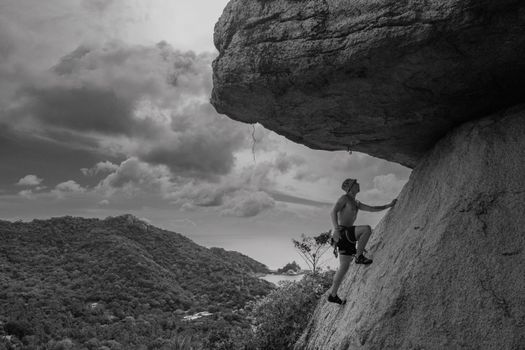
- Deep Water Soloing (A Future Aspiration): For the truly adventurous who conquer their fear, this involves climbing above a body of water, so if you fall, you land in the water. It’s a more advanced, outdoor-focused style, but it’s interesting because the fear of falling is mitigated by a soft, wet landing! It's an aspirational goal for me, a testament to how much my perspective on heights has shifted.
Where to Climb: Trending Spots and Hidden Gems for Your Fear-Conquering Journey
The climbing scene is exploding globally, making it easier than ever to find a fantastic gym near you or on your travels. Here are some generalized tips and examples:
- North America: Cities like Austin, TX; Denver, CO; Portland, OR; Seattle, WA; and Boulder, CO are renowned climbing hubs. Look for gyms like "Movement," "Austin Bouldering Project," "The Spot Bouldering Gym," or "Sender One." Day passes typically range from $18-$30, with shoe rentals around $5-$10. Intro classes often cost $30-$60 and are highly recommended.
- Europe: Berlin, London, and Barcelona have thriving indoor climbing communities. Check out "Bouldergarten" or "Ostbloc" in Berlin, "The Arch Climbing Wall" or "Climbing Hangar" in London, and "Climbat" in Barcelona. European day passes often range from €12-€20.
- Asia: Singapore, Bangkok, and Tokyo are seeing a boom in modern climbing gyms. "Climb Central" in Singapore, "Urban Playground Climbing" in Bangkok, and various "Bouldering Gym B-Pump" locations in Tokyo offer excellent facilities. Expect prices around SGD 20-30, THB 400-600, or JPY 1500-2500 for a day pass.
What to Look For:
* Beginner-Friendly Areas: Dedicated zones with easier routes (V0-V2 for bouldering, 5.6-5.8 for roped).
* Auto-Belay Walls: Essential for those easing into heights without a partner.
* Welcoming Staff: Friendly and knowledgeable staff make all the difference.
* Good Crash Pads: For bouldering, ensure the landing zones are well-padded and maintained.
* Vibrant Community: A gym with a cafe, lounge areas, or regular social events often indicates a strong, supportive community.
* Cleanliness: A well-maintained gym indicates care for its patrons.
My recent trip to "Rock Republic" in Ho Chi Minh City, Vietnam, was a delightful surprise. Tucked away in an industrial area, it was a bustling hub of locals and expats, all sharing the same passion. The routes were creatively set, the staff incredibly helpful, and the post-climb mango smoothie was divine. It proved that these welcoming climbing havens are truly global.
Instagram-Worthy Ascents: Capturing Your Journey to the Top
One of the most rewarding aspects of this journey has been documenting my progress. Not just for social media, but for myself – a visual reminder of how far I've come.
- Angles are Everything: Get a friend to shoot from below, capturing the height and the dynamic movement. A slightly wide-angle lens can emphasize the wall's scale.
- Colorful Holds: The vibrant holds are part of the aesthetic. Frame your shots to highlight the artistic routes.
- Dynamic Poses: Don't just stand there! Capture yourself mid-reach, gripping a challenging hold, or in a triumphant pose at the top.
- The Post-Send Smile: That look of pure joy and accomplishment is priceless.
- Group Shots: Climbing is often a social activity. Capture the camaraderie with your climbing buddies.
- Highlight the Gear: Those bright climbing shoes and chalk-dusted hands are part of the story.
Don't forget to use relevant hashtags to share your journey and inspire others! Try #FearlessClimber #AcrophobiaNoMore #ClimbingTherapy #TripsoraAdventures #IndoorClimbing #BoulderingLife #ConquerYourFear #TravelAdventure.
Don't Let Fear Hold You Back: Your Next Ascent Awaits
My journey from a second-story-window-phobic to a confident climber (who still occasionally gets butterflies, but now leans into them) has been one of the most unexpected and rewarding adventures of my life. These trending climbing walls offer more than just a physical challenge; they offer a path to empowerment, a supportive community, and a unique way to redefine your relationship with heights.
If a formerly acrophobic travel blogger like me can find joy and liberation on these walls, I promise you, you can too. It’s not about being fearless; it’s about learning to act despite the fear, to trust yourself, and to celebrate every small victory.
So, what are you waiting for? Stop letting fear dictate your adventures. Find a local climbing gym, book an introductory session, and take that first exhilarating step. Your next great adventure – and a profound sense of self-conquest – is waiting for you just a few feet off the ground.
Have you tried climbing to overcome a fear? Share your stories and tips in the comments below! And don't forget to share this post with anyone who needs a little push to reach new heights.
---