Banned Drinks Abroad: The Influencer-Free Guide to the World's Most Intriguing Sips
There’s a secret world out there, my fellow travelers. A world brimming with flavors, traditions, and intoxicating (sometimes literally!) experiences that often get overlooked in the glossy, perfectly filtered feeds of your favorite travel influencers. You know the ones – sipping on a Aperol Spritz in Positano, a craft beer in Brooklyn, or a coconut water on a pristine Bali beach. All lovely, all perfectly shareable, but are they truly authentic? Do they tell the whole story of a culture, or just the Instagram-friendly version?
Let me tell you, there's a different kind of thrill waiting. It’s the thrill of discovery, of stepping outside the familiar, and of tasting something that might be utterly forbidden back home. I’m talking about drinks that the Food and Drug Administration (FDA) in my home country, the United States, has deemed too potent, too unregulated, or simply too controversial for our shelves. These aren't just beverages; they're cultural touchstones, historical relics, and often, a gateway to understanding a place on a deeper level. And trust me, your favorite influencer probably isn't showing them to you – either because they don't know, or because it doesn't quite fit the "safe for brand partnerships" aesthetic.
My journey into the world of 'banned' drinks started quite by accident. I was backpacking through Eastern Europe years ago, fresh out of college, armed with a dog-eared guidebook and an insatiable curiosity. In a dimly lit bar in Prague, amidst the clinking of pilsner glasses, I saw it: a peculiar, emerald-green liquid being slowly dripped over a sugar cube, transforming into a cloudy, ethereal swirl. It was my first encounter with Absinthe, and it opened my eyes to a universe of beverages that were so much more than just a drink – they were stories, rituals, and sometimes, a little bit of magic.
Join me as we pull back the curtain on these enigmatic sips. We’ll explore their history, their cultural significance, and most importantly, where and how you can experience them safely and respectfully on your next adventure. Forget the mainstream; it’s time to taste the forbidden.
1. The Green Fairy's Revival: Absinthe's Enigmatic Charm
The Myth, The Mystique, The Magic:
For centuries, Absinthe has been shrouded in an aura of mystery and notoriety. Banned across much of the world, including the United States, for nearly a century, it was famously associated with artists, poets, and a certain bohemian madness. Tales of hallucinations and madness swirled around it, earning it the nickname "The Green Fairy." The culprit? Thujone, a compound found in wormwood, one of Absinthe's key botanical ingredients. While modern science has largely debunked the extreme hallucinogenic claims (it's more like a potent, clear-headed intoxication than a psychedelic trip), the mystique endures.
My First Dance with the Fairy:
My first proper Absinthe experience wasn't in a stuffy museum, but in a vibrant, slightly gritty Absintherie in Prague. The bartender, a man with a wild beard and knowing eyes, explained the ritual: a slow drip of ice-cold water over a sugar cube perched on a slotted spoon, dissolving into the vibrant green liquid below, creating a cloudy, opalescent "louche." The aroma was intense – anise, fennel, and a complex bouquet of herbs. The taste was surprisingly smooth, a powerful herbal symphony that warmed my chest. It wasn't the wild, mind-bending trip I'd read about, but a wonderfully contemplative, almost meditative buzz. It felt like I was part of a secret society, a nod to the past. That single glass, costing around 200 Czech Koruna (about $9 USD), was more than a drink; it was a history lesson in a glass.
Where to Find Authentic Absinthe (and avoid the traps):
* France: The birthplace of Absinthe. Head to Pontarlier or Auvers-sur-Oise for historical distilleries, or find dedicated Absinthe bars in Paris. Look for brands like Pernod Fils (the original!), Vieux Pontarlier, or La Clandestine.
* Czech Republic: Prague is a hub for Absinthe culture. Avoid the neon-green, high-sugar tourist traps. Seek out specialist Absintheries that offer traditional preparation and a wide selection of quality brands.
* Switzerland: Val-de-Travers, the spiritual home of Absinthe. Many artisanal distilleries produce excellent, often clearer "La Bleue" styles.
Tips for the Responsible Explorer:
* Quality over Quantity: Don't just grab the cheapest bottle. Look for Absinthe with a natural color (not artificially green), a complex aroma, and a clear ingredient list.
* The Ritual is Key: Embrace the slow drip. It's not just for show; it dilutes the potent spirit and releases its aromatic oils.
* Pace Yourself: Absinthe is strong, often 50-75% ABV. Treat it with respect.
* Legal Status: While Absinthe is now technically legal in the US (with restricted thujone levels), the truly traditional, higher-thujone varieties you find in Europe are what we're talking about here. Enjoy them where they're meant to be enjoyed.
2. Kava: The Pacific's Peaceful Elixir
More Than a Drink, It's a Ceremony:
Moving from the stimulating to the soothing, let’s talk about Kava. This ancient root, derived from the Piper methysticum plant, has been a cornerstone of social and ceremonial life across the Pacific Islands – particularly Fiji, Vanuatu, and Tonga – for over 3,000 years. It’s not alcohol; instead, its active compounds, kavalactones, produce a calming, muscle-relaxing effect, often described as a "gentle euphoria" without impairing mental clarity. For many years, Kava faced bans or heavy restrictions in Western countries, including the US, due to concerns about liver toxicity – concerns that have largely been debunked when consumed from the root (not stem/leaf) and in moderation.
My Fijian Kava Circle:
My first Kava experience was in a small, remote village in Fiji. I was invited by my host family to a traditional Kava ceremony. We sat cross-legged on mats, a large wooden bowl (the tanoa) filled with the earthy, grey-brown liquid at the center. The chief offered a coconut shell (bilo) to each person, clapping once before drinking, then three claps after. The taste? Earthy, slightly peppery, and – honestly – a bit like muddy water. But the feeling that followed was profound: a tingling on my lips and tongue, followed by a wave of deep relaxation that melted away the day's travel fatigue. My mind was clear, but my body felt wonderfully heavy and at ease. It wasn't about getting "high"; it was about connection, community, and peace. Each bilo cost nothing, as it was offered as hospitality, but a bag of dried Kava root for personal use might cost 30-50 FJD ($13-22 USD) in a local market.
Where to Find Authentic Kava:
* Fiji, Vanuatu, Tonga: These are the heartlands of Kava. Look for dedicated Kava bars (nakamals in Vanuatu, kava saloons in Fiji) or seek out local village ceremonies (always with an invitation and respect for customs!).
* Hawaii and Parts of the US: Kava bars have seen a resurgence in popularity in certain US cities, particularly those with Pacific Islander communities. While legal, the quality and preparation can vary greatly. For the true experience, nothing beats the source.
Tips for the Responsible Explorer:
* Respect the Ritual: If invited to a ceremony, observe local customs. Don't rush, listen to your hosts, and participate respectfully.
* "High Tide" or "Low Tide": You might be asked if you want a strong or weak bowl. Start with "low tide" to gauge your reaction.
* Empty Stomach: Kava is best consumed on an empty stomach for maximum effect.
* Hydrate: Drink plenty of water, as Kava can be dehydrating.
* Avoid Alcohol: Never mix Kava with alcohol; it can be dangerous and negate Kava's intended effects.
* Source Matters: Ensure the Kava is prepared from the root, not the stem or leaves, to avoid potential health issues.
3. The Wild Card: Unregulated Potions & Traditional Brews
Beyond the Label, Into the Local Lore:
This category is perhaps the most intriguing, and certainly the most varied. It encompasses a vast array of traditional, often homemade, spirits, liqueurs, and fermented concoctions that exist outside the regulated markets of Western countries. These aren't necessarily "banned" in their country of origin, but their ingredients, potency, or production methods might make them impossible to import or legally sell in places like the US. Think potent rice wines, herbal remedies passed down through generations, or even bizarre, curiosity-inducing "snake wines."
A Shot of Vietnamese Firewater:
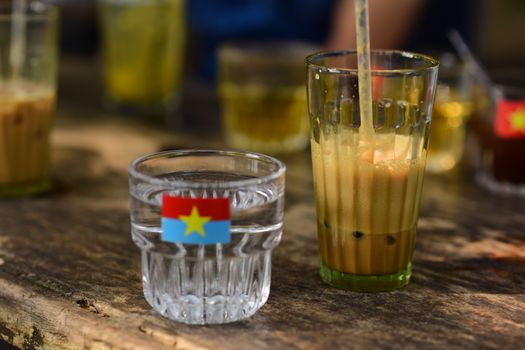
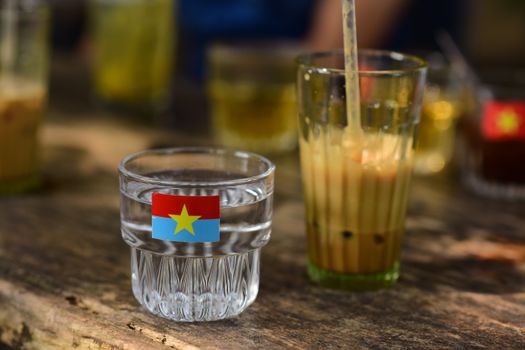
One evening in a bustling night market in Hanoi, I was offered a shot of something called "rượu thuốc" (pronounced "roo-uh took"), or "medicinal wine." It was served in a tiny, unassuming glass, alongside a plate of street food. My Vietnamese friend assured me it was a traditional remedy, good for "strength." The liquid was a murky brown, and the aroma was intensely herbal, almost medicinal. It packed a powerful punch – a single sip sent a fiery warmth through my chest, followed by an immediate sense of alertness. It was clearly a very high-proof spirit, infused with a complex mix of local herbs, roots, and sometimes even animal parts (though thankfully, mine seemed purely botanical!). It cost less than a dollar, but the experience was priceless – a glimpse into local life far removed from the tourist traps.
The Allure of the Forbidden:
These drinks are often deeply embedded in local culture, used for celebrations, medicinal purposes, or simply as a daily ritual. They represent a connection to the land and its history that mass-produced beverages can't replicate. While some are harmless and delicious, others can be incredibly potent or contain ingredients that might not sit well with an unaccustomed Western palate (or stomach!).
Where to Find These Local Treasures:
* Southeast Asia: Look for rượu (rice wine) in Vietnam, lao khao (rice whiskey) in Thailand, or arak in Indonesia. Often found in local markets, small family-run restaurants, or homestays.
* Eastern Europe: Many countries have traditional fruit brandies like rakija (Balkans), pálinka (Hungary), or herbal liqueurs like Becherovka (Czech Republic – though this one is widely available now, traditional versions can be stronger).
* South America: Chicha (fermented corn beer) in the Andes, often brewed traditionally in homes.
Tips for the Responsible Explorer:
* Go with a Local: This is paramount. A local guide or friend can help you identify safe, authentic options and explain their cultural significance.
* Start Small: These drinks can be incredibly potent. Always start with a small sip or a half-shot.
* Ask About Ingredients: If you have allergies or dietary restrictions, try to understand what's in the drink. This can be challenging with language barriers.
* Trust Your Gut: If a drink looks or smells off, or if the source seems unsanitary, err on the side of caution.
* Avoid Animal Products: Be aware that some traditional "medicinal wines" in Asia might contain snake, scorpion, or other animal infusions. If this isn't your thing, politely decline.
4. Why Are They Banned (or Restricted)? The Truth Behind the Taboo
It's easy to assume that if a drink is banned, it must be inherently dangerous. But the reality is far more nuanced. The reasons behind these prohibitions are a complex tapestry of historical events, scientific misunderstandings, moral panics, and regulatory challenges.
- Misinformation & Moral Panics: Absinthe is a prime example. Its ban in the early 20th century was fueled by sensationalized media reports, temperance movements, and a lack of scientific understanding about thujone. The "Absinthe madness" was largely exaggerated, often conflating alcohol addiction with the specific effects of the spirit.
- Health Concerns & Unregulated Ingredients: This is a legitimate concern for some traditional brews. Without FDA oversight, there's no guarantee of purity, consistent potency, or the absence of harmful contaminants. Some herbal infusions might interact negatively with medications or existing health conditions. Kava, for instance, faced bans due to concerns about liver toxicity, which were later attributed to improper preparation (using stems/leaves instead of just the root) or mixing with alcohol.
- Potency & Alcohol Content: Many traditional spirits are incredibly strong. The lack of standardized labeling or quality control can make it difficult for consumers to know exactly what they're drinking, leading to accidental overconsumption.
- Cultural Differences & Preservation: Sometimes, a drink isn't "banned" but simply not commercially viable or culturally appropriate for mass export. Traditional Kava ceremonies, for example, are about community and ritual, not mass production for a global market. The raw, unpasteurized nature of some traditional fermented drinks also makes them difficult to transport and sell under strict Western food safety standards.
- Legal Loopholes & Obscurity: Many traditional drinks simply exist outside the formal legal frameworks because they are produced for local consumption, not commercial export. They fly under the radar of international trade laws.
Understanding these reasons helps us appreciate the context of these drinks and approach them with both curiosity and caution.
5. The Influencer Paradox: What They Won't Show You
Now, let's talk about the elephant in the room – or rather, the drink not in the influencer's hand. Why don't you see these fascinating beverages on your Instagram feed?
- Brand Partnerships: Influencers often rely on brand deals. Mainstream, globally available drinks are safe bets. Promoting a locally banned or unregulated drink could jeopardize lucrative partnerships or attract negative attention.
- "Safe" Content Strategy: The influencer world often prioritizes aspirational, aesthetically pleasing, and universally appealing content. A muddy-looking Kava drink in a coconut shell, or a potent, clear-but-fierce shot of homemade rice wine, might not be as "Instagrammable" as a brightly colored cocktail by an infinity pool.
- Legal Ambiguity & Responsibility: Promoting something that's banned or heavily restricted in many countries carries a certain legal and ethical risk. Influencers are often cautious about encouraging behavior that could be seen as reckless or illegal.
- Lack of Access/Knowledge: Many influencers stick to popular tourist routes. Finding these authentic, often off-the-beaten-path experiences requires deeper travel, local connections, and a willingness to step outside the comfort zone – things that aren't always part of a fast-paced, content-driven itinerary.
- It's Not for Everyone: Some of these drinks have acquired tastes, or effects that aren't universally desirable (e.g., the numbing sensation of Kava). Influencers might shy away from content that could alienate a portion of their audience.
But this is precisely why you should seek them out! While influencers show you the beautiful and the popular, you have the chance to discover the truly unique, the culturally significant, and the genuinely authentic. These are the experiences that foster real connection, deeper understanding, and unforgettable stories.
Conclusion: Sip Beyond the Filter, Taste the World
Stepping outside the curated world of Instagram and diving into the realm of 'banned' or unregulated drinks has been one of the most rewarding aspects of my travels. It’s not about rebellion; it's about genuine curiosity, cultural immersion, and the thrill of discovering something truly unique. These drinks are more than just liquids; they are liquid history, liquid culture, and liquid stories waiting to be told.
So, the next time you're planning an adventure, challenge yourself. Look beyond the ubiquitous cocktails and familiar beers. Ask locals about their traditional brews, seek out the hidden Kava bars, or cautiously explore the world of local spirits. Do your research, go with a local if possible, and always prioritize safety and respect for local customs.
You won't just be tasting a drink; you'll be tasting a piece of a culture, a whisper of history, and a secret that most tourists – and yes, even most influencers – will never know.
What's the most unusual drink you've ever tried on your travels? Share your stories and tips in the comments below! Let's build a community of curious travelers who aren't afraid to sip beyond the filter.
---