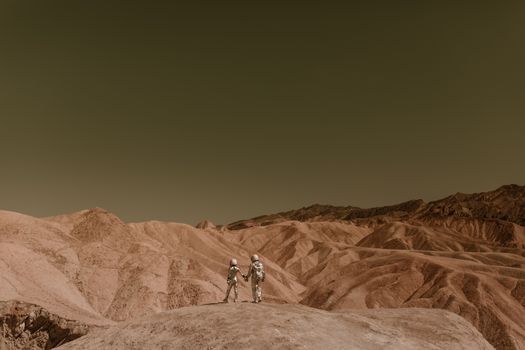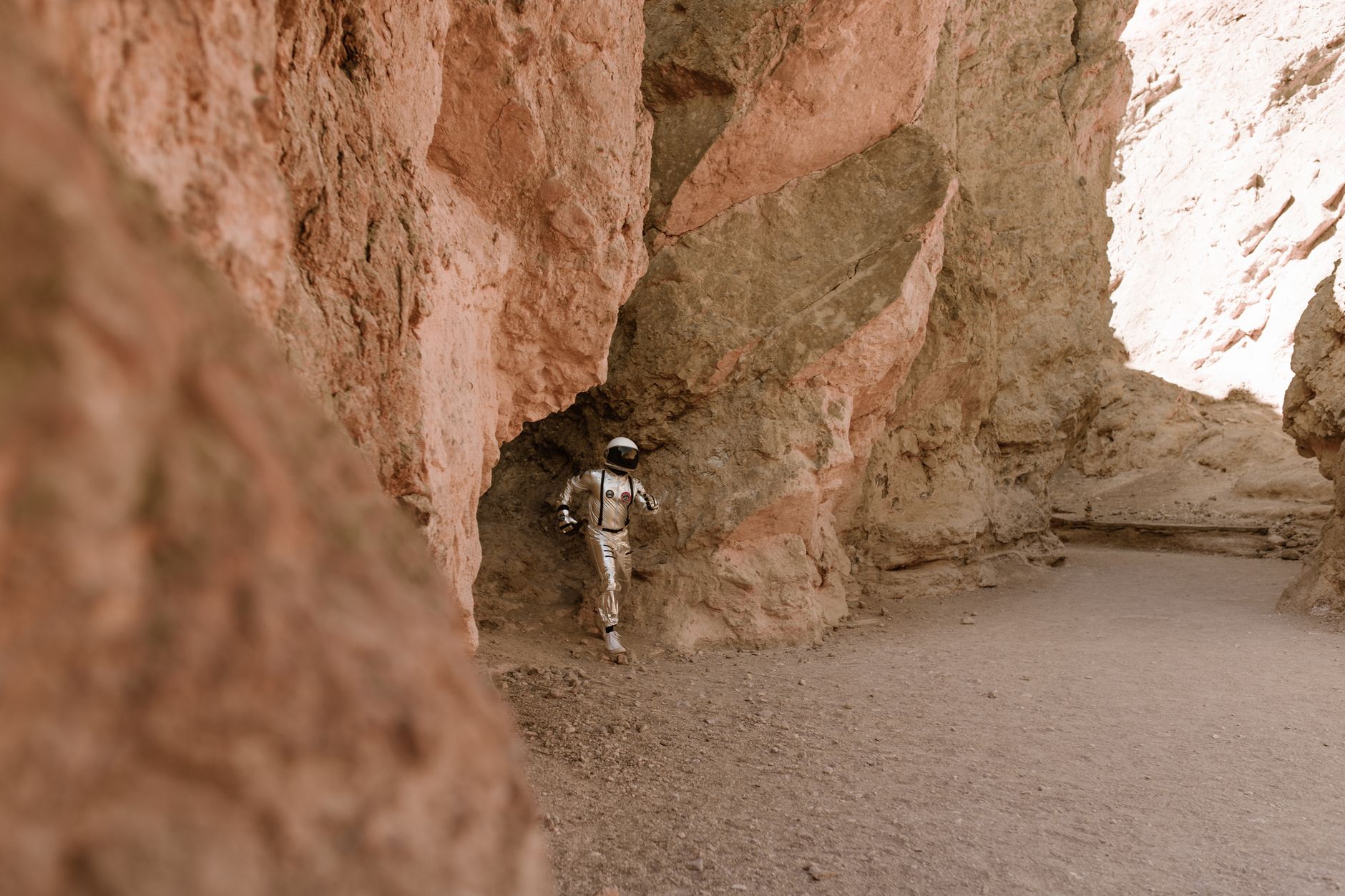
Camping Spots That Feel Like Another Planet That Changed My Life Forever
There are moments in travel that don't just leave an impression; they fundamentally rewire your understanding of the world, and indeed, yourself. For me, many of these moments have occurred under the canvas of a tent, in landscapes so utterly bizarre, so majestically alien, that they felt like portals to other galaxies. I’m not talking about just "pretty" places; I’m talking about landscapes that made me question if I’d accidentally boarded a spaceship instead of a plane.
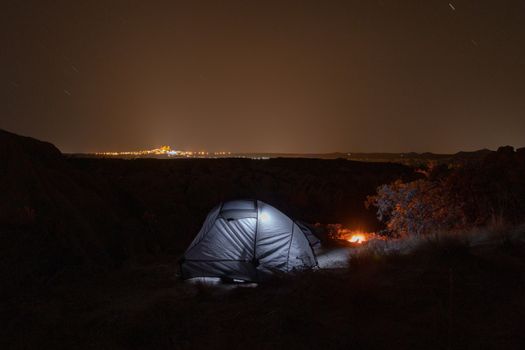
I remember my first truly "alien" camping experience vividly. It was a crisp, clear night, somewhere deep in the desert. I zipped open my tent flap, and the sheer, unfiltered brilliance of the Milky Way spilled across the sky like a cosmic river. The silence was profound, broken only by the whisper of the wind. Below, the landscape was a silhouette of jagged peaks and vast, empty plains, bathed in an ethereal moonlight that stripped away all familiar earthly comforts. It was then, gazing at a horizon that felt utterly foreign, that I understood: this wasn't just camping; it was an expedition to another planet, right here on Earth.
These aren't just campsites; they are experiences that push the boundaries of imagination, challenge your perspective, and leave you with a sense of wonder so deep it resonates for years. They are places that changed my life forever, and I'm thrilled to share them with you. So pack your bags, adventurer, because we're about on a journey to the farthest reaches of our own world.
1. Wadi Rum, Jordan: The Martian Desert Dreamscape
Why it feels alien:
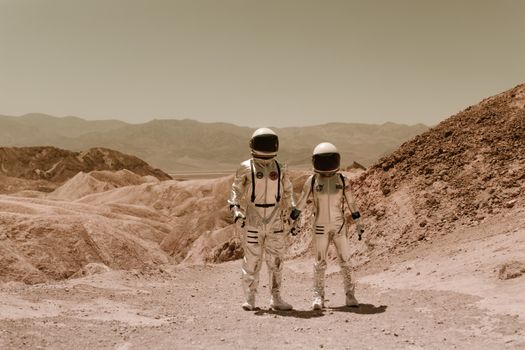
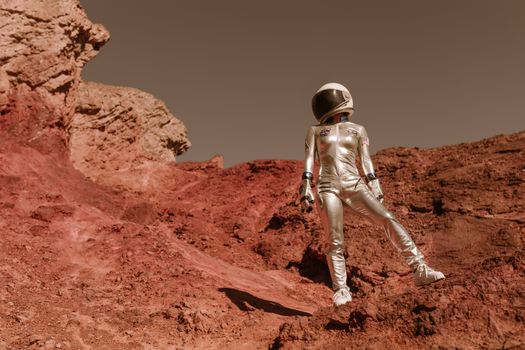
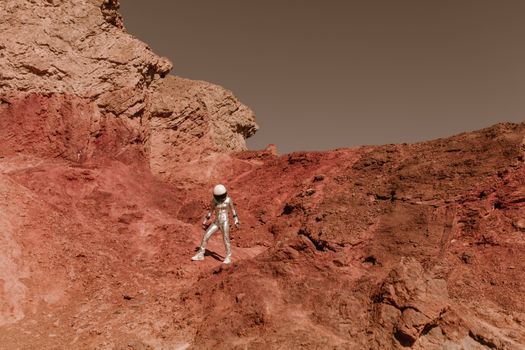
Imagine stepping onto the surface of Mars, but with a warm cup of Bedouin tea in your hand. Wadi Rum, the "Valley of the Moon," is exactly that. Its vast expanse of crimson sands, towering sandstone mountains carved by millennia of wind and water, and ancient petroglyphs make it feel less like a desert and more like a scene straight out of a sci-fi epic. Lawrence of Arabia found his sanctuary here; I found my inner astronaut.
My first night in Wadi Rum was nothing short of magical. After a thrilling jeep safari through the dunes, our Bedouin guide led us to a secluded camp nestled against a colossal rock face. The tents were traditional, made of goat hair, surprisingly cozy, and offered a stark contrast to the otherworldly landscape outside. As the sun dipped below the horizon, painting the sky in fiery oranges and purples, the silence descended, heavy and profound. Later, huddled around a crackling fire, sipping sweet mint tea, I looked up. The sky was an ink-black canvas, studded with more stars than I ever knew existed. Each constellation felt closer, more vibrant, as if the desert air itself was a magnifying glass to the cosmos. Waking up to the sunrise, watching the red dunes glow, felt like being reborn on a new world.
Practical Tips & Details:
* Best Time to Visit: Spring (March-May) and Autumn (September-November) offer pleasant temperatures. Summer can be scorching, winter nights very cold.
* Getting There: Fly into Amman or Aqaba, then arrange a taxi or bus to Wadi Rum Village.
* Camping: Book a stay with a local Bedouin camp. Many offer packages including jeep tours, meals, and overnight accommodation. I stayed with a fantastic local family-run camp for around $70-100 USD per person per night, which included dinner, breakfast, and a full-day jeep tour.
* What to Pack: Layers (desert nights are cold!), sturdy walking shoes, a headlamp, sunscreen, hat, and plenty of water.
* Respect Local Culture: Dress modestly, especially outside the camps, and always ask before taking photos of people.
* Instagram-worthy: The iconic red dunes at sunrise/sunset, silhouettes against the starry night sky, the unique rock formations, and candid shots with Bedouin hospitality.
2. Craters of the Moon National Monument & Preserve, Idaho, USA: Lunar Landscapes on a Budget
Why it feels alien:
If you want to walk where astronauts trained for lunar missions, look no further than Craters of the Moon. This vast expanse of black lava flows, cinder cones, and lava tubes looks eerily similar to the moon's surface. It’s a stark, desolate beauty that forces you to confront the raw power of geological forces.
I remember hiking across the jagged, ropey lava flows, the only sound the crunch of my boots on volcanic rock. It felt like an obstacle course designed by an alien architect. Exploring the lava tubes – subterranean caves formed by flowing lava – with just a headlamp was a highlight. The cool, dark chambers, some dripping with ice even in summer, felt like venturing into the bowels of an alien ship. Above ground, the "Inferno Cone" offered panoramic views of the entire black sea of lava, punctuated by scattered, resilient green plants. It was a humbling experience, reminding me of the Earth's incredible geological history and its capacity for dramatic transformation.
Practical Tips & Details:
* Best Time to Visit: Late spring to early fall (May-October) for best hiking conditions.
* Getting There: Located in south-central Idaho, accessible via US-20/26/93.
* Camping: The Lava Flow Campground (first-come, first-served) offers 42 sites with basic amenities. It's a surreal experience to camp directly within the lava field. Expect to pay around $15-20 USD per night. Dispersed camping is also available outside the monument boundaries.
* What to Pack: Sturdy hiking boots (the lava is sharp!), plenty of water, a flashlight or headlamp for lava tubes (some are very dark), layers, and sun protection.
* Exploring: Don't miss the easy hikes to various lava features and the popular lava tubes (Indian Tunnel is a must-see). Check with the visitor center for conditions and permits for cave exploration.
* Instagram-worthy: The stark contrast of black lava against the blue sky, unique lava formations, the entrance to lava tubes, and wide shots from the top of cinder cones.
3. Mosquito Bay, Vieques, Puerto Rico: Kayaking Through a Liquid Galaxy
Why it feels alien:
This isn't about the landscape above, but what lies beneath the surface of the water. Mosquito Bay in Vieques is one of the brightest bioluminescent bays in the world. As you kayak through its waters at night, every paddle stroke, every ripple, ignites millions of dinoflagellates, creating a spectacular, ethereal glow. It's like navigating through a liquid galaxy, where stars are born with every movement.
My experience kayaking through Mosquito Bay was utterly surreal. We started just after sunset, the sky still holding a faint purple glow. As darkness deepened and we paddled further into the bay, the magic began. My hand, dipped into the water, left a shimmering trail of electric blue light. Fish darted beneath the kayak, leaving streaks of light like underwater shooting stars. It was impossible to capture with a camera (most cameras can't handle the low light), but the memory is burned into my mind. It felt like being immersed in a living, breathing alien ocean, a secret world pulsating with its own light and energy. This wasn't just a sight; it was a feeling of profound connection to something ancient and mysterious.
Practical Tips & Details:
* Best Time to Visit: During a new moon cycle for the darkest skies and brightest glow. Avoid full moon nights.
* Getting There: Fly into San Juan, Puerto Rico, then take a small plane or ferry to Vieques. Tours depart from the island.
* Camping: While you can't camp directly in the bay (for environmental reasons), there are several campgrounds and eco-lodges on Vieques where you can stay overnight and easily access the tours.
* Booking Tours: Essential to book a guided kayak tour in advance. Prices typically range from $40-60 USD per person. Choose an eco-friendly tour operator that uses electric motors or kayaks only.
* What to Pack: Swimsuit, towel, insect repellent (apply before entering the water, as chemicals harm the organisms), and a sense of wonder. Leave your phone/camera behind, as it likely won't capture the magic and could get wet.
* Instagram-worthy: While direct photos are hard, share a photo of the bay during the day, or a "before/after" concept describing the transformation. The story itself is incredibly shareable!
4. John Day Fossil Beds National Monument (Painted Hills Unit), Oregon, USA: The Alien Artist's Palette
Why it feels alien:
The Painted Hills are a geological masterpiece, a breathtaking display of vibrant, stratified mounds that look like an alien artist meticulously painted the landscape. Layers of red, gold, black, and even lavender soil represent millions of years of geological history, creating a landscape so unique it defies earthly comparison.
My visit to the Painted Hills was during the late afternoon, just as the sun began its descent. The colors, already striking, intensified with the golden hour light. Walking the short trails, I felt like I was exploring a giant, living painting. Each ripple and fold in the hills told a story of ancient floods, volcanic ash, and changing climates. The silence was palpable, broken only by the occasional rustle of dry grass. It was a place that encouraged quiet contemplation, a deep appreciation for the slow, relentless artistry of nature. I remember thinking how surreal it was that such vibrant, almost unnatural colors could exist so naturally in the desert. It felt like stumbling upon a secret garden on a distant planet.
Practical Tips & Details:
* Best Time to Visit: Spring and Fall offer pleasant temperatures and vibrant colors, especially after rain. Early morning or late afternoon for the best light for photography.
* Getting There: Located in central Oregon, accessible by car. The Painted Hills Unit is about a 1.5-hour drive from Bend.
* Camping: There is no camping directly within the Painted Hills Unit (it's day-use only). However, several state parks nearby offer excellent camping options, such as Clyde Holliday State Recreation Site (approx. $20-30 USD per night) or dispersed camping in the surrounding national forests.
* What to Pack: Water, sun protection, comfortable walking shoes, and a good camera.
* Explore: Several short, easy trails (e.g., Painted Cove Trail, Carroll Rim Trail) offer stunning views and close-up experiences with the hills.
* Instagram-worthy: Panoramic shots capturing the full spectrum of colors, close-ups of the layered soil, and creative compositions using the unique textures and patterns.
5. Salar de Uyuni, Bolivia: The Sky Mirror to Another Dimension
Why it feels alien:
The world's largest salt flat, Salar de Uyuni, transforms into an impossibly vast "sky mirror" during the rainy season (December to April). When a thin layer of water covers the salt, the boundary between earth and sky dissolves, creating an optical illusion that is truly mind-bending. It's a place where you can literally walk on clouds, where the horizon disappears, and perspective becomes meaningless.
My journey across the Salar was part of a multi-day tour that started in Bolivia. We drove for hours across the blindingly white salt, stopping for the obligatory perspective photos that play tricks on the eye. But it was during the rainy season, when the salt flats became a giant mirror, that the true alien magic unfolded. Standing in the middle of that vast expanse, with the sky reflected perfectly beneath my feet, I felt utterly disoriented and completely free. It was like being suspended between two worlds, a dreamscape made real. We even stayed in a "salt hotel" – a building constructed almost entirely from salt blocks. The nights there, with the reflected stars stretching infinitely above and below, were profoundly humbling and beautiful. It was a place that forced me to reconsider my understanding of reality itself.
Practical Tips & Details:
* Best Time to Visit: Rainy season (December-April) for the "sky mirror" effect. Dry season (May-November) offers vast white expanses and easier travel, but no reflections.
* Getting There: Most tours depart from Uyuni, Bolivia. You can fly or take a bus to Uyuni from La Paz or Santa Cruz.
* Camping/Accommodation: Multi-day tours typically include accommodation in basic hostels or unique "salt hotels" on the flats. Wild camping is possible with a tour guide. A 3-day tour typically costs $150-250 USD, including transport, guide, food, and basic accommodation.
* What to Pack: Warm layers (nights are freezing, even in summer), sunglasses (the salt glare is intense), high SPF sunscreen, hat, sturdy waterproof shoes, and plenty of water. Altitude sickness medication might be useful.
* Booking Tours: Essential to book a reputable multi-day tour with an experienced driver/guide.
* Instagram-worthy: The famous perspective photos, stunning reflections of the sky, sunrise and sunset over the flats, and the unique salt hotel interiors.
6. Giant's Causeway, Northern Ireland: The Mythical Alien Construction Site
Why it feels alien:
While not a camping spot directly on the causeway, the nearby coastal camping experiences offer access to this utterly bizarre geological wonder. The Giant's Causeway is an area of about 40,000 interlocking basalt columns, mostly hexagonal, that look like they were meticulously carved by a giant or, perhaps, an alien civilization. It's a landscape steeped in myth and geology, where the Earth's raw power created something unnervingly perfect.
My first sight of the Causeway was breathtaking. The columns, rising from the sea and stretching along the coast, looked like a massive, organic staircase to another world. Walking amongst them, touching the cool, smooth basalt, I felt a profound sense of awe. The sheer scale and precision of these natural formations were hard to comprehend. It felt like I had stumbled upon the ruins of an ancient, advanced civilization, or perhaps a landing pad for extraterrestrial visitors. The sound of the waves crashing against these geometric rocks only added to the mystical atmosphere. While I stayed in a charming B&B nearby, the thought of waking up in a tent just a stone's throw from this otherworldly marvel has always lingered. There are several excellent caravan and camping parks along the stunning Antrim Coast, offering easy access to the Causeway.
Practical Tips & Details:
* Best Time to Visit: Spring and Autumn for fewer crowds and pleasant weather. Go early morning or late evening to experience the columns in relative solitude.
* Getting There: Easily accessible by car from Belfast (about 1.5 hours drive).
* Camping: While you can't camp directly on the UNESCO site, numerous excellent camping and caravan parks are located along the Causeway Coastal Route. Bushmills Holiday Park and Causeway Coast Holiday Park are popular choices, offering pitches for around £20-30 GBP per night.
* What to Pack: Waterproof clothing (it's Ireland!), sturdy walking shoes, and a good camera.
* Explore: Walk the various trails around the columns, visit the excellent visitor center, and explore other nearby attractions like Carrick-a-Rede Rope Bridge.
* Instagram-worthy: Close-up shots of the hexagonal columns, wide-angle shots capturing the scale of the formation against the sea, and dramatic coastal landscapes.
Embrace the Unknown: Your Next Alien Adventure Awaits
These experiences are more than just trips; they are invitations to step outside your comfort zone, to challenge your perceptions, and to connect with the raw, untamed beauty of our planet. They changed my life forever by expanding my understanding of what's possible, both in travel and within myself. They taught me that true adventure lies not just in visiting new places, but in letting those places transform you.
So, which alien landscape will you explore first? Will you trek through Martian deserts, kayak across a liquid galaxy, or wander through a geological painting? The Earth is full of wonders waiting to be discovered, places that promise to ignite your wanderlust and leave you utterly changed. Don't just dream about another planet; go camp on one.
Share your dream 'otherworldly' camping spot in the comments below! Which of these destinations would you add to your bucket list?
---