The wind whipped around me, kicking up fine red dust that settled on my boots. Above, a sky so impossibly vast and dark, it felt like a velvet blanket studded with diamond dust. I looked out at the bizarre, mushroom-shaped rock formations silhouetted against the nascent twilight, and a shiver ran down my spine – not from the chill, but from the sheer, overwhelming feeling of being utterly, wonderfully alone on a planet far, far away. This wasn't some elaborate sci-fi movie set; this was Goblin Valley State Park, Utah, and it was my first taste of what I now affectionately call "interstellar camping."
We've all been there, scrolling through endless feeds, craving something more than the usual beach getaway or mountain hike. We yearn for experiences that challenge our perceptions, ignite our wanderlust, and leave us with stories that sound almost too incredible to be true. And right now, the travel world is buzzing about a specific kind of adventure: camping in places that feel less like Earth and more like a cosmic playground.
These aren't just pretty spots; they are trending hotspots for adventurers, photographers, and soul-searchers looking to disconnect from the mundane and reconnect with the truly extraordinary. They offer a unique blend of solitude, raw beauty, and mind-bending landscapes that make you question if you accidentally boarded a spaceship instead of an SUV. Ready to pack your bags for an out-of-this-world journey? Let's explore some of Earth's most incredible alien landscapes where you can pitch your tent and wake up on another planet.
The Martian Playground: Goblin Valley State Park, Utah, USA
My first encounter with Goblin Valley was pure serendipity. I was on a road trip through Utah’s iconic national parks, and a friend casually mentioned, "Hey, there's this weird little place called Goblin Valley nearby, you should check it out." "Weird" turned out to be the understatement of the century. As I drove into the valley, I was met with thousands of hoodoos – bizarre, mushroom-shaped sandstone formations that looked like an army of petrified goblins, or perhaps alien chess pieces, scattered across a vast, dusty arena.
What makes it alien:
The sheer density and unique shapes of the "goblins" create a landscape unlike anywhere else on Earth. It truly feels like you’ve landed on a newly discovered planet, with strange, silent inhabitants observing your every move. The red earth and stark blue sky complete the Martian illusion.
My personal take:
I spent an entire afternoon simply wandering amongst the goblins, feeling like a tiny explorer on an uncharted world. The silence was profound, broken only by the crunch of my boots on the sandy ground. As the sun dipped, casting long, eerie shadows, the landscape transformed into something even more mystical. That night, camping directly amidst these geological wonders, the stars exploded above me, undimmed by any light pollution. It was humbling, awe-inspiring, and utterly unforgettable.
Camping Details:
* Campsites: Goblin Valley State Park has 25 well-maintained campsites with picnic tables, fire rings, and flush toilets. Some sites have shade shelters.
* Reservations: Highly recommended, especially during peak seasons (spring and fall). Book via the Utah State Parks website well in advance.
* Price: Around $20-30 per night, plus park entrance fee.
* Best Time to Visit: Spring and fall offer the most pleasant temperatures for hiking and exploring. Summers can be scorching, winters cold.
* Activities: Hiking (no marked trails, just wander!), photography, stargazing (it's an International Dark Sky Park).
Dunes of Pure Gypsum: White Sands National Park, New Mexico, USA
Imagine a sea of brilliant white, undulating dunes stretching as far as the eye can see, shimmering under a turquoise sky. This isn't snow; it's gypsum, and it forms the otherworldly landscape of White Sands National Park. Driving into the park, the change is abrupt and breathtaking – one moment you're in the Chihuahuan Desert, the next you're on what feels like an arctic moon.
What makes it alien:
The pristine, blinding white gypsum dunes are utterly unique. The way the light plays on them, especially at sunrise and sunset, creates an ethereal glow that feels almost spiritual. It's a landscape of stark contrasts and surreal beauty.
My personal take:
I remember renting a plastic sled at the visitor center, a suggestion I initially scoffed at. But launching myself down those soft, cool dunes was pure, unadulterated joy. It felt like flying across a lunar surface. That evening, as the sun painted the dunes in hues of peach and lavender, I hiked to my backcountry campsite. Sleeping out there, with the vast expanse of white around me and the Milky Way blazing above, was an experience of profound solitude and connection to something immense. The silence was absolute, save for the gentle whisper of the wind shaping the dunes.
Camping Details:
* Campsites: White Sands offers 10 primitive backcountry campsites, requiring a permit obtained in person at the visitor center the day of your stay. First-come, first-served.
* Price: Park entrance fee ($25 per vehicle) + backcountry permit fee ($3 per person).
* Best Time to Visit: Spring and fall for comfortable temperatures. Summer can be extremely hot, winter can be cold. Check for missile testing closures before you go!
* Activities: Sledding, hiking (several marked trails, but also off-trail exploration), photography, ranger-led programs (full moon hikes are epic).
* Crucial Tip: Carry at least a gallon of water per person per day. There is no water available in the backcountry. Pack out everything you pack in.
Star-Gazing in the Desert of Wadi Rum, Jordan
From the moment my jeep bounced over the red sands into the vast expanse of Wadi Rum, I knew I had arrived somewhere truly special. Towering sandstone mountains, etched by millennia of wind and sand, rose dramatically from the desert floor, creating natural cathedrals and canyons. This is the "Valley of the Moon," and it genuinely feels like a journey to Mars, a sentiment reinforced by its use as a filming location for The Martian.
What makes it alien:
The striking red sands, the colossal, weathered rock formations, and the immense, open skies give Wadi Rum an undeniable extraterrestrial vibe. It’s a landscape that feels ancient, powerful, and utterly detached from urban life.
My personal take:
My experience in Wadi Rum was transformative. After a day of exploring ancient inscriptions, scrambling up sand dunes for panoramic views, and sipping sweet Bedouin tea in a goat-hair tent, I settled into my desert camp. It wasn't exactly "pitching a tent" – more like glamping in a comfortable, traditional Bedouin tent. But stepping outside after dinner, the sky was ablaze. I’ve seen dark skies before, but Wadi Rum’s celestial display was unparalleled. Lying on a rug, gazing up at the Milky Way stretching like a luminous river, I felt a deep sense of insignificance and wonder. The Bedouin guides shared stories of the stars, connecting me to centuries of desert wisdom. It was a profound blend of cultural immersion and cosmic awe.
Camping Details:
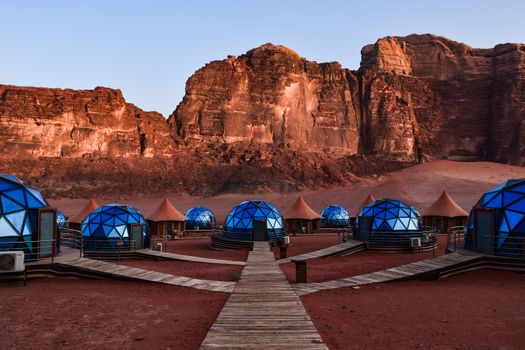
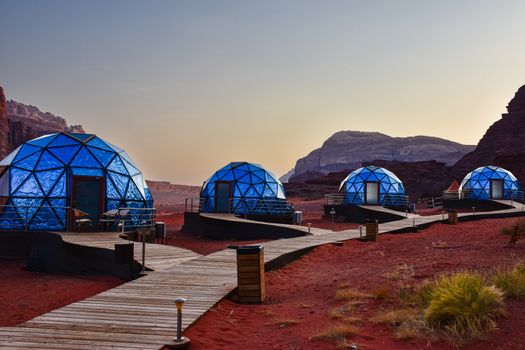
* Campsites: Most travelers opt for a stay at one of the many Bedouin desert camps. These range from basic tents to luxurious "bubble" tents with clear roofs for stargazing. Booking usually includes dinner, breakfast, and a jeep tour.
* Price: Varies widely depending on the camp and package, from $50 to $200+ per person per night.
* Best Time to Visit: Spring (March-May) and Autumn (September-November) offer pleasant temperatures. Summers are very hot, winters can be cold at night.
* Activities: Jeep tours, camel treks, hot air balloon rides, rock climbing, hiking, stargazing, experiencing Bedouin hospitality.
The Cosmic Mirror: Salar de Uyuni, Bolivia
Prepare to have your mind bent. The Salar de Uyuni, the world's largest salt flat, is a place where the horizon disappears, and the sky merges seamlessly with the earth. During the wet season (December to April), a thin layer of water transforms the vast white expanse into a colossal mirror, reflecting the sky so perfectly that it's impossible to tell where one ends and the other begins.
What makes it alien:
The sheer scale and optical illusions of the Salar are truly out of this world. It's a landscape that defies perspective, creating a playground for surreal photography. When wet, it's like walking on clouds; when dry, the hexagonal patterns of the salt crust feel like an alien pavement.
My personal take:
My 3-day tour of the Salar was an absolute highlight of my South American adventure. We drove for hours across the endless white, stopping for hilarious perspective photos that looked like we were giants or tiny figurines. But the real magic happened when we found a spot with just enough water to create the mirror effect. Standing there, with the clouds beneath my feet and the sky above, I felt utterly disoriented and exhilarated. It was like floating in a dream. We stayed in a basic "salt hotel" – literally built from salt blocks – which added another layer of bizarre charm to the experience. Waking up to the stark beauty of the salt flat outside my window felt like waking up on a different planet every morning.
Camping Details:
* Campsites: True camping on the Salar is rare and not recommended due to the extreme conditions (cold, wind, lack of facilities). Most visitors do multi-day jeep tours that include basic overnight stays in salt hotels or rustic hostels in nearby villages.
* Price: 3-day/2-night tours typically range from $150-$250 per person, including transport, guide, meals, and basic accommodation.
* Best Time to Visit:
* Wet Season (Dec-Apr): For the iconic mirror effect. Be prepared for potential road closures due to heavy rains.
* Dry Season (May-Nov): For exploring the hexagonal salt patterns, Incahuasi Island (a cactus-covered island), and clearer skies for stargazing.
* Activities: Perspective photography, visiting Incahuasi Island, exploring the train cemetery, watching flamingos at colored lagoons, stargazing.
* Crucial Tip: Altitude sickness is a real concern (Uyuni is over 3,600m/12,000 ft). Acclimatize in La Paz or Cusco before arriving. Bring warm clothes, sunscreen, and sunglasses – the glare from the salt is intense.
Rainbow Mountains & Geothermal Wonders: Landmannalaugar, Iceland
Iceland is practically a whole planet unto itself, but Landmannalaugar, nestled in the remote highlands, is where it truly transcends. Known for its rhyolite mountains that swirl with impossible colors – reds, greens, yellows, blues, and purples – alongside bubbling hot springs and obsidian fields, it's a geological masterpiece that feels like an artist's fever dream.
What makes it alien:
The vibrant, almost painterly colors of the mountains, sculpted by volcanic activity and mineral deposits, are unlike anything found elsewhere. Combine this with steam rising from geothermal vents and stark lava fields, and you have a landscape that feels primal, powerful, and utterly fantastical.
My personal take:
Reaching Landmannalaugar is an adventure in itself, requiring a 4x4 vehicle and navigating "F-roads" that cross rivers and rugged terrain. But the effort is rewarded tenfold. I remember hiking through fields of black obsidian, then suddenly emerging into a valley where mountains glowed with an internal fire of color. After a challenging but breathtaking hike, soaking in the natural hot spring (where hot and cold streams mix to perfect bathing temperature) felt like a reward from the gods. Camping here, surrounded by such raw, untamed beauty, with the crisp Icelandic air filling my lungs and the midnight sun casting long, soft shadows, was pure magic. It’s a place that makes you feel small in the best possible way, connected to the Earth's ancient, violent heart.
Camping Details:
* Campsites: There's a well-equipped campsite next to the Landmannalaugar hut, offering basic facilities like toilets, showers (for a fee), and cooking areas. You can pitch your tent or stay in the hut (reservations essential for the hut).
* Price: Camping is around 2,500 ISK (approx. $18-20 USD) per person per night.
* Best Time to Visit: Primarily accessible in summer (late June to mid-September) due to heavy snow and road closures during other seasons.
* Activities: Hiking (it's the starting/ending point for the famous Laugavegur trail, but many day hikes are available), bathing in the natural hot springs, photography, exploring obsidian fields.
* Crucial Tip: Weather can change rapidly. Bring layers, waterproof gear, and sturdy hiking boots. Research F-road conditions carefully and ensure your vehicle is suitable.
The Martian Valleys of Atacama Desert, Chile
The Atacama Desert, the driest non-polar desert on Earth, is a place of extreme beauty and surreal landscapes. Within it, areas like Valle de la Luna (Moon Valley) and Valle de Marte (Mars Valley) live up to their names, offering salt-crusted ravines, towering sand dunes, and rock formations sculpted by wind and time that genuinely mimic extraterrestrial terrains.
What makes it alien:
The extreme aridity, the salt deposits that glisten like frost, the rust-red and ochre hues of the earth, and the stark, severe beauty of the valleys create a landscape that feels utterly alien. It's a place where life struggles to exist, making its stark beauty even more poignant.
My personal take:
My visit to the Atacama was anchored in San Pedro de Atacama, a charming adobe village that serves as a gateway to the desert. One evening, I took a tour to Valle de la Luna for sunset. Standing atop a massive sand dune, watching the sun dip below the horizon, painting the salt and rock formations in fiery oranges, purples, and deep reds, was like watching a cosmic ballet unfold. The landscape transformed with every passing minute, becoming more and more otherworldly. While direct camping in the valleys is restricted, many tour operators offer stargazing tours that venture deep into the desert, far from light pollution, allowing for incredible astrophotography. The sheer clarity of the night sky here, due to the dry air and high altitude, is legendary – it's home to some of the world's most powerful observatories.
Camping Details:
* Campsites: True camping directly within Valle de la Luna or Valle de Marte is restricted. However, there are several well-regarded campsites and glamping options around San Pedro de Atacama that offer a desert camping experience with amenities. These often include stargazing facilities.
* Price: Campsites near San Pedro can range from $10-$30 per night. Glamping options are significantly higher. Tours to the valleys are typically $20-$40, and stargazing tours $30-$60.
* Best Time to Visit: Year-round, but spring (Sept-Nov) and autumn (Mar-May) offer milder temperatures. Nights are always cold, even in summer.
* Activities: Stargazing tours (a must!), exploring Valle de la Luna and Valle de Marte, visiting the El Tatio Geysers, relaxing in hot springs, exploring salt lagoons (Lagunas Escondidas, Cejar), sandboarding.
* Crucial Tip: The altitude (San Pedro is ~2,400m/8,000 ft, some tours go much higher) can affect some people. Drink plenty of water and take it easy on arrival. Sun protection is vital.
Practical Tips for Your Interstellar Camping Trip
Venturing into these otherworldly landscapes requires a bit more planning than your average campground visit. Here’s what you need to know to make your trip a success:
- Pack Smart & Layer Up: Even in deserts, nights can be freezing. Layers are your best friend. Think thermal underwear, fleece, a waterproof/windproof outer shell, and a warm hat. Good quality sleeping bags rated for cold temperatures are essential.
- Hydration is Key: Especially in high-altitude or desert environments, dehydration is a serious risk. Always carry more water than you think you'll need.
- Leave No Trace: These fragile environments are easily damaged. Pack out everything you pack in, stay on designated paths (where they exist), and respect wildlife. Leave these places as pristine as you found them.
- Research Permits & Reservations: Many of these unique spots require permits for backcountry camping or advance reservations. Don't get caught out! Check official park/site websites well in advance.
- Safety First: Be aware of local hazards – extreme weather, altitude sickness, navigation challenges, and local wildlife. Inform someone of your itinerary. Consider a satellite messenger for remote areas.
- Gear Up for Photography: These places are Instagram gold! A wide-angle lens, a sturdy tripod for astrophotography, and extra batteries are highly recommended. Don't forget a headlamp with a red light setting for night vision.
- Embrace Disconnection: Cell service is often non-existent or spotty. Use this as an opportunity to truly disconnect and immerse yourself in the environment.
- Altitude Acclimatization: For high-altitude destinations like Salar de Uyuni or Atacama, plan for a day or two of acclimatization before strenuous activity.
Your Next Great Escape Awaits!
From the red dunes of Jordan to the mirror-like salt flats of Bolivia, these trending camping spots offer more than just a place to sleep; they offer a journey to another dimension. They challenge your senses, inspire your imagination, and remind you of the incredible diversity and wonder of our own planet. These are the places where stories are born, where photos become legends, and where you truly feel like an explorer charting new territory.
So, which alien landscape will be your next conquest? Will you wander with the goblins, sled down gypsum dunes, or sleep under a sky so thick with stars it feels like you can reach out and touch them? The universe is calling, and your adventure on Earth's "other planets" awaits.
Share your otherworldly camping dreams in the comments below! Which of these cosmic campsites is topping your bucket list?
---