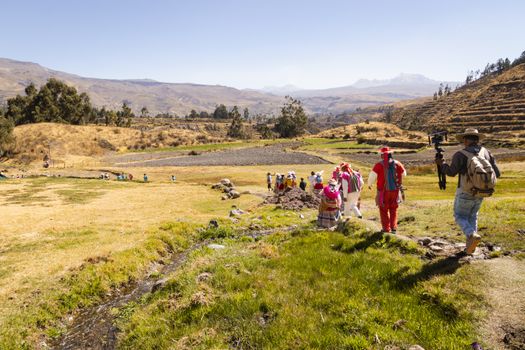
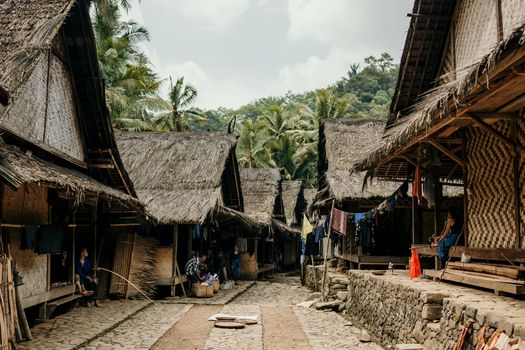
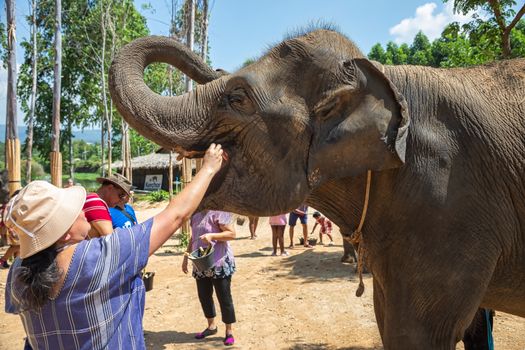
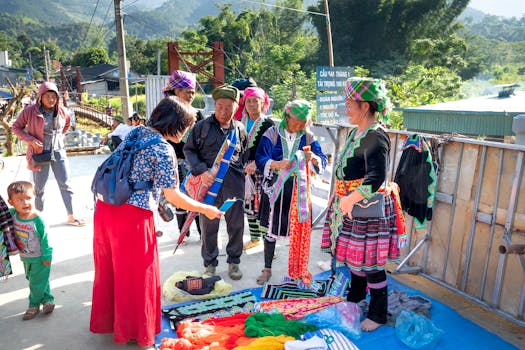
Beyond the Brochure: My Wake-Up Call to Meaningful Travel
I remember staring out the window of a bustling tour bus in Rome, a blur of ancient history and endless selfie sticks passing by. Don’t get me wrong, it was beautiful, but something felt... missing. I was seeing the sights, yes, but I wasn’t feeling the city, connecting with its heartbeat, or truly understanding the lives of the people who called it home. It was a perfectly curated, undeniably grand experience, yet I felt like an observer, not a participant.
That feeling stuck with me. It gnawed at me on subsequent trips, especially when I'd catch glimpses of local life – a grandmother expertly kneading dough in a doorway, children laughing in a dusty street, a fisherman mending nets by the shore – moments that felt infinitely more real than the polished tourist attractions. I craved that authenticity, that genuine connection.
And then I found it: community tourism. It wasn't just a buzzword; it was a revelation. It’s a way of traveling that puts local communities at the forefront, allowing them to own, manage, and benefit directly from tourism. It’s about sharing cultures, supporting livelihoods, and preserving heritage, all while offering travelers an unparalleled, deeply enriching experience. It’s not charity; it’s partnership. And let me tell you, it will absolutely blow your mind.
Forget the superficial. Get ready to dive deep, connect genuinely, and leave a positive footprint. These are the kinds of trips that stay with you long after your passport is stamped, the stories you’ll tell for years, and the impact you’ll be proud to have made. Ready? Let’s explore some of the most incredible community tourism projects worth supporting right now.
---
1. The Heart of the Amazon: Indigenous Ecotourism in Ecuador
Imagine waking up to the symphony of the rainforest, the calls of howler monkeys echoing through the canopy, and the earthy scent of the Amazon filling your lungs. Now imagine that experience is entirely managed and owned by the indigenous community whose ancestral lands you’re exploring, with every dollar directly supporting their way of life and conservation efforts. This isn't a dream; it's a reality in places like the Ecuadorian Amazon.
My Experience at Sani Isla Lodge:
A few years ago, I ventured deep into the Yasuni Biosphere Reserve, one of the most biodiverse places on Earth, to stay at Sani Isla Lodge. This incredible lodge is 100% owned and operated by the Kichwa community of Sani Isla. From the moment I stepped off the motorized canoe onto their riverbank, I felt a profound sense of welcome and respect. My guide, a young Kichwa man named José, had grown up in the village. His knowledge of the jungle – every plant, every animal, every subtle sound – was encyclopedic.
We spent our days trekking through dense jungle, spotting capybaras, caimans, and a dazzling array of birds. One evening, José led us on a night walk where the jungle truly came alive with bioluminescent fungi and the rustling of unseen creatures. We climbed a 120-foot observation tower, emerging above the canopy for a sunrise that painted the sky in fiery hues, watching macaws fly by at eye level.
But the true magic was the cultural immersion. We visited the village, learned about their traditions, tasted freshly made yuca bread, and even tried our hand at making traditional pottery. The women shared stories of their ancestors, their struggles, and their triumphs in protecting their land from oil extraction. My heart swelled with admiration for their resilience and their deep connection to the environment.
Why it Blows Your Mind:
This isn't just a jungle tour; it's an education in sustainable living and cultural preservation. Your visit directly funds education, healthcare, and infrastructure for the community, while simultaneously empowering them to protect their rainforest home. You’re not just seeing the Amazon; you’re experiencing it through the eyes of its guardians.
Practical Tips & Details:
* Location: Sani Isla Lodge is located in the Yasuni Biosphere Reserve, Ecuadorian Amazon. Access is typically via a flight from Quito to Coca, followed by a several-hour motorized canoe ride.
* Cost: A 4-day/3-night package typically ranges from $800-$1200 USD per person, all-inclusive (accommodation, meals, guided excursions). This might seem steep, but remember it covers transportation from Coca, expert local guides, and directly supports the community.
* Booking: Book directly through their website or reputable eco-tourism operators specializing in community-based initiatives.
* What to Expect: Rustic but comfortable accommodations (often with private bathrooms, sometimes cold showers), delicious local food, early mornings, and incredible wildlife encounters. Be prepared for humidity and insects!
* Instagram Moment: Sunrise from the canopy tower, or a candid shot learning from a Kichwa elder. #SaniIsla #EcuadorAmazon #IndigenousTourism #EcoTravel
---
2. Weaving Dreams: Supporting Artisan Communities in Guatemala
Guatemala is a land of vibrant colors, ancient traditions, and incredible resilience. Its indigenous Mayan communities, particularly in the highlands around Lake Atitlán, are renowned for their intricate textile artistry. But mass production and unfair trade practices have often undervalued these incredible skills. Community tourism projects here are changing that, empowering artisans, particularly women, to earn a fair wage and preserve their heritage.
My Journey to San Juan La Laguna:
On my first trip to Lake Atitlán, I was drawn to the small Tz'utujil Mayan village of San Juan La Laguna. Unlike some of the more touristy towns, San Juan felt authentic and deeply rooted in its traditions. Here, several women's weaving cooperatives have flourished, offering workshops and selling their exquisite textiles directly to visitors.
I spent an afternoon with a cooperative called Casa Flor Ixcaco. A warm, smiling woman named María, with hands calloused from years of weaving, guided me through the entire process, from harvesting cotton and natural dyeing (using plants, bark, and even insects like cochineal!) to the intricate backstrap loom technique. My attempts were clumsy and slow, but María’s patience was endless, and her pride in her craft was palpable.
As I listened to her explain how the cooperative had allowed her daughters to attend school, to invest in their homes, and to have a voice in their community, I realized the profound impact of simply choosing to buy directly from them. Each thread told a story, not just of a pattern, but of empowerment and cultural survival.
Why it Blows Your Mind:
You’re not just buying a souvenir; you’re investing in a living art form and the economic independence of skilled artisans. These projects ensure traditional techniques aren't lost, and provide a sustainable income, often for women who are the backbone of their families and communities.
Practical Tips & Details:
* Location: San Juan La Laguna, Lake Atitlán, Guatemala. Accessible by boat (lancha) from Panajachel.
* Cost: Weaving workshops typically cost $15-$30 USD for a few hours. Textiles range widely depending on complexity and size, from $10 for a small coaster to hundreds for a large, intricately woven huipil (traditional blouse).
* Booking: Simply walk into one of the many cooperatives in San Juan La Laguna (ask your guesthouse for recommendations or look for signs). Co-ops like Casa Flor Ixcaco, Lema, and Worried Dolls are well-regarded.
* What to Expect: A hands-on, educational experience. You’ll learn about natural dyes, the history of Mayan textiles, and the backstrap loom. Be prepared to haggle respectfully, but also remember the value of supporting fair trade.
* Instagram Moment: A close-up of colorful threads on a backstrap loom, or a photo with the artisan you learned from. #GuatemalaTextiles #MayanCulture #FairTrade #ArtisanTravel #SupportLocal
---
3. Culinary Journeys with a Conscience: Farm-to-Table in Rural Italy
Food is a universal language, and what better way to connect with a culture than through its cuisine? In many rural regions, particularly in Italy, the concept of "agriturismo" has evolved into a powerful form of community tourism. These aren't just farm stays; they are immersive experiences where you live, eat, and learn alongside local families, directly supporting agricultural traditions and rural economies.
My Tuscan Agriturismo Adventure:
My most memorable agriturismo experience was nestled in the rolling hills of Tuscany, at a family-run farm called Fattoria di Maiano, just outside Fiesole. It wasn't just a place to sleep; it was a working olive oil farm, complete with goats, chickens, and sprawling vineyards.
I signed up for a cooking class with Nonna Maria, the matriarch of the family. We started our day foraging for wild herbs, then spent hours in her rustic kitchen, kneading pasta dough from scratch, rolling out ravioli, and simmering a rich ragu. Her kitchen was a symphony of clanking pots, laughter, and the intoxicating aroma of garlic and tomatoes. She taught me not just recipes, but the philosophy of Italian cooking – simplicity, fresh ingredients, and love. We then feasted on our creations, paired with the farm’s own wine and olive oil, under a pergola overlooking olive groves.
It felt less like a transaction and more like being welcomed into a family. I learned about their challenges, their passion for the land, and the joy they found in sharing their heritage. My stay directly supported their farm, allowing them to maintain their traditions in an increasingly modernized world.
Why it Blows Your Mind:
You get an authentic taste of local life, literally and figuratively. You learn traditional skills, enjoy incredible food, and contribute directly to the sustainability of rural communities and their agricultural practices, preserving culinary heritage for future generations.
Practical Tips & Details:
* Location: Agriturismos are widespread across Italy, particularly in Tuscany, Umbria, Sicily, and Puglia. Many are also found in other European countries (e.g., fincas in Spain, gîtes in France).
* Cost: Varies greatly. A night can range from $70-$200+ USD, often including breakfast. Cooking classes might be an additional $50-$150 USD.
* Booking: Websites like Agriturismo.it or Booking.com allow you to filter for agriturismo properties. Read reviews carefully to ensure it's a genuine farm experience.
* What to Expect: A peaceful, often rustic setting. Expect fresh, homemade food, interaction with the host family, and opportunities to participate in farm activities (olive harvesting, cheese making, etc.). Car rental is often recommended for rural locations.
* Instagram Moment: A beautifully plated dish you helped create, or a shot of you kneading pasta with a local nonna. #AgriturismoItaly #TuscanCuisine #FarmToTable #CulinaryTravel #SlowTravel
---
4. Preserving Heritage: Homestays and Cultural Exchange in Nepal
Nepal, a country of breathtaking mountains and profound spirituality, has long attracted trekkers and spiritual seekers. But beyond the popular trails, many remote villages are embracing community-based homestays as a way to recover from natural disasters (like the devastating 2015 earthquake) and provide sustainable income, while offering travelers an unparalleled glimpse into traditional Nepali life.
My Homestay in the Langtang Region:
After trekking through the stunning Langtang Valley, which was severely impacted by the earthquake, I opted for a homestay in a small Tamang village. My hosts, a family of four, welcomed me into their modest stone house with open arms and warm smiles. My room was simple but clean, with a thick blanket against the mountain chill.
Evenings were spent huddled around the hearth, sharing dal bhat (lentil soup and rice) and stories. The children, eager to practice their English, taught me a few Nepali phrases, and I shared photos of my home country. My host mother showed me how she spun wool and wove intricate patterns on a traditional loom. The father, a yak herder, spoke of the challenges of mountain life and the importance of community spirit.
It wasn’t just a place to sleep; it was an exchange. I learned about their Buddhist traditions, their daily routines, their resilience in rebuilding their lives, and their hopes for the future. My payment for the homestay, though small by Western standards, made a tangible difference, helping them rebuild and provide for their family. I left with a deeper understanding of Nepali culture and a profound respect for their indomitable spirit.
Why it Blows Your Mind:
You get an intimate, authentic cultural immersion that goes far beyond what any hotel could offer. You directly support families and villages, helping them preserve their heritage and rebuild their lives, especially in areas recovering from hardship. It's a truly humbling and heartwarming experience.
Practical Tips & Details:
* Location: Many regions offer homestays. The Langtang, Annapurna, and Everest regions have established programs. Ask local trekking agencies or reputable community tourism organizations for recommendations.
* Cost: Homestays are incredibly affordable, often $10-$30 USD per night, including meals.
* Booking: Often arranged through local trekking agencies or directly upon arrival in a village (though pre-booking is recommended for popular areas or specific programs). Look for organizations like Community Homestay Network Nepal.
* What to Expect: Basic but comfortable accommodations. Shared bathrooms are common. Be prepared for simple meals (often vegetarian), limited electricity/hot water, and a chance to participate in daily village life. Bring a headlamp and warm layers.
* Instagram Moment: Sharing a meal with your host family, or a scenic view of the village nestled in the Himalayas. #NepalHomestay #CulturalExchange #HimalayanAdventures #ResponsibleTravel #CommunityTourismNepal
---
5. Wildlife Wonders, Local Hands: Conservation Tourism in Africa
Safari tourism in Africa has a complex history, often benefiting external operators more than local communities or wildlife. However, a powerful shift is underway with community-led conservancies and lodges. These initiatives empower indigenous groups, like the Maasai in Kenya and Tanzania, to manage their ancestral lands for wildlife conservation and tourism, ensuring that the benefits flow directly back to them.
My Safari with the Maasai in Kenya:
Forget the crowded national parks. My most impactful safari was in a community conservancy adjacent to the Maasai Mara, specifically the Olare Motorogi Conservancy. Here, the land is leased from Maasai landowners, and in return, they receive income, employment, and a direct stake in protecting the wildlife that roams their territory.
My Maasai guide, Daniel, was not just an expert tracker; he was a storyteller, a guardian, and a bridge between worlds. He spoke of growing up among lions and elephants, of the delicate balance between human and wild. We saw the "Big Five" – lions, elephants, rhinos, leopards, and buffalo – often with just our vehicle in sight, a stark contrast to my previous experiences.
But the true highlight was visiting Daniel’s village. We sat inside a manyatta (traditional Maasai home), learned about their vibrant culture, their warrior traditions, and their deep respect for nature. The income from the conservancy, Daniel explained, funded schools, boreholes for water, and healthcare for his community, creating a powerful incentive for conservation. When a lion kills livestock, the community receives compensation, reducing human-wildlife conflict.
Why it Blows Your Mind:
You get an exclusive, intimate safari experience, often in less crowded areas, while directly contributing to wildlife conservation and empowering indigenous communities. It's a powerful model that proves tourism can be a force for good, protecting both nature and culture.
Practical Tips & Details:
* Location: Maasai conservancies adjacent to the Maasai Mara (e.g., Olare Motorogi, Mara North, Naboisho) in Kenya. Similar models exist in Tanzania (e.g., Manyara Ranch Conservancy) and other African nations.
* Cost: Conservancy lodges are often high-end, ranging from $500-$1500+ USD per person per night (all-inclusive). This high cost reflects the direct benefit to communities, conservation fees, and exclusive experiences. There are also more mid-range options.
* Booking: Book through reputable safari operators specializing in community-based tourism, or directly with the lodges within conservancies (e.g., Porini Camps, Asilia Africa).
* What to Expect: Incredible wildlife viewing, highly skilled Maasai guides, often off-road driving (permitted in conservancies, not national parks), walking safaris, and cultural visits. Expect early mornings and late nights.
* Instagram Moment: A majestic lion spotted with only your vehicle, or a vibrant photo with Maasai warriors. #MaasaiMara #ConservationTourism #AfricanSafari #WildlifeConservation #ImpactTravel
---
6. Making it Happen: Your Guide to Responsible Community Travel
Feeling inspired? Excellent! The beauty of community tourism is that it's accessible to everyone, no matter your budget or travel style. Here's how you can find and support these incredible projects:
- Research, Research, Research: Not all "local experiences" are created equal. Look for projects where the community has ownership, decision-making power, and directly benefits financially. Websites like Responsible Travel, Fair Trade Tourism, and global organizations like the Global Ecotourism Network (GEN) are excellent starting points.
- Look for Certifications: While not always present, certifications from organizations like Green Globe, EarthCheck, or local responsible tourism boards can be indicators of commitment to sustainability and community benefit.
- Ask Direct Questions: When booking, don't be shy! Ask: "How does this project benefit the local community?" "Are guides and staff locals, and are they paid fairly?" "Who owns and manages this initiative?"
- Go Beyond the Booking:
- Engage Respectfully: Learn a few local phrases, dress appropriately, and be open to cultural differences. Ask before taking photos.
- Spend Locally: Eat at local restaurants, buy crafts directly from artisans (negotiate fairly, but don't drive prices down to unfair levels), and patronize small, family-run businesses.
- Mind Your Footprint: Reduce waste, conserve water and energy, and respect local customs regarding resources.
- Be Patient and Flexible: Things might not run on Western time. Embrace the unexpected; it's part of the adventure!
- Prepare for Authenticity: Community projects often offer a more rustic, less polished experience than luxury resorts. Embrace it! It's part of the charm and the learning. Pack a sense of adventure and an open mind.
- Share Your Story: When you return, share your experiences! Tell friends, post on social media (use hashtags like #CommunityTourism #ResponsibleTravel), and write reviews. Your voice can inspire others to travel with purpose.
---
Your Next Adventure Awaits: Travel with Impact
The world is full of incredible places, but the most profound journeys are often those that connect us to the human spirit and the natural world in a meaningful way. Community tourism offers that connection, allowing us to move beyond being mere spectators and become active participants in a global exchange of culture, knowledge, and respect.
These aren't just trips; they are investments – investments in local livelihoods, in cultural preservation, in environmental conservation, and ultimately, in a more interconnected and compassionate world. They are experiences that will challenge you, humble you, and undoubtedly, blow your mind.
So, are you ready to trade the ordinary for the extraordinary? To embark on a journey that not only fills your photo album but also your soul? Start planning your next impact adventure today. The communities are waiting, and the stories are yours to discover.
What's your favorite community tourism project, or one you're dreaming of visiting? Share your thoughts in the comments below! Let's inspire each other to travel better, together.
---