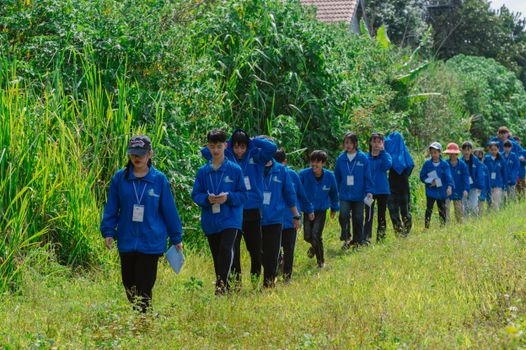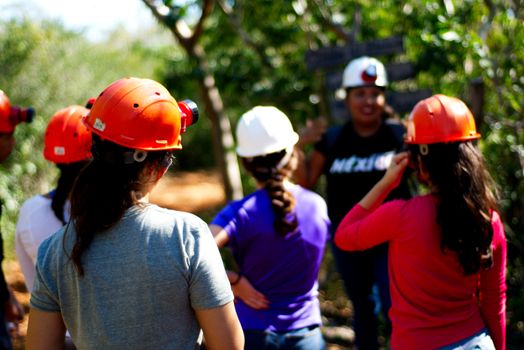
We’ve all seen the glossy travel brochures: pristine beaches, iconic landmarks, perfectly posed selfies. And don’t get me wrong, I love a good beach vacation as much as the next person. But there’s a different kind of travel, one that goes deeper than souvenir shopping and photo ops. It’s the kind that challenges you, expands your mind, and leaves an indelible mark on your soul. I’m talking about educational trips that feel like adventures, the kind that don't just add stamps to your passport, but truly change your life forever.
I used to think "educational travel" meant stuffy museum tours or study abroad programs primarily focused on textbooks. My first real eye-opener came during a particularly uninspiring year in college, feeling adrift and disconnected from the world. I craved something real, something tangible. That’s when I stumbled upon an opportunity that promised to combine my love for the outdoors with a passion for history – an archaeological field school in the deserts of Jordan. I packed my bags, half-terrified, half-ecstatic, and stepped onto a plane that would carry me not just across continents, but into a completely new understanding of myself and the world. Since then, I’ve chased that feeling, seeking out experiences that blend learning with adrenaline, culture with challenge, and curiosity with adventure.
Here are five such journeys that didn't just teach me things, but fundamentally transformed my perspective and set me on a path I never imagined.
1. Unearthing Ancient Worlds: An Archaeological Dig in Petra, Jordan
The Adventure:
My first foray into truly transformative travel took me to the windswept deserts surrounding Petra, Jordan. Forget the tourist throngs at the Treasury; our team was working on an active excavation site, a lesser-known Nabataean settlement miles away from the main Siq. Every morning, before the sun scorched the earth, we'd hike to our trenches, pickaxes and trowels in hand. The days were long, dusty, and physically demanding, but the sheer thrill of unearthing pottery shards, ancient tools, or even a piece of mosaic that hadn't seen daylight in two millennia was electrifying.
One unforgettable afternoon, I was carefully brushing away centuries of sand from what looked like a collapsed wall. Suddenly, my trowel hit something hard and smooth. My supervisor, Dr. Elena, rushed over, her eyes gleaming. We spent hours meticulously excavating, and by sundown, we had uncovered a perfectly preserved, intricate stone carving – a depiction of a Nabataean deity. The feeling of connecting directly with an ancient civilization, holding a piece of their story in my own hands, was overwhelming. It wasn't just history; it was my history, a shared human narrative stretching back through time.
The Education:
Beyond the thrill of discovery, I learned the meticulous art of archaeological fieldwork: stratigraphy, typology, surveying, and conservation. I studied Nabataean language basics, desert ecology, and the complex geopolitics of the Middle East. Evenings were spent under a blanket of stars, listening to Bedouin stories around a crackling fire, learning about their nomadic traditions and deep connection to the land. I learned Arabic phrases, shared endless cups of sweet tea, and discovered a hospitality that melted away any preconceived notions I might have had.
Practical Tips & Details:
* How to Find It: Look for university-affiliated field schools (e.g., American Schools of Oriental Research, Council for British Research in the Levant) or specialized archaeological tour operators. Many require no prior experience.
* Cost: Expect to pay anywhere from $2,000 - $5,000+ for a 3-4 week program, covering tuition, accommodation, and food. Flights are extra. My program cost around $3,500 for a month.
* What to Pack: Sturdy hiking boots, wide-brimmed hat, lightweight long-sleeved clothing for sun protection, good quality sunscreen, a headlamp, and a reusable water bottle.
* Life-Changing Takeaway: This trip taught me patience, resilience, and the profound interconnectedness of humanity across millennia. It ignited a passion for understanding different cultures and challenged my comfort zone in the most exhilarating way. Every dust particle held a story.
2. Diving into Conservation: Marine Biology & Coral Restoration in Fiji
The Adventure:
After the deserts, I yearned for the ocean. My next adventure took me to a remote island in Fiji, where I joined a marine conservation project focused on coral reef restoration. Imagine waking up to the sound of waves, spending your days freediving or snorkeling in crystal-clear waters, identifying fish species, and transplanting coral fragments onto damaged reefs. It was a physical and mental challenge, requiring hours underwater, learning to monitor marine life, and understanding the delicate balance of the ecosystem.
One particular dive stands out. We were planting coral "trees" in a nursery, carefully attaching small fragments to submerged structures. A massive manta ray, graceful and silent, glided past us, its enormous wings seemingly waving a greeting. It was a moment of pure magic, a stark reminder of the incredible beauty we were working to protect. Later that week, we helped local villagers establish a new "no-take" zone, educating them on sustainable fishing practices. Seeing their understanding grow, and knowing we were empowering them to protect their own resources, felt incredibly rewarding.
The Education:
This wasn't just about pretty fish. I learned about marine biology, coral reef ecology, sustainable fisheries management, and the devastating impact of climate change on ocean ecosystems. I gained practical skills in underwater identification, coral propagation techniques, and data collection. Beyond the science, I immersed myself in Fijian culture, living in a traditional village for part of my stay. I learned to weave mats, participate in kava ceremonies, and understand the deep spiritual connection the Fijian people have with their natural environment. Their concept of "Mana" – a powerful spiritual force – truly resonated.
Practical Tips & Details:
* How to Find It: Organizations like GVI, Projects Abroad, or local university research programs often offer volunteer opportunities. Look for projects with strong community engagement and scientific oversight.
* Cost: Volunteer programs can range from $1,500 - $4,000+ for 2-4 weeks, covering accommodation, food, and project fees. Flights are additional. My program was about $2,800 for three weeks.
* What to Pack: Reef-safe sunscreen, rash guard, quick-dry clothing, sturdy water shoes, snorkel gear (though usually provided), and an open mind for cultural immersion.
* Life-Changing Takeaway: This experience instilled in me a profound sense of environmental stewardship and the power of community action. It taught me that every small effort counts and that protecting our planet requires both scientific understanding and deep cultural respect.
3. Savoring Culture & Cuisine: A Culinary Journey in Bologna, Italy
The Adventure:
For those who believe learning should be delicious, a culinary immersion is the ultimate educational adventure. I chose Bologna, the gastronomic heart of Italy, for a two-week deep dive into regional cuisine. This wasn't just about eating (though there was plenty of that!). It was about understanding the history, tradition, and artistry behind Italian food. Every morning started with a visit to the bustling Mercato delle Erbe, learning to select the freshest ingredients. Afternoons were spent in hands-on cooking classes, kneading pasta dough, simmering ragù, and perfecting tiramisu.
My most memorable moment was a truffle hunting expedition in the Apennine foothills. Guided by a local "tartufaio" and his incredibly skilled dog, Luna, we scoured the forest floor. The thrill of Luna sniffing out a hidden truffle, the earthy aroma when it was unearthed, and then the pure joy of grating it over fresh pasta back at the farmhouse was unparalleled. It was an adventure for the senses, connecting me to the land and its culinary treasures in a visceral way.
The Education:
I learned the nuances of regional Italian cooking, from Emilia-Romagna's rich pasta sauces to Tuscany's robust flavors. I understood the importance of terroir – how the land shapes the food – and the slow food movement. Beyond the kitchen, I learned about Italian history through its cuisine, the social rituals around meals, and even picked up conversational Italian phrases from my passionate instructors and market vendors. We toured local Parmigiano Reggiano dairies, balsamic vinegar producers, and prosciutto factories, gaining an appreciation for the craftsmanship and tradition.
Practical Tips & Details:
* How to Find It: Look for specialized cooking schools (e.g., Bologna Culinary Institute, local agriturismos offering workshops) or tour operators focused on culinary experiences.
* Cost: A multi-day culinary program can range from $1,000 - $4,000+, depending on duration, inclusions (accommodation, excursions), and intensity. My two-week program with accommodation and most meals was about $2,500.
* What to Pack: Comfortable walking shoes, an apron, a notebook for recipes, and an empty stomach!
* Life-Changing Takeaway: This trip transformed my relationship with food. It taught me patience, the joy of creating with my hands, and the incredible power of food to connect people, tell stories, and preserve culture. It reinforced that learning can be incredibly sensual and deeply satisfying.
4. Trekking Through Time: Indigenous Culture & Andean Traditions in Peru
The Adventure:
Seeking a different kind of cultural immersion, I ventured into the Sacred Valley of Peru, combining a multi-day trek with a homestay in a remote Quechua-speaking village. The trekking itself was an adventure – high altitudes, challenging trails, and breathtaking views of snow-capped peaks and ancient Inca ruins. But the true adventure began when we left the main tourist routes and were welcomed into a small, traditional community. We lived with a local family, sharing their modest home, their meals, and their daily rhythms.
One morning, our host, Mama Clara, took me to her fields, high on a terraced mountainside. We spent hours planting potatoes, using traditional tools and methods passed down through generations. The work was hard, but the camaraderie and the stunning mountain backdrop made it feel less like labor and more like a sacred ritual. Later, she taught me to spin alpaca wool and dye it with natural pigments, explaining the symbolism behind each color and pattern. These were not just skills; they were living traditions, connecting me to a heritage stretching back millennia.
The Education:
This was an education in resilience, community, and the profound wisdom of indigenous cultures. I learned about sustainable farming practices, traditional medicine, the spiritual significance of the Andes, and the intricacies of the Quechua language. I heard ancient myths and legends directly from elders, gaining a deep respect for their oral traditions and their harmonious relationship with Pachamama (Mother Earth). I also gained a stark understanding of the challenges these communities face in the modern world, and the importance of preserving their unique way of life.
Practical Tips & Details:
* How to Find It: Look for ethical tour operators specializing in community-based tourism (e.g., G Adventures, Intrepid Travel often have options, or smaller local NGOs). Ensure your money directly benefits the community.
* Cost: A 10-14 day trip combining trekking and homestay could range from $1,500 - $3,000+, excluding international flights. My 12-day trip including the trek and 3-day homestay was about $2,000.
* What to Pack: Layered clothing for varying temperatures, sturdy hiking boots, a good daypack, water purification tablets, a small gift for your host family (e.g., school supplies, non-perishable food), and an open heart.
* Life-Changing Takeaway: This experience taught me the true meaning of gratitude, simplicity, and the richness of a life lived in harmony with nature and community. It shattered my ethnocentric views and instilled a deep appreciation for indigenous knowledge systems.
5. Wilderness Survival & Bushcraft: A Backcountry Immersion in British Columbia, Canada
The Adventure:
My most recent transformative adventure took me deep into the temperate rainforests and mountains of British Columbia for a week-long wilderness survival and bushcraft course. This was pure, unadulterated adventure, pushing my physical and mental limits. We learned to build shelters from natural materials, purify water, forage for edible plants, track animals, and start fires without matches or lighters. Every step was a lesson in self-reliance and observation.
The pinnacle of the course was a 48-hour solo "sit-out." We were dropped off at separate, remote locations with only a knife, a tarp, and a small pot. The goal: survive and thrive using only what we had learned. That first night, huddled in my hastily built debris hut, listening to the sounds of the forest, was both terrifying and exhilarating. I felt utterly vulnerable yet incredibly connected to the primal forces of nature. Finding water, building a fire, and cooking a meager but satisfying meal felt like monumental achievements.
The Education:
This was an education in practical skills, natural sciences, and inner strength. I learned about local flora and fauna, meteorology, navigation by stars and sun, and advanced first aid. More profoundly, I learned about my own capabilities and limitations. I discovered a deep well of resilience I didn't know I possessed. The instructors, seasoned wilderness experts, taught not just skills but a philosophy of respect for the land and a deep understanding of ecological principles.
Practical Tips & Details:
* How to Find It: Look for reputable wilderness schools (e.g., Outward Bound, local bushcraft academies) that offer multi-day immersion courses. Read reviews and ensure instructors are certified.
* Cost: A 5-7 day course can range from $1,000 - $2,500+, usually including equipment use, food, and instruction. My 7-day course was around $1,800.
* What to Pack: Durable outdoor clothing (layers!), waterproof gear, a good quality knife, compass, map, first-aid kit, and an unshakeable desire to learn.
* Life-Changing Takeaway: This experience stripped away the superficial and reconnected me to my primal instincts. It taught me self-reliance, observation, and a profound respect for the wild. It showed me that true strength comes from within and from understanding our place in the natural world.
---
Ready to Embark on Your Own Life-Changing Learning Adventure?
These five trips are just a glimpse into the incredible world of educational adventures. They weren't just vacations; they were investments in myself, experiences that sculpted my character, broadened my horizons, and gave me a deeper understanding of the world and my place within it.
My top tips for finding your own transformative journey:
- Identify Your Passion: What truly excites you? History, wildlife, cooking, languages, survival skills? Start there.
- Research Reputable Organizations: Look for universities, NGOs, or specialized tour operators with strong ethical guidelines and clear educational objectives. Read reviews!
- Be Flexible & Open-Minded: Some of the best lessons come from unexpected challenges and cultural differences. Embrace the discomfort; that's where growth happens.
- Budget Smart: These trips can be an investment, but many organizations offer scholarships, payment plans, or fundraising advice. Consider combining travel with volunteering to reduce costs.
- Go Beyond the Surface: Engage with locals, ask questions, listen more than you speak. True learning happens in connection.
Don't just travel to see; travel to learn, to grow, to be challenged. Step out of your comfort zone and into an adventure that will not only educate you but fundamentally change the way you see the world, and yourself, forever.
What's your dream educational adventure? Share your ideas or past experiences in the comments below!
---