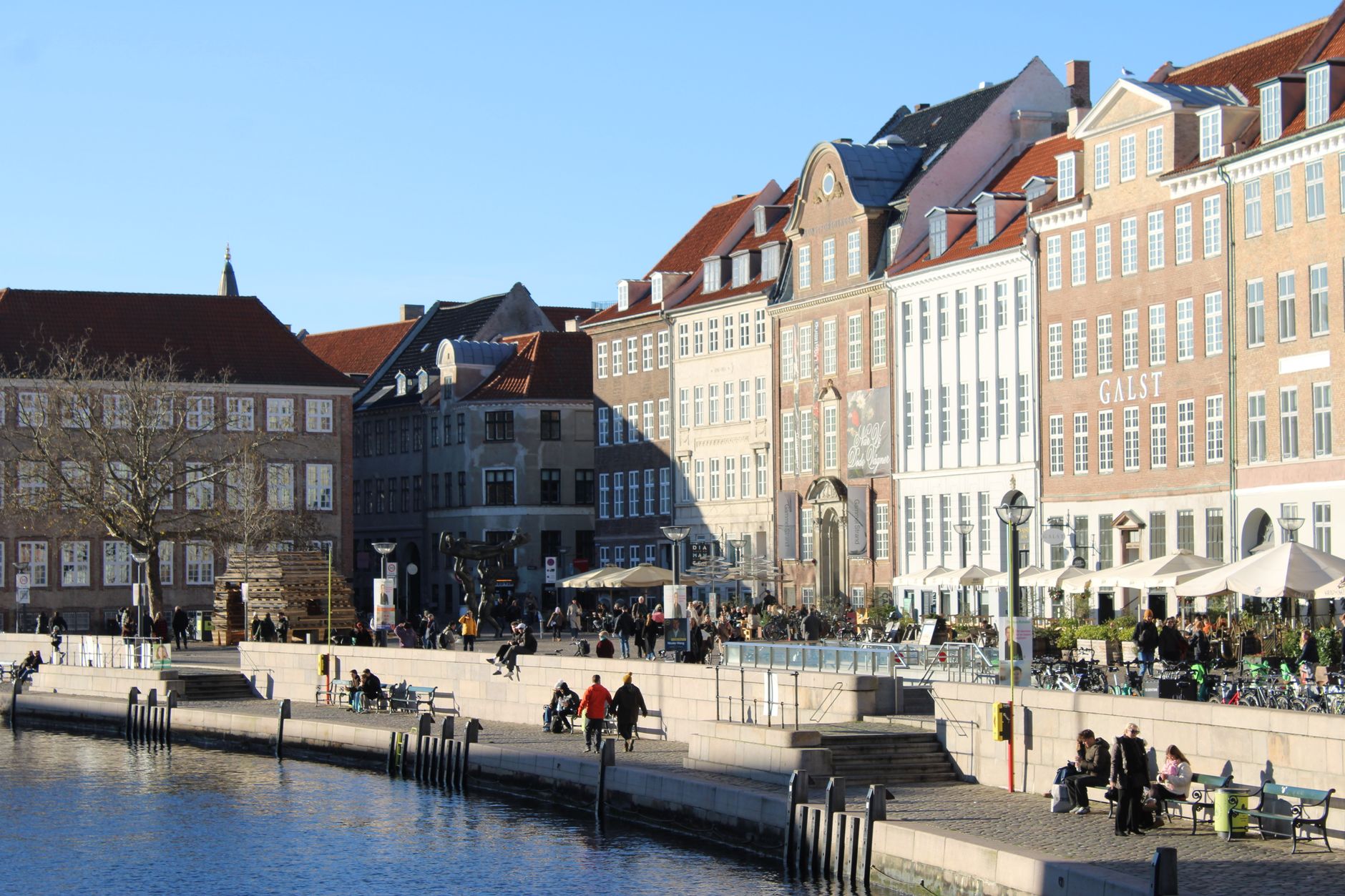
Following a well-planned 3 days in Copenhagen itinerary allows you to experience the best of the Danish capital without rushing. This schedule balances grand royal history, modern Scandinavian architecture, exceptional food, and the distinct local culture across three walkable, transit-friendly days.
| Feature | Details |
|---|---|
| Trip Length | 3 Days / 3 Nights |
| Daily Budget (Mid-Range) | Approx. £110–£170 per person (excluding accommodation) |
| Transit Setup | City Pass Small (zones 1–4) or Copenhagen Card |
| Best Travel Season | May to September for warm daylight; December for festive markets |
| Key Transport | Metro (M1–M4), S-train, regional trains, and rental bicycles |
Itinerary at a Glance
| Day | Morning | Afternoon | Evening |
|---|---|---|---|
| Day 1: Historic Core & Waterfront | Nyhavn & Canal Tour from Ved Stranden | Amalienborg Palace & Kastellet | Torvehallerne food hall & Indre By dinner |
| Day 2: Castles, Culture & Historic Gardens | Rosenborg Castle & King's Garden | Christiansborg Palace & Strøget | Tivoli Gardens evening visit |
| Day 3: Design, Maritime Quarters & Modern Food | Christianshavn & Church of Our Saviour | Danish Architecture Center & Meatpacking District | Vesterbro dining and craft beer |
Where to Stay in Copenhagen
Copenhagen is divided into distinct neighbourhoods, each connected to the centre by the automated metro network. Choose your base based on your travel priorities:
- Indre By (Old Town): The most central location. Staying here places you within walking distance of major historic sites, Strøget, and main transport hubs. Accommodation costs are generally highest here.
- Vesterbro: Located just west of Central Station, this former industrial area offers independent design stores, hip cafés, and the Meatpacking District. It suits travellers seeking evening dining and bars.
- Nørrebro: North of the central lakes, Nørrebro is known for multicultural dining, antique shops on Ravnsborggade, and craft breweries. It is typically more affordable and well connected via the M3 metro line.
- Christianshavn: A neighbourhood defined by seventeenth-century canals, houseboats, and cobbled alleys. It provides a peaceful base a short walk from downtown across the Inderhavnsbroen footbridge.
Getting Around Copenhagen
Copenhagen features one of the world's most reliable and comprehensive public transport systems. The automated Metro runs 24 hours a day, seven days a week. The M3 Cityringen line circles the central neighbourhoods, while the M1 and M2 connect central stations to outer boroughs and the airport.
To reach the city centre from Copenhagen Airport (Kastrup), take the M2 metro directly to Kongens Nytorv (approx. 13 minutes) or a regional train directly to Copenhagen Central Station (approx. 15 minutes). Single tickets cost approx. £3.50, but a City Pass Small covers unlimited travel in zones 1 to 4 for 72 hours at approx. £24. Note that transport prices fluctuate slightly; check official ticketing platforms such as DOT before travelling.
Bicycles are the primary method of local transport. The city features elevated cycle tracks and dedicated traffic signals. You can rent a bicycle from street apps or local rental shops for approx. £12–£18 per day. Only rent a bicycle if you feel comfortable following strict local cycling etiquette and hand signalling rules.
Day 1: Historic Core and Waterfront
Morning: Nyhavn and Canal Tour
Begin your trip at Nyhavn, the seventeenth-century waterfront lined with townhouses painted in deep ochre, rust, and yellow. Arriving before 09:00 allows you to photograph the classic harbour scene without midday tour groups.
Book tickets and tours: Canal Tour
From Nyhavn, walk five minutes across to Ved Stranden to board an electric canal tour. The standard boat excursion takes approx. 60 minutes and passes Christiansborg, the Royal Danish Opera House, and the classic harbour forts. Tours cost approx. £12–£15. It gives an orienting perspective on how water defines the city's urban layout.
Afternoon: Amalienborg and Kastellet
After your boat tour, walk north along the harbour promenade for 15 minutes to Amalienborg Palace, the official winter residence of the Danish Royal Family. If you arrive by 12:00, you can observe the changing of the Royal Guard in the central octagonal courtyard. Step inside the Amalienborg Museum (entry approx. £14) to view preserved royal interiors.
Book tickets and tours: Amalienborg
Continue walking north along the waterfront for another 12 minutes to Kastellet, one of Northern Europe's best-preserved star fortresses. The grounds remain an active military installation but serve as a public park with tree-lined earth ramparts and a historic windmill. Just off the coastal path outside the fortress sits The Little Mermaid statue; expect crowds, as it is a standard coach stop.
Pro tip: Skip waiting for a close photo with The Little Mermaid. The walk through the ramparts of Kastellet and past St. Alban's Church is significantly more rewarding.
Evening: Torvehallerne and Indre By
From Kastellet, walk 20 minutes inland (or take the M4 from Østerport to Nørreport) to Torvehallerne, a twin-hall covered glass food market. This is the ideal place to sample traditional Danish smørrebrød—open-faced rye bread sandwiches topped with pickled herring, roast beef, or fresh Greenland prawns. A high-quality smørrebrød lunch costs approx. £9–£14 per piece.
Book tickets and tours: Torvehallerne
Spend your evening strolling the illuminated lanes of Indre By. Dine at a traditional Danish tavern (kro) for classic dishes like frikadeller (meatballs) or pork roast with crackling, typically costing approx. £22–£32 for a main course.
Day 2: Castles, Culture, and Historic Gardens
Morning: Rosenborg Castle and King's Garden
Start your second day at Rosenborg Castle, situated in Kongens Have (The King's Garden). Built in the early seventeenth century by King Christian IV as a summer palace, this Dutch Renaissance residence houses the Danish Crown Jewels and royal regalia.
Book tickets and tours: Rosenborg Castle
Reserve an entry ticket online in advance (entry approx. £16) to secure an early slot. Inside, explore the Long Hall with its silver coronation thrones and three life-sized silver lions. Afterwards, walk through the surrounding King's Garden, the oldest royal garden in the country.
Afternoon: Christiansborg Palace and Strøget
Walk 15 minutes south through the city centre to Slotsholmen, an island in central Copenhagen that serves as the seat of the Danish Parliament (Folketinget), the Supreme Court, and the Ministry of State. The complex at Christiansborg Palace offers access to the Royal Reception Rooms, the Royal Stables, and the sub-surface ruins of the earlier medieval castles built on this site.
Book tickets and tours: Christiansborg Palace
Climb or take the lift up the Christiansborg Tower (entry is free; subject to security queues) for sweeping views across the red roofs of Copenhagen and across the Øresund toward Sweden.
After leaving Slotsholmen, navigate through the historic pedestrian street Strøget and its quieter adjacent lanes, Gråbrødretorv and Læderstræde. Stop at a local bakery to try a traditional kanelsnegl (cinnamon roll) or spandauer (Danish pastry filled with custard), usually costing approx. £3–£5.
Evening: Tivoli Gardens
Walk 10 minutes west to Tivoli Gardens, which opened in 1843 and remains one of the world's oldest operating amusement parks. Tivoli combines historic architecture, seasonal landscaping, dining pavilions, and classic wooden roller coasters.
Book tickets and tours: Tivoli Gardens
General admission costs approx. £18–£20 (ride passes sold separately). Tivoli is best experienced at dusk when thousands of garden lanterns illuminate the walkways and pagoda buildings. Have dinner within the gardens or visit the Tivoli Food Hall next door, which offers varied food stalls ranging from smørrebrød to wood-fired flatbreads (meals approx. £12–£22).
Day 3: Design, Maritime Quarters, and Modern Food
Morning: Christianshavn and Church of Our Saviour
Cross the inner harbour to Christianshavn by walking over the Inderhavnsbroen footbridge or taking the M2 metro directly to Christianshavn Station. Built in the 1600s inspired by Amsterdam, this area is framed by peaceful canals lined with residential sailing boats.
Book tickets and tours: Our Saviour
Visit the Church of Our Saviour (Vor Frelsers Kirke), famous for its external corkscrew spire. If conditions allow and you do not mind heights, climb the 400 steps (the last 150 run along the outside of the golden spire) for panoramic views of the city (entry approx. £8–£11, booking required online). Spend remaining morning time walking through the nearby commune of Freetown Christiania, noting its unique self-built architecture and green paths.
Pro tip: When visiting Freetown Christiania, respect local community rules: do not run, avoid filming or taking photos near the central stall areas, and stick to the paved public paths.
Afternoon: Danish Architecture Center and Meatpacking District
Cross back toward the centre via the Lille Langebro pedestrian bridge to visit BLOX, home of the Danish Architecture Center (DAC, entry approx. £14). Denmark's global influence on modern urbanism, furniture design, and sustainable building is comprehensively presented here.
Book tickets and tours: Danish Architecture Center
From BLOX, take bus 7A or walk 20 minutes west to Kødbyen, Copenhagen's Meatpacking District in Vesterbro. The original white- and brown-brick industrial buildings have been repurposed into art galleries, craft cocktail spaces, sourdough bakeries, and modern restaurants.
Evening: Vesterbro Dining and Local Beers
Conclude your 3 days in Copenhagen itinerary with dinner in Vesterbro. The Meatpacking District contains several established culinary staples offering fresh North Sea seafood, organic sourdough pizzas, and contemporary Nordic share plates. A three-course dinner typically ranges between approx. £45 and £75 per person excluding drinks.
Book tickets and tours: Vesterbro Dining
End the night by sampling local Danish beer at one of the craft taprooms along Istedgade or Sønder Boulevard, where local microbreweries showcase seasonal pale ales and wild-fermented sours (approx. £7–£10 per glass).
Common Mistakes to Avoid in Copenhagen
- Walking in the cycle lanes: Cycle tracks sit between the pavement and the road. Stepping into them without looking can cause serious accidents; cyclists ride fast and have the right of way.
- Buying single-journey transit tickets: Purchasing individual tickets for every bus or metro ride is expensive. Buy a multi-day pass or a Copenhagen Card instead.
- Relying on cash: Copenhagen is practically a cashless society. Small kiosks, market stalls, and public transport operators almost universally prefer contactless card or smartphone payments.
- Eating exclusively around Nyhavn: While having a drink along the canal is picturesque, waterfront dining in Nyhavn is heavily marked up. Walk two streets back into the city centre or head to Torvehallerne for far higher culinary quality.
- Not booking restaurants in advance: Copenhagen is a major European dining capital. Casual and mid-range favourites often fill up reservations two to four weeks ahead of time.
Plan Your Trip
Customise this route to match your personal travel pace, budget, and culinary wishlist with our interactive planner. Start building your detailed, day-by-day travel plan today on TripBuilder.
Frequently asked questions
Is 3 days enough time to visit Copenhagen?
Three days is an ideal timeframe to see Copenhagen's historic palaces, major museums, and waterfront highlights at a comfortable pace. Because the city centre is compact and public transport runs efficiently, you can explore several distinct neighbourhoods in seventy-two hours.
How much money do you need for 3 days in Copenhagen?
A mid-range traveller should budget approximately £110 to £170 per day, excluding accommodation, to cover sit-down meals, public transport, and museum admissions. Copenhagen is one of Europe's more expensive capital cities, though visiting food halls and walking can lower costs.
Is the Copenhagen Card worth it for 3 days?
The Copenhagen Card is worth buying if you intend to visit three or more paid attractions per day, such as Rosenborg Castle, Tivoli Gardens, and canal tours. It covers admission to over 80 sights and includes unlimited use of all regional public transport.
What is the best month to visit Copenhagen?
May through September offers the most pleasant conditions, with long daylight hours, open outdoor seating, and canal swimming. If you prefer seasonal holiday lights and festive markets, early to mid-December is an atmospheric alternative despite shorter days and cold weather.
Do people speak English in Copenhagen?
Yes, the vast majority of Danes speak fluent English, especially in hospitality, retail, and public transport. Menus, museum exhibits, and transit announcements are widely available in both Danish and English.


