Kyoto, Japan's ancient capital, offers a profound cultural experience with its thousands of temples, traditional gardens, and historic wooden machiya houses. To truly appreciate its unique charm, a well-planned 4 days in Kyoto itinerary is ideal, balancing iconic landmarks with serene moments of discovery. This guide provides a practical, day-by-day plan to help you navigate Kyoto efficiently and make the most of your visit.
Kyoto: Itinerary at a Glance
| Category | Details |
|---|---|
| Best Time to Visit | Spring (March-May) for cherry blossoms; Autumn (October-November) for vibrant foliage. Avoid Golden Week (early May) and Obon (mid-August) due to crowds. |
| Typical Costs (per day, approx.) | Budget: £50-£80; Mid-range: £80-£150; Luxury: £150+. (Excludes accommodation. Check current prices.) |
| How to Get There | Most international travellers arrive at Kansai International Airport (KIX), then take the Haruka Express train to Kyoto Station (approx. 75-80 minutes). |
| Getting Around | Excellent bus and subway networks. Walking is essential for exploring districts. Taxis are available but more expensive. |
| Language | Japanese. English signage is common at major tourist sites and transport hubs. |
| Currency | Japanese Yen (JPY). Credit cards are widely accepted, but cash is useful for smaller establishments. |
Day 1: Historic Higashiyama and Gion's Charm
Morning: Iconic Kiyomizu-dera and Traditional Streets
Begin your Kyoto exploration in the Higashiyama district, home to some of the city's most beloved temples and traditional streets. Start early at Kiyomizu-dera Temple, a UNESCO World Heritage site famous for its wooden stage offering panoramic views of Kyoto. The temple complex is expansive, so allow ample time to explore its various halls and shrines.
Book tickets and tours: Iconic Kiyomizu-dera
Afterwards, descend through the charming, pedestrian-only lanes of Sannenzaka and Ninenzaka. These beautifully preserved streets are lined with traditional wooden shops selling local crafts, sweets, and souvenirs. It's a perfect place for a leisurely stroll and to soak in the atmosphere of old Kyoto.
Pro tip: Arrive at Kiyomizu-dera just after opening (typically 6:00 AM) to experience the temple with fewer crowds and enjoy the tranquil morning light.
Afternoon: Zen Gardens and Gion Exploration
From Higashiyama, make your way towards the Yasaka Shrine and Maruyama Park. Consider visiting Kodai-ji Temple, known for its exquisite rock garden and elegant bamboo grove, offering a quieter alternative to Arashiyama's famous grove. It's a short walk from the Sannenzaka area.
Book tickets and tours: Zen Gardens
Later, delve into Gion, Kyoto's most famous geisha district. Wander through its narrow streets, particularly Hanamikoji-dori, where you might catch a glimpse of geiko (Kyoto geisha) or maiko (apprentice geisha) heading to appointments, especially around dusk. Explore the Shirakawa Canal area for its picturesque willow trees and traditional teahouses.
Evening: Dining in Pontocho
For dinner, head to Pontocho Alley, a narrow, atmospheric lane running parallel to the Kamo River. It's renowned for its traditional restaurants and bars, many offering views of the river. You can find a range of Kyoto cuisine, from sushi and tempura to yakitori. Expect to pay approx. £25-£60 per person for a good meal. Remember to check current prices and make reservations for popular spots.
Book tickets and tours: Dining
Day 2: Arashiyama's Bamboo and the Golden Pavilion
Morning: Arashiyama's Natural Beauty
Dedicate your morning to exploring the scenic Arashiyama district in western Kyoto. Start with the iconic Arashiyama Bamboo Grove, walking its ethereal path. Plan to arrive early to avoid the busiest times, as it can get very crowded.
Book tickets and tours: Arashiyama's Natural Beauty
Adjacent to the bamboo grove is Tenryu-ji Temple, another UNESCO World Heritage site featuring a magnificent landscape garden that dates back to the 14th century. Take your time to stroll through its serene grounds. Afterwards, walk across the picturesque Togetsukyo Bridge, offering beautiful views of the Hozugawa River and the surrounding mountains.
Afternoon: Golden Splendor of Kinkaku-ji
After lunch in Arashiyama (the main street has many eateries offering local specialities like yuba tofu or soba noodles), take a bus or train to northern Kyoto to visit Kinkaku-ji, the Golden Pavilion. This stunning Zen temple, completely covered in gold leaf, is one of Kyoto's most recognisable landmarks. The reflection of the pavilion in the surrounding pond is particularly captivating.
Book tickets and tours: Golden Splendor
Transit from Arashiyama to Kinkaku-ji usually involves a train ride to a central Kyoto station (e.g., Emmachi) followed by a short bus ride, taking approximately 30-40 minutes in total.
Evening: Central Kyoto Dining
Return to central Kyoto for dinner. The areas around Kyoto Station, Kawaramachi, and Shijo-Karasuma offer a vast array of dining options, from casual izakayas to upscale restaurants. Consider trying Kyoto-style ramen or exploring the department store food halls for diverse culinary experiences.
Book tickets and tours: Central Kyoto Dining
Day 3: Fushimi Inari's Gates and Central Kyoto Culture
Morning: Fushimi Inari Taisha's Thousand Gates
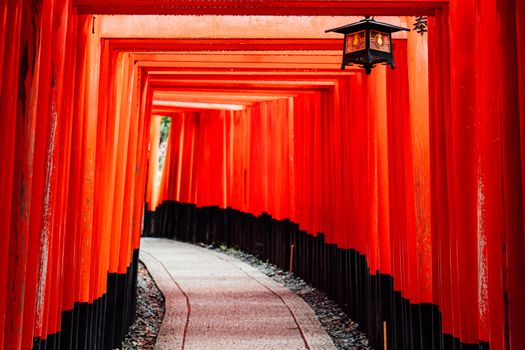
Start your day early with a visit to Fushimi Inari Taisha, the head shrine of the god Inari, famous for its thousands of vibrant orange torii gates that snake up Mount Inari. Walking through these gates is an unforgettable experience. The entire loop to the summit and back takes about 2-3 hours, but you can turn back at any point.
Book tickets and tours: Fushimi Inari Taisha's Thousand G…
Pro tip: The lower sections of Fushimi Inari are the busiest. Continue walking beyond the initial dense rows of gates for a quieter, more reflective experience and stunning views of Kyoto.
Afternoon: Nishiki Market and Nijo Castle
From Fushimi Inari, take a short train ride back to central Kyoto and head to Nishiki Market, often called "Kyoto's Kitchen." This bustling covered market is a fantastic place to sample local street food, fresh produce, and unique Kyoto delicacies. Enjoy a casual lunch here, trying various snacks like takoyaki, matcha sweets, or pickled vegetables.
Book tickets and tours: Nishiki Market
In the afternoon, visit Nijo Castle, another UNESCO World Heritage site. This flatland castle was built in 1603 as the Kyoto residence of the Tokugawa Shoguns. Explore its magnificent Ninomaru Palace, famous for its "nightingale floors" designed to squeak and alert guards to intruders, and its beautiful gardens.
Evening: Traditional Kyoto Dining
Consider a traditional Kyoto dining experience. Areas like Gion or Pontocho offer exquisite multi-course kaiseki meals, though these can be pricey (approx. £80-£200+ per person). Alternatively, explore the diverse options in the Kawaramachi area for more casual but equally delicious meals, perhaps trying a teppanyaki or shabu-shabu restaurant.
Book tickets and tours: Traditional Kyoto Dining
Day 4: Northern Kyoto's Serenity and Departure
Morning: Philosopher's Path and Ginkaku-ji
Spend your final morning in the serene northern part of Kyoto. Begin with a stroll along the Philosopher's Path (Tetsugaku no Michi), a pleasant stone path alongside a canal lined with cherry trees (especially beautiful in spring). It connects Ginkaku-ji to Nanzen-ji, though for this itinerary, we'll focus on the northern end.
Book tickets and tours: Philosopher's Path
At the northern end of the path is Ginkaku-ji, the Silver Pavilion. While not actually silver, its understated elegance, meticulously raked sand garden (Sea of Silver Sand), and moss garden are a stark contrast to Kinkaku-ji's opulence and offer a tranquil experience.
Afternoon: Zen Gardens or Cultural Experience
From Ginkaku-ji, you can take a bus to Ryoan-ji Temple, home to Japan's most famous rock garden. The minimalist design of 15 carefully placed rocks on a bed of white gravel offers a profound Zen experience. Nearby is Daitoku-ji Temple, a large complex with several sub-temples, many featuring beautiful gardens and tea houses, offering a less crowded experience than some other major sites.
Alternatively, if you prefer a more interactive experience, consider participating in a traditional Japanese tea ceremony, available at various locations throughout Kyoto. Many studios also offer workshops in traditional crafts like pottery or dyeing.
Evening: Last Souvenirs and Farewell Dinner
Depending on your departure schedule, use your late afternoon or evening for some last-minute souvenir shopping around Kyoto Station or the Kawaramachi area. Enjoy a final Kyoto meal, perhaps revisiting a favourite dish or trying something new before heading to the airport or your next destination.
Where to Stay in Kyoto
Kyoto offers a range of accommodation options, each with its own advantages:
- Kyoto Station Area: Ideal for convenience, especially if you plan day trips or have an early departure. Excellent transport links, many hotels, and dining options. Can feel a bit modern and less traditional.
- Gion/Kawaramachi Area: Perfect for those seeking a traditional atmosphere and evening entertainment. Close to many sights, restaurants, and shopping. Accommodation can range from traditional ryokans to modern hotels.
- Central Kyoto (Shijo-Karasuma): A good balance of convenience and local feel. Excellent subway access, close to Nishiki Market, and a wide array of dining and shopping. Offers a mix of business hotels and boutique options.
- Arashiyama: Great for a more relaxed, scenic stay, especially if you want to be immersed in nature. Fewer options and further from central Kyoto's nightlife.
Getting Around Kyoto
Kyoto has an efficient public transport system that makes navigating the city straightforward:
- Buses: The primary mode of transport for tourists, reaching most major attractions. Purchase a one-day bus pass (approx. £5) if you plan to use buses frequently.
- Subway: Two main lines (Karasuma and Tozai) that cross the city. Useful for longer distances and avoiding traffic.
- Trains: JR lines and private railways (Hankyu, Keihan, Randen) connect different districts and are excellent for reaching areas like Arashiyama and Fushimi Inari.
- Walking: Many districts, like Higashiyama and Gion, are best explored on foot. Wear comfortable shoes.
- Taxis: Readily available but more expensive. Useful for short distances or when public transport is less convenient.
Common Mistakes to Avoid
- Over-scheduling: Kyoto has many temples; trying to see too many in one day leads to burnout. Focus on quality over quantity.
- Not booking accommodation in advance: Especially during peak seasons (cherry blossom, autumn foliage), hotels fill up quickly and prices rise.
- Underestimating travel time: While efficient, buses can get stuck in traffic, and transferring between different train lines can take time.
- Disrespecting local customs: Be mindful of noise levels in quiet areas, remove shoes when entering temples or traditional homes, and avoid photographing geiko/maiko without permission.
- Ignoring the weather: Kyoto summers are hot and humid, winters can be cold. Pack appropriate clothing.
Plan your trip
This 4-day Kyoto itinerary provides a solid foundation for an incredible journey. To tailor it precisely to your interests and pace, consider using TripBuilder to create a personalised, day-by-day plan.
Frequently asked questions
Is 4 days enough for Kyoto?
Four days is an excellent amount of time to experience Kyoto's main attractions, including iconic temples, gardens, and traditional districts, without feeling rushed. It allows for a good balance of sightseeing and cultural immersion.
What is the best way to get around Kyoto?
The most efficient way to get around Kyoto is by combining its extensive bus network with the subway system. For specific areas like Higashiyama or Gion, walking is essential.
What are the must-see attractions in Kyoto?
Key attractions include Kiyomizu-dera Temple, Fushimi Inari Taisha, Kinkaku-ji (Golden Pavilion), Arashiyama Bamboo Grove, and the Gion geisha district. Nijo Castle and Ginkaku-ji (Silver Pavilion) are also highly recommended.
What kind of food should I try in Kyoto?
Kyoto is known for its refined cuisine, including kaiseki (traditional multi-course dinner), yuba (tofu skin), matcha sweets, and various types of ramen and udon. Nishiki Market is excellent for trying local street food and snacks.
Do I need cash in Kyoto?
While credit cards are widely accepted in larger hotels, restaurants, and shops, it's advisable to carry some cash for smaller establishments, street vendors, and public transport passes. ATMs are readily available.