For most travellers, three to five days is the ideal answer to how many days in Copenhagen you'll need to capture the city's essence without feeling rushed. This allows for a comprehensive exploration of major landmarks, a taste of local culture, and perhaps a leisurely day trip. However, Copenhagen offers rewarding experiences whether you have a single day or a full week, with different priorities depending on your available time.
Copenhagen Quick Facts
| Category | Details |
|---|---|
| Recommended Stay | 3-5 days for a comprehensive visit |
| Best Time to Visit | May-June (late spring) & September (early autumn) for pleasant weather and fewer crowds. July-August is peak season, busy but lively. |
| Typical Daily Cost (Mid-Range) | £150 - £250 approx. per person (includes accommodation, food, transport, some attractions). Prices can vary significantly; always check current rates. |
| Currency | Danish Krone (DKK). Credit/debit cards are widely accepted. |
| Language | Danish. English is very widely spoken, especially in tourist areas. |
| Getting There | Copenhagen Airport (CPH) is well-connected globally. The Metro (M2 line) and regional trains offer quick links to the city centre. |
| Getting Around | Excellent public transport (Metro, S-train, buses), extensive cycling infrastructure, and a highly walkable city centre. |
How Many Days in Copenhagen: The Short Answer
Copenhagen is a city that rewards exploration, but its compact size makes it manageable even for shorter visits. A weekend trip (2 days) allows you to see the main attractions, while a longer stay (3-5 days) lets you delve into its distinct neighbourhoods, museums, and culinary scene at a more relaxed pace. If you're keen on day trips, five days or more is recommended.
Copenhagen in 1 Day: A Whistle-Stop Tour
A single day in Copenhagen requires strategic planning to hit the most iconic sights. Focus on the central areas and use public transport or walking efficiently.
Morning: Royal & Iconic Sights
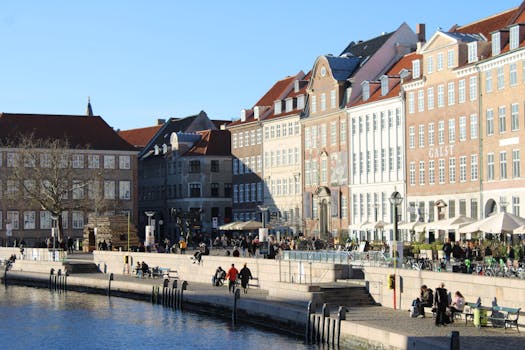
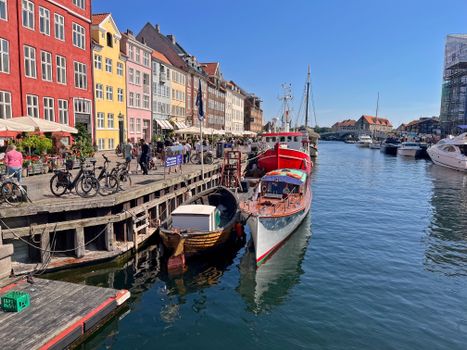
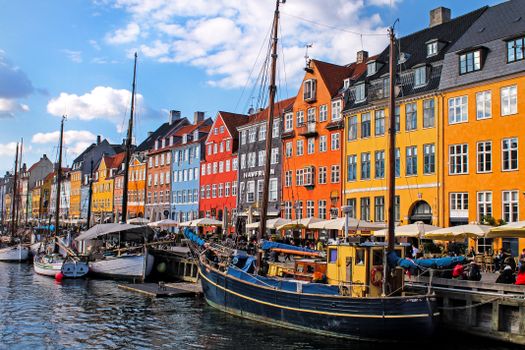
- Begin at Nyhavn, the picturesque harbour with colourful townhouses. Take a few photos and soak in the atmosphere.
- Walk to Amalienborg Palace, the winter residence of the Danish royal family. If timed right (usually 12:00 PM), you can witness the Changing of the Royal Guard.
- Continue along the waterfront to the Little Mermaid statue for a quick photo opportunity.
- Walk back towards the city centre, passing the impressive Marmorkirken (Marble Church).
Book tickets and tours: Iconic Sights
Afternoon: City Centre & Views
- Explore Strøget, one of Europe's longest pedestrian shopping streets. Even if you're not shopping, it's a lively artery through the city.
- Climb the Round Tower (Rundetårn) for panoramic views of Copenhagen. The unique spiral ramp makes for an easy ascent.
Book tickets and tours: City Centre
Evening: Tivoli Gardens
- Spend your evening at Tivoli Gardens, the historic amusement park. It's magical, especially when lit up at night, offering rides, gardens, and dining options. Book tickets in advance, especially during peak season.
Book tickets and tours: Tivoli Gardens
Pro tip: For a quick overview, consider a canal tour from Nyhavn early in the day. It offers a unique perspective on many key sights from the water.
Copenhagen in 2 Days: Hitting the Highlights
With two days, you can expand on the one-day itinerary, allowing for more in-depth visits and a slightly more relaxed pace.
Day 1: Royal History & Harbour Charm
- Follow the morning plan from the 1-day itinerary: Nyhavn, Amalienborg Palace, Little Mermaid, and Marmorkirken.
- After lunch in Nyhavn or near Strøget, visit Rosenborg Castle. Explore its beautiful gardens and the opulent interiors, including the Danish Crown Jewels.
- Afternoon could be spent exploring Strøget and climbing the Round Tower for city views.
- Conclude your day with an evening at Tivoli Gardens.
Book tickets and tours: Royal History
Day 2: Culture, Canals & Counter-Culture
- Start your day with a visit to Christiansborg Palace, home to the Danish Parliament. Climb the Tower for excellent views (free entry to the tower).
- Consider a canal tour from Gammel Strand or Nyhavn to see the city from a different perspective and learn about its history.
- Afternoon exploration of Freetown Christiania, a unique self-proclaimed autonomous neighbourhood. Be respectful of local rules and photography restrictions.
- Alternatively, visit the National Museum of Denmark to delve into Danish history and culture.
- Enjoy dinner in the trendy Vesterbro neighbourhood, known for its diverse culinary scene.
Book tickets and tours: Culture Canals
Copenhagen in 3 Days: Deeper Dive into Danish Charm
Three days is often cited as the sweet spot for Copenhagen, providing a good balance of sightseeing, cultural immersion, and leisure.
Day 1: Royal Copenhagen & Tivoli Magic
- Morning: Nyhavn, Amalienborg Palace (Changing of the Guard), Little Mermaid.
- Afternoon: Rosenborg Castle and its gardens, perhaps a stroll through the nearby King's Garden.
- Evening: Tivoli Gardens.
Book tickets and tours: Royal Copenhagen
Day 2: History, Views & Modern Life
- Morning: Christiansborg Palace (Parliament, Royal Reception Rooms, Tower) and a canal tour.
- Lunch: Grab a traditional Danish smørrebrød (open-faced sandwich).
- Afternoon: Climb the Round Tower for views, then explore Strøget and the surrounding side streets for unique shops and cafés.
- Evening: Explore the relaxed atmosphere of the Nørrebro neighbourhood, known for its vibrant street art, independent shops, and diverse restaurants.
Book tickets and tours: History Views
Day 3: Art, Design & Local Flavour
- Morning: Visit the Statens Museum for Kunst (National Gallery of Denmark) for Danish and international art, or the Ny Carlsberg Glyptotek for ancient and modern sculpture.
- Afternoon: Explore Freetown Christiania for its unique atmosphere, or delve into the design district around Bredgade and Store Kongensgade.
- Late Afternoon: Relax in one of Copenhagen's many parks, like Ørstedsparken.
- Evening: Enjoy a farewell dinner in Indre By (Old Town), perhaps trying a Danish hot dog from a street vendor for a classic experience.
Book tickets and tours: Art Design
Pro tip: Consider purchasing a Copenhagen Card if you plan to visit multiple attractions and use public transport extensively. It can offer good value for 2 or 3-day stays.
Copenhagen in 5 Days (or More): Extended Exploration & Day Trips
With five days or more, you can truly slow down, explore lesser-known areas, and venture beyond the city limits.
Days 1-3: Copenhagen Core
- Follow the 3-day itinerary, allowing more time at each attraction. For example, spend a full morning at a museum, enjoy longer lunches, or revisit a favourite spot.
- Explore specific interests:
- Design & Architecture: Visit the Danish Design Museum, explore the Ørestad district for modern architecture, or browse furniture shops in Frederiksberg.
- Foodie Tour: Take a guided food tour, visit Torvehallerne Market for gourmet provisions, or explore the varied cuisines of Nørrebro and Vesterbro.
- Parks & Gardens: Spend time in Frederiksberg Gardens, the Botanical Garden, or explore the Lakes (Søerne) for a leisurely walk or boat ride.
Days 4-5 (and Beyond): Day Trip Adventures
Copenhagen's excellent transport links make several fascinating day trips easily accessible.
Book tickets and tours: Day Trip Adventures
- Roskilde: A 25-minute train ride takes you to Roskilde, home to the UNESCO-listed Roskilde Cathedral (burial site of Danish monarchs) and the fascinating Viking Ship Museum, where you can see reconstructed Viking ships and even try rowing.
- Helsingør (Elsinore): Approximately 45 minutes by train, Helsingør is famous for Kronborg Castle, the setting for Shakespeare's Hamlet. Explore the castle's grand halls and casemates. You can also visit the modern Maritime Museum of Denmark nearby.
- Malmö, Sweden: Just a 40-minute train journey over the Øresund Bridge, Malmö offers a taste of Sweden. Explore its charming old town (Gamla Väster), modern architecture like Turning Torso, and diverse culinary scene. Remember to check border crossing requirements.
- Louisiana Museum of Modern Art: Located north of Copenhagen in Humlebæk (approx. 35 minutes by train), this internationally renowned museum boasts an impressive collection of modern and contemporary art set in beautiful gardens overlooking the Øresund.
Pacing Your Copenhagen Trip: Who Are You Travelling With?
The ideal pace for your Copenhagen trip can vary significantly based on your travel companions and priorities.
Families with Children
- Pace: Slower, with built-in breaks and flexibility. Avoid packing too many activities into one day.
- Focus: Prioritise child-friendly attractions. Tivoli Gardens is a must, and Copenhagen has many excellent playgrounds. The Experimentarium science centre or the National Museum of Denmark (with dedicated children's sections) can be engaging.
- Logistics: Utilise public transport (children often travel free or at reduced rates). Consider renting a cargo bike for easy transport of small children. Look for hotels with family rooms or apartments.
Couples
- Pace: Moderate to relaxed, allowing for spontaneous moments.
- Focus: Romantic strolls along Nyhavn, intimate dinners in Vesterbro or Nørrebro, exploring design shops, and enjoying cosy cafés. A canal tour can be romantic, as can an evening at Tivoli. Consider a visit to the Glyptotek followed by a walk in its winter garden.
- Logistics: Easy to navigate on foot or by bike. Book popular restaurants in advance, especially for weekend evenings.
First-Timers
- Pace: Moderate, aiming to cover the main highlights without rushing.
- Focus: The classic sights like Nyhavn, Amalienborg, Rosenborg, Tivoli, and a canal tour should be high on your list. Get a feel for the city's layout and atmosphere.
- Logistics: A city sightseeing bus tour or a walking tour can be a good way to get oriented on your first day. Public transport is efficient and easy to use.
Common Mistakes When Planning Your Copenhagen Trip
- Underestimating costs: Copenhagen is known for being an expensive city. Budget accordingly for accommodation, food, and attractions.
- Not booking in advance: Popular attractions like Tivoli Gardens, especially during peak season or specific events, can sell out. Book tickets and popular restaurant reservations ahead of time.
- Ignoring public transport or cycling: Copenhagen has an excellent, efficient public transport system and is incredibly bike-friendly. Don't rely solely on taxis or ride-sharing.
- Trying to fit too much in: While compact, Copenhagen has a lot to offer. Over-scheduling can lead to exhaustion rather than enjoyment. Allow time for simply soaking in the atmosphere.
- Not exploring beyond the main tourist areas: Neighbourhoods like Vesterbro, Nørrebro, and Frederiksberg offer unique local experiences, independent shops, and diverse dining options away from the immediate city centre.
Plan Your Trip with TripBuilder
No matter how many days in Copenhagen you have, planning your itinerary effectively can enhance your experience. Let TripBuilder turn real traveller wisdom into a personalised, day-by-day plan tailored to your interests and pace. Start building your perfect Copenhagen adventure today with TripBuilder.
Frequently asked questions
What is the best time of year to visit Copenhagen?
The best time is generally late spring (May-June) or early autumn (September) for pleasant weather, fewer crowds, and longer daylight hours. Summer (July-August) is also popular but busier and more expensive.
Is Copenhagen an expensive city to visit?
Yes, Copenhagen is typically considered one of Europe's more expensive cities, especially for accommodation and dining. Budgeting for public transport, self-catering some meals, and utilising free attractions can help manage costs.
How do I get around Copenhagen?
Copenhagen has an excellent public transport network of Metro, S-trains, and buses, making it easy to get around. It's also a very walkable city, and cycling is extremely popular, with extensive bike lanes.
What currency is used in Copenhagen?
The currency used in Copenhagen, and throughout Denmark, is the Danish Krone (DKK). While credit and debit cards are widely accepted everywhere, it's useful to have some local currency for small purchases or markets.
Do I need to speak Danish in Copenhagen?
No, you do not need to speak Danish to visit Copenhagen. English is very widely spoken, especially by younger generations and in all tourist-facing businesses, so communication is rarely an issue for international visitors.