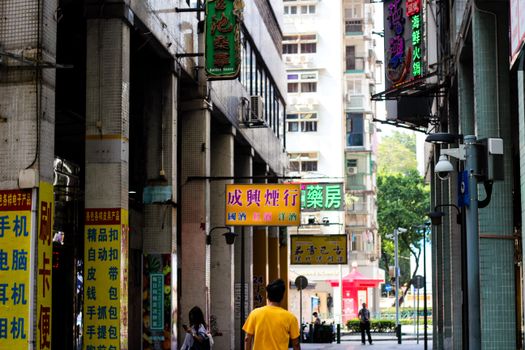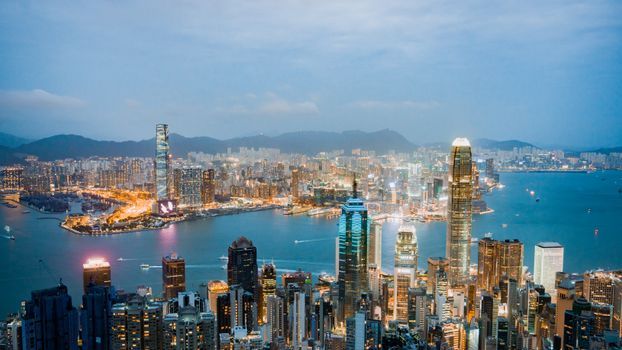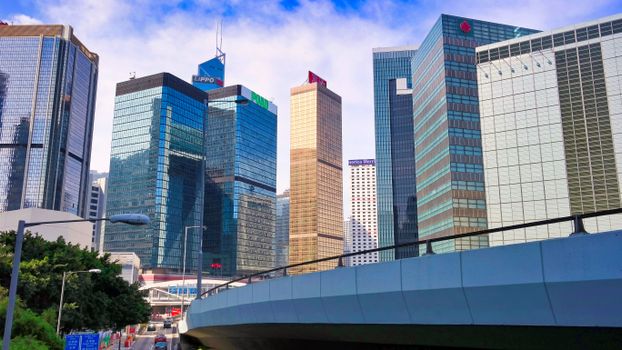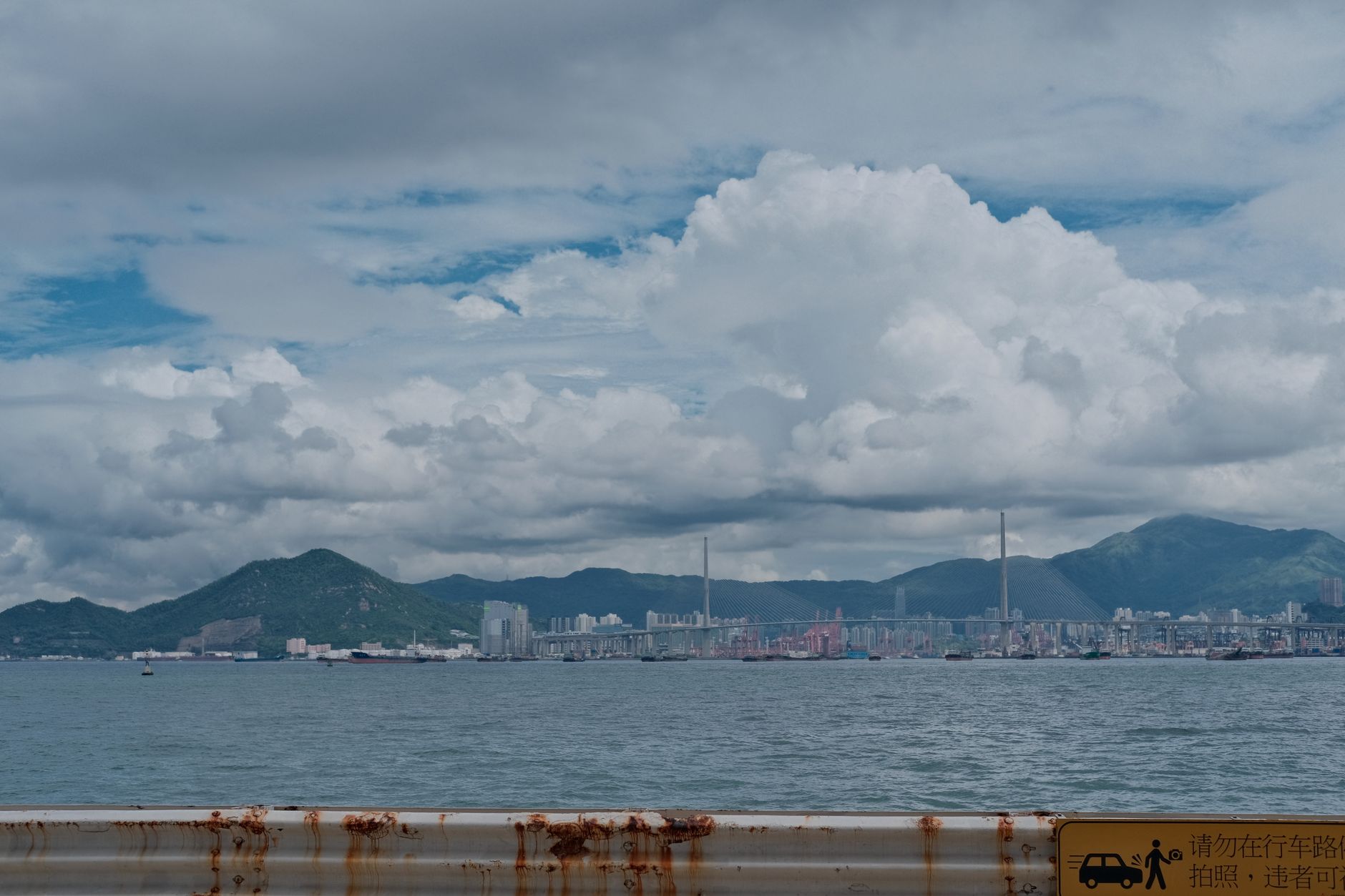
Planning a 3 days in Hong Kong itinerary gives you enough time to experience the distinct personalities of Hong Kong Island, Kowloon, and the Outlying Islands without feeling rushed. Hong Kong combines dense urban architecture, protected green peaks, century-old harbour ferries, and historic street markets into a compact territory that is straightforward to navigate. By focusing on one distinct geographic zone each day, you can minimise transit time and maximise your hours on the ground.
Itinerary at a glance
| Day | Area Focus | Key Highlights | Estimated Daily Budget (excl. accommodation) |
|---|---|---|---|
| Day 1 | Hong Kong Island | Central, Mid-Levels Escalator, Tai Kwun, Victoria Peak | £45–£75 approx. |
| Day 2 | Kowloon Peninsula | Tsim Sha Tsui Promenade, Mong Kok, Temple Street | £35–£60 approx. |
| Day 3 | Lantau Island | Ngong Ping 360 Cable Car, Tian Tan Buddha, Tai O Village | £50–£80 approx. |
Note: Exchange rates and local tariffs fluctuate; check current prices before your journey.
Where to stay in Hong Kong
Because Hong Kong's public transit system is among the world's most efficient, staying near any Mass Transit Railway (MTR) station is practical. However, picking the right neighbourhood saves time during a short stay.
- Central and Sheung Wan: Ideal for first-time visitors who want immediate access to upscale dining, historic streets, nightlife in Soho, and easy airport connections via the Airport Express.
- Tsim Sha Tsui: Located at the southern tip of Kowloon, this area offers postcard views of the Victoria Harbour skyline, direct access to the Star Ferry, and numerous museums.
- Wan Chai and Causeway Bay: Energetic commercial areas on Hong Kong Island with great shopping, classic tram lines, and varied dining at slightly lower accommodation rates than Central.
Getting around Hong Kong
Upon landing at Hong Kong International Airport, purchase an on-loan adult Octopus card at the airport MTR customer service counter for approx. £15 (HK$150, including a refundable deposit and starting credit). You can tap this contactless card on the MTR metro, buses, the Star Ferry, the Peak Tram, and Hong Kong Island's double-decker trams ("Ding Dings"), as well as at convenience stores.
The Airport Express train reaches Central in 24 minutes and costs approx. £11–£12 single. Within the city, single MTR trips typically cost between £0.50 and £2.00 approx. Star Ferry rides cost less than £0.60 approx., making it both the most scenic and affordable harbour crossing available.
Day 1: Hong Kong Island and Victoria Peak
Morning: Central heritage and the Mid-Levels
Begin your morning in Central at around 09:00. Walk to the Central–Mid-Levels escalator system, the longest outdoor covered escalator system in the world. Ride the series of escalators uphill toward Hollywood Road, passing through Soho. Step off to explore Tai Kwun, the revitalised former Central Police Station compound. This site houses 16 heritage buildings, courtyards, and contemporary art galleries that detail colonial-era policing and legal history.
From Tai Kwun, walk five minutes west along Hollywood Road to Man Mo Temple, built in 1847. Inside, giant hanging incense coils burn continuously under dark wooden beams, honouring the God of Literature (Man) and the God of War (Mo). Take 30 to 45 minutes to appreciate the quiet atmosphere and antique shops lining Cat Street nearby.
Where to eat: Stop at a traditional cha chaan teng (Hong Kong-style tea café) near Wellington Street for breakfast or an early lunch. Order a warm pineapple bun with a thick slab of butter and an iced Hong Kong milk tea for approx. £4–£6.
Afternoon: The Peak Tram and mountain panoramas
After lunch, walk 15 minutes through Hong Kong Park toward the Peak Tram lower terminus on Garden Road. Board the historic funicular railway, in operation since 1888, which climbs the steep hillside to Victoria Peak in under 10 minutes at angles reaching 25.7 degrees. A return journey with terrace access costs approx. £14–£16.
Once at the Peak Tower, skip the gift shops and embark on the 3.5-kilometre Peak Circle Walk along Lugard Road and Harlech Road. This shaded, paved loop takes roughly 60 to 75 minutes. It offers open, elevated views across Victoria Harbour, the Kowloon peninsula, and the Outlying Islands without the crowds of the observation deck.
Pro tip: Start your Lugard Road loop around 16:30. This timing allows you to photograph the cityscape in late afternoon light and watch the skyscrapers illuminate as dusk falls.
Evening: Dining in Central and Soho
Take the Peak Tram or the number 15 public double-decker bus back down to Central. Spend your evening exploring the alleys off Pottinger Street and Elgin Street. Dine on classic Cantonese roast goose or dim sum; a quality meal in this area runs approx. £15–£30 per person.
Day 2: Kowloon Culture, Markets, and Victoria Harbour
Morning: Tsim Sha Tsui and Victoria Harbour
Start your day on Hong Kong Island by walking to the Central Ferry Pier. Board the Star Ferry to Tsim Sha Tsui on Kowloon. The seven-minute harbour crossing gives you an unobstructed look at the mountain backdrop behind the island's towers. After disembarking, stroll east along the Tsim Sha Tsui Promenade and the Avenue of Stars, which celebrates Hong Kong cinema icons such as Bruce Lee and Anita Mui.
If you enjoy visual culture, dedicate 90 minutes to the nearby Hong Kong Museum of Art, located directly on the waterfront. General admission to permanent exhibitions is free, and the glass-fronted galleries provide quiet viewing spots overlooking the harbour.
Where to eat: Head north toward Jordan and stop at an established dim sum parlour for an authentic mid-morning yum cha. Order steamed har gow (prawn dumplings), siu mai (pork dumplings), and cheong fun (rice noodle rolls) for approx. £12–£20 per person.
Afternoon: Mong Kok and Sham Shui Po
From Jordan or Tsim Sha Tsui, take the MTR Tsuen Wan Line north to Mong Kok station (an eight-minute ride). Mong Kok is one of the most densely populated urban areas on earth. Walk through the open-air stalls of the Ladies' Market on Tung Choi Street, which sells souvenirs, clothing, and accessories. A three-minute walk takes you to the Goldfish Market on Bute Street, where colourful tropical fish hang in water-filled plastic bags outside shops.
If you prefer heritage markets to clothing stalls, walk 15 minutes northwest into Sham Shui Po. This working-class neighbourhood features specialised street stalls: Apliu Street for vintage electronics and camera gear, and Yu Chau Street for beads and textiles. The district showcases everyday residential Hong Kong, unchanged for decades.
Evening: Temple Street and evening harbour lights
Take the MTR back to Jordan station or walk south down Nathan Road toward Yau Ma Tei. As evening arrives around 18:30, the Temple Street Night Market wakes up. Stalls sell knick-knacks, tea ware, and clothing, accompanied by fortune tellers and street performers.
Where to eat: Sit down at one of the open-air dai pai dongs or neighbourhood restaurants on Temple Street. Order claypot rice cooked over charcoal burners topped with cured Chinese sausage or minced beef, paired with stir-fried clams in black bean sauce, costing approx. £8–£15.
Finish your evening by taking the MTR back down to the Tsim Sha Tsui Promenade by 20:00 to catch the Symphony of Lights, a daily 10-minute multimedia light and sound show across Victoria Harbour.
Day 3: Lantau Island and the Big Buddha
Morning: Ngong Ping 360 and Tian Tan Buddha
Depart early on your final day to explore Lantau, Hong Kong's largest island. From Central MTR station, ride the Tung Chung Line to its western terminus at Tung Chung (approx. 30 minutes, £2.50). Adjacent to the station, board the Ngong Ping 360 Cable Car for a scenic 5.7-kilometre ride over Tung Chung Bay and the hills of Lantau Country Park (approx. £25–£35 return).
At Ngong Ping village, walk five minutes to the base of the Tian Tan Buddha (the Big Buddha). Climb the 268 stone steps to reach the 34-metre-tall bronze statue, completed in 1993. Afterwards, walk across the plaza to Po Lin Monastery to admire its ornate Buddhist architecture and the Grand Hall of Ten Thousand Buddhas.
Pro tip: Book your Ngong Ping 360 cable car tickets online at least 48 hours in advance to skip the lengthy general ticket queues at Tung Chung terminal.
Afternoon: The stilt houses of Tai O
From the Ngong Ping bus terminal, take New Lantao Bus number 21 for a 20-minute ride down winding mountain roads to Tai O, a traditional fishing village inhabited by the Tanka people. Stroll along the narrow wooden walkways between stilt houses built over the tidal waterways.
Hire a local boat at the bridge for approx. £3–£4 per person. The 20-minute excursion takes you through the village canals and out into the open sea, where you may spot indigenous Chinese white dolphins (pink dolphins) if sea conditions are calm.
Where to eat: Walk Tai O's market street to sample local specialities: charcoal-grilled dried squid, large sugar-dusted Chinese doughnuts (sa yung), and salted fish. For lunch, choose a small harbour café serving fresh local seafood and tofu pudding for approx. £10–£18.
Evening: Farewell dinner and night views
Take New Lantao Bus number 11 from Tai O back to Tung Chung (approx. 50 minutes), then return to Central via the MTR. Celebrate your final night with dinner at a Cantonese restaurant in Wan Chai or Causeway Bay, dining on crispy pork belly and seasonal vegetables, followed by a quiet night ride on the upper deck of a Ding Ding tram along Hennessy Road.
Essential tips for your 3 days in Hong Kong itinerary
To keep your days running efficiently, keep these logistical realities in mind:
- Weather adaptations: Hong Kong is warm and humid from May to September, with occasional typhoons. October to December offers the driest and most pleasant temperatures. Always pack a light layer, as indoor spaces maintain aggressive air conditioning.
- Payment habits: While cards are widely accepted in malls, many authentic noodle shops, bakeries, and market stalls remain cash-only or require Octopus payment. Carry around £30–£50 in local cash daily.
- Language: Cantonese and English are the official languages. Most signage, transit announcements, and menus in central tourist districts are fully bilingual.
Common mistakes to avoid
- Skipping the Octopus card: Buying individual single-journey MTR and bus tickets wastes significant time standing in line at stations.
- Relying entirely on taxis: Road traffic through the Cross-Harbour Tunnel can bring vehicles to a standstill during rush hour; the MTR and Star Ferry are almost always faster.
- Heading to Victoria Peak in heavy fog: Always check the live observatory webcams before boarding the Peak Tram. If low clouds cover the summit, the view will be completely white.
- Planning major museum visits on Tuesdays: Many cultural institutions, including the Hong Kong Museum of History, close on Tuesdays for maintenance.
Plan your trip
Building a seamless travel plan requires balancing realistic transit routes with genuine local insight. Create your own custom schedule and explore detailed guides on TripBuilder today.
Frequently asked questions
Is 3 days enough time to visit Hong Kong?
Three days is sufficient to see Hong Kong's most famous highlights, including Victoria Peak, the Kowloon street markets, and the Big Buddha on Lantau Island. While a longer stay allows for hiking regional trails and exploring more outlying islands, 72 hours provides a well-rounded introduction to the city.
How much money do I need per day for 3 days in Hong Kong?
A mid-range budget of approx. £45 to £75 per day (excluding accommodation) covers comfortable local dining, public transit using an Octopus card, and standard admission tickets like the Peak Tram and Ngong Ping cable car. Higher-end dining and private tours will increase this daily spend.
What is the best month to visit Hong Kong?
The autumn months from October to December are typically considered the best time to visit Hong Kong. During this period, humidity drops, rainfall is relatively low, and temperatures are comfortable for walking outdoors.
Do I need cash in Hong Kong, or can I rely on credit cards?
While major hotels, malls, and restaurants accept international credit cards, cash and the Octopus card remain essential for traditional dim sum spots, street food stalls, local taxis, and markets. It is advisable to keep some Hong Kong dollars in small notes with you each day.
What is the quickest way from Hong Kong Airport to the city centre?
The Airport Express train is the fastest route, taking just 24 minutes to reach Central station on Hong Kong Island. Trains depart every 10 minutes and provide complimentary luggage trolleys and charging stations on board.