Planning a trip to Malaysia often includes a stop in its vibrant capital, and this 4 days in Kuala Lumpur itinerary offers a direct, trustworthy, and practical guide to making the most of your visit. From iconic skyscrapers to ancient caves and bustling markets, Kuala Lumpur presents a diverse experience for every traveller. This itinerary focuses on efficient exploration, allowing you to immerse yourself in the city's unique blend of tradition and modernity.
| Itinerary at a glance | Details |
|---|---|
| Best time to visit | May to July or December to February (less rain, lower humidity) |
| Typical daily budget (approx.) | £40-£80 per person (mid-range, excluding flights/accommodation) |
| Getting there | Kuala Lumpur International Airport (KUL) – direct train to city centre |
| Getting around | LRT, MRT, Monorail, Grab (ride-hailing), walking |
| Currency | Malaysian Ringgit (MYR) |
| Time zone | GMT+8 |
Note: All prices are approximate ranges in GBP (£) for October 2026. Please check current prices, opening hours, and entry requirements on official websites before your trip.
Day 1: City Centre Icons and Rooftop Views
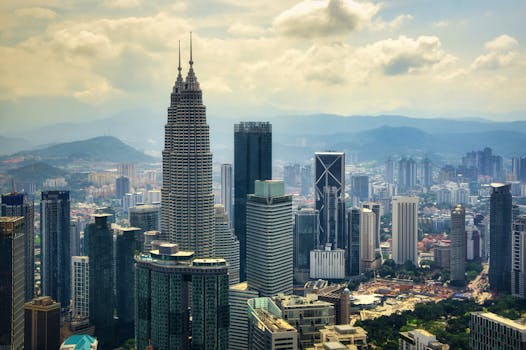
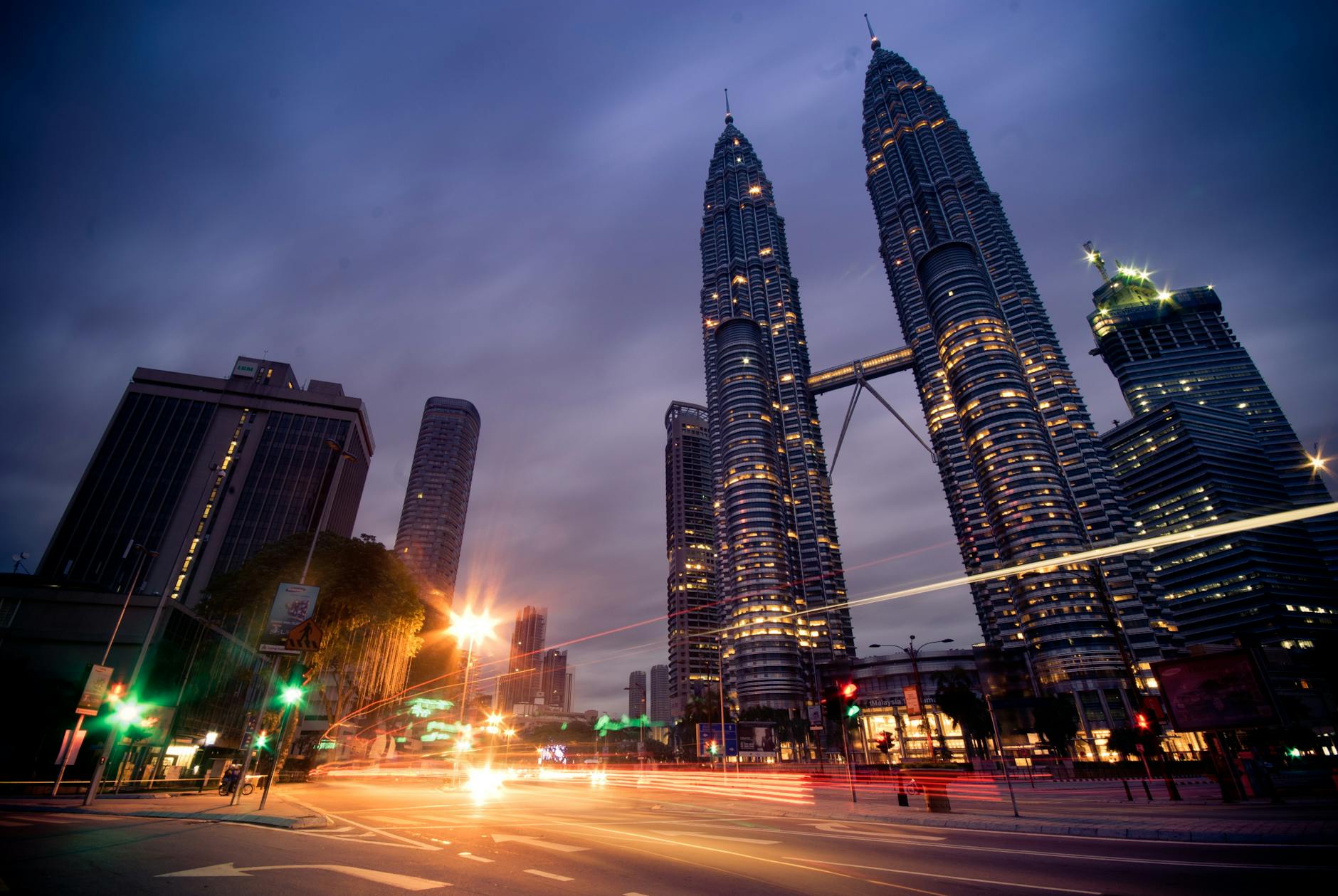
Morning: Arrival and Petronas Twin Towers
Upon arrival at Kuala Lumpur International Airport (KUL), take the KLIA Ekspres train to KL Sentral station (approx. 30 minutes, £10-£12). From KL Sentral, you can connect to your accommodation via LRT, MRT, Monorail, or Grab. After checking in, head straight to the iconic Petronas Twin Towers. It is advisable to pre-book tickets online if you wish to visit the Skybridge and Observation Deck (approx. £15-£20). Allow 1.5-2 hours for the visit.
Afternoon: KLCC Park and Aquaria KLCC
After experiencing the towers, descend to the beautiful KLCC Park. This urban oasis offers walking paths, a large children's playground, and a symphony fountain show in the evenings. Enjoy a leisurely stroll. For an underwater adventure, Aquaria KLCC is located beneath the Kuala Lumpur Convention Centre, adjacent to the park. It features a diverse range of marine life and a fascinating walk-through tunnel (entry approx. £10-£15). Allow 2-3 hours.
Evening: Dinner and Heli Lounge Bar
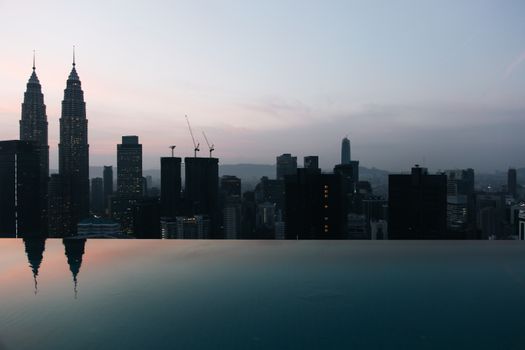
For dinner, explore the numerous dining options within Suria KLCC mall or the surrounding areas. You can find everything from local Malaysian cuisine to international fare. Afterwards, experience Kuala Lumpur's skyline from a unique vantage point at a rooftop bar. The Heli Lounge Bar, a helipad by day turned bar by night, offers spectacular 360-degree views of the city, including the Petronas Towers and KL Tower. Arrive before sunset for the best experience (dress code applies, minimum spend may be required).
Pro tip: For the Petronas Twin Towers, consider visiting on a weekday morning to avoid the largest crowds. Pre-booking tickets is highly recommended, especially during peak season.
Day 2: Cultural Immersion and Nature's Embrace
Morning: Batu Caves and Little India
Start your day early with a trip to Batu Caves, a significant Hindu shrine located just north of the city. Take the KTM Komuter train from KL Sentral directly to Batu Caves station (approx. 30-40 minutes, £1-£2). Marvel at the towering gold statue of Lord Murugan and climb the 272 colourful steps to the temple cave. Be mindful of the resident monkeys. Allow 2-3 hours for the visit. Afterwards, take the KTM Komuter back towards KL Sentral, alighting at Bank Negara or Kuala Lumpur station to explore Little India (Brickfields), known for its vibrant atmosphere, textile shops, and delicious Indian food.
Afternoon: Central Market and Chinatown
From Little India, it's a short walk or Grab ride to Central Market (Pasar Seni). This historical landmark is a hub for Malaysian arts and crafts, souvenirs, and traditional goods. Spend an hour or two browsing the stalls. Adjacent to Central Market is Chinatown (Petaling Street). Dive into the bustling street market, haggle for goods, and soak in the energetic atmosphere. Explore nearby temples like Sri Mahamariamman Temple and Guan Di Temple.
Evening: Street Food Feast in Chinatown
Chinatown truly comes alive in the evening. Petaling Street transforms into an open-air night market, offering an incredible array of street food. Sample local favourites such as Hokkien Mee, Satay, Char Kway Teow, and various dim sum options. For a more structured dining experience, explore the traditional Chinese restaurants in the area. Finish your day with a local dessert like Cendol or Ais Kacang.
Day 3: History, Green Spaces, and Panoramic Views
Morning: Merdeka Square and Perdana Botanical Garden
Begin your day at Merdeka Square (Independence Square), a historically significant site where Malaysia declared its independence. Admire the Sultan Abdul Samad Building, the Royal Selangor Club, and the beautiful flagpole. Nearby, visit the Kuala Lumpur City Gallery for a miniature model of the city and a historical overview. From Merdeka Square, take a short Grab ride or walk to the Perdana Botanical Garden (formerly Lake Gardens). This expansive park offers a serene escape with various themed gardens, including the Hibiscus Garden, Orchid Garden, and a deer park. Allow 2-3 hours for a relaxed stroll.
Afternoon: KL Tower and Bukit Bintang
From the botanical gardens, head to the KL Tower (Menara Kuala Lumpur). This communications tower offers another fantastic observation deck with panoramic views of the city. You can also experience the Sky Deck and Sky Box for an open-air viewing experience (entry approx. £10-£18). Allow 1.5-2 hours. Afterwards, make your way to Bukit Bintang, Kuala Lumpur's premier shopping and entertainment district. Explore mega-malls like Pavilion KL, Starhill Gallery, and Fahrenheit88.
Evening: Jalan Alor Food Street and Changkat Bukit Bintang
For dinner, immerse yourself in the culinary delights of Jalan Alor, a famous street food haven located in Bukit Bintang. This vibrant street comes alive at night with countless hawker stalls offering a vast selection of Malaysian, Chinese, and Thai dishes. Try local specialties like grilled seafood, chicken wings, and durian. After dinner, if you are looking for nightlife, Changkat Bukit Bintang, parallel to Jalan Alor, offers a strip of bars, pubs, and clubs.
Day 4: Departure and Last Bites
Morning: Brickfields and Shopping
Depending on your flight schedule, use your final morning to revisit a favourite spot or explore Brickfields (Little India) more thoroughly for last-minute souvenir shopping. You could also enjoy a final authentic Malaysian breakfast, perhaps Nasi Lemak, at a local kopitiam (coffee shop). Alternatively, if you have not had enough shopping, explore the malls in Bukit Bintang one last time for any items you may have missed.
Afternoon: Museum or Relaxed Lunch
Consider a visit to the Islamic Arts Museum Malaysia, known for its stunning architecture and extensive collection of Islamic artefacts (entry approx. £3-£5). It is located close to the Perdana Botanical Gardens, making it a good option if you did not fully explore that area on Day 3. Alternatively, enjoy a relaxed lunch at a café in Bangsar, a trendy neighbourhood known for its eateries and boutiques, before heading to the airport.
Evening: Departure
Allow ample time to travel back to Kuala Lumpur International Airport (KUL) via KLIA Ekspres from KL Sentral (approx. 30 minutes). Ensure you are at the airport well in advance of your flight, typically 2-3 hours for international departures.
Pro tip: Use the Grab app for convenient and affordable transport between areas where public transit might require multiple transfers or is less direct. It's widely used and reliable in Kuala Lumpur.
Where to Stay and Getting Around During Your 4 Days in Kuala Lumpur Itinerary
Where to Stay
- KLCC / Bukit Bintang: Ideal for first-time visitors who want to be close to major attractions, shopping, and nightlife. This area offers a wide range of hotels from luxury to mid-range.
- Chinatown / Pasar Seni: Excellent for budget-conscious travellers and those interested in cultural immersion, street food, and historical sites. It has good access to public transport.
- Brickfields (Little India): Offers a vibrant cultural experience with authentic Indian cuisine and is very well-connected by public transport via KL Sentral.
- Bangsar: A more upscale, trendy neighbourhood with boutique hotels, cafes, and restaurants, popular with expats. It's a short Grab ride from the city centre.
Getting Around
Kuala Lumpur boasts an extensive and efficient public transportation system. The LRT (Light Rail Transit), MRT (Mass Rapid Transit), and Monorail lines connect most major attractions and neighbourhoods. You can purchase a Touch 'n Go card for seamless travel on all public transport. Grab (similar to Uber) is widely available and often the most convenient option for direct routes or when travelling in groups. Walking is feasible within specific neighbourhoods like Bukit Bintang or Chinatown, but distances between major sights often require transport due to the city's size and tropical climate.
Common Mistakes to Avoid
- Underestimating travel time: Kuala Lumpur traffic can be heavy, especially during peak hours. Always factor in extra time for transit, even with public transport.
- Not staying hydrated: The tropical climate means high humidity and heat. Carry water and drink frequently.
- Forgetting an umbrella/raincoat: Tropical downpours can occur suddenly, especially in the afternoon.
- Ignoring dress codes: When visiting religious sites like mosques or temples, ensure you dress modestly (shoulders and knees covered). Some places offer loaner attire.
- Only eating in malls: While malls offer convenient dining, the best and most authentic food experiences are often found at hawker centres and street food stalls.
Plan Your Trip
This 4 days in Kuala Lumpur itinerary is designed to give you a comprehensive overview of the city's highlights. To tailor this guide to your specific interests and pace, consider building a personalised day-by-day itinerary with TripBuilder. Our platform uses real traveller wisdom to create a journey unique to you.
Frequently asked questions
Is 4 days enough for Kuala Lumpur?
Yes, 4 days is a good amount of time to experience Kuala Lumpur's main attractions, cultural sites, and diverse culinary scene without feeling rushed. It allows for a comprehensive overview of the city.
What is the best way to travel around Kuala Lumpur?
Kuala Lumpur has an excellent public transport network including LRT, MRT, and Monorail, which are efficient for reaching many key areas. Ride-hailing services like Grab are also widely available and convenient for direct routes or when travelling with luggage.
What are the must-try local dishes in Kuala Lumpur?
You should definitely try Nasi Lemak (coconut rice with various accompaniments), Laksa (spicy noodle soup), Roti Canai (flatbread), Satay (grilled skewers), and Hokkien Mee (stir-fried noodles). Explore hawker centres for the best variety.
Is Kuala Lumpur expensive for tourists?
Kuala Lumpur is generally considered an affordable city for tourists, especially compared to Western capitals. Accommodation, food, and public transport offer good value, though luxury options are also available at a higher price point.
What is the best time of year to visit Kuala Lumpur?
The best times to visit Kuala Lumpur are typically from May to July or December to February, when the city experiences less rainfall and lower humidity. However, being a tropical city, rain showers can occur year-round.