From Winter Blues to Snow-Capped Thrills: How a Weekend Adventure Changed My Life Forever
Let me paint a picture: It was a dreary November evening, the kind where the sky matches the mood—a dull, perpetual grey. I was scrolling through endless travel feeds, dreaming of sun-drenched beaches and vibrant cities, while outside, the first hesitant flakes of winter began to fall. For years, winter had been my nemesis. A season of cozy but confining indoor activities, punctuated by the occasional slip on an icy sidewalk. Skiing? Snowboarding? Those were for the "outdoorsy types," the fearless adventurers who seemed to emerge from the womb with poles in hand or a board strapped to their feet. Not for me, the perpetual warm-weather wanderer.
But something shifted that night. Maybe it was the sheer monotony of another impending winter, or perhaps a particularly inspiring photo of someone carving through fresh powder. Whatever it was, a tiny, rebellious thought sparked: What if? What if I could actually enjoy winter? What if I could learn a winter sport, not just endure the season?
That "what if" led to a spontaneous booking: a last-minute flight, a cozy cabin, and a beginner's lesson package for a sport I'd never even considered. Two days later, I was standing on a snow-covered slope, feeling a mix of terror and exhilarating anticipation. And by Sunday evening, I wasn't just trying a winter sport; I was doing it. I was laughing, falling, getting back up, and feeling a rush of accomplishment that utterly eclipsed any fear. That single weekend wasn't just about learning a new skill; it was about transforming my relationship with an entire season, proving to myself that I was capable of so much more than I thought. It truly changed my life forever.
And guess what? You can do it too. You don't need weeks of training or a lifetime of experience. With the right mindset, a little planning, and these actionable tips, you can conquer a new winter sport in a single weekend. Here are the life-changing activities I discovered, and how you can dive in headfirst!
1. Cross-Country Skiing: Glide Through Winter's Serenity
My Weekend Revelation:
My first foray into winter sports wasn't downhill skiing or snowboarding, but cross-country skiing. I'd always dismissed it as "slow" or "boring," but a friend convinced me to try it at a local Nordic center. Within an hour of my first lesson, I was gliding, albeit awkwardly, through a pristine forest. The quiet crunch of snow under my skis, the crisp air filling my lungs, the sunlight filtering through snow-laden branches—it was pure magic. I felt like I was floating, completely immersed in nature, getting an incredible workout without the high-speed anxiety of a downhill slope.
Why It's Weekend-Friendly:
Cross-country skiing (also known as Nordic skiing) has a relatively gentle learning curve compared to its alpine cousin. The basic movements—gliding, kicking, and poling—can be picked up quickly on flat or gently rolling terrain. You don't need complex maneuvers or steep slopes; it's more about rhythm and balance. Most Nordic centers offer beginner trails that are perfect for finding your feet.
Tips for Your First Glide:
* Start with a Lesson: Even a 1-hour group lesson can teach you the basics of "classic" style (the most common for beginners). You'll learn how to "kick and glide" and use your poles effectively.
* Embrace the Falls: You will fall. It's part of the process. Learn how to get back up efficiently (it's easier than you think!).
* Layer Up: You'll be working hard, so dress in breathable layers that you can shed as you warm up. Avoid heavy cotton.
* Hydrate: It's easy to forget in the cold, but staying hydrated is crucial.
* Focus on Rhythm: Think of it as a moving meditation. Find your rhythm, enjoy the scenery.
Gear & Costs (Estimates):
* Rentals: Skis, boots, and poles typically cost $25-45 for a full day.
* Trail Pass: Many Nordic centers charge a daily trail pass, usually $15-30.
* Lessons: Group beginner lessons range from $40-80 for 1-2 hours.
* Total Weekend Budget (excluding travel/lodging): $100-200 for rentals, passes, and a lesson.
Where to Try It:
* USA: Head to places like Breckenridge Nordic Center (Colorado), Tahoe Cross Country Ski Area (California), or Stowe Mountain Resort (Vermont). Even many state parks with significant snowfall offer groomed trails.
* Canada: Whistler Olympic Park (BC) or Gatineau Park (Quebec) are fantastic.
* Europe: The Dolomites in Italy or the Black Forest in Germany have extensive Nordic trail networks.
Instagram Moment:
A serene selfie amidst towering pines, sunlight dappling through the snow, showing off your graceful (or gracefully awkward!) glide. #NordicNirvana #CrossCountryAdventures #WinterWellness
2. Snowshoeing: Your Gateway to Winter Wilderness
My Weekend Revelation:
Sometimes, the simplest activities offer the deepest rewards. My second winter sport experiment was snowshoeing. After a particularly heavy snowfall, I rented a pair of snowshoes and ventured onto a local hiking trail that was usually inaccessible in winter. It wasn't about speed or skill; it was about pure exploration. I broke trail through untouched powder, discovering hidden frozen waterfalls and animal tracks. It felt like I was walking on clouds, unlocking a secret world of winter beauty that few ever see. It was incredibly meditative and surprisingly empowering.
Why It's Weekend-Friendly:
If you can walk, you can snowshoe. Seriously. There's virtually no learning curve beyond getting used to the wider gait required by the snowshoes. It's an excellent way to access winter hiking trails, explore forests, or simply enjoy a quiet walk in a snowy landscape. It's also a fantastic workout!
Tips for Your First Trek:
* Dress in Layers: Like cross-country skiing, you'll generate a lot of body heat.
* Rent Poles: Snowshoe poles provide stability and help with balance, especially on uneven terrain or ascents/descents.
* Choose the Right Trail: Start with flatter, well-marked trails. As you gain confidence, you can tackle more challenging terrain.
* Bring Water and Snacks: Winter hiking can be deceivingly strenuous.
* Check Conditions: Be aware of avalanche risks if venturing into mountainous areas. Stick to designated trails.
Gear & Costs (Estimates):
* Rentals: Snowshoes and poles typically cost $15-30 for a full day.
* Trail Pass: Many parks or resorts offer free snowshoeing; some might have a small fee ($5-10).
* Lessons: Not usually necessary, but guided tours (often $50-100) are a great way to learn about the local environment and safety.
* Total Weekend Budget (excluding travel/lodging): $30-100.
Where to Try It:
* USA: Rocky Mountain National Park (Colorado), Acadia National Park (Maine), or any local park with ample snowfall. Many ski resorts also have dedicated snowshoe trails.
* Canada: Banff National Park (Alberta) or Mont-Tremblant National Park (Quebec) offer stunning routes.
* Europe: The Swiss Alps or the Black Forest are beautiful for snowshoeing, often with marked trails near villages.
Instagram Moment:
A breathtaking landscape shot from a secluded trail, with your snowshoes peeking into the frame. Or a close-up of fresh tracks in pristine powder. #SnowshoeAdventures #WinterHiking #FrozenForest
3. Ice Skating: Twirl into Childhood Nostalgia
My Weekend Revelation:
My ice skating journey started not on a grand rink, but a small, pop-up outdoor rink in a city park. I hadn't skated since I was a kid, and the initial wobble was real. But with each tentative push and glide, a forgotten joy resurfaced. The crisp air, the festive lights, the laughter of other skaters—it was like stepping into a holiday movie. By the end of the weekend, I wasn't doing triple axels, but I was confidently gliding, turning, and even managing a few backward pushes. It reminded me that sometimes, the simplest pleasures are the most profound.
Why It's Weekend-Friendly:
The basics of ice skating—standing, gliding forward, and stopping—can be learned remarkably quickly. Public rinks are abundant in most cities during winter, making it incredibly accessible. It’s a low-commitment activity with high reward, offering a blend of exercise, fun, and a touch of nostalgic charm.
Tips for Your First Spin:
* Rent Skates That Fit: Make sure your skates are snug but not painful. Ill-fitting skates are a recipe for discomfort and falls.
* Start with the Wall: Don't be afraid to hug the boards until you find your balance.
* Bend Your Knees: This is the golden rule of skating. It lowers your center of gravity and helps with balance.
* Look Up, Not Down: Staring at your feet will throw you off balance. Pick a point ahead and focus on it.
* Practice Falling Safely: Learn to fall to the side, not straight back. Tuck your chin.
* Take a Beginner Lesson: Many rinks offer short, affordable group lessons that can significantly boost your confidence.
Gear & Costs (Estimates):
* Rentals: Skates typically cost $5-15 per session.
* Admission: Rink admission is usually $10-25 per session.
* Lessons: Group lessons can be as low as $20-40 for an hour.
* Total Weekend Budget (excluding travel/lodging): $50-100 for a couple of sessions and a lesson.
Where to Try It:
* USA: Iconic rinks like Rockefeller Center (NYC) or McCormick Tribune Ice Rink (Chicago), but also countless local community rinks.
* Canada: Rideau Canal Skateway (Ottawa) (the world's largest naturally frozen rink!) or Nathan Phillips Square (Toronto).
* Europe: Somerset House (London) or the Eiffel Tower Ice Rink (Paris - when available) for truly magical experiences.
Instagram Moment:
A festive shot of you gliding (or attempting to glide!) on a beautifully lit outdoor rink, perhaps with a warm drink in hand. #IceSkatingFun #WinterWonderland #SkateLife
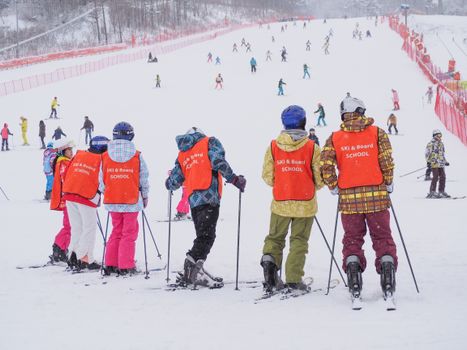
4. Downhill Skiing: Conquer the Slopes, One Turn at a Time
My Weekend Revelation:
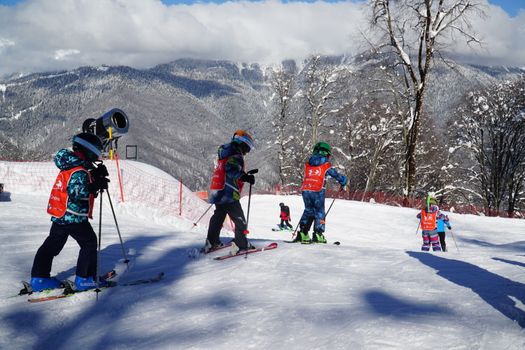
This was the big one. The sport I'd always viewed with a mix of awe and terror. I booked a beginner package at a small, friendly resort. My first morning was spent with a patient instructor on the bunny hill, learning how to "pizza" (snowplow) and stop. It was humbling, frustrating, and exhilarating all at once. By the afternoon, I was making tentative turns on a gentle green run. By Sunday, I was linking turns, feeling the wind in my hair, and experiencing an unprecedented sense of freedom and control. The fear hadn't completely vanished, but it was overshadowed by an immense feeling of accomplishment.
Why It's Weekend-Friendly:
While becoming an expert skier takes years, learning the basics to confidently navigate green (beginner) slopes in a weekend is very achievable. Modern ski equipment is incredibly forgiving, and dedicated beginner areas (bunny hills) are designed for safe learning. The key is to commit to a lesson and be patient with yourself.
Tips for Your First Descent:
* Book a Lesson (Mandatory!): This is non-negotiable. A certified instructor will teach you proper technique, safety, and build your confidence much faster than trying to self-teach. Opt for a half-day private or full-day group lesson.
* Rent Gear: Don't buy equipment until you know you love it. Rental packages include skis, boots, and poles. Get a helmet!
* Dress in Layers: Again, breathable layers are key. Waterproof outer layers are essential.
* Master the Snowplow (Pizza): This is your braking and turning mechanism. Practice it until it feels natural.
* Start Small: Stick to the bunny hill and designated green runs. Resist the urge to follow friends onto harder terrain too soon.
* Stay Hydrated and Fuelled: Skiing is demanding. Take breaks, drink water, and snack.
Gear & Costs (Estimates):
* Rentals: Skis, boots, poles, and helmet typically $40-70 per day.
* Lift Ticket: Beginner area tickets can be $30-60; full resort passes are $80-150+ per day, but many resorts offer beginner packages that include a discounted lift ticket, lesson, and rentals.
* Lessons: Group lessons are $80-150 for a half-day/full-day. Private lessons are more expensive ($200-500+).
* Total Weekend Budget (excluding travel/lodging): $250-500+ for rentals, lift tickets, and a lesson. It's an investment, but worth it!
Where to Try It:
* USA: Resorts known for excellent beginner terrain and ski schools include Park City Mountain (Utah), Breckenridge (Colorado), Killington (Vermont), or smaller, family-friendly resorts like Belleayre Mountain (New York).
* Canada: Whistler Blackcomb (BC) has fantastic beginner areas, as does Blue Mountain (Ontario).
* Europe: Many resorts in the Alps (e.g., Les Gets, France; Serfaus-Fiss-Ladis, Austria) have dedicated, gentle beginner zones.
Instagram Moment:
A triumphant shot of you at the top of a green run, helmet on, skis pointed down, with a stunning mountain panorama behind you. Or a video of your first successful linked turns! #SkiLife #BeginnerSkier #MountainAdventures
5. Snowboarding: Find Your Flow on the Board
My Weekend Revelation:
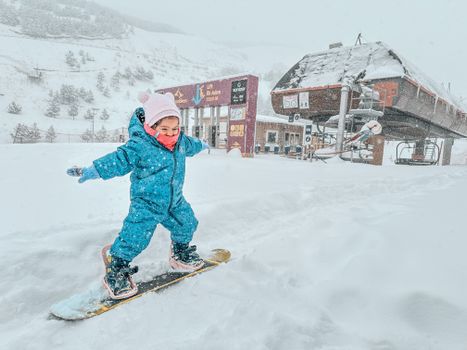
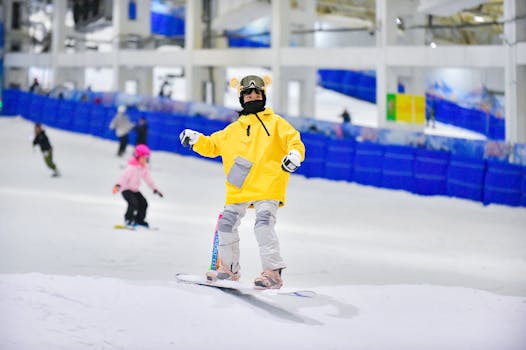
After getting comfortable on skis, I felt a new surge of confidence and decided to tackle snowboarding. It looked so cool, so effortless, but I knew it would be a different beast. My first day was a comedy of errors—mostly falling on my backside. But my instructor was incredibly patient, breaking down the basics of "heel edge" and "toe edge." By the end of the first day, I was making C-turns. By Sunday, I was linking S-turns on a gentle slope, feeling that incredible "flow" that snowboarders talk about. It was a challenge, but the payoff of finally getting it was immense.
Why It's Weekend-Friendly:
Snowboarding also has a steep initial learning curve (expect to spend a lot of time on your butt!), but once you grasp the basics of balancing on an edge and making controlled turns, progress can be rapid. Like skiing, modern beginner boards are designed to be forgiving, and dedicated learning areas are your best friend.
Tips for Your First Ride:
* Book a Lesson (Essential!): Just like skiing, a good instructor is paramount. They'll teach you how to fall safely, how to get up, and the fundamental techniques of balancing on your edges.
* Rent Gear: Get a beginner-friendly board, boots, and bindings. A helmet and wrist guards are highly recommended.
* Choose Your Stance: "Goofy" (right foot forward) or "Regular" (left foot forward). Try standing on a skateboard or sliding across a polished floor to see which foot naturally goes forward.
* Master the Edges: Learning to control your heel edge and toe edge to slow down and turn is the foundation.
* Be Patient: Snowboarding can be frustrating at first. Embrace the falls, laugh at yourself, and don't give up!
* Layer Up: Again, waterproof and breathable layers. You'll be sitting in the snow a lot!
Gear & Costs (Estimates):
* Rentals: Board, boots, bindings, and helmet typically $40-70 per day.
* Lift Ticket: Similar to skiing, beginner area tickets are $30-60; full resort passes are $80-150+ per day. Look for beginner packages.
* Lessons: Group lessons are $80-150 for a half-day/full-day. Private lessons are $200-500+.
* Total Weekend Budget (excluding travel/lodging): $250-500+ for rentals, lift tickets, and a lesson.
Where to Try It:
* USA: Resorts like Mammoth Mountain (California), Aspen Snowmass (Colorado), or Mount Bachelor (Oregon) have excellent terrain parks and beginner zones.
* Canada: Lake Louise Ski Resort (Alberta) or Mont-Sainte-Anne (Quebec) are great options.
* Europe: Resorts in the French Alps (e.g., Avoriaz) or Swiss Alps (e.g., Laax) are renowned for their snowboarding facilities and schools.
Instagram Moment:
A cool shot of you strapping into your board at the top of a gentle slope, or a slow-motion video of your first successful S-turns. #SnowboardLife #BeginnerBoarder #ShreddingTheGnar (eventually!)
General Tips for Your Life-Changing Winter Weekend
Learning a new sport in a weekend isn't just about the physical activity; it's about the entire experience. Here are some overarching tips to make your winter adventure unforgettable:
- Embrace the "Beginner Mindset": Leave your ego at home. You're going to fall, you're going to look awkward, and that's perfectly okay. The joy is in the learning and the effort.
- Invest in a Lesson: I cannot stress this enough. A qualified instructor will accelerate your learning, teach you proper technique, and ensure you're doing it safely. It's the best money you'll spend.
- Dress for Success (and Warmth!): Layers are your best friend. Start with a moisture-wicking base layer, add an insulating mid-layer (fleece or down), and finish with a waterproof and windproof outer shell. Don't forget waterproof gloves, a warm hat, and good quality wool or synthetic socks.
- Rent, Don't Buy (Initially): Unless you're absolutely certain you'll stick with a sport, rent your equipment. It's more cost-effective and allows you to try different gear.
- Choose the Right Location: For your first time, pick a resort or center known for its beginner-friendly terrain and excellent ski/snowboard schools. Smaller, less crowded places can sometimes be less intimidating.
- Stay Hydrated and Fuelled: Cold weather can mask dehydration. Drink plenty of water and bring snacks (energy bars, nuts) to keep your energy up.
- Protect Yourself: Sunscreen is crucial, even on cloudy days, as snow reflects UV rays. Wear sunglasses or goggles. Helmets are a must for skiing and snowboarding.
- Go with a Friend (or Make New Ones!): Sharing the experience, the falls, and the triumphs with someone else can make it even more fun. Group lessons are also a great way to meet like-minded adventurers.
- Capture the Memories: Take photos and videos! Not just for Instagram, but to look back on how far you've come. The scenic beauty of winter sports locations is unparalleled.
- Plan Your Recovery: You'll be using muscles you didn't know you had. Plan for a hot bath, some stretching, and a good night's sleep after your weekend of adventure.
The Life-Changing Power of a Winter Weekend
That single weekend, years ago, didn't just teach me how to cross-country ski, snowshoe, ice skate, ski, and snowboard. It taught me that I am more resilient, more adventurous, and more capable than I ever imagined. It opened up a whole new world of travel and outdoor experiences that I now cherish. Winter is no longer a season to dread; it's a season to celebrate, to explore, and to find joy in the crisp air and sparkling snow.
The feeling of accomplishment, of pushing past your comfort zone and discovering new strengths, is truly addictive. It spills over into other areas of your life, giving you the confidence to tackle new challenges, whether they're professional, personal, or another adventure on the horizon.
So, what are you waiting for? Stop scrolling and start planning. This winter, instead of hibernating, get out there and discover the thrilling, life-affirming world of winter sports. You might just find that a single weekend is all it takes to change your life forever.
Are you ready to embrace the chill and transform your winter? Which sport will you try first? Share your plans and triumphs with us in the comments below!
---