The Unspoken Truth About Travel: Are You Falling for the Traps?
I still remember the sting of disappointment, a memory as vivid as the vibrant colours of a Tuscan sunset. It was my first solo trip to Florence, a city I’d romanticized for years. Starry-eyed and armed with a guidebook, I stumbled out of the Uffizi Gallery, ravenous. Right across the piazza, a bustling trattoria beckoned, its menu plastered with photos of pasta and pizza in five different languages. “Perfect!” I thought, oblivious to the glaring red flags.
My €25 pasta dish (a staggering amount for Italy) arrived lukewarm, tasting suspiciously like something from a microwave. The "authentic" Florentine leather wallet I bought from the vendor outside? It started peeling within a week. I left feeling deflated, not just by the mediocre meal and shoddy souvenir, but by the nagging feeling that I’d missed out on the real Florence. I’d fallen headfirst into a tourist trap.
That experience was my wake-up call. Over years of globetrotting, from the bustling markets of Marrakech to the serene temples of Kyoto, I’ve learned to spot these traps from a mile away. More importantly, I’ve discovered the secret handshake, the subtle cues, and the savvy strategies that allow you to bypass the shiny, overpriced facades and dive deep into the authentic heart of a destination.
This isn't just about saving money (though you'll save plenty!). It's about enriching your travel, connecting with genuine culture, and creating memories that aren't tainted by regret. Locals guard these secrets fiercely, but today, my friend, you're getting the keys to the kingdom.
Let's turn you into a pro, a savvy explorer who knows exactly where to find the magic.
---
1. The Art of Pre-Trip Reconnaissance: Your Digital Scout & Local Whisperer
Before you even pack your bags, your mission begins: become a digital detective. Forget the glossy travel brochures; we're digging deeper. This is where you lay the groundwork for dodging those pesky tourist traps.
Beyond Google: Digging Deeper for Local Gems
- Reddit is Your Secret Weapon: Seriously. Head to subreddits like r/travel, r/solotravel, and crucially, city-specific subreddits (e.g., r/Rome, r/Tokyo). Search for "local restaurants [city]," "non-touristy things to do [city]," or "avoid tourist traps [city]." Locals and expats often share incredibly detailed, unbiased recommendations you won't find anywhere else. I once found a tiny, family-run pasticceria in Palermo through a Reddit thread that served the most divine cannoli – a place so discreet, it didn't even have a sign!
- Niche Blogs & Expat Forums: Seek out blogs written by long-term residents or expats in your destination. They often share a treasure trove of hyper-local insights. Search "expat life in [city] blog" or "local's guide to [city]." These are goldmines for hidden cafes, authentic markets, and events.
- Google Maps & Street View – Your Virtual Wander: Before you go, "walk" around your hotel and major attractions using Street View. Look for non-English signs, small businesses tucked away, and residential areas. What do the restaurants look like? Are they filled with locals or big, flashy signs? This helps you visualize the local landscape and identify potential authentic spots before you arrive. I've used this to scout out quiet squares and local bakeries just a few blocks from major landmarks, saving me from overpriced options.
- Social Media Deep Dive (the Right Way):
- Instagram: Don't just follow travel influencers. Search location tags for your destination and filter by "Recent." Look for accounts that aren't overtly commercial – people sharing everyday life, local food, or lesser-known spots. Scroll deep!
- TikTok: Search "locals only [city]," "hidden gems [city]," or "best cheap eats [city]." The short-form video content can give you a quick, authentic glimpse.
- Facebook Groups: Join local foodie groups, expat groups, or even digital nomad groups for your destination. Ask for recommendations, but preface it by saying you're looking for "authentic, local experiences, not tourist traps."
- Learn a Few Key Phrases: "Hello," "Thank you," "Please," "Excuse me," and "Where do locals eat?" in the local language can open doors and show respect. Even a clumsy attempt is appreciated and can lead to warmer interactions and better recommendations.
Anecdote:
My trip to Lisbon was transformed by a Reddit thread. Someone mentioned a tiny, unassuming restaurant called "A Parreirinha de Alfama" that was a local Fado spot, not the glitzy, overpriced ones in Bairro Alto. It was tucked away on a cobbled street, no English menu, just incredible food, raw Fado, and an unforgettable evening with locals. I would never have found it without that digital scouting.
---
2. Decoding the Tourist Trap Red Flags: Spotting the Scam Before It Spots You
Once you're on the ground, your pre-trip recon will pay off, but you still need your wits about you. Tourist traps have universal signals, and once you know them, they're surprisingly easy to spot.
The Universal Signals: What to Watch Out For
- Location, Location, Location: This is the golden rule. Anything directly adjacent to a major landmark (think the Colosseum, Eiffel Tower, Times Square, Sagrada Familia) is almost guaranteed to be overpriced and often mediocre. Restaurants, souvenir shops, and even cafes within a two-block radius are usually catering solely to tourists. Walk at least 5-10 minutes away, down a side street, and prices and quality will dramatically improve.
- Multilingual Menus & Aggressive Pitches: A menu translated into 8-10 languages with glossy photos of every dish? That’s a huge red flag for a tourist trap restaurant. Similarly, touts outside a restaurant or shop aggressively trying to pull you in, especially if they speak perfect English and promise "the best deal" or "authentic food," are almost always leading you astray. Genuine local spots rarely need to beg for customers.
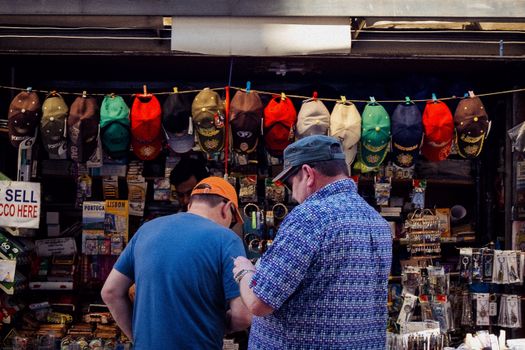
- "Authentic" Souvenirs (Mass-Produced Edition): If every street vendor and shop near a major attraction is selling the exact same "I ♥ [City]" t-shirts, miniature landmarks, or generic keychains, you're looking at mass-produced junk. These are often imported from other countries, not locally made.
- Fixed-Price "Deals" That Seem Too Good to Be True: Be wary of taxi drivers offering a "special fixed price" that's suspiciously high, or street vendors pushing "free" bracelets, flowers, or "gifts" that then demand payment or a "donation." In Rome, I saw countless tourists fall for the gladiators offering photos for a "tip" that turned into an aggressive demand for €20-50.
- Empty Local Eateries, Full Tourist Ones: Take a peek inside. Are locals (identifiable by their language, dress, and comfort in the setting) dining there? If a restaurant is packed with only tourists while nearby, less flashy places are bustling with locals, you know where the good food (and value) is.
- No Prices Displayed: For taxis, market stalls, or certain services, if prices aren't clearly displayed, it's a ripe opportunity for inflated "tourist prices." Always ask for the price before committing.
Anecdote:
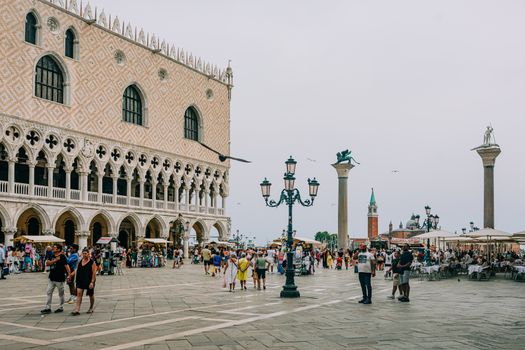
In Venice, I watched a couple pay €15 for two small cups of gelato right outside St. Mark's Square. Just a 10-minute walk through some smaller alleys, I found a gelateria where locals were queuing, paying €3 for a generous, artisanal scoop. The difference in price and quality was astounding – a perfect illustration of the "location, location, location" rule.
---
3. Eating Like a Local: Your Palate's Passport to Authenticity
Food is arguably the most immersive cultural experience. Don't let bland, overpriced tourist grub ruin it for you. Eating like a local is an art form, and it involves a bit of courage and curiosity.
From Street Food Stalls to Hidden Tavernas: Savoring True Flavors
- Ask Locals (the Right Way): This is crucial. Don't ask your hotel concierge or someone working directly in the tourist zone – they often have affiliations or are incentivized to send you to specific places. Instead, ask a barista at a non-touristy coffee shop, a shopkeeper in a residential area, or your Airbnb host. Phrase it like, "Where do you go for [specific food, e.g., the best pasta/tapas/ramen]?" or "Where do you eat when you're not working?" This personalizes the request and often yields genuine recommendations.
- Look for Queues (Especially at Lunch): A line of locals spilling out the door, especially during lunchtime, is the universal sign of excellent food and value. Join it! It's worth the wait. In Thailand, I learned this lesson well – the longest street food lines always led to the most incredible pad Thai or curries.
- Small, Unassuming Eateries: Often, the best food comes from the least glamorous places. Look for humble, family-run restaurants, often with simple decor, handwritten menus, and a bustling, warm atmosphere. They focus on the food, not the aesthetics.
- Lunchtime Deals are Gold: Many high-end or popular local restaurants offer significantly cheaper "menu del día" (menu of the day) or lunch specials. It’s a fantastic way to experience top-tier cuisine at a fraction of the dinner price. In Spain, you can often get a three-course meal with wine for €12-€18 at places that would cost €40+ for dinner.
- Avoid Photos of Food on Menus: As a general rule, if a restaurant has a menu with glossy, unappetizing photos of every dish, it’s designed for tourists who don't speak the language and is likely a trap. Good local restaurants let the food speak for itself.
- Street Food Savvy: Dive into street food! It's often the freshest, most authentic, and cheapest way to eat. However, do a quick check: does the stall look clean? Is the food cooked fresh in front of you? Are there other locals eating there? Research reputable food stalls or markets beforehand.
Anecdote:
In Kyoto, I was determined to find authentic ramen. I asked a local shop owner, who, after a moment of hesitation, drew me a tiny map to a place called "Menbakaichidai." It was a "fire ramen" joint – a tiny, smoky spot where chefs dramatically ignite your ramen bowl. There was a queue, no English menu, and the only other customers were Japanese. It was an exhilarating, delicious, and deeply local experience that no guidebook would have led me to.
---
4. Shopping Smart: Bringing Home Memories, Not Rip-Offs
Souvenirs are wonderful reminders of your travels, but buying them can be a minefield of overpriced junk. Learn to discern genuine craftsmanship from mass-produced tat.
Authentic Finds vs. Generic Junk: The Souvenir Game
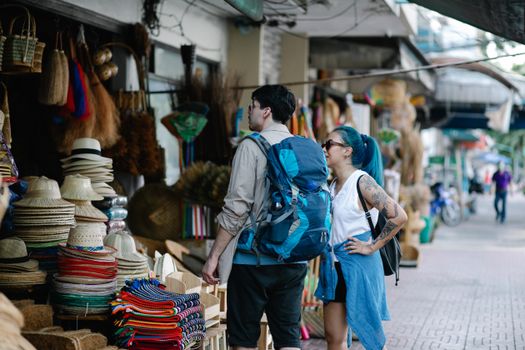
- Markets, Not Malls (Usually): For truly unique items, head to local markets. Farmers' markets offer local produce, spices, and artisanal foods. Flea markets (like El Rastro in Madrid or the Marché aux Puces in Paris) can yield vintage treasures. Artisan markets are perfect for handcrafted goods. These are where you'll find items with soul and stories.
- Support Local Artisans & Workshops: Seek out small workshops, galleries, or studios where you can see the craftsperson at work. In Morocco, I visited a leather tannery and bought a beautifully handcrafted bag directly from the artisan, knowing my money went straight to him and his family. The quality was leagues above anything in the main souks.
- Bargaining Etiquette: In many cultures, bargaining is expected in markets, but not in fixed-price stores. Know the local customs. Bargain respectfully, with a smile, and don't be aggressive. Aim for 20-30% off the initial asking price, but be prepared to walk away if you can't agree. In Southeast Asia, this is a crucial skill to avoid overpaying.
- Practical Souvenirs You'll Actually Use: Instead of dust-collecting trinkets, consider bringing home local food items (spices, coffee, olive oil, unique snacks), textiles, local art, or handmade pottery that you'll integrate into your daily life. These are often more authentic and meaningful.
- Research Prices Beforehand: For significant purchases (like carpets, jewelry, or high-end crafts), do your research on typical prices before you go. This prevents you from being grossly overcharged. A quick Google search for "average price [item] [country]" can save you a bundle.
Anecdote:
In Portugal, I was admiring the beautiful hand-painted ceramic tiles (azulejos). The shops in central Lisbon were selling generic, machine-printed versions for €15-€20 a piece. Following a tip from a local, I ventured to a small, unassuming ceramics workshop in Alfama. There, an elderly woman was hand-painting each tile. I bought several unique, exquisite pieces for €5-€8 each, and the experience of seeing her work was priceless.
---
5. Navigating Transport & Tours: Smooth Rides, Genuine Experiences
Getting from A to B and exploring a destination shouldn't involve stress or inflated prices. Master local transport and choose tours that connect you with the real place.
From Taxis to Tuk-Tuks: Getting Around Without Getting Taken
- Public Transport is Your Best Friend: Buses, metros, trams, and trains are not only the cheapest and most efficient way to get around most cities, but they also offer a fantastic glimpse into local life. Buy a multi-day pass if available – it often saves money and hassle. In London, using the Oyster Card on the Tube and buses is far cheaper than endless taxis.
- Ride-Sharing Apps (Where Available & Safe): Apps like Uber, Grab (Southeast Asia), Bolt (Europe/Africa), or Lyft can be a godsend. They offer transparent pricing, cashless payments, and a record of your journey, significantly reducing the risk of being overcharged by rogue taxi drivers. Always check local reviews for safety in specific regions.
- Insist on the Metered Taxi: If ride-sharing isn't an option, always insist that a taxi driver uses the meter. If they refuse or claim it's "broken," find another taxi. Agree on a price before you start the journey only if using the meter is truly not an option (e.g., specific airport routes with fixed fares, which should be clearly advertised).
- Free (Tip-Based) Walking Tours: These are excellent for getting an initial lay of the land, learning history, and getting local recommendations from guides who often work for tips. Always tip generously if you enjoyed the tour – it’s how they make a living! Look for "Free Walking Tour [City]" online.
- Small Group/Niche Tours: Avoid the massive bus tours that shuttle you from one tourist trap to another. Instead, opt for small-group tours focused on specific interests: a local food tour, a street art tour, a historical walking tour with a specialized guide. These offer deeper insights and more personal experiences. Airbnb Experiences often lists fantastic local-led tours.
- Pre-Book Reputable Airport Transfers: Especially if arriving late or in an unfamiliar city, pre-booking a transfer with a reputable company can save you from potential taxi scams right off the bat. Research airport transfer options for your destination.
Anecdote:
Landing in Bangkok for the first time, I was immediately swarmed by aggressive taxi drivers offering "special" flat rates. Remembering my research, I politely declined and headed for the official airport taxi stand where they used meters. I saved about 50% compared to the touted prices and had a smooth, stress-free ride. The small act of knowing my options made a huge difference.
---
6. Embracing the Local Vibe: Beyond the Checklist
Avoiding traps isn't just about what you don't do; it's about what you do embrace. It's a mindset, a willingness to step off the well-trodden path and immerse yourself.
Live Like You Belong: The Mindset of a Savvy Traveler
- Wander Aimlessly (Safely!): Some of the best discoveries happen when you ditch the itinerary. Pick a neighborhood slightly off the main tourist drag and just walk. Turn down intriguing side streets. You might stumble upon a charming bookstore, a hidden park, or a local festival. Always be aware of your surroundings and trust your gut.
- People-Watching is an Art: Find a café or a bench in a non-touristy square, order a local drink, and just observe. Watch how people interact, what they wear, their daily routines. This simple act connects you to the rhythm of the city. I love doing this in Rome, just observing the elegant locals go about their day.
- Attend Local Events & Festivals: Check local event listings (often found on city tourism websites for locals, or through your Airbnb host) for concerts, art exhibitions, farmers' markets, or seasonal festivals. These are fantastic ways to experience local culture firsthand, often with free entry or minimal cost.
- Be Polite, Respectful, and Open: A smile, a few words in the local language, and a genuine curiosity go a long way. Locals are often more willing to help or offer advice if they perceive you as a respectful visitor, not just another demanding tourist.
- Ditch the Itinerary (Sometimes): While planning is great, be flexible. If a local gives you a spontaneous recommendation for a hidden gem or a unique experience, be open to changing your plans. Some of my most cherished travel memories are born from these unplanned detours.
- Stay in Local Neighborhoods: Instead of staying right in the tourist epicenter, consider an Airbnb or a boutique hotel in a more residential neighborhood. You'll get a better feel for local life, find more authentic eateries, and often save money on accommodation.
Anecdote:
During a trip to Seville, I decided to take an evening stroll away from the bustling cathedral area. I stumbled upon a small, brightly lit square where a spontaneous flamenco performance had broken out. Locals of all ages were gathered, clapping, singing, and dancing. There were no tickets, no stage, just pure, unadulterated passion. It was an impromptu, magical moment that no commercial show could ever replicate – a true taste of Andalusian soul.
---
Your Passport to Authentic Adventures Awaits!
Congratulations, savvy traveler! You now possess the insider knowledge, the subtle cues, and the actionable strategies to navigate any destination like a seasoned local. No more lukewarm pasta, no more flimsy souvenirs, and certainly no more feeling like you're just another face in the tourist crowd.
Remember, avoiding tourist traps isn't about being cynical; it's about being informed and intentional. It's about seeking genuine connection, supporting local economies, and uncovering the true magic that lies just beyond the obvious. Your travels will be richer, more authentic, and infinitely more rewarding.
So, where will your newly acquired skills take you next? Will you be savoring authentic street food in Hanoi, haggling for unique crafts in Mexico City, or discovering a hidden jazz club in New Orleans? The world is waiting, and now, you're ready to experience it like never before.
What's your best tourist trap escape story? Or your favorite local hidden gem? Share your experiences in the comments below! Let's build a community of trap-dodging pros!
---