There’s something inherently thrilling about stepping off the well-trodden path. But what about stepping under it? My first real encounter with an underground city wasn't some grand plan; it was a spontaneous detour in Turkey, a dusty sign pointing to "Derinkuyu" that ignited a spark. I’d always been fascinated by hidden worlds, secret passages, and the untold stories beneath our feet. Yet, nothing prepared me for the sheer scale and ingenuity of what awaited me. As I descended into the cool, dark earth, the air growing heavier with history, I felt an almost primal connection to those who had once sought refuge, lived, and thrived in this subterranean labyrinth. It was more than just a tourist attraction; it was a journey through time, a testament to human resilience, and frankly, one of the most mind-blowing experiences of my life.
Since then, I’ve been on a mission: to discover and share the most incredible underground cities you can actually visit, places that challenge your perceptions, spark your imagination, and absolutely belong on your travel bucket list. These aren't just caves; they are meticulously engineered worlds, each with its own unique story etched into the rock. So, grab your sense of adventure, because we’re about to dive deep into seven subterranean wonders you need to experience before you die.
---
1. Cappadocia's Labyrinthine Legacy: Derinkuyu & Kaymakli Underground Cities, Turkey
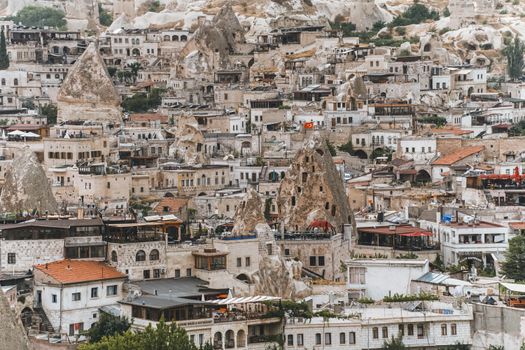
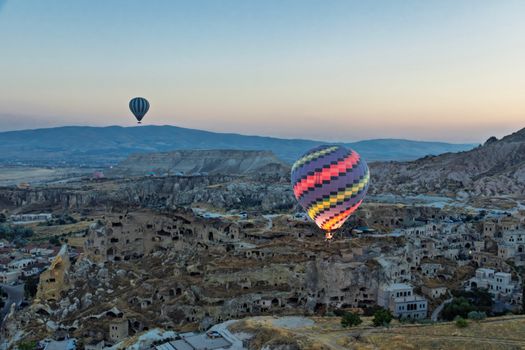
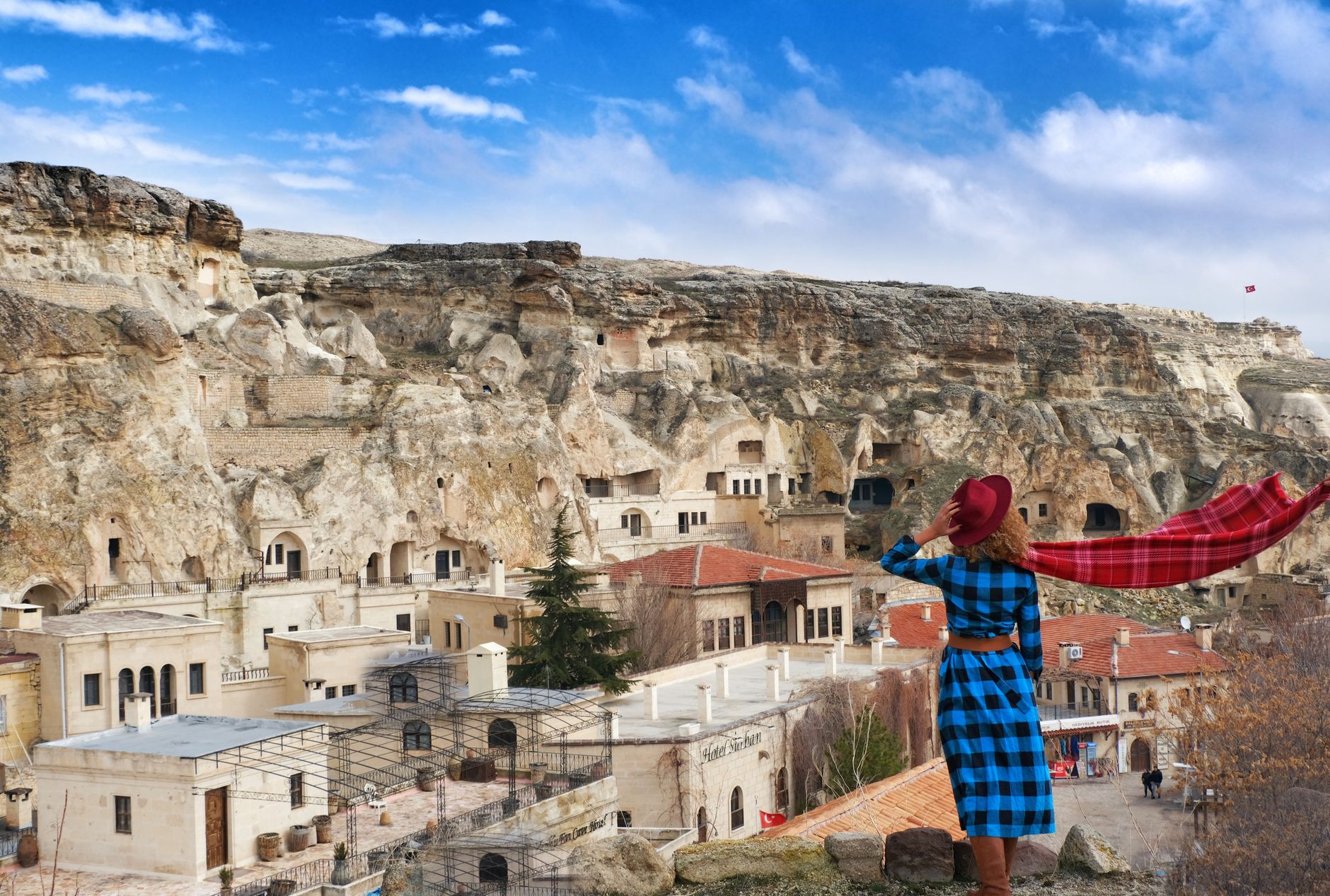
If you're looking for the ultimate underground city experience, look no further than Cappadocia. This region of Turkey is famous for its fairy chimneys and hot air balloons, but beneath the whimsical landscape lies an astonishing network of ancient subterranean cities, the largest and most famous being Derinkuyu and its slightly smaller neighbor, Kaymakli.
My first descent into Derinkuyu felt like stepping into an archaeological thriller. Imagine a multi-level city, carved out of volcanic rock, plunging eight stories deep (though only four are open to the public). It was built by early Christians to escape persecution, housing up to 20,000 people, along with their livestock and food supplies, for months at a time. As I squeezed through narrow, low-ceilinged tunnels, I passed communal kitchens with smoke-stained ceilings, stables, churches, wine presses, and even a missionary school. The ventilation shafts, some reaching the surface from the deepest levels, are a marvel of ancient engineering. The massive, circular stone doors, rolled into place from the inside, speak volumes about the constant threat these communities faced.
Kaymakli, connected to Derinkuyu by a now-collapsed 8km tunnel, offers a similar, equally awe-inspiring experience, often feeling a little less crowded. The scale of human effort required to carve these cities, by hand, is truly humbling.
- Why it's a must-visit: Witnessing an entire civilization's refuge, marveling at ancient engineering, and feeling the weight of history in every stone.
- Tripsora Tip: Hire a local guide! Their stories and historical context bring the cold stones to life. Wear comfortable shoes and be prepared for some tight squeezes – not ideal for severe claustrophobia, but manageable for most. The temperature underground is consistently cool, so a light jacket is advisable even in summer.
- Practical Details:
- Location: Cappadocia region, Turkey. Accessible from Göreme or Ürgüp via car, taxi, or organized tour.
- Entrance Fee: Approximately 300-350 Turkish Lira per site (as of early 2024). A Turkish Museum Pass (around 1050 TL for 15 days) offers excellent value if you plan to visit multiple sites in the region.
- Opening Hours: Generally 8:00 AM - 7:00 PM (April-October), 8:00 AM - 5:00 PM (November-March). Always check current timings.
- Instagram Moment: The narrow, stooping passages leading into vast, open chambers, giving a dramatic sense of scale and discovery.
---
2. The Eerie Elegance of the Paris Catacombs, France
From ancient refuge to the ultimate resting place, the Paris Catacombs offer a starkly different, yet equally profound, subterranean experience. This isn't an underground city in the traditional sense, but rather a vast ossuary holding the remains of over six million Parisians, transferred here from overcrowded cemeteries in the late 18th century.
My visit to the Catacombs was a truly unique blend of morbid fascination and quiet reverence. The descent down 130 steps into the cool, damp darkness is a prelude to what awaits: meticulously arranged walls of skulls and femurs, forming intricate patterns and pathways. It's an overwhelming sight, a stark reminder of mortality, yet there's also an unexpected beauty in the sheer scale and the solemn artistry of the arrangement. Engraved plaques bear philosophical verses about death and remembrance, adding to the contemplative atmosphere. It’s a powerful, unsettling, and unforgettable journey into the "Empire of the Dead."
- Why it's a must-visit: A chillingly beautiful and historically significant encounter with millions of souls, offering a unique perspective on Parisian history and the human condition.
- Tripsora Tip: Book your tickets online, well in advance! This is non-negotiable. Queues for walk-ins can be hours long, sometimes even impossible. Go early in the morning or later in the afternoon. No large bags are allowed, and there are no restrooms inside the Catacombs.
- Practical Details:
- Location: 1 Avenue du Colonel Henri Rol-Tanguy, 75014 Paris, France. Metro: Denfert-Rochereau.
- Entrance Fee: Approximately €29 (skip-the-line online ticket). Various tour options might be slightly more.
- Opening Hours: Generally Tuesday-Sunday, 9:45 AM - 8:30 PM (last entry 7:30 PM). Closed Mondays and some public holidays.
- Instagram Moment: The iconic "Arrête! C'est ici l'Empire de la Mort" (Stop! This is the Empire of Death) sign, and the hauntingly artistic arrangements of bones, captured respectfully.
---
3. A Salt-Carved Symphony: Wieliczka Salt Mine, Poland
Prepare to be absolutely astonished. The Wieliczka Salt Mine, a UNESCO World Heritage site near Krakow, is less an underground city and more a sprawling, subterranean art gallery carved entirely out of salt. Operating continuously since the 13th century until 2007, it's a testament to centuries of miners' labor, devotion, and incredible artistic talent.
My jaw dropped the moment I entered St. Kinga's Chapel. Imagine chandeliers made of salt crystals, intricate altarpieces, and even a full-sized carving of Pope John Paul II – all crafted by miners out of the very rock they were extracting. This isn't just one chapel; it's a series of chambers, chapels, and statues, connected by kilometres of tunnels, some hundreds of meters below the surface. There are underground lakes, a post office, and even a restaurant! It feels like stepping into a fantasy realm, where sparkling salt crystals adorn every surface. The air itself feels different, crisp and clean.
- Why it's a must-visit: An unparalleled blend of history, engineering, and breathtaking art, all within a unique natural material. It's truly unlike anywhere else on Earth.
- Tripsora Tip: The standard tourist route involves a lot of walking and stairs (over 800 steps down, but an elevator brings you back up!). Wear comfortable shoes. The temperature is constant at around 14-16°C (57-61°F), so a light jacket is a good idea. Book your tour in advance, especially during peak season.
- Practical Details:
- Location: Wieliczka, Poland (about 30 minutes by bus or train from Krakow city center).
- Entrance Fee: Approximately 110-130 PLN (€25-30) for a standard guided tour (check specific language tour prices).
- Opening Hours: Varies by season, generally 8:00 AM - 5:00 PM or 7:00 PM. Check the official website for exact times and tour availability.
- Instagram Moment: The majestic St. Kinga's Chapel with its salt chandeliers, and the reflective underground lakes.
---
4. Ghostly Echoes Beneath Edinburgh: The Vaults, Scotland
If you're drawn to the darker, more mysterious side of history, Edinburgh's underground is calling your name. Beneath the bustling streets of the Old Town lie the Edinburgh Vaults, a series of dimly lit, damp chambers constructed beneath the South Bridge in the late 18th century. Initially used for taverns, workshops, and storage, they quickly devolved into slums, becoming a haven for the city's poorest, criminals, and even body snatchers.
My tour of the vaults was atmospheric, to say the least. The air was thick with a palpable sense of history, and perhaps, something more. Our guide recounted tales of murder, poverty, and paranormal activity, stories that have given the vaults a reputation as one of the most haunted places in Scotland. Walking through these dark, cavernous spaces, hearing the dripping water and the echoes of footsteps, it's easy to imagine the lives (and deaths) that unfolded here. While some tours lean heavily into the ghost stories, others focus on the social history, offering a fascinating glimpse into Edinburgh's grittier past.
- Why it's a must-visit: A chilling, immersive journey into Edinburgh's dark social history, perfect for those who love ghost stories and historical mysteries.
- Tripsora Tip: There are several tour operators offering access to different sections of the vaults. Research which type of tour (historical, ghost-focused, or a blend) appeals most to you. Wear warm clothing and sturdy shoes, as it can be cold and wet underground.
- Practical Details:
- Location: Various entry points around Edinburgh's Old Town, particularly near the South Bridge. Popular operators include Mercat Tours and City of the Dead Tours.
- Entrance Fee: Varies by operator and tour length, typically £15-£25.
- Opening Hours: Tours run throughout the day and into the evening. Booking ahead is highly recommended, especially for popular evening ghost tours.
- Instagram Moment: The atmospheric, dimly lit stone passages and arched ceilings, perhaps with a dramatic silhouette or a historical re-enactor.
---
5. Living Below the Surface: Coober Pedy, Australia
Shift gears entirely for this one! Coober Pedy isn't an ancient ruin or a historical site; it's a modern, thriving opal mining town in the remote South Australian outback where over half the population lives underground in "dugouts." Why? Because the surface temperatures can soar to over 50°C (122°F) in summer, and the subterranean homes offer a consistent, comfortable temperature of around 23-25°C (73-77°F) year-round.
My visit to Coober Pedy was unlike any other travel experience. It felt like stepping onto another planet. Above ground, the landscape is scarred with countless opal mine shafts and mounds of excavated earth. Below ground, however, is where the magic happens. I visited underground homes, churches, shops, art galleries, and even a hotel. The coolness and quiet inside these dugouts were incredibly inviting, a stark contrast to the harsh sun outside. It's a truly unique example of human adaptation to extreme environments, driven by the lure of the world's most beautiful opals.
- Why it's a must-visit: Experience a genuinely unique modern underground lifestyle, witness the ingenuity of human adaptation, and explore the fascinating world of opal mining.
- Tripsora Tip: Coober Pedy is remote. You can fly from Adelaide, but a road trip (over 800km) allows you to appreciate the vastness of the outback. Stay in an underground hotel for the full experience! Always respect private property around mining areas.
- Practical Details:
- Location: Remote South Australia. Flights from Adelaide are available. Driving is a long but scenic option.
- Entrance Fee: Various attractions (dugout homes, museums, the Serbian Orthodox Church) have individual entry fees, typically A$10-A$25.
- Opening Hours: Varies per attraction, generally daytime hours.
- Instagram Moment: The entrance to an underground home or church, contrasting with the dusty, moon-like landscape above, or the vibrant colours of a raw opal.
---
6. Pilsen's Hidden History: The Historical Underground, Czech Republic
While many travelers flock to Prague, the lesser-known city of Pilsen in the Czech Republic offers its own captivating subterranean secret: the Pilsen Historical Underground. This medieval network of cellars, tunnels, and wells, dating back to the 13th century, lies directly beneath the city's charming historic center.
On my visit, I discovered a different side of Pilsen, a city famous for its beer. These 20 kilometers of tunnels weren't just for storing barrels of the golden brew, though that was certainly a key function. They served as a vital part of daily life for centuries – for food storage, brewing, water supply, and even as a refuge during times of war. The tour takes you through a fascinating cross-section of these cellars, showcasing old tools, wells, and the incredible engineering involved in their construction. It's a quieter, more intimate glimpse into medieval urban life than some of the grander underground sites, but no less intriguing.
- Why it's a must-visit: A fascinating look into medieval urban life and the ingenious infrastructure that supported it, offering a unique historical perspective in a charming Czech city.
- Tripsora Tip: Combine your visit with a tour of the famous Pilsner Urquell Brewery, which also has extensive underground cellars. The underground tour is guided only, so check language availability. Wear layers as it's cool and damp.
- Practical Details:
- Location: Veleslavínova 6, 301 00 Plzeň 3, Czech Republic. Easily accessible within Pilsen city center.
- Entrance Fee: Approximately 140-180 CZK (€6-€7) for a guided tour.
- Opening Hours: Varies seasonally, generally 10:00 AM - 6:00 PM. Tours start at specific times.
- Instagram Moment: The atmospheric, brick-lined tunnels and ancient wells, perhaps with a dramatic light source highlighting the historical tools on display.
---
7. Orvieto Underground: La Città Sotterranea, Italy
Perched dramatically atop a volcanic tuff cliff, the Italian hill town of Orvieto holds a secret beneath its very foundations: an extraordinary network of Etruscan and medieval caves, tunnels, and wells known as Orvieto Underground. This isn't just one site, but an intricate system that tells a continuous story from ancient times to the present.
My guided tour here was a revelation. We descended into a hidden world of ancient olive presses, pottery workshops, and dovecotes (pigeon breeding chambers) carved directly into the soft tufa rock. The sheer density of these hidden spaces, many rediscovered only recently, is astounding. The tour highlights the ingenuity of the Etruscans who first settled here, creating cisterns and wells, including the famous St. Patrick's Well (Pozzo di San Patrizio) with its double-helix staircase, designed to bring water up from deep below. It's a testament to how human life has adapted and thrived on this dramatic landscape for millennia, using the very rock beneath their feet.
- Why it's a must-visit: A deep dive into Etruscan and medieval ingenuity, offering a unique perspective on Italian history and the continuous human presence on a dramatic hilltop.
- Tripsora Tip: The Orvieto Underground tour is guided and lasts about an hour. It's a fantastic complement to exploring the stunning Orvieto Cathedral above ground. Wear comfortable shoes as there are some stairs. Book in advance, especially during peak season.
- Practical Details:
- Location: Piazza Duomo 23, Orvieto, Italy. The ticket office is near the Duomo.
- Entrance Fee: Approximately €8-€10 for the guided tour.
- Opening Hours: Tours typically run daily, every hour or half-hour, from 10:00 AM to 6:00 PM (check seasonal variations).
- Instagram Moment: The fascinating dovecotes carved into the rock, the ancient olive press, or the dramatic view from the bottom of St. Patrick's Well (if you visit it separately).
---
Ready to Go Underground? Your Adventure Awaits!
From the ancient refuges of Cappadocia to the modern dugouts of Coober Pedy, these underground cities are more than just holes in the ground; they are vibrant chapters of human history, ingenuity, and survival. Each one offers a unique, often profound, experience that will challenge your perceptions and leave an indelible mark on your travel memories.
Stepping into these hidden worlds is to connect with the past on a visceral level, feeling the cool air, seeing the marks of ancient hands, and imagining the lives that unfolded in the subterranean depths. They remind us that the most incredible wonders aren't always found on towering peaks, but sometimes, deep beneath our feet.
So, what are you waiting for? Start planning your descent into these incredible subterranean wonders. Which underground city will you explore first? Have you already visited one? Share your experiences and tips in the comments below! Let’s inspire each other to unearth the world’s most fascinating secrets.
Don't forget to bookmark this post for your next travel planning session and share it with your fellow adventurers!
---