Beyond the Black Diamond: Your Weekend Ticket to Winter's Next Big Thrills
There’s a familiar hum that settles over the mountains each winter, a symphony of whirring chairlifts, excited chatter, and the rhythmic swish of skis. For years, that was my winter soundtrack, a comforting backdrop to countless days carving up groomed runs. I loved it, truly. But lately, a nagging thought started to creep in: Is this all there is?
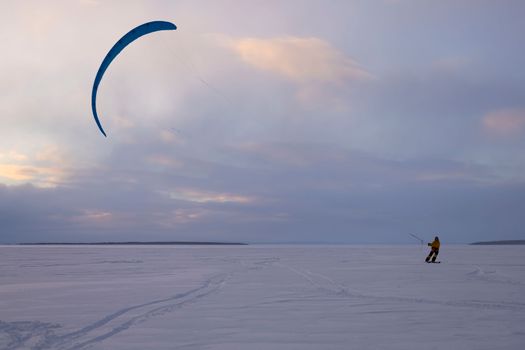
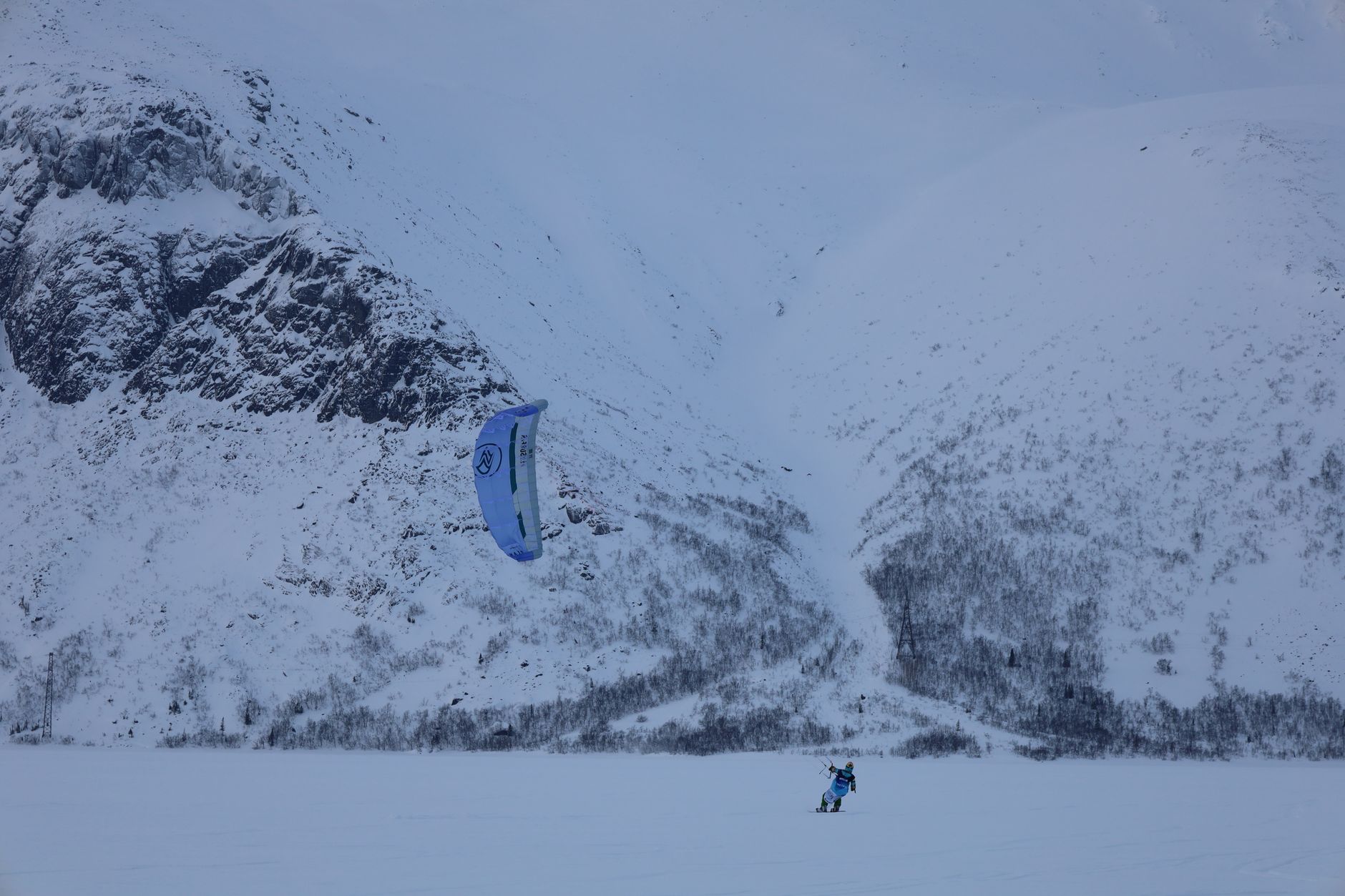
One particularly slushy spring day, stuck in a notoriously long lift line, I watched a lone figure off in the distance. They weren't skiing, nor snowboarding. Instead, they were gliding effortlessly across a vast, frozen lake, propelled by a giant, colorful kite, leaving a beautiful, arcing trail in the fresh snow. It looked like pure freedom, an almost alien dance on the winter landscape. My jaw dropped. In that moment, I knew. My winter adventures needed a reboot.
That single sighting sparked an obsession: finding winter sports that offer a fresh perspective, a unique challenge, and most importantly, aren't yet overrun by the masses. The holy grail? Something you could genuinely get a handle on in just a weekend, transforming you from a curious bystander to a budding enthusiast. And guess what? I found them.
Forget the lift lines, the well-worn paths, and the same old après-ski routines. This winter, it's time to pioneer your own path. Join me as we explore six exhilarating, learn-in-a-weekend winter sports that are on the cusp of becoming mainstream – giving you plenty of time to master them and earn some serious bragging rights.
---
1. Snowkiting: Harnessing the Winter Wind for Unparalleled Glide
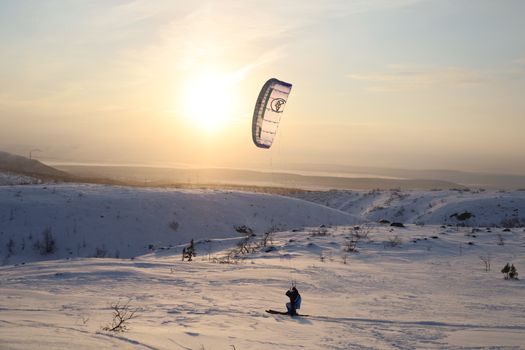
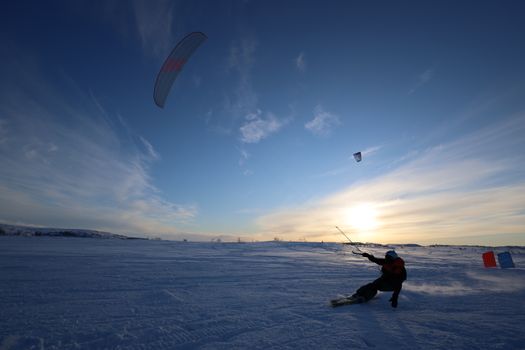
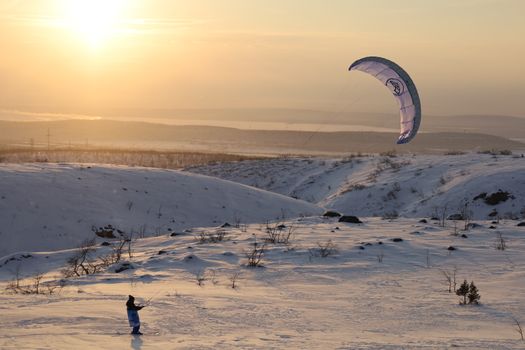
Imagine the freedom of kitesurfing, but instead of choppy waves, you’re gliding across pristine, snow-covered plains or frozen lakes. That, my friends, is snowkiting – and it’s arguably one of the most exhilarating ways to experience winter. It combines elements of skiing or snowboarding with kite flying, allowing you to harness the wind's power for incredible speed, long glides, and even airtime (once you're advanced!).
Why It's Awesome:
The sheer sense of freedom is unmatched. You’re not bound by gravity or lifts, just the wind and your own skill. It's an incredible full-body workout, mentally stimulating, and visually spectacular. Plus, the wide-open spaces mean fewer crowds, more solitude, and endless possibilities for exploration.
Learning in a Weekend:
Don’t be intimidated by the kite's size. Beginner snowkiting lessons focus heavily on safety, kite control (on land, without skis/board), and understanding wind windows. By the end of a solid two-day course, you'll be able to launch and land the kite, control it sufficiently to generate power, and make your first tentative glides across the snow. My first successful traverse felt like I was flying – a truly unforgettable sensation!
Practical Tips:
* Find a Certified Instructor: This is non-negotiable. Snowkiting involves powerful forces, and proper instruction is crucial for safety and rapid progression.
* Start Small: Begin with a smaller training kite on a gentle, open slope or flat field before moving to a larger power kite and adding skis/snowboard.
* Dress Warm, But Not Bulky: You’ll be active, so layers are key. Avoid overly bulky jackets that can restrict movement.
Where to Try It (and Approximate Costs):
Snowkiting thrives in open, windy areas.
* Lake Cascade, Idaho, USA: Known for its consistent winds and vast frozen surface. Cascade Kiteboarding offers weekend beginner courses starting around $450-$600, including gear rental.
* Montana's Frozen Lakes (e.g., Canyon Ferry Lake): Various local instructors offer lessons. Expect similar pricing.
* Alps (e.g., Reschenpass, Italy/Austria): A renowned European spot with stunning scenery. Weekend courses can range from €400-€700.
* Gear Rental: Typically included in beginner packages. If renting separately, a full kit (kite, harness, board/skis) can be $100-150/day.
Instagram-Worthy Moment:
Capturing a low-angle shot of your kite soaring against a dramatic winter sky, with you carving a perfect arc below. Or, a time-lapse of a fellow kiter seemingly dancing across the horizon.
---
2. Fat Biking: Rolling Through Winter Wonderland on Oversized Tires
Remember that feeling of riding your bike as a kid, exploring every nook and cranny? Fat biking brings that joy back, but with a winter twist. These bikes feature oversized tires (typically 3.8 to 5 inches wide) that run at very low pressure, allowing them to float over snow, sand, and other soft terrain where regular mountain bikes would sink. It's an incredible way to explore winter trails, get a fantastic workout, and experience the quiet solitude of a snowy landscape.
Why It's Awesome:
It's accessible, relatively easy to pick up, and opens up a whole new world of winter exploration. The feeling of silently crunching through fresh snow on a dedicated trail is incredibly peaceful and invigorating. Plus, it's a great cross-training activity for skiers or snowboarders.
Learning in a Weekend:
If you can ride a bike, you can fat bike. The learning curve is minimal. The main adjustments are handling the slightly heavier bike, understanding how tire pressure affects traction, and learning to navigate softer snow. By the end of a weekend, you'll be comfortably cruising groomed trails and tackling gentle climbs. My first time, I was surprised how stable the bike felt, even on packed snow – it felt like I was floating on two giant pillows!
Practical Tips:
* Lower Your Tire Pressure: This is key for flotation and traction on snow. Experiment with pressures between 5-10 PSI.
* Dress in Layers: You'll warm up quickly! Moisture-wicking base layers are essential.
* Look for Groomed Trails: Many cross-country ski centers or state parks now offer dedicated fat bike trails.
Where to Try It (and Approximate Costs):
Fat biking is growing rapidly, so many winter destinations now offer rentals and trails.
* Kingdom Trails, East Burke, Vermont, USA: A renowned mountain biking destination that transforms into a fat biking paradise in winter. Bike rentals are typically $40-$70/day, trail pass $15-$25/day.
* Winter Park, Colorado, USA: Offers numerous groomed trails and rentals. Expect similar pricing.
* Canmore Nordic Centre Provincial Park, Alberta, Canada: Fantastic groomed trails with stunning mountain views. Rentals around CAD $50-80/day, trail pass CAD $15-25.
* Any Local State Park/Forest: Check if your local parks groom trails or have specific fat bike access.
Instagram-Worthy Moment:
A wide-angle shot of your fat bike tracks disappearing into a snowy forest, or a scenic selfie with a mountain backdrop, your oversized tires prominently featured.
---
3. Airboarding: The Ultimate Head-First Snow Rush
Forget your childhood plastic sled. Airboarding is sledding reinvented for adrenaline junkies. An airboard is an inflatable, high-tech sled, ridden head-first on your stomach. Made from durable, lightweight material, these boards are designed for speed, maneuverability, and an incredibly thrilling, low-to-the-ground experience that makes even moderate slopes feel like a bobsled run.
Why It's Awesome:
Pure, unadulterated fun and speed! It requires virtually no prior skill, meaning you can jump right in and start having a blast. The sensation of flying just inches above the snow is incredibly exhilarating. It's also a fantastic group activity, leading to lots of laughter and friendly competition.
Learning in a Weekend:
There's almost no learning curve! If you can lie down and hold on, you can airboard. The 'learning' involves understanding how to shift your weight for steering, braking (digging your feet in), and safe stopping. Most places offer a quick briefing, and you're off. My first run down a small hill felt like I was piloting a mini-rocket – the speed was astonishing and the giggles were involuntary!
Practical Tips:
* Wear a Helmet: Absolutely essential for safety, given the speeds you can reach.
* Knee Pads and Elbow Pads: Highly recommended, especially if you're prone to bumps and bruises.
* Look for Dedicated Airboard Parks/Hills: Some ski resorts are starting to offer specific airboard zones or even night-time airboarding sessions.
Where to Try It (and Approximate Costs):
Airboarding is popular in Europe and gaining traction in North America.
* Grindelwald, Switzerland: Offers fantastic airboarding runs, often with lift access. Rentals typically CHF 20-40/day, plus a lift ticket.
* Zermatt, Switzerland: Another excellent Swiss option with designated areas.
* Some US Resorts: Keep an eye out! Resorts like Keystone, Colorado (often has tubing parks that might allow similar devices) or smaller independent tubing hills might offer it or something similar. For dedicated Airboarding, look for specific "Airboard Parks." If you can't find a dedicated park, many general sledding hills are perfect for your own Airboard purchase (starting around $150-300).
* Rental: Expect to pay around $20-50/day for an airboard if available at a resort.
Instagram-Worthy Moment:
A low-angle action shot of you or a friend streaking down a snowy slope, a blur of speed and snow spray. Or a selfie with a huge grin after an exhilarating run.
---
4. Telemark Skiing: The Elegant Free-Heel Turn
Often called the "original" form of skiing, Telemark skiing involves a distinctive free-heel binding that allows your heel to lift off the ski, enabling a graceful, genuflecting turn. It’s a beautiful, challenging, and deeply rewarding sport that offers a unique connection to the snow and a different kind of flow compared to alpine skiing. If you're an experienced alpine skier looking for a new challenge, this is it.
Why It's Awesome:
The elegance and fluidity of the telemark turn are captivating. It's a full-body workout that engages different muscle groups, and it feels incredibly natural and connected to the mountain. There’s a wonderful sense of tradition and mastery that comes with learning this classic technique. Plus, you’ll stand out on the slopes!
Learning in a Weekend:
While it helps to have prior alpine skiing experience, many beginners pick up the basics of the telemark turn in a weekend. Lessons focus on mastering the "telemark lunge" – dropping your back knee – and weight distribution. Expect some initial awkwardness and burning quads, but the breakthrough moment when you link a few smooth turns is incredibly satisfying. My first few turns felt like I was doing a slow-motion dance, then suddenly, it clicked, and I was gliding with a new sense of grace.
Practical Tips:
* Take a Lesson: Essential for proper technique and avoiding bad habits. A good instructor will guide you through the nuances of the telemark stance.
* Start on Gentle Slopes: Green runs are your friend. Focus on form over speed.
* Rent the Right Gear: Telemark specific skis, boots, and bindings are crucial. Don't try to adapt alpine gear.
Where to Try It (and Approximate Costs):
Most major ski resorts with good ski schools will offer telemark lessons and rentals.
* Alta Ski Area, Utah, USA: Known for its deep snow and excellent ski school, a great place to learn. Telemark ski rentals around $50-80/day. Half-day private lessons $200-350.
* Jackson Hole, Wyoming, USA: Another iconic resort with quality instruction.
* Chamonix, France: Many guide services in the Alps offer telemark instruction. Expect €100-200 for a group lesson, €300-500 for a private half-day.
* Lift Ticket: Standard resort lift ticket prices apply.
Instagram-Worthy Moment:
A dynamic shot of you mid-telemark turn, low to the snow, with the distinctive free heel visible. Or a vintage-filtered photo evoking the classic roots of the sport.
---
5. Skijoring (with Dogs): Your Best Friend, Your Winter Partner
If you love cross-country skiing and have an energetic dog, skijoring is your next adventure! This unique sport involves a dog (or dogs) pulling a cross-country skier. The skier wears a skijoring harness, which attaches via a towline to a special dog harness. It’s a fantastic way to bond with your canine companion, get an incredible workout, and explore winter trails together.
Why It's Awesome:
It's a true team sport, fostering an amazing connection with your dog. The added propulsion from your furry friend makes for a faster, more exciting cross-country experience. It's also a wonderful way to keep active with your dog during the winter months when other activities might be limited. The joy on my dog's face as he pulled me along was infectious – it’s pure, shared happiness.
Learning in a Weekend:
You’ll need basic cross-country skiing skills (classic style is easiest for beginners) and a dog that is well-behaved, enjoys pulling, and responds to basic commands like "go," "stop," and "left/right." A weekend introductory clinic can teach you the commands, how to properly harness your dog, and techniques for smooth communication and control on the trails.
Practical Tips:
* Start with Basic XC Ski Skills: Be comfortable on classic cross-country skis before adding a dog.
* Dog Training is Key: Your dog needs to understand basic directional commands and be comfortable wearing a harness and pulling.
* Use Proper Gear: A padded, ergonomic dog harness and a bungee-style towline are essential for both your and your dog's comfort and safety.
* Choose Dog-Friendly Trails: Always ensure the cross-country ski trails you choose permit skijoring.
Where to Try It (and Approximate Costs):
Look for cross-country ski centers that explicitly allow skijoring or offer clinics.
* Craftsbury Outdoor Center, Vermont, USA: A premier Nordic center with dog-friendly trails and often hosts skijoring events/clinics. Skijoring gear (harness, towline) can be purchased for $100-250. XC ski rental $30-50/day. Clinics $100-200.
* Breckenridge Nordic Center, Colorado, USA: Another popular spot with dog-friendly trails.
* Some Montana & Alaska Nordic Clubs: Known for their dog-friendly winter activities.
* Local Cross-Country Trails: Many smaller local trails might be suitable if you have your own gear and an experienced dog.
Instagram-Worthy Moment:
A dynamic shot of you and your dog mid-stride on a snowy trail, capturing the bond and shared adventure. A close-up of your dog's happy, panting face covered in snow.
---
6. Beginner Ice Climbing: Scaling Frozen Waterfalls
For the ultimate winter challenge and an incredible sense of accomplishment, consider beginner ice climbing. Imagine ascending a majestic, frozen waterfall, axe in hand, crampons biting into the ice. While it sounds extreme, with a certified guide, the basics of ice climbing can be safely and effectively introduced in a single weekend, opening up a world of vertical winter adventure.
Why It's Awesome:
The thrill of defying gravity on a frozen canvas is unparalleled. The views from even a short climb are breathtaking, and the feeling of mastering a challenging ascent is incredibly empowering. It's a unique blend of strength, technique, and mental focus, offering a truly unforgettable experience. My first time, the sound of the ice axe biting into the frozen waterfall was surprisingly satisfying, and reaching the top felt like conquering a mini-Everest.
Learning in a Weekend:
This is one sport where a professional guide is non-negotiable. A weekend beginner course will cover essential safety protocols, proper use of ice axes and crampons, basic climbing techniques (like front-pointing and placing tools), rope management, and belaying. You'll typically start on easier, lower-angle ice, gradually progressing as your confidence grows.
Practical Tips:
* Hire a Certified Guide: This is paramount for safety, instruction, and access to the right equipment.
* Layer Up Warmly: You'll be exposed to cold, but also working hard. Non-cotton base layers, an insulating mid-layer, and a waterproof/windproof outer shell are essential.
* Gloves, Gloves, Gloves: Bring multiple pairs! Your hands will get wet and cold.
* Good Physical Condition Helps: While not strictly necessary for beginners, a decent level of fitness will make the experience more enjoyable.
Where to Try It (and Approximate Costs):
Ice climbing spots are found in mountainous regions with cold winters and accessible frozen waterfalls.
* Ouray Ice Park, Colorado, USA: A world-famous, human-made ice park that’s incredibly accessible for all levels. Numerous guide services operate here. A full-day guided trip (including all gear) can range from $250-500 per person (group rates often lower per person).
* Smugglers' Notch, Vermont, USA: Offers excellent natural ice climbing with local guiding services.
* Canmore, Alberta, Canada: Near Banff National Park, boasts stunning natural ice climbs and many experienced guides. Full-day guided trips are typically CAD $300-600.
* Rental: All necessary technical gear (boots, crampons, axes, helmet, harness) is typically included in guided trip prices.
Instagram-Worthy Moment:
A dramatic shot of you or a friend scaling a shimmering blue ice wall, with the guide below. A close-up of your crampons biting into the ice, or the majestic beauty of a frozen waterfall.
---
Your Winter Adventure Awaits!
This winter, don't just endure the cold – embrace it! These six incredible sports offer a refreshing escape from the ordinary, promising unique thrills, unforgettable memories, and a chance to discover a new passion. Each one offers a distinct way to connect with the winter landscape, whether it's harnessing the wind, silently cruising through snow, flying head-first down a hill, mastering a graceful turn, sharing an adventure with your dog, or scaling a frozen masterpiece.
The best part? You don't need years of training. A single, dedicated weekend is all it takes to dip your toes into these exciting worlds. So, which one will you try first? Will you chase the wind, explore silent trails, or scale icy heights?
Don't wait until these become the next big thing! Bookmark this guide, gather your gear, and share your adventures with us using #TripsoraWinterUndiscovered. We can't wait to see where your winter curiosity takes you!
---