The Hook: A Solstice Morning in the Sicilian Clay
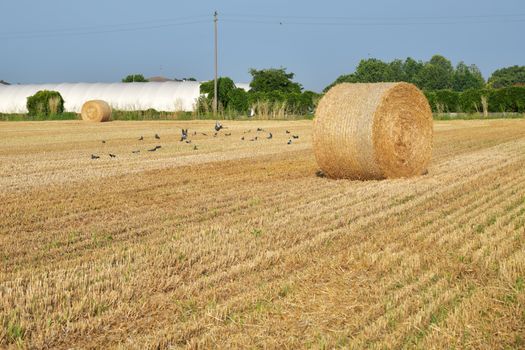
I stepped off the regional train at the dusty, sun-bleached platform of Dittaino, Sicily, and was instantly hit by a dry wave of heat carrying the scent of wild fennel, toasted straw, and warm, mineral-rich earth. It was 6:30 AM on a mid-June morning, and the Sicilian sun was already painting the rolling hills of the Simeto Valley in shades of burnt ochre and pale gold.
I wasn't here for the beaches of Taormina or the baroque palazzos of Noto. I was here for something far older, far more resilient, and infinitely more delicious: Tumminia.
```
____________________________________________________
/ \
| "To taste a loaf of true, stone-milled Tumminia |
| bread is to realize that modern wheat has |
| robbed us of the true flavor of the earth." |
\____________________________________________________/
```
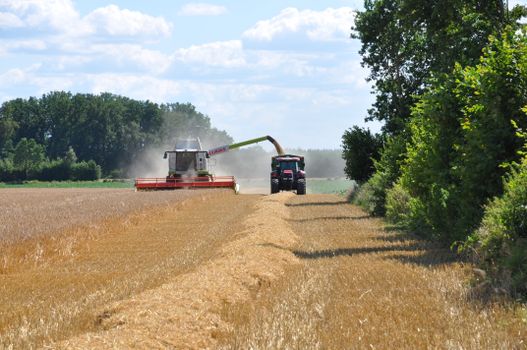
In the distance, the low hum of a vintage combine harvester began to echo across the valley. This is the frontline of the global agricultural resistance. Across the planet, a dedicated network of farmers, scientists, and bakers are rejecting the high-yield, chemically dependent monoculture of modern dwarf wheat. They are turning back the clock thousands of years, cultivating tall, deep-rooted, nutrient-dense ancient grains that thrive without synthetic fertilizers.
This June 2026, as travelers seek deeper, more climate-conscious connections with the land, these living agricultural museums have become the ultimate pilgrimage sites for food lovers and eco-adventurers alike.
---
1. Val di Noto, Sicily: Striking Gold with Timilia and Russello
The volcanic soils and dry clay of Sicily are home to some of the most successful heritage grain projects on earth. Here, the focus is on reviving wheats that survived the island’s brutal, arid summers long before the advent of modern irrigation.
The Grains: Tumminia (Timilia) & Russello
Tumminia is a short-cycle durum wheat with a dark, almost chocolatey bran, famous for its sweet, nutty flavor and low glycemic index. Russello yields a tall, bronze-hued stalk that produces a flour perfect for traditional hard-crusted Sicilian breads (Pane Nero di Castelvetrano).
The Experience
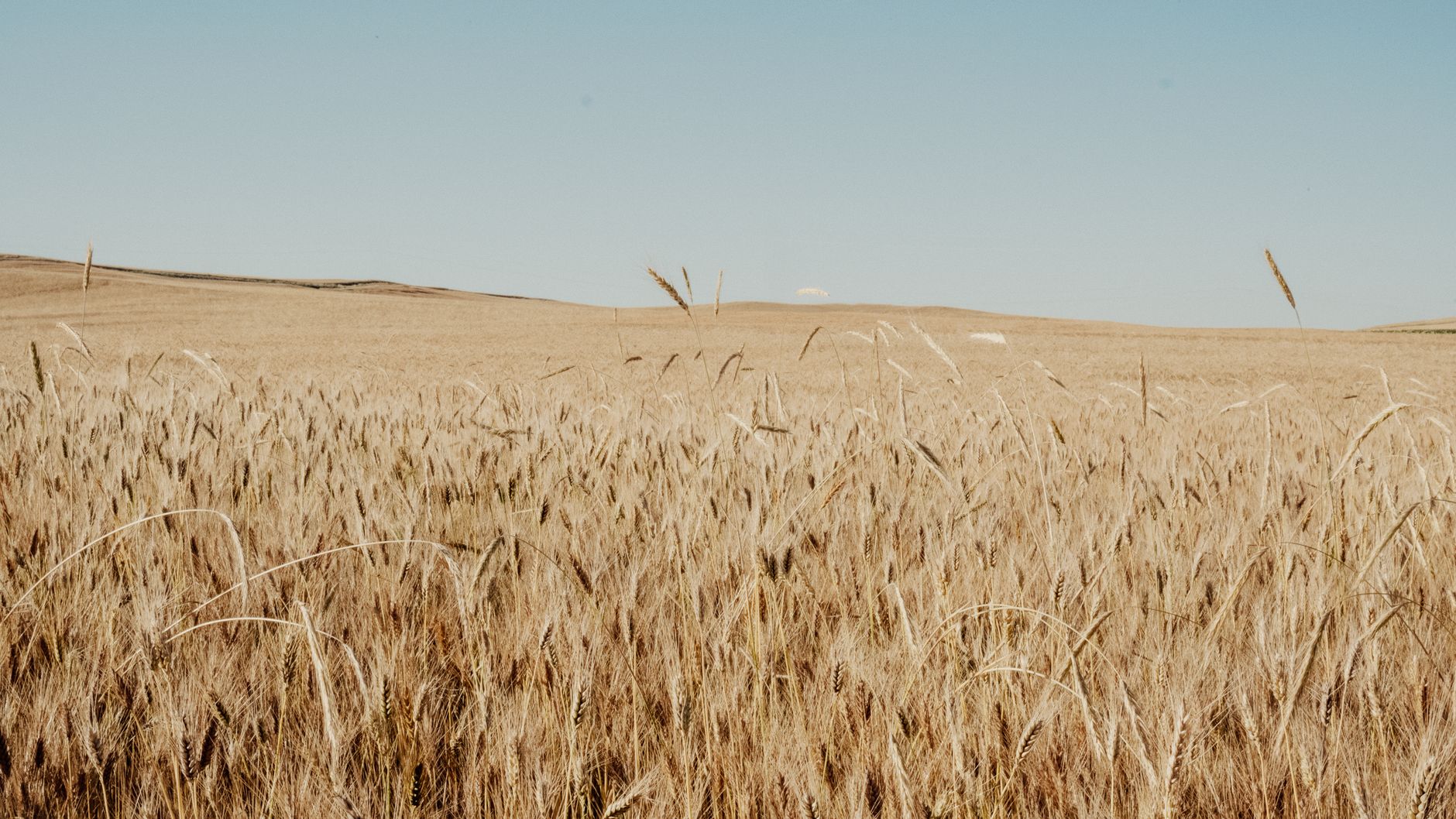
At Azienda Agricola Radichino, located just outside the limestone ridges of Noto, the harvest is in full swing by mid-June. Visitors can walk through fields of Russello that stand over five feet tall—waving like a copper sea in the Mediterranean breeze.
After a walk through the fields, you are ushered into the stone millhouse. Here, heavy volcanic stones slowly rotate, crushing the grain at low temperatures to preserve the wheat germ’s delicate oils. The air is thick with the sweet, yeasty aroma of fresh flour.
- Insider Food Experience: Do not leave without trying the Busiate pasta made from 100% stone-ground Tumminia, tossed simply with fresh cherry tomatoes, wild mint, and local extra virgin olive oil. The pasta has an incredible, toothsome chew and a flavor profile reminiscent of toasted hazelnuts and wet slate.
> Pro-Tip: Arrive at the farm by 7:00 AM. The farmers start harvesting early to beat the intense Sicilian heat, and the morning light hitting the bronze Russello fields is a dream for photography. The farm's entrance is marked by an unmarked, rusted iron gate tucked behind a giant prickly pear cactus on Route SP51.
---
2. Gotland, Sweden: The Viking Rye and Emmer Guardians
Far to the north, on the windswept Baltic island of Gotland, a very different kind of grain preservation is taking place. Here, the cool maritime climate and limestone-rich soils harbor grains that once fueled the Norse trade routes.
```
+-------------------------------------------------------------+
| GOTLAND GRAIN PROFILE |
+-------------------------------------------------------------+
| Variety: Knutkorn (Viking Barley) & Gotlandsråg (Rye) |
| Soil Type: Limestone-rich gravel (Alvar) |
| Best Tasting Spot: Rute Stenugnsbageri |
+-------------------------------------------------------------+
```
The Grains: Knutkorn & Gotland Rye
Knutkorn is an ancient, multi-row barley variety recovered from archaeological digs on the island. Gotland Rye (Gotlandsråg) is a tall, resilient grain with an intense, earthy spice profile and a deep, dark crumb when baked.
The Experience
At Smarte Lantbruk, a regenerative family farm on the northern peninsula of Gotland, the long daylight hours of June create an ethereal landscape. The fields of ancient rye glow silver under the midnight sun.
The farm offers walking tours that explain how these deep-rooted grains help prevent nutrient runoff into the sensitive Baltic Sea—a major ecological issue in Northern Europe.
- The Culinary Highlight: Head to Rute Stenugnsbageri, a cult-favorite bakery housed in a rustic, open-sided stone barn nearby. In June, they bake sour rye loaves using Smarte’s fresh-milled grains in a massive, wood-fired brick oven. Slathered with salted Gotland butter, it is a masterclass in simplicity.
> Pro-Tip: Rent a vintage bicycle in Visby and take the coastal route up to the farm. The roads are flat, lined with blooming wild blue echium flowers in June, and offer spectacular sea views.
---
3. The Methow Valley, Washington State: America’s Heirloom Revolution
Nestled in the rain shadow of the Cascade Mountains, Washington's Methow Valley has quietly become the epicenter of North America’s organic heritage grain movement.
The Grains: Pasayten Hard White & Methow Valley Red Fife
Red Fife is a legendary heirloom bread wheat that arrived in North America in the 19th century. It is prized by sourdough bakers for its exceptional baking quality, herbal aroma, and rich golden crust.
The Experience
Bluebird Grain Farms is the crown jewel of the Pacific Northwest’s grain scene. Their state-of-the-art, solar-powered granary and farm sit against a backdrop of snow-capped peaks and pine forests.
In June, the valley is lush and green, and the farm offers guided tours of their fields, showing how they dry-farm heirloom wheats using meltwater from the mountain snowpack.
- The Mill Tour: Watch their custom-built wood-clad stone mills turn raw Emmer and spelt berries into sweet, aromatic flour. The smell is intoxicating—like fresh straw mixed with sweet milk.
> Pro-Tip: Book the "Baker's Intensive" weekend workshop in advance. You’ll learn how to manage high-hydration sourdough doughs using freshly milled heirloom flour, led by visiting master bakers. The workshop includes a communal dinner under the stars in the middle of the Emmer fields.
---
4. Karacadağ, Turkey: Standing at the Birthplace of Agriculture
To truly understand ancient grains, one must travel to the basaltic slopes of Mount Karacadağ in Southeastern Anatolia. This is not just a farm; it is the cradle of domestic agriculture. Geneticists have traced the origin of all modern cultivated einkorn wheat back to the wild einkorn still growing on this volcanic mountain.
```
▲ Mount Karacadağ (Volcanic Basalt Soil)
/ \
/ \ <-- Wild Einkorn (The mother of all wheat)
/_____\
```
The Grain: Karacadağ Einkorn (Siyez)
Einkorn is a diploid wheat with 14 chromosomes (compared to the 42 chromosomes of modern wheat). It is highly nutritious, packed with lutein (a powerful antioxidant), and has a delicate, grassy, almost sweet flavor.
The Experience
Visiting this region requires an adventurous spirit. In June, local Kurdish farming cooperatives harvest the Siyez using hand-held sickles, just as their ancestors did 10,000 years ago. The rocky, basalt-strewn terrain makes modern machinery impossible to use.
You can walk along the ancient terraced fields, watching the community work in unison, singing traditional harvest songs that echo across the volcanic plains.
- Authentic Taste: Taste Siyez Bulgur Pilaf, cooked over an open wood fire with wild mint, clarified butter, and dried tomatoes. It has a rich, smoky flavor and a firm, satisfying texture that modern bulgur cannot match.
> Pro-Tip: Hire a local guide from the nearby city of Şanlıurfa. The roads up the mountain are unmarked, and having a translator who speaks Kurdish is essential for accessing the cooperative farms and understanding the oral histories of the grain preservationists.
---
5. Val d'Orcia, Tuscany: The Return of Senatore Cappelli
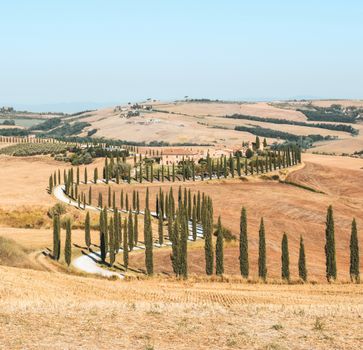
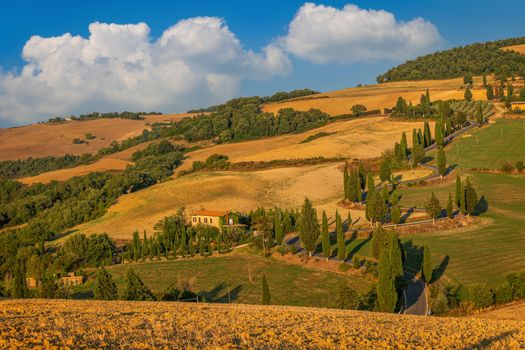
The postcard-perfect rolling hills of southern Tuscany are famous for their cypress trees, but in June, the real star is the golden sea of Senatore Cappelli wheat.
The Grain: Senatore Cappelli
Introduced in 1915, this autumn-sown durum wheat is a "modern ancestor"—a heritage breed that dominated Italian pasta production for decades before being sidelined by shorter, high-yield varieties. It grows up to six feet tall, has dramatic black awns (the beard of the wheat), and produces pasta with a sweet, woodsy flavor and a firm al dente structure.
The Experience
At Mulino Val d’Orcia near Pienza, the Spigolatori family has spent the last two decades reclaiming their ancestral lands to grow organic Senatore Cappelli and ancient Spelt (Farro).
In June, they host "Wheat Festivals" (Festa della Mietitura) where visitors can participate in traditional hand-harvesting demonstrations, listen to folk music, and eat communal dinners in the fields.
- The Pasta Masterclass: Take their pasta-making class, where you will roll fresh Pici (thick, hand-rolled Tuscan spaghetti) using only Senatore Cappelli semolina and water.
> Pro-Tip: The mill's farm shop has a hidden terrace overlooking the Orcia Valley. Grab a glass of local Orcia DOC red wine, a plate of Pecorino di Pienza cheese, and some fresh sourdough bread made from their stone-ground flour. It is the best sunset view in Tuscany, completely free of the crowds in Florence.
---
The Budget & Logistics: Planning Your June 2026 Grain Pilgrimage
Planning a trip centered around agricultural cycles requires careful timing. June is the transition month from late spring growth to early summer harvest, making it the most visually spectacular and active time to visit.
Quick Facts & Estimated Costs
| Destination | Best Time in June | How to Get There | Est. Daily Budget ($ USD) | Key Experience |
| :--- | :--- | :--- | :--- | :--- |
| Val di Noto, Sicily | June 10–20 | Fly to Catania (CTA), rent a car, drive 1 hour south via E45. | $120 - $180 | Stone-mill tour & Tumminia pasta tasting. |
| Gotland, Sweden | June 15–30 | Ferry from Nynäshamn to Visby, rent a car or bicycle. | $150 - $220 | Midnight sun rye field walks & wood-fired bakery visits. |
| Methow Valley, USA | June 1–15 | Drive 4 hours from Seattle (SEA) via North Cascades Highway. | $140 - $210 | Sourdough baking workshops & mountain hiking. |
| Karacadağ, Turkey | June 20–30 | Fly to Şanlıurfa (GNY), hire a private 4x4 vehicle and guide. | $70 - $110 | Witnessing hand-sickle harvesting of wild Einkorn. |
| Val d'Orcia, Italy | June 5–25 | Train to Chiusi-Chianciano Terme, rent a car for the countryside. | $160 - $250 | Festa della Mietitura (Harvest Festival) & hand-rolling Pici. |
---
Authenticity: The Insider’s Guide to Heritage Grain Travel
To get the most out of your visits to these agricultural sanctuaries, keep these guidelines in mind:
- Respect the Working Farm: These are not theme parks. June is the busiest, most stressful month of the year for grain farmers. Always book tours in advance, stay on marked paths (walking through wheat fields damages the stalks), and never interrupt a farmer operating heavy machinery.
- Ditch the "Gluten-Free" Label: Many travelers visit these farms because they find ancient grains easier to digest. While ancient grains like Einkorn and Emmer contain gluten, their protein structure is different from modern hybrid wheat, making them highly tolerable for those with non-celiac gluten sensitivities. However, they are not safe for those with Celiac disease.
- Pack the Right Gear:
- Footwear: Sturdy, closed-toe boots are non-negotiable. Wheat fields are full of thistles, dry clay, and uneven ground.
- Clothing: Long linen trousers and long-sleeved shirts protect against abrasive wheat husks and intense sun.
- Protection: A wide-brimmed straw hat and organic insect repellent are essential.
---
The Final Crumb
As the sun dipped below the clay hills of the Simeto Valley, casting long, purple shadows across the fields of Tumminia, Filippo, the head miller at Radichino, handed me a warm slice of bread straight from the farm’s wood oven. It was dense, dark, and had a crust that shattered like glass.
```
[ Crust: Shattered, caramelized sugar, woodsmoke ]
[ Crumb: Moist, open, pale amber, smelling of malt ]
[ Flavor: Hazelnut, wild chamomile, mineral salt ]
```
"Modern wheat was bred to feed machines," Filippo said, wiping flour from his calloused hands. "These ancient grains? They were bred to feed the human soul. They remember the earth."
In June 2026, as we look for ways to travel more sustainably and live more deeply, perhaps the best thing we can do is slow down, walk into a golden field of heritage grain, and taste the world as it used to be.
---