The Uncorked Frontier: My First Taste of a Region Poised to Explode
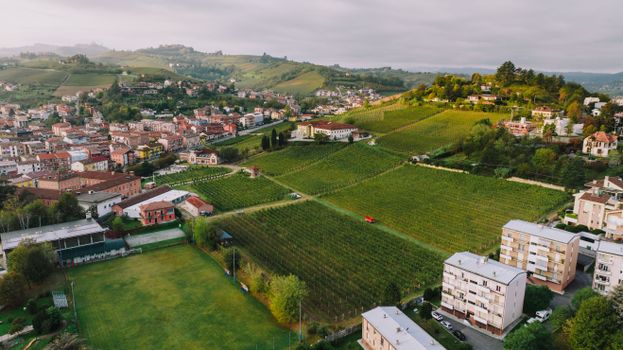
I stepped off the train, the crisp air carrying a scent I couldn't quite place – a blend of sun-baked earth, wild herbs, and something subtly sweet, like ripe figs just beginning to ferment. The late afternoon sun cast long, dramatic shadows across rolling hills, not the manicured vineyards of Tuscany or Bordeaux, but something wilder, more untamed. This was my introduction to [Region Name Placeholder], a place on the cusp of becoming the wine world's next darling, a destination that whispered promises of authenticity and undiscovered magic. Forget the crowded tasting rooms and the predictable varietals; I was on the hunt for the next big thing, and I'd found it.
This year, the wine world is buzzing, not with the roar of established giants, but with the excited murmurs of emerging territories. These are the places where passion, innovation, and a deep connection to the land are crafting wines that tell a story. They're offering experiences that go beyond the glass, inviting us to explore unique cultures, breathtaking landscapes, and the sheer thrill of discovery. So, grab your passport and your most adventurous spirit, because we're diving deep into the wine regions no one talks about yet, but absolutely should be on your radar this year.
1. The Balkans' Best-Kept Secret: North Macedonia's Tikveš Valley
When you think of European wine, the Balkans might not be the first place that springs to mind. But let me tell you, the Tikveš Valley in North Macedonia is a revelation. This ancient wine-producing region, with its roots stretching back millennia, is experiencing a renaissance. Imagine sun-drenched slopes, the scent of wild thyme and rosemary in the air, and wineries that are a harmonious blend of tradition and modern winemaking.
The Vibe:
This isn't about opulent chateaux. Think charming, family-run wineries, often set against the backdrop of Ottoman-era architecture and the majestic peaks of the Baba Mountains. The locals are incredibly welcoming, eager to share their history and their pride in their indigenous grape varietals, like Vranec (a robust red) and Smederevka (a crisp white).
Pro-Tip:
Visit the Demir Kapija Gorge for stunning natural beauty and a glimpse into the region's geological history. Many small wineries are clustered around this area, often with breathtaking views. Don't miss the chance to try local Rakija, a potent fruit brandy, often offered as a welcoming gesture.
Quick Facts: Tikveš Valley, North Macedonia
- Estimated Costs: $ (budget-friendly to mid-range)
- Best Time to Visit: Late August to October (harvest season) for vibrant festivals and the freshest wines. May to June for pleasant weather and blooming landscapes.
- How to Get There: Fly into Skopje (SKP) or Ohrid (OHD). Renting a car is highly recommended for exploring the valley. The drive from Skopje is about 1.5-2 hours.
2. The High-Altitude Haven: Argentina's Calchaquí Valleys
While Mendoza rightfully dominates the Argentinian wine scene, venture north to the Calchaquí Valleys in Salta province, and you'll discover a different kind of magic. This is high-altitude winemaking at its most dramatic, with vineyards perched at elevations of over 5,000 feet. The air is thin, the sun is intense, and the result is incredibly aromatic and intensely flavored wines.
The Vibe:
The landscape here is otherworldly – arid deserts, towering canyons, and vibrant red rock formations. The towns, like Cafayate, are charming colonial gems with a relaxed, artistic atmosphere. The winemaking here is a testament to human ingenuity, with wineries harnessing the power of the sun and the unique terroir. You'll find exceptional Torrontés (Argentina's signature white grape) with its floral notes, and powerful Malbecs with a distinct minerality.
Pro-Tip:
Take the scenic Route 40 through the Quebrada de Humahuaca (a UNESCO World Heritage site) for jaw-dropping views. Many wineries offer tours and tastings with incredible panoramic vistas. Look out for "pachamanca" – a traditional Andean cooking method using hot stones, often offered at agroturismo lodges.
Quick Facts: Calchaquí Valleys, Argentina
- Estimated Costs: $$ (mid-range to higher-end, especially for boutique stays and premium tastings)
- Best Time to Visit: April to June (autumn harvest) for mild temperatures and harvest activities. September to November (spring) for pleasant weather and blooming cacti.
- How to Get There: Fly into Salta (SLA). Renting a car is essential. The drive to Cafayate is approximately 3-4 hours, offering spectacular scenery.
3. The Coastal Charm: Uruguay's Maldonado & Canelones
Uruguay might be small, but its wine scene is punching well above its weight, particularly in the coastal regions of Maldonado and Canelones. This is where you'll find a refreshing take on familiar grapes and the exciting emergence of Tannat, Uruguay's signature red varietal, producing wines with dark fruit, chocolate, and firm tannins.
The Vibe:
Picture rolling green hills meeting the Atlantic breeze. The wine culture here is laid-back and friendly, with a focus on quality and sustainability. You'll encounter modern, eco-conscious wineries alongside more traditional bodegas. The proximity to the coast means you can easily combine wine tasting with beach relaxation and incredible seafood. The Albariño here is also a delightful surprise – bright, zesty, and perfect for the coastal climate.
Pro-Tip:
Explore the "Ruta del Vino" (Wine Route) that connects many of the wineries in the Canelones region. Many offer excellent farm-to-table dining experiences. For a more upscale experience, head to the Maldonado region, known for its more contemporary wineries and stunning natural beauty.
Quick Facts: Maldonado & Canelones, Uruguay
- Estimated Costs: $$ (mid-range)
- Best Time to Visit: March to May (autumn harvest) for harvest festivals and pleasant weather. November to February (summer) for beach access and lively atmosphere, though can be hotter.
- How to Get There: Fly into Montevideo (MVD). Renting a car is recommended for exploring the wine routes. The regions are relatively close to the capital.
4. The Volcanic Frontier: The Azores, Portugal
Forget the mainland; the Azores archipelago offers a wine experience unlike any other. These remote Atlantic islands are a testament to resilience and adaptation, with vineyards planted in unique volcanic soils, often protected by intricate stone walls called "currais". The wines here are shaped by the ocean spray, the rich volcanic earth, and a sense of isolation that breeds distinct character.
The Vibe:
Imagine dramatic coastlines, lush green landscapes, and the constant presence of the ocean. The Azorean wine scene is small but fiercely proud, with a focus on indigenous grapes like Terrantez do Pico and Arinto. The Verdelho from Pico Island is particularly renowned for its minerality and saline notes. This is a place for the adventurous traveler seeking something truly unique.
Pro-Tip:
Visit the island of Pico, a UNESCO World Heritage site for its unique vineyard landscape. The Museu da Indústria Baleeira (Whaling Industry Museum) offers fascinating historical context to the islands' maritime heritage, which is deeply intertwined with its wine culture.
Quick Facts: The Azores, Portugal
- Estimated Costs: $$ (mid-range to higher-end due to island logistics)
- Best Time to Visit: May to September for the most pleasant weather. The harvest typically takes place in September.
- How to Get There: Fly into Ponta Delgada (PDL) on São Miguel Island, or directly to Pico (PIX) or Terceira (TER) depending on your island focus. Inter-island flights and ferries are necessary. Car rental is essential on each island.
5. The Alpine Surprise: Slovenia's Vipava Valley
Nestled in the western part of Slovenia, bordering Italy, the Vipava Valley is a hidden gem that's finally starting to gain the recognition it deserves. This region boasts a winemaking tradition that dates back to Roman times, with a focus on indigenous varietals and a growing movement towards natural and biodynamic wines.
The Vibe:
Think charming medieval towns, rolling hills dotted with vineyards and orchards, and a distinctly Central European charm. The valley is known for its unique indigenous grapes like Zelen (a crisp white with herbal notes) and Pinela (a fragrant white). The Rebula (Ribolla Gialla) is also a standout. The winemakers here are passionate about preserving their heritage while embracing innovation, often with a strong emphasis on minimal intervention.
Pro-Tip:
Explore the picturesque town of Vipava and its castle. Many wineries are small and family-run, so booking tastings in advance is highly recommended. Look for "osmica" – temporary farmhouses that open their doors to sell homemade wine and local produce, offering a truly authentic experience.
Quick Facts: Vipava Valley, Slovenia
- Estimated Costs: $ (budget-friendly to mid-range)
- Best Time to Visit: Late September to October (harvest season) for vibrant autumn colors and harvest activities. May to June for pleasant spring weather.
- How to Get There: Fly into Ljubljana (LJU) or Trieste (TRS) in Italy. Renting a car is the most convenient way to explore the valley. The drive from Ljubljana is about 1 hour.
6. The Uncharted Territory: Georgia's Kakheti Region (Beyond the Obvious)
While Georgia is gaining traction as the birthplace of wine, there are still many corners of its most famous wine region, Kakheti, that remain delightfully undiscovered. Beyond the well-trodden paths, you'll find ancient traditions alive and well, with winemakers using qvevri – large clay vessels buried underground – to craft unique, amphora-aged wines.
The Vibe:
Imagine rolling hills covered in vineyards, ancient monasteries perched on hilltops, and the warm hospitality of the Georgian people. This is a land where wine is not just a beverage, but a way of life, deeply woven into culture and tradition. Beyond the famous Saperavi (a deeply colored red), explore lesser-known indigenous grapes and the complex, earthy flavors produced through qvevri winemaking.
Pro-Tip:
Visit the village of Sighnaghi, known as the "City of Love," for its charming cobblestone streets and stunning views of the Alazani Valley. Seek out smaller, family-run wineries in villages like Telavi and Kvareli for a more intimate qvevri wine experience. Don't miss a traditional Georgian feast, or "supra," where toasts and wine flow freely.
Quick Facts: Kakheti Region, Georgia
- Estimated Costs: $ (very budget-friendly)
- Best Time to Visit: September to mid-October (harvest season) for the vibrant "Rtveli" (grape harvest) festivals and the freshest wines.
- How to Get There: Fly into Tbilisi (TBS). Renting a car is recommended for flexibility. The drive to Kakheti is about 1.5-2 hours. Marshrutkas (minibuses) are also a budget-friendly option.
The Future is Uncorked
These emerging wine regions represent the heart of what makes travel so exciting: the thrill of discovery, the connection to authentic cultures, and the joy of experiencing something truly new. They are places where the passion for winemaking is palpable, where the land tells a story, and where every sip is an adventure.
So, this year, dare to venture beyond the familiar. Explore these hidden corners of the wine world. You'll not only discover exceptional wines but also forge memories that will last a lifetime. The world of wine is vast and ever-evolving, and these emerging regions are its vibrant, exciting future.
---